In Marathi, 'early bird' is most naturally expressed as 'लवकर उठणारा/उठणारी व्यक्ती' (lavkar uthaNara/uthaNari vyakti), meaning a person who wakes up early. When the emphasis is on arriving or acting before others, you can also say 'लवकर येणारा/येणारी व्यक्ती' (lavkar yeNara vyakti). In Hindi, the standard gloss is 'जल्दी उठ कर काम शुरू करने वाला व्यक्ति' or simply 'सुबह जल्दी जगने वाला व्यक्ति.' In Urdu, 'جلدی اٹھنے والا' (jaldi uthne wala) covers the same ground. When you see 'early bird discount' on an Indian event or booking page, that is an entirely different, commercial meaning: a lower price offered to people who register or purchase before a deadline.
Early Bird Meaning in Marathi with Hindi Urdu Examples

Rajesh Sharma
5 May 2026

What 'Early Bird' Actually Means as an Idiom
The idiom goes back to the English proverb 'The early bird catcheth the worm,' first recorded in John Ray's 1670 collection 'A Collection of English Proverbs.' The core idea is simple: the person who acts first, wakes first, or arrives first ends up with the advantage. Cambridge Dictionary defines it as 'the person who arrives first is the one who is successful.' So an 'early bird' is both a literal early riser and, more broadly, anyone who gets ahead by acting before others do.
This matters when you are trying to translate the phrase into Marathi, Hindi, or Urdu, because the idiom carries two slightly different senses: waking up early as a habit, and acting early to gain an advantage. Both senses are covered by the translations below, and you will usually know which one applies from the surrounding context.
Early Bird Meaning in Marathi

Marathi does not have a single fixed idiomatic word for 'early bird' the way English does, but the concept translates cleanly. The most direct and natural rendering is 'लवकर उठणारा व्यक्ती' (for a man) or 'लवकर उठणारी व्यक्ती' (for a woman). This literally means 'a person who gets up early' and is immediately understood by any Marathi speaker. If you are searching for the kite bird meaning in Marathi, this is the closest natural Marathi idea for an “early riser,” depending on context.
If the meaning leans more towards arriving early or being first in line, use 'लवकर येणारा व्यक्ती.' In everyday conversation you would drop 'व्यक्ती' and just say 'तो लवकर उठणारा आहे' (he is someone who wakes early) or 'ती लवकर येणारी आहे' (she is someone who arrives early). A fuller sentence in the spirit of the original proverb might read: 'लवकर उठणाऱ्यालाच संधी मिळते,' which translates roughly to 'Only the one who wakes early gets the opportunity.' That captures the 'early bird gets the worm' spirit in natural Marathi.
Early Bird Meaning in Hindi
Hindi offers several ways to say this, and all of them are in common use. The most dictionary-standard form is 'जल्दी उठ कर काम शुरू करने वाला व्यक्ति,' meaning the person who wakes early and starts work. A shorter, more conversational version is 'सुबह जल्दी जगने वाला व्यक्ति' or simply 'जल्दी उठने वाला.' In spoken Hindi, people also say 'सुबह का इंसान' (a morning person) to capture the same idea.
Usage examples help here. 'अगर आप सफल होना चाहते हैं, तो सुबह का इंसान बनें और जल्दी दिन की शुरुआत करें' translates as: 'If you want to succeed, be an early bird and start your day early.' Another common example with an advantage-framing: 'जो जल्दी पहुंचे, उसे आगे की सीट मिली' (The one who arrived early got the front-row seat). These sentences show how naturally the concept maps across from English to Hindi.
Early Bird Meaning in Urdu
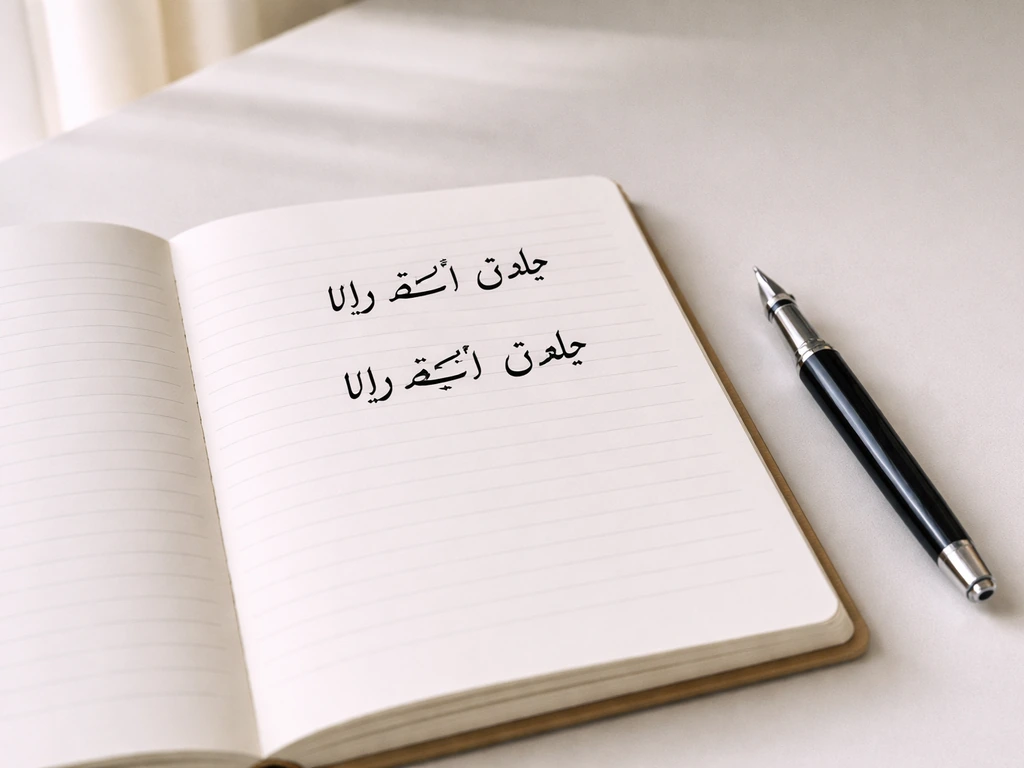
In Urdu, the natural equivalents are 'جلدی اٹھنے والا' (jaldi uthne wala, a person who wakes up early) and 'جلدی پہنچنے والا' (jaldi pahunchne wala, a person who arrives early). Both are used depending on whether the context is about a morning habit or about getting somewhere before others.
Two example sentences from Urdu usage illustrate the range well. 'صبح بیدار ہونے والا بہتر ڈیلز حاصل کرنے کا زیادہ امکان رکھتا ہے' means 'An early bird is more likely to get the best deals.' And 'صبح بیدار ہونے والے افراد ہمیشہ ایک پرامن صبح کا لطف اٹھاتے ہیں' means 'Early birds always enjoy a peaceful morning.' Urdu also borrows the English phrase directly in commercial contexts, as in 'ہم اپنی Early Bird قیمتوں پر ٹکٹ پیش کرتے ہیں' (We offer tickets at Early Bird prices).
Early Bird Discount: What It Means on Indian Event and Commerce Pages
This is a completely separate meaning from the personal idiom, and it is worth knowing because you will see it constantly on Indian ticketing, travel, and event registration pages. blank" rel="noopener noreferrer">An early bird discount is a lower price offered to people who book, register, or purchase before a specific deadline. The trybooking “Early Bird Discount” PDF explains early-bird discount staging for events, including that the discount applies within a defined booking timeframe or phase blank" rel="noopener noreferrer">An early bird discount is a lower price offered to people who book, register, or purchase before a specific deadline.. The idea is the same as the proverb: act early, benefit more.
On Indian event pages, typical phrasings include 'Book your seat 70 days in advance and grab the Early Bird Discount of Rs.2000/- per person,' or 'Early Bird Discount Up to 5%,' often shown alongside a struck-through original price. The deadline is always stated, either as a calendar date or a number of days in advance. Once that date passes, the standard price applies.
In Hindi, event organisers sometimes phrase it as 'अर्ली बर्ड ऑफर' (a direct transliteration) or 'जल्दी बुकिंग पर छूट' (discount on early booking). On Urdu-language or bilingual pages you may see 'Early Bird قیمت' (Early Bird price). The English term is so widely used in Indian commerce that it rarely gets fully translated.
How to Tell Which Meaning Is Being Used
Context does the work here. If you see words like discount, offer, price, booking, registration, deadline, or ticket alongside 'early bird,' it is the promotional meaning. If the sentence is about a person, a habit, or an action like waking or arriving, it is the personal idiom. These two meanings almost never overlap in practice.
Choosing the Right Translation Across Marathi, Hindi, and Urdu
| Language | Early riser / person meaning | Arrives early / acts first meaning | Commercial early bird |
|---|---|---|---|
| Marathi | लवकर उठणारा/उठणारी व्यक्ती | लवकर येणारा/येणारी व्यक्ती | अर्ली बर्ड सवलत / लवकर बुकिंगवर सूट |
| Hindi | सुबह जल्दी जगने वाला व्यक्ति | जल्दी उठ कर काम शुरू करने वाला व्यक्ति | अर्ली बर्ड ऑफर / जल्दी बुकिंग पर छूट |
| Urdu | جلدی اٹھنے والا | جلدی پہنچنے والا | Early Bird قیمت / جلدی بکنگ پر رعایت |
A practical rule: for spoken conversation or writing about personal habits, stick with the 'waking early' forms. For writing about someone seizing an opportunity before others, use the 'arrives/acts early' forms. For commerce and events, the English phrase 'Early Bird' is so commonly used in Indian contexts that you can keep it as is and simply add a Hindi or Marathi phrase like 'जल्दी बुकिंग पर छूट' or 'लवकर बुकिंगवर सवलत' to make it accessible to all readers.
Why Birds and Dawn Go Together in Indian Culture
The 'early bird' idiom is rooted in literal bird behaviour, and that connection is even richer in the Indian cultural context. Birds are among the most active creatures at dawn. The phenomenon known as the 'dawn chorus,' where birds begin singing as the first light appears on the horizon, is something observed and celebrated across South Asian traditions. This is not just natural history: it is woven into the symbolic language of Indian poetry, folk tradition, and mythology.
In Indian tradition, the cockerel's crow at dawn, called 'cockcrow,' has long served as a wake-up signal and a marker of the transition from night to day. The rooster calling at first light is a cultural icon of readiness and vigilance. This is why the 'early bird' image translates so intuitively for Indian audiences: the idea that birds are already awake, alert, and active before humans even stir is deeply familiar.
Many birds associated with the morning in Indian tradition carry spiritual meaning too. The association of birds with auspicious beginnings, divine messages, and the first light of day runs through Sanskrit literature and regional folk traditions alike. When you call someone a 'लवकर उठणारा व्यक्ती' in Marathi or a 'सुबह का इंसान' in Hindi, you are, in a small way, invoking this tradition of birds as the original early risers, creatures whose alertness and activity at dawn symbolises readiness, discipline, and the reward of waking before the world does. If you are curious about how specific birds carry symbolic meaning in Marathi and regional Indian languages, topics like the robin bird meaning in Marathi or the black kite bird meaning in Marathi explore that bird-symbolism thread in much more depth. If you are specifically asking what bird people mean by this phrase in Marathi, you may want to look at “early bird” usage versus literal bird references.
Quick Reference: Using the Phrase in Daily Life
- To describe someone who habitually wakes early in Marathi, say 'तो/ती लवकर उठणारा/उठणारी आहे.'
- To say someone got an advantage by acting first in Hindi, use 'वो जल्दी पहुंचने वाला था, इसलिए उसे सबसे अच्छी जगह मिली.'
- To explain the proverb in simple Marathi: 'लवकर उठणाऱ्यालाच संधी मिळते' (Only the early riser gets the opportunity).
- On event/booking pages, look for a deadline date next to 'Early Bird Discount' or 'Early Bird Offer' — that is when the reduced price expires.
- When translating English content into Hindi, 'जल्दी बुकिंग पर छूट' or 'अर्ली बर्ड ऑफर' both work for the commercial meaning and will be understood instantly by Indian readers.
- If you are writing in Urdu and want to convey the idiom, 'جلدی اٹھنے والا' for a habitual early riser and 'جلدی پہنچنے والا' for someone who beats others to arrive are both correct and natural.
FAQ
Marathi मध्ये “early bird” म्हणजे नेमकं व्यक्ती कोणती, सवय की फायदा मिळवणारी?
लवकर उठणारा/उठणारी (habit) आणि लवकर येणारा/येणारी (advantage, पहिलं पोहोचणे) असे दोन्ही अर्थ संदर्भानुसार ठरतात. वाक्यात “संधी मिळते, फायदा होतो, आधी सीट मिळते” असे संकेत असतील तर “लवकर येणारा” जास्त योग्य ठरतो.
“तो लवकर उठणारा आहे” हे वाक्य बरोबर आहे का, “व्यक्ती” सोबत/विना कोणतं नैसर्गिक?
दैनंदिन बोलण्यात “व्यक्ती” काढून टाकणे जास्त नैसर्गिक आहे. तुम्ही “तो लवकर उठणारा आहे” किंवा “ती लवकर उठणारी आहे” असे सहज म्हणू शकता; जास्त औपचारिक लेखनात “लवकर उठणारा व्यक्ती” वापरतात.
Marathi मध्ये “early bird gets the worm” सारखं वाक्य कसं लिहायचं, “किडा” शब्द हवाच का?
अर्थासाठी “फायदा फक्त आधी करणाऱ्यालाच” हा भाव पुरेसा असतो. उदाहरणार्थ, “लवकर उठणाऱ्यालाच संधी मिळते” हे किडा-उल्लेखाशिवायही मूळ म्हणीचा सार जुळवते, त्यामुळे वाक्य स्वाभाविक वाटते.
Hindi मध्ये “जल्दी उठने वाला” आणि “सुबह का इंसान” यात फरक आहे का?
दोन्ही चालतात, पण “जल्दी उठने वाला” जास्त थेट आहे (लवकर उठणारी सवय). “सुबह का इंसान” हे “मॉर्निंग person” सारखं आहे, कधी कधी फक्त सकाळी सक्रिय राहणाऱ्या व्यक्तीसाठी वापरतात, रोज लवकर उठणे बंधनकारक नसते.
Hindi मध्ये “काम सुरू करने वाला व्यक्ति” किती आवश्यक आहे? फक्त “जल्दी उठने वाला” चालेल का?
फक्त “जल्दी उठने वाला” बहुतेक वेळा अर्थ पोहोचवते, विशेषतः habit संदर्भात. पण जर संदर्भात “start working early, act first” असा भर असेल तर “जल्दी उठ कर काम शुरू करने वाला व्यक्ति” अधिक अचूक ठरतो.
Urdu मध्ये “جلدی اٹھنے والا” आणि “جلدی پہنچنے والا” कधी वापरायचं?
सकाळची सवय/लवकर उठणे असेल तर “جلدی اٹھنے والا” वापरा. “पहिले पोहोचणे, रांगेत पुढे असणे, वेळेवर अगोदर पोहोचणे” असा अर्थ असेल तर “جلدی پہنچنے والا” योग्य. म्हणजेच वाक्यात “seating, line, deadline, time” असे संकेत दिसल्यास “پہنچنے والا” निवडा.
“Early Bird Discount” दिसलं तर ते personal idiom नाही हे पटकन कसं ओळखायचं?
आजूबाजूच्या शब्दांकडे पाहा. “discount, offer, price, booking, registration, ticket, deadline, last date” यापैकी एकाही शब्दासोबत असेल तर ते प्रमोशनल अर्थ, “Early Bird” म्हणजे आधी खरेदी करणाऱ्यासाठी कमी दर.
Event page वर deadline “70 days in advance” असेल, मग अर्थ काय होतो?
याचा अर्थ विशिष्ट दिवसांच्या आधी बुकिंग/नोंदणी केल्यासच सवलत लागू. ज्या दिवशी किंवा तारखेपर्यंत सवलत आहे ती पास झाल्यावर सामान्य दर लागू होतो, त्यामुळे निर्णय घेताना deadline नेमका कोणता आहे ते तपासा.
Marathi मध्ये “लवकर बुकिंगवर सवलत” आणि “Early Bird offer” यात कोणता पर्याय जास्त स्वाभाविक?
बोलण्यात आणि साध्या लेखनात “लवकर बुकिंगवर सवलत” अधिक समजण्यासारखं. वेबसाईट किंवा ब्रँडेड कॉपीमध्ये “Early Bird offer” ठेवतात, पण त्यासोबत “लवकर बुकिंगवर सवलत” असे जोडल्यास वाचकांना संदर्भ पटकन कळतो.
मी अनुवाद करताना gender चुकला तर अर्थ बदलतो का?
Marathi मध्ये नामधातूंचे लिंग बदलते, त्यामुळे “लवकर उठणारा” (पुरुष) आणि “लवकर उठणारी” (स्त्री) योग्य वापरणे बेस्ट. वाक्यात लिंग स्पष्ट नसेल तर न्यूट्रल/जनरल फॉर्मसाठी “लवकर उठणारे” (बहुवचन) किंवा संदर्भानुसार “तो/ती” टाळून वाक्य रचना बदला.
Next Article
Bird Beak Meaning in Hindi: Chonch, Bill, Pronunciation
Bird beak in Hindi chonch or bill, pronunciation, examples, beak vs bill differences, and figurative Hindi use