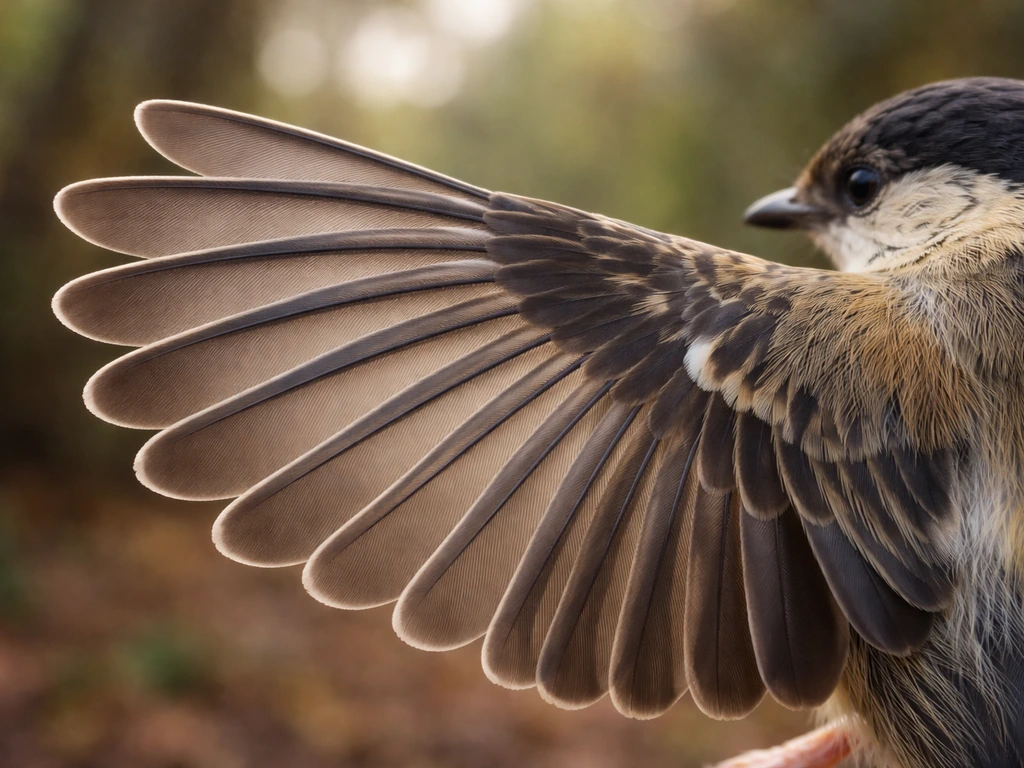
"Bird beak" का Hindi में सबसे सही और रोज़मर्रा का शब्द है चोंच (Devanagari: चोंच, romanized: cõc). यह एक feminine noun है, और चाहे आप किसी तोते की चोंच की बात करें, गिद्ध की, या मुनिया की, हिंदी में हर जगह यही शब्द चलता है। अगर आप बस यह एक शब्द याद कर लें, तो 90% जगहों पर काम चल जाएगा।
Bird Beak Meaning in Hindi: Chonch, Bill, Pronunciation

Rajesh Sharma
14 Jun 2026
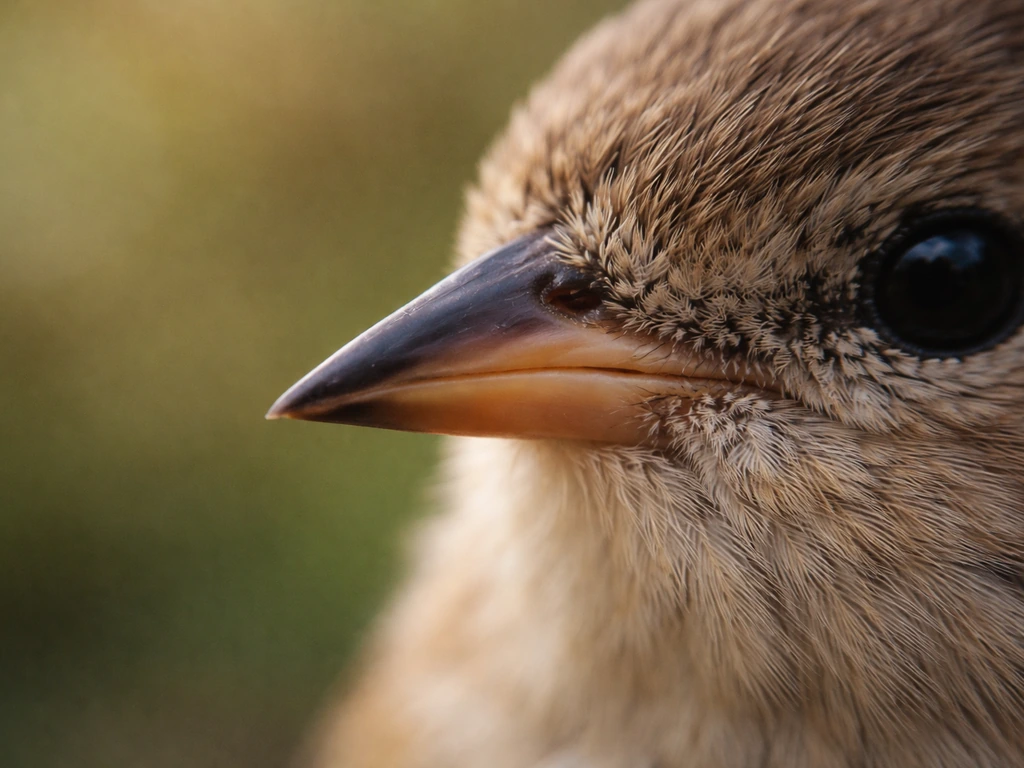
"Bird beak" का सीधा Hindi अनुवाद
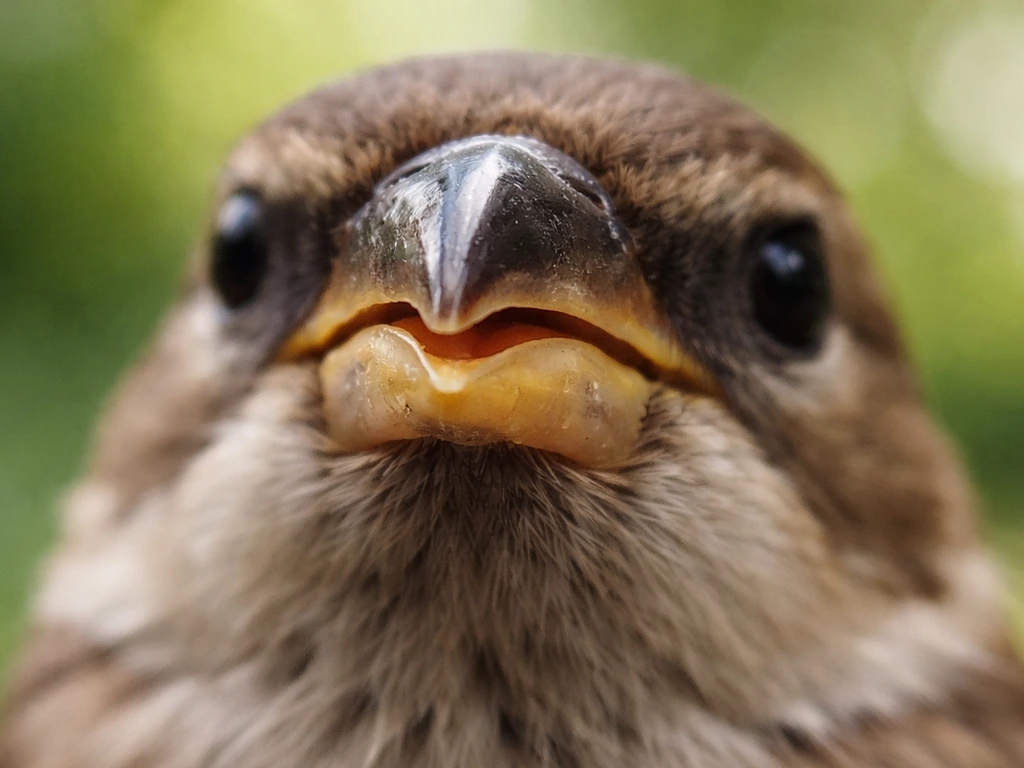
पक्षी की चोंच को Hindi में चोंच कहते हैं। Shabdkosh, Wiktionary, और Rekhta जैसे प्रमुख हिंदी संदर्भ स्रोत सभी एकमत हैं कि "beak" का primary Hindi equivalent चोंच ही है। यह शब्द grammatically feminine है, इसलिए वाक्य में "चोंच है", "चोंच की", "चोंच को" जैसी agreement देखने को मिलेगी। Wiktionary की English headword “beak” की Hindi list में मुख्य अनुवाद के रूप में चोंच दिया गया है।.
Full phrase "bird beak" को Hindi में कहेंगे: पक्षी की चोंच (pakṣī kī cõc). यहाँ पक्षी (pakṣī) = bird, की = of/possessive marker, और चोंच = beak. अगर आप थोड़ा informal बोलना चाहें, तो "चिड़िया की चोंच" भी बिल्कुल natural लगता है, जहाँ चिड़िया (ciṛiyā) एक आम, बोलचाल का शब्द है bird के लिए।
चोंच, तुंड, ठोर: कौन-सा शब्द कब इस्तेमाल करें
Hindi में beak के लिए कुछ और शब्द भी मौजूद हैं, लेकिन उनका scope और register अलग है। Wiktionary पर beak की Hindi entry में चोंच के साथ-साथ तुंड (tuṇḍ), ठोर (ṭhor), और टोँट (ṭõṭ) भी listed हैं। इनमें से तुंड Sanskrit-derived है और literary या technical ornithology texts में दिखता है। आम बोलचाल में, बच्चों की किताबों से लेकर news articles तक, चोंच ही dominant है। Wiktionary में verb “peck” के Hindi उदाहरण में “चोंच मारना” (cõc mārnā) जैसी translational equivalence मिलती है।.
English में beak और bill के बीच जो सवाल होता है, वह Hindi में उतना complicated नहीं है। Modern ornithology की दृष्टि से beak और bill को synonymous माना जाता है, और Hindi में दोनों के लिए चोंच ही प्रयोग होता है। किसी भी standard Hindi dictionary में आपको "bill" के लिए अलग शब्द नहीं मिलेगा, बस चोंच।
| Hindi Term | Romanization | Usage Context | Formality Level |
|---|---|---|---|
| चोंच | cõc | Daily speech, children's books, journalism, general writing | Everyday / Universal |
| तुंड | tuṇḍ | Sanskrit-influenced texts, classical poetry, ornithology references | Literary / Formal |
| ठोर | ṭhor | Rare; regional and older literary usage | Archaic / Regional |
| टोँट | ṭõṭ | Very rare; sometimes used for beak-like nozzle/spout by extension | Rare / Colloquial |
Beak के हिस्सों की बात करें तो: upper beak को Hindi में ऊपरी चोंच (ūparī cõc) और lower beak को निचली चोंच (nichlī cõc) कहते हैं। Ornithology में इन्हें upper mandible और lower mandible कहा जाता है, जिन्हें Hindi में ऊपरी जबड़ा (ūparī jabṛā) और निचला जबड़ा (nichlā jabṛā) भी कह सकते हैं। Beak की नोक (tip) के लिए चोंच की नोक (cõc kī nok) और धार (sharp edge) के लिए चोंच की धार (cõc kī dhār) natural expressions हैं।
उच्चारण, लिपि, और उदाहरण वाक्य
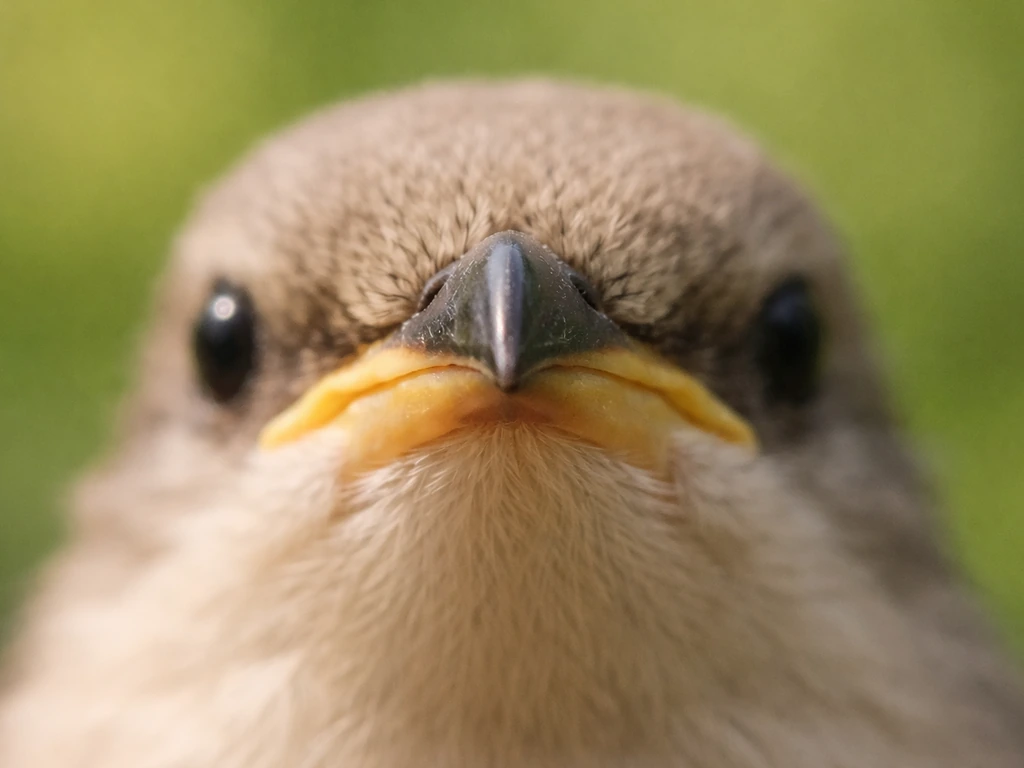
चोंच को romanize करते समय cõc लिखा जाता है। उच्चारण में: "च" को English के "ch" जैसे बोलें (जैसे "chair" में), बीच में nasalized "ओं" आएगी, और अंत में "च" फिर से। पूरा शब्द एक syllable जैसा लगता है, लगभग "chonch" ("ch" + nasalized "on" + "ch"). यह nasalization चोंच की spelling में anusvara (ं) से दिखती है।
- पक्षी की चोंच नुकीली होती है। (pakṣī kī cõc nukīlī hotī hai.) — The bird's beak is sharp.
- तोते की चोंच लाल रंग की होती है। (tote kī cõc lāl raṅg kī hotī hai.) — A parrot's beak is red.
- चिड़िया अपनी चोंच से दाना चुगती है। (ciṛiyā apnī cõc se dānā cugtī hai.) — The bird picks up grain with its beak.
- उसकी चोंच बहुत मजबूत है। (uskī cõc bahut majbūt hai.) — Its beak is very strong.
- इस पक्षी की ऊपरी और निचली चोंच अलग-अलग आकार की हैं। (is pakṣī kī ūparī aur nichlī cõc alag-alag ākār kī haiṃ.) — This bird's upper and lower beaks are different shapes.
Notice करें कि चोंच feminine noun है, इसलिए adjectives भी feminine form लेते हैं: नुकीली (not नुकीला), लाल रंग की, मजबूत। यह basic Hindi gender agreement है जो sentences को grammatically correct बनाती है।
चोंच: मुहावरे और figurative इस्तेमाल
चोंच सिर्फ anatomy का शब्द नहीं है। हिंदी और उर्दू दोनों में यह idioms और phrases में खूब आता है, और यहाँ इसका मतलब literal beak से बिल्कुल अलग हो जाता है। Rekhta Dictionary में चोंच से जुड़े कई phrase entries हैं जो यह साफ करते हैं।
- चोंच मारना (cõc mārnā): Literally means a bird pecking, but figuratively it can mean to interfere, to poke one's nose in, or to make a sharp remark. Context से तय होता है कि literal है या figurative.
- चोंच खोलना (cõc kholnā): Literally "to open the beak," figuratively means to speak up, to open one's mouth (often with a connotation of speaking out of turn or finally saying something).
- चोंचला / चोंचले (cõclā / cõcle): यह चोंच से derived एक अलग शब्द है जिसका अर्थ है blandishment, cajolery, or affected airs. जैसे: "चोंचले दिखाना" (to put on airs / to act coy). यह entirely figurative है, इसका birds से कोई direct connection नहीं।
- चील-सी चोंच मारना: Comparing someone's sharp, predatory verbal attack to a kite (चील) swooping down with its beak. Literary texts में यह simile मिलती है।
एक practical tip: जब आप किसी हिंदी text में चोंच देखें, तो context देखें। अगर कोई पक्षी का ज़िक्र है, तो literal है। अगर कोई इंसान के behavior का ज़िक्र है, तो figurative। चोंच खोलना या चोंच मारना जब इंसानों के बारे में हो, तो समझ लें कि बात speech या interference की हो रही है, न कि actual beak की। यह same distinction उस article में और explore होती है जो bird peck meaning in Hindi के बारे में है, क्योंकि "peck" और "चोंच मारना" closely related concepts हैं। Bird peck meaning in Hindi में यह समझाया जाता है कि “peck” किस तरह पक्षियों की चोंच से किए गए छोटे-छोटे ठोकर जैसे actions को दर्शाता है।.
Indian traditions में bird beak का symbolic और cultural अर्थ
भारतीय पौराणिक कथाओं और लोक परंपराओं में पक्षियों की चोंच को उनकी शक्ति, स्वभाव, और दैवीय कार्य का प्रतीक माना गया है। गरुड़ (Garuḍ), भगवान विष्णु का वाहन, अपनी विशाल और शक्तिशाली चोंच के लिए जाना जाता है जो नागों (serpents) को पकड़ती है। यहाँ चोंच divine power और righteousness का प्रतीक है जो अधर्म को नष्ट करती है।
कोयल (कोकिला, kokilā) की चोंच को Hindi poetry और संस्कृत साहित्य में सुरीली वाणी से जोड़ा जाता है। कालिदास के काव्यों में कोकिला की चोंच से निकली आवाज़ को प्रेम और वसंत का संदेशवाहक माना गया है। यहाँ चोंच की symbolic value उसके physical shape में नहीं, बल्कि उससे निकलने वाले स्वर में है।
Woodpecker, जिसे Hindi में कठफोड़वा (kaṭhphoṛvā) कहते हैं, की strong beak को लोक कथाओं में persistence और कठिन परिश्रम का प्रतीक माना गया है। जो पक्षी अपनी चोंच से पत्थर-जैसी लकड़ी को तोड़ सकता है, वह दृढ़ता और dedication का icon बन जाता है। Greek-Roman mythology में भी woodpecker को Mars (युद्ध के देवता) से जोड़ा गया है, जो यह दिखाता है कि bird beaks की symbolic strength cross-cultural है। Woodpecker bird meaning in Hindi पर और detail उस dedicated entry में मिलेगी। Woodpecker bird meaning in hindi को समझने के बाद आप इसके नाम के साथ जुड़े मुहावरे और symbolic use भी आसानी से पकड़ पाएंगे।.
Regionally देखें तो Marathi में चोंच को चोच (coc) कहते हैं, जो pronunciation में बहुत करीब है। Punjabi में भी ਚੁੰਝ (cuñj) शब्द मिलता है, जो उसी ध्वनि परिवार से आता है। Gujarati में ठोર (ṭhor) या ચાંચ (cānc) का प्रयोग होता है। Sanskrit में तुंड (tuṇḍ) और चञ्चु (cañcu) दोनों classical terms हैं, जिनमें चञ्चु खास तौर पर birds के लिए reserved है। इन regional variations को जानना तब useful है जब आप multilingual Indian texts या folk songs पढ़ रहे हों।
आगे क्या सीखें: Bird anatomy के related Hindi शब्द
चोंच सीखने के बाद naturally अगला कदम है bird के बाकी हिस्सों की vocabulary। यहाँ एक practical quick-reference है जो आपको bird anatomy की core Hindi vocabulary दे देगी:
| Bird Part (English) | Hindi Word | Romanization | Notes |
|---|---|---|---|
| Beak / Bill | चोंच | cõc | Most common; feminine noun |
| Wing | पंख | pankh | Also means feather in some contexts |
| Tail | पूँछ | pūṅchh | Used for tail of birds and other animals |
| Feather | पंख / पर | pankh / par | पर is more specific to feather; पंख can mean wing |
| Claw / Talon | पंजा | pañjā | Used for birds of prey especially |
| Eye | आँख | āṅkh | Same word used for all animals |
| Head | सिर | sir | Universal Hindi word |
| Nest | घोंसला | ghoṅslā | Specifically a bird's nest |
| Egg | अंडा | aṇḍā | General word for egg |
पंख (pankh) एक interesting case है क्योंकि यह wing और feather दोनों के लिए use हो सकता है, और context से meaning clear होती है। इसका English equivalent और nuance bird pankh in English meaning वाली entry में अच्छे से cover होता है, जहाँ यह distinction और detail में है। इसी तरह, bird beat meaning in Hindi जैसे related searches में भी आपको motion और action vocabulary मिलेगी जो पक्षी के पंखों और उड़ान से जुड़ी है। Bird pankh in English meaning वाली entry में पंख (wing बनाम feather) का सही अर्थ और distinction भी समझाया गया है।.
Verify करें और आगे बढ़ें: Practical next steps
अगर आप किसी specific bird की चोंच का description पढ़ रहे हैं, तो Shabdkosh.com और Rekhta Dictionary दोनों reliable free resources हैं। Shabdkosh पर beak type करें तो चोंच confirm हो जाएगी, और Rekhta पर चोंच type करें तो idiomatic usage भी दिखेगी। Wikipedia का Hindi version (hi.wikipedia.org) ornithology articles के लिए useful है जहाँ birds के scientific descriptions में तुंड और चञ्चु जैसे technical terms भी मिल सकते हैं। Sentences बनाते वक्त हमेशा याद रखें कि चोंच feminine है, इसलिए connected adjectives और verbs feminine agreement follow करेंगे, जैसे: "उसकी चोंच छोटी है" (Her/its beak is small) न कि "छोटा है"।
FAQ
bird beak meaning in hindi “बिल” भी बोल सकते हैं, या सिर्फ “चोंच” सही है?
आम, रोज़मर्रा की हिंदी में “चोंच” ही सही और सबसे स्वाभाविक है। “बिल” शब्द बोलचाल में कुछ जगह अंग्रेजी “bill” के असर से दिख सकता है, पर स्टैंडर्ड हिंदी में आम तौर पर उसे “चोंच” ही कहा जाता है, खासकर जब वाक्य में पक्षी का संदर्भ हो।
“चोंच” feminine है, तो “उसकी चोंच…” में कौन सा रूप सही होगा?
“चोंच” feminine होने के कारण विशेषण भी feminine रखें, जैसे “उसकी चोंच छोटी है”, “नुकीली चोंच”, “लाल रंग की चोंच”। यदि आप masculine रूप (जैसे “छोटा”) इस्तेमाल करेंगे, तो वाक्य व्याकरण के हिसाब से गलत लगेगा।
“पक्षी की चोंच” और “चिड़िया की चोंच” में फर्क क्या है?
दोनों सही हैं, “पक्षी की चोंच” ज्यादा औपचारिक और न्यूट्रल है, “चिड़िया की चोंच” ज्यादा बोलचाल, भावनात्मक और अक्सर बच्चों की भाषा या हल्के टोन में आती है। आप जिस audience (formal vs casual) को लक्ष्य कर रहे हैं, उसी हिसाब से चुनें।
beak की जगह “तुंड”, “ठोर” या “टोँट” कब इस्तेमाल करना ठीक रहता है?
ये शब्द मिलते तो हैं, पर उनका इस्तेमाल आम बातचीत में कम होता है। “तुंड” ज्यादा literary या technical/क्लासिकल संदर्भों में दिख सकता है, जबकि “ठोर” या “टोँट” क्षेत्रीय या खास लेखन-शैली में अधिक मिलेंगे। अगर आपका पाठ सामान्य दर्शकों के लिए है, तो “चोंच” चुनना safest है।
upper beak और lower beak हिंदी में कैसे लिखेंगे, और क्या “जबड़ा” भी चल सकता है?
सीधा और आम तरीका है “ऊपरी चोंच” (upper beak) और “निचली चोंच” (lower beak)। technical भाषा में “ऊपरी जबड़ा” और “निचला जबड़ा” भी चलता है, लेकिन यह anatomy-focused लेखन में ज्यादा उपयुक्त है, रोज़मर्रा की बातचीत में “चोंच” वाले शब्द ज्यादा प्राकृतिक लगते हैं।
क्या “चोंच” का मतलब हमेशा literal beak ही होता है?
नहीं। इंसानों के व्यवहार के लिए मुहावरे जैसे “चोंच खोलना” या “चोंच मारना” figurative हो सकते हैं, मतलब बोलने, दखल देने, या किसी तरह की हरकत से संबंधित। ऐसे वाक्यों में context देखें, अगर पक्षी नहीं कहा गया है तो लगभग हमेशा अर्थ रूपक होगा।
“चोंच की नोक” और “चोंच की धार” का सही उपयोग कब करते हैं?
ये expressions तब ज्यादा काम आते हैं जब आप shape या cutting edge जैसी physical detail बता रहे हों, जैसे शिकारी पक्षी या चोंच के design का वर्णन। सामान्य वाक्यों में केवल “चोंच” कहना पर्याप्त होता है, लेकिन description में specificity चाहिए तो ये वाक्यांश जोड़ें।
अगर मैं pronunciation लिखना चाहूं तो “cõc” सही रहेगा, और कैसे बोलें?
लेखन के लिए आप “cõc” का उपयोग romanization समझाने में कर सकते हैं। बोलते समय “च” को “ch” जैसी ध्वनि मानें, बीच में nasalized “ओं” जैसा भाग आएगा, और अंत में “च”। ध्यान रहे, “चोंच” को एक ही शब्द की तरह तेज़ी से बोलना बेहतर लगता है।
क्या “bird beak” को “पक्षी का मुंह” कहना चलेगा?
सामान्य अर्थ में कभी-कभी लोग metaphorically “मुंह” कह देते हैं, लेकिन literal anatomy में यह गलतफहमी पैदा कर सकता है। यदि आप सही शब्दावली चाहते हैं, तो “पक्षी की चोंच” ही प्रयोग करें, खासकर जब beak और peck जैसी क्रियाओं पर बात हो रही हो।
मुझे किसी खास bird के लिए चोंच का प्रकार लिखना है, कैसे खोज/पढ़ूं ताकि शब्द सही मिले?
किसी bird का नाम लेकर उसके साथ “चोंच का प्रकार” या “beak shape” जैसे शब्द खोजें। हिंदी स्रोतों में अक्सर “चोंच” के आसपास ही नोक, धार, आकार, और कार्य का वर्णन मिलता है। अगर आप scientific detail में जाते हैं, तो साथ में “upper mandible” और “lower mandible” जैसी टर्म भी समझकर पढ़ें।
Next Article
Bird Pankh in English Meaning: Wings or Feathers?
Learn bird pankh in English meaning: pankh means feathers or wings, with context rules, examples, and regional equivalen