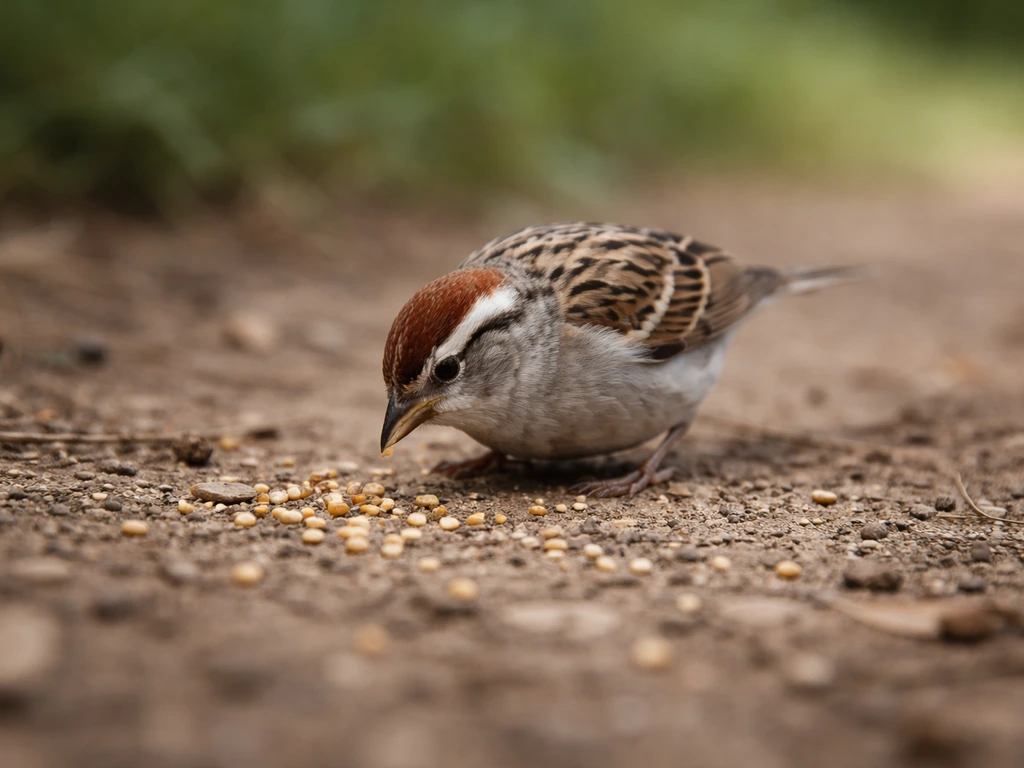
पंख (pankh) translates to either 'wing' or 'feather' in English, and which one you pick depends entirely on context. Cambridge Dictionary’s English→Hindi entry for “wing” gives “blank" rel="noopener noreferrer">(पंछी/कीट/तितली आदि के) पंख / पंखों” and matches example wording like “the delicacy of a butterfly’s wings.”. When a bird is spreading or flapping, blank" rel="noopener noreferrer">pankh means wings. When you're talking about the individual strands covering a bird's body or used in decoration, pankh means feathers. Both meanings are fully correct, recognized by major dictionaries like Collins and Wiktionary, and used interchangeably in everyday Hindi depending on what the speaker has in mind.
Bird Pankh in English Meaning: Wings or Feathers?

Rajesh Sharma
28 May 2026
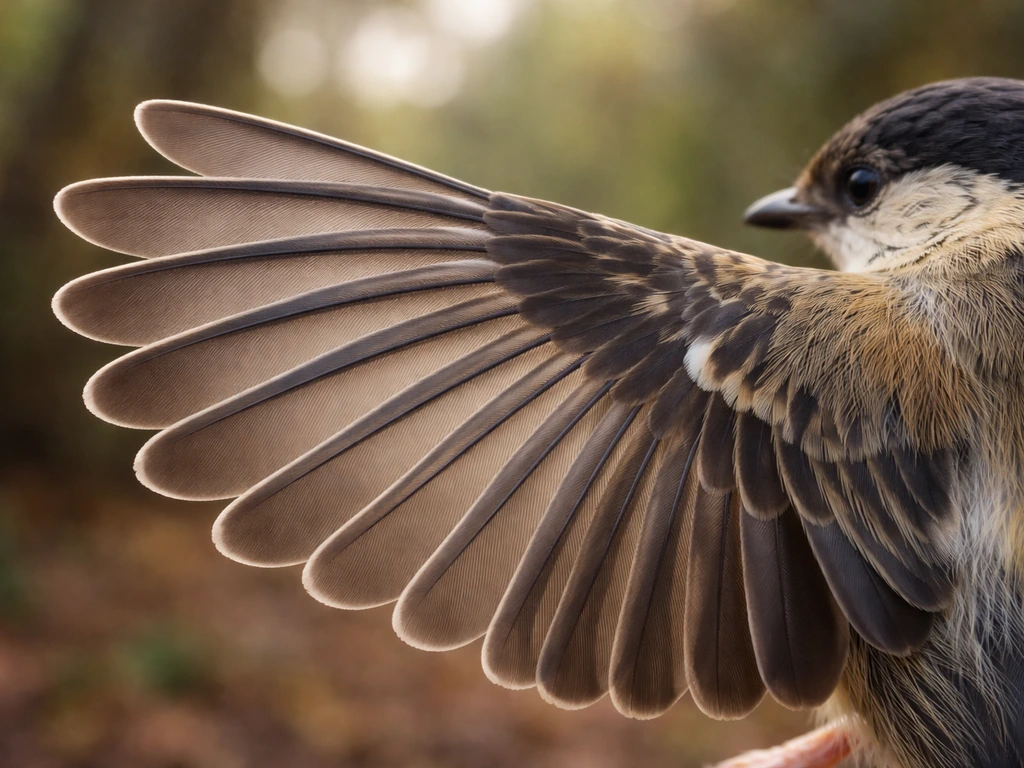
Pankh means wings AND feathers, here's why both are right
The word पंख is genuinely dual in meaning, and that's not a translation shortcut. It traces back through Prakrit to Sanskrit roots that originally referred to the wing as a whole structure. Over time, Hindi absorbed both senses: the full wing used for flight, and the individual feathers that make up the wing's surface. Collins Hindi-English dictionary lists both 'feather(s)' and 'wing(s)' as primary definitions. Wiktionary confirms the same two senses with full IPA pronunciation.
Think of it this way: in English, a 'wing' and a 'feather' are clearly different things. In Hindi, पंख holds both ideas at once, and speakers rely on the surrounding words, the action being described, or the object being discussed to make the meaning clear. This is actually quite common in Indian languages, where a single word carries a cluster of related meanings rooted in the same physical reality.
Quick translation guide: common bird pankh phrases in Hindi and English
| Hindi Phrase | Romanization | English Meaning | Notes |
|---|---|---|---|
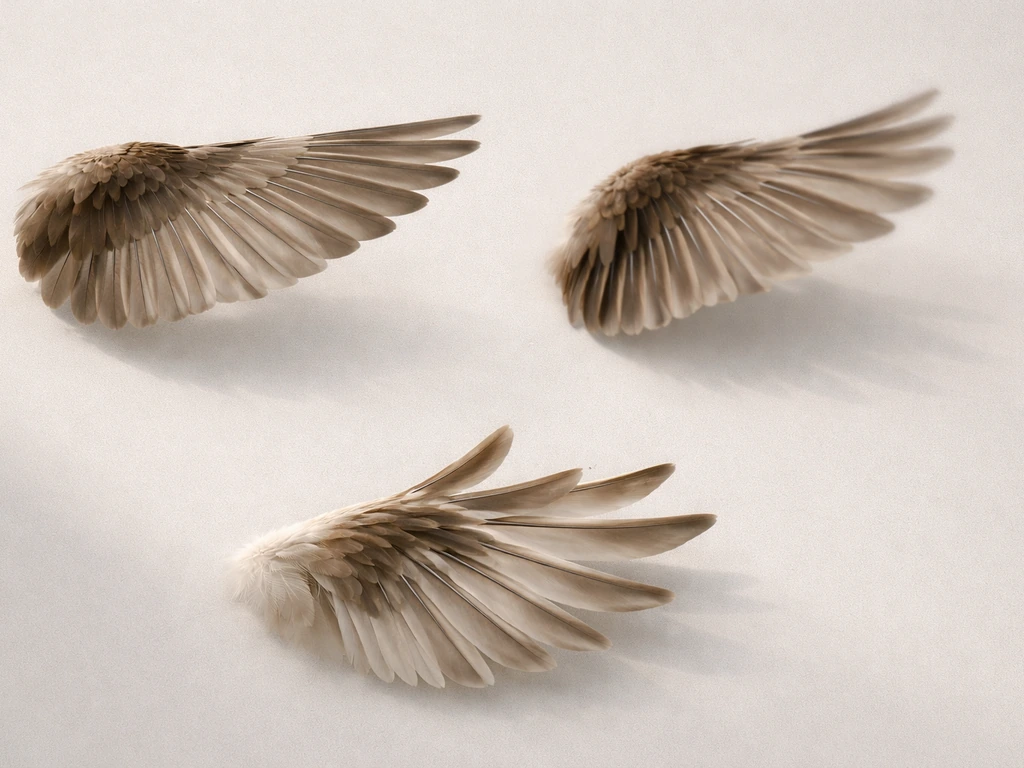
| पंख फैलाना | pankh phailana | To spread wings | Action of a bird opening its wings wide |
| पंख फड़फड़ाना | pankh phadphadana | To flap wings | Rapid wing movement before or during flight |
| पक्षी के पंख | pakshi ke pankh | Bird's feathers / bird's wings | Context decides: describing plumage = feathers; flight = wings |
| पंख लगना | pankh lagna | To grow wings / to sprout feathers | Used idiomatically to mean gaining speed, confidence, or freedom |
| पंख झड़ना | pankh jhadna | Feathers falling / moulting | Almost always feathers in this context |
| पंख उखाड़ना | pankh ukhadna | To pluck feathers | Refers to individual feathers being pulled out |
| पंखों पर उड़ना | pankhon par udna | To fly on wings | Wings, because the focus is on flight |
| रंगीन पंख | rangin pankh | Colorful feathers | Refers to plumage color, so feathers is the right translation |
How to pick the right English word every time
There are a few reliable context clues that tell you whether पंख should be translated as 'wings' or 'feathers' in any given sentence. Once you know what to look for, the choice becomes almost automatic.
When पंख means wings
- The sentence involves flight, movement, or direction (उड़ना, फैलाना, फड़फड़ाना)
- The subject is an insect, butterfly, or bird and the focus is on locomotion
- The phrase refers to both sides of the body symmetrically (as in 'spread both wings')
- A metaphorical meaning involving freedom, speed, or ambition is intended
When पंख means feathers
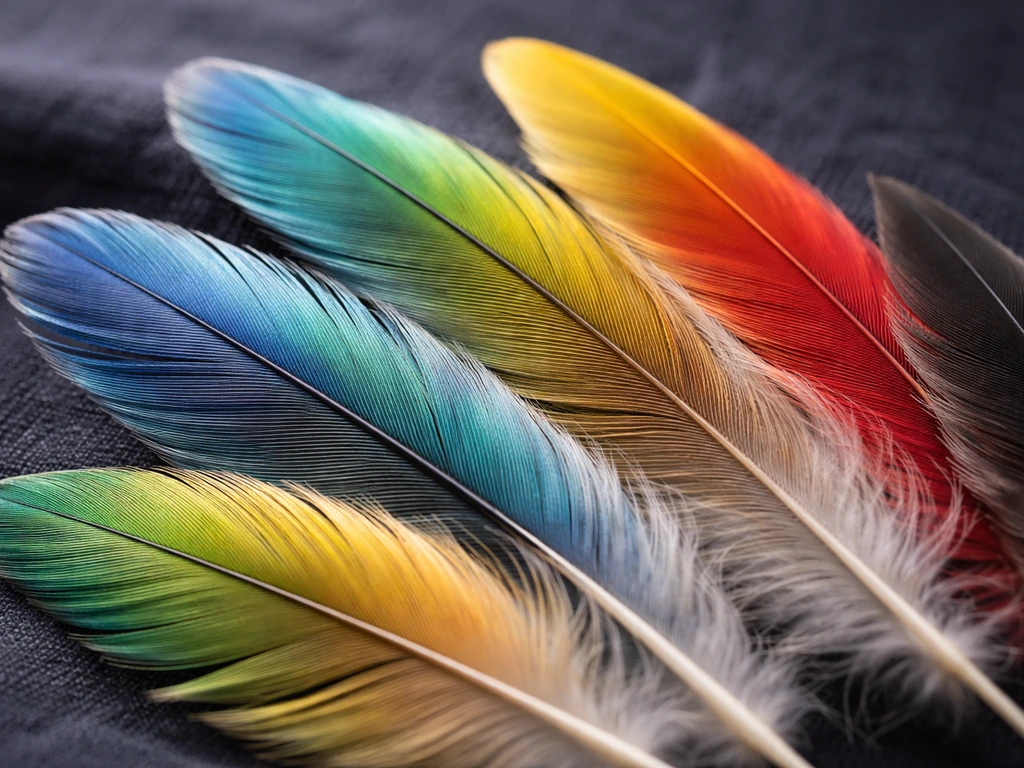
- The sentence involves color, texture, softness, or appearance of the plumage
- The action involves plucking, falling, collecting, or decorating
- The context is craft, ritual, or ornament (like a peacock feather in decoration or worship)
- Moulting or shedding is being described
A quick gut-check: if you can substitute 'plumage' or 'quill' and the sentence still makes sense, go with feathers. If the sentence is about flying or soaring, go with wings. In ambiguous cases (like 'pakshi ke pankh' standing alone), either translation is technically valid and you can note both.
How to pronounce and spell पंख correctly
The standard Hindi pronunciation is /pəŋkʰ/, which Wiktionary documents with full IPA. Breaking that down: the first syllable sounds like the 'pu' in 'pull' but shorter and more neutral, followed by a nasal 'ng' sound (like in 'ring'), and then a strongly aspirated 'kh' sound that has no clean English equivalent but is close to the 'ck' in 'back' said with a puff of air. The word is one syllable in natural speech, even though it carries a lot of phonetic complexity.
For romanization, you'll see several common spellings used across textbooks, apps, and informal writing:
| Romanization Variant | Where You'll See It | Notes |
|---|---|---|
| pankh | Most common informal usage | Standard simplified spelling; widely understood |
| paṅkh | Academic transliteration | The dot under ṅ marks the nasal; used in linguistic texts |
| pankha | Sometimes used in older texts | Adds a vowel at the end; can also refer to a hand fan |
| paankh / paaṅkh | Regional dialect variants | Represents the variant पाँख used in some Indic varieties |
| pañkh | Occasionally in Sanskrit-influenced writing | Less common; reflects Sanskrit ñ nasal cluster |
One spelling to watch out for: 'pankha' (पंखा) is a related but different word meaning 'fan' (the kind used for air circulation). If someone writes 'pankha,' they may be referring to a ceiling fan or hand fan, not a bird's wing or feather. Context and the presence of bird-related words nearby will clarify which they mean.
How the same idea appears across Indian languages
One of the most useful things you can learn if you're studying bird terminology across South Asian languages is that the concept behind पंख shows up in slightly different forms across Hindi, Sanskrit, Marathi, Punjabi, and Gujarati. Each language has shaped the word through its own phonological history, but the core meaning of wing or feather stays recognizable.
| Language | Word for Wing/Feather | Script | Pronunciation Notes |
|---|---|---|---|
| Hindi | पंख (pankh) | Devanagari | One syllable; aspirated kh ending; most common form |
| Sanskrit | पक्ष (paksha) / पत्र (patra) | Devanagari | Paksha means wing (also means 'side' or 'fortnight'); patra means feather or leaf |
| Marathi | पंख (pankh) / पीस (pis) | Devanagari | Pankh is shared with Hindi; pis specifically refers to a feather or quill |
| Punjabi | ਪੰਖ (pankh) / ਖੰਭ (khambh) | Gurmukhi | Khambh is very common in Punjabi for wing; pankh is also used |
| Gujarati | પાંખ (pankh) / પીંછ (pinchh) | Gujarati script | Paankh means wing; pinchh specifically refers to a feather, especially a peacock feather |
Sanskrit is the deepest root here. The word paksha (पक्ष) originally meant the wing of a bird and then expanded to carry meanings like 'side,' 'half-month,' and even 'faction' or 'party' in philosophical texts. Patra (पत्र) meant both feather and leaf, a beautiful linguistic parallel that the ancient Sanskrit grammarians noticed: both are flat, veined, and attached to a living body. These Sanskrit roots feed into all the regional forms you see in the table above.
If you're comparing bird-related terms across Indian languages more broadly, it's worth knowing that words for the beak (चोंच / chonch in Hindi) and bird calls follow similar patterns of shared roots with regional variation. If you're also wondering about the bird beak meaning in Hindi, the common word is चोंच (chonch). The same curiosity that leads someone to look up 'pankh' often leads them deeper into how parts of a bird's body are named across these languages.
What bird wings and feathers mean in Indian culture and spirituality
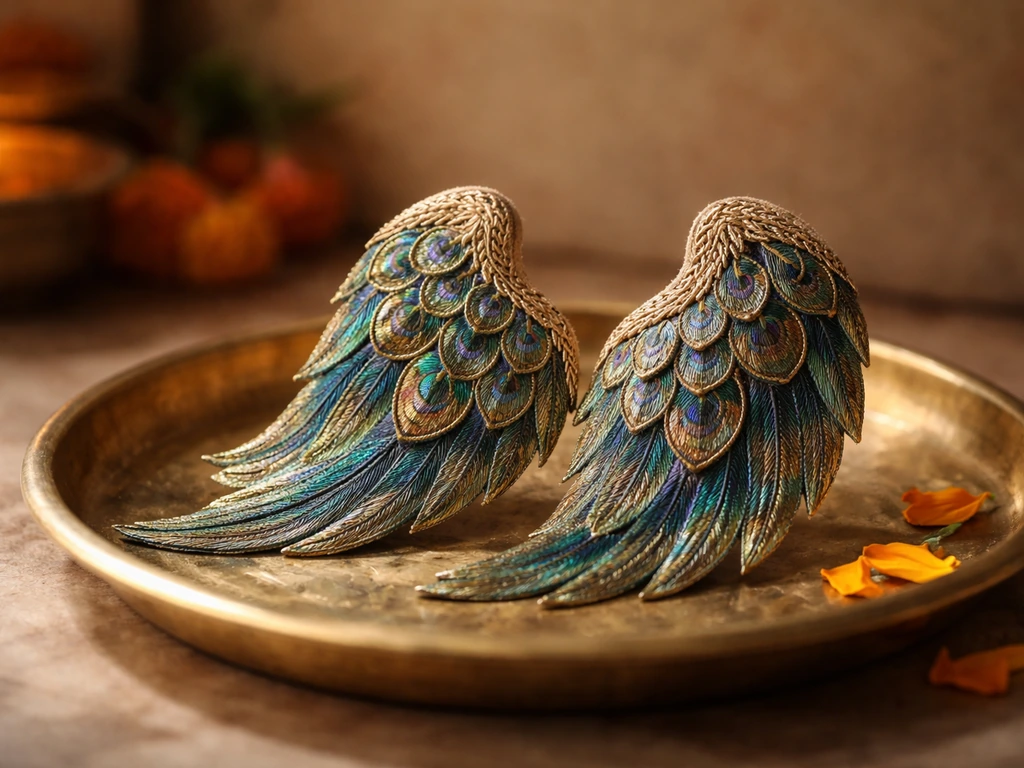
In Indian traditions, पंख is never just an anatomical feature. Wings and feathers carry profound symbolic weight across Hindu mythology, folk practice, Sikh imagery, and Sufi poetry. Understanding the cultural meaning behind the word gives you a much richer picture of why it appears so often in religious texts, songs, and idioms.
Freedom and the soul's journey
The most universal symbolic meaning of पंख across Indian languages is freedom. A bird in flight with wings spread wide is the oldest and most immediate metaphor for the liberated soul (mukta atma) in Hindu and Vedantic thought. The idiom 'pankh lagna' literally means 'wings have grown' but is used to describe someone who has gained independence, confidence, or an unexpected burst of energy. Sufi poets in Urdu and Hindi used the image of wings constantly to describe the ruh (soul) yearning to fly toward the divine.
Divine protection: Garuda's wings
In Hindu mythology, the most celebrated wings belong to Garuda (गरुड़), the eagle-deity who serves as the vehicle (vahana) of Vishnu. Garuda's pankh are described in the Puranas as vast enough to darken the sky and powerful enough to fan away evil. The spread of Garuda's wings became a symbol of divine protection, speed, and the triumph of dharma over the serpent-forces of adharma. Garuda's image with wings outstretched is used in temple iconography, royal seals, and even the national emblem of several South and Southeast Asian countries influenced by Hindu traditions.
The peacock feather and Krishna
No discussion of bird पंख in Indian symbolism can skip the morpankh (मोरपंख), the peacock feather. In Vaishnava tradition, Lord Krishna's morpankh worn in his crown is one of the most recognizable icons in all of Indian art. The peacock feather symbolizes divine grace, beauty, and the playful (leela) nature of the divine. In Gujarati folk traditions, the morpankh is used in devotional decorations during festivals like Janmashtami. In Marathi bhakti poetry, poets like Tukaram reference the peacock and its feathers as symbols of the soul adorned by devotion.
Feathers in Sikh tradition
In Punjabi and Sikh tradition, the bird metaphor runs deep in Gurbani (the sacred scriptures of Sikhism). The human soul is often compared to a bird (panchhi or panchi) whose wings carry it toward or away from the divine. The word khambh (ਖੰਭ) for wing appears in poetic passages describing spiritual elevation. Feathers also appear in the imagery of flight from the cycle of rebirth, with the Guru's grace being the wind beneath the wings.
Transformation and rebirth
Feathers falling (pankh jhadna) and new feathers growing carry the symbolism of transformation and renewal. This mirrors the natural moulting cycle of birds and connects to broader Indian ideas about death and rebirth, the shedding of the old self, and the emergence of something renewed. Folk healers and tantric practitioners in some regions used bird feathers in rituals meant to cleanse or transform, drawing on this symbolic logic of the feather as something between the earthly and the aerial.
Putting it all together: your ready-to-use cheat sheet
If you walk away with one thing, make it this: पंख (pankh) means 'wings' when the context is about flight, movement, or freedom, and it means 'feathers' when the context is about appearance, texture, plucking, or decoration. If you also want the meaning behind a related phrase, the bird peck meaning in Hindi is usually understood from the verb and context of pecking. Both translations are correct and dictionary-supported. The surrounding words in the sentence are your guide, and with the phrase table above you'll be able to handle the most common bird-related Hindi expressions without guessing. Whether you're reading a devotional text about Garuda's wings, translating a folk song about peacock feathers, or simply figuring out a line in a Hindi film, the principles here will serve you well. If you’re also wondering about the woodpecker bird meaning in Hindi, the same kind of context helps pin down the right sense pankh. If you meant the phrase related to bird beat meaning in hindi, tell me the exact wording and context so I can translate it precisely.
FAQ
In Hindi, how do I tell whether पंख means “wings” or “feathers” when the sentence is very short?
If the sentence mentions action or movement (उड़ना, उड़ान, उड़ती, उड़ते, फड़फड़ाना, उड़ान भरना), translate as “wings.” If it talks about visible covering, parts, or use as an item (पर, पंखों की झलक, तोड़ना/निकालना, सजावट, आभूषण), translate as “feathers.” When neither is present, you can safely give both in English (wings or feathers) and explain the choice briefly.
Does “bird pankh in english meaning” ever mean something other than wings or feathers?
For most standard usage, no. However, in poetry or idioms, पंख can be used metaphorically (freedom, spiritual ascent). In those cases, English usually needs a phrase like “wings” (as a symbol) rather than a literal “feathers,” even though the physical sense still traces back to both meanings.
What’s the correct translation for पंख लगना, does it mean literally feathers or wings?
It is an idiom, not a literal statement about anatomy. The natural English rendering is “to gain independence/confidence” or “to feel a surge of energy,” keeping “wings” only as the image. A literal “wings have grown” can work if you want to keep the metaphor, but idiomatic English typically needs the meaning rather than the exact words.
If someone writes पंख on a product label (like a “pankha” fan), how can I avoid confusion?
Check spelling and the attached word meaning. पंखा (pankha) is a different word meaning “fan” (device), while पंख (pankh) is “wing/feather.” Also, bird-related labels will often include terms like पक्षी, चिड़िया, मोर, or feathers/plumage cues, which disambiguate quickly.
How should I translate पंख in English when it’s used as a plural noun like पंखों?
Treat plural as the same core choice: पंखों for “wings” when describing flight or movement (पंखों से उड़ते), and पंखों for “feathers” when describing individual pieces or appearance (पंखों का रंग, पंखों की बारीक रेखाएं). If the sentence mixes both ideas, translate as “wings and feathers” or use “wing” with a short clarifier.
What should I do if I see the phrase सिर्फ पंख है (only “pankh” is written) without verbs?
If there is no verb or descriptive cue, you cannot prove one sense. The best practical approach is to look for nearby nouns (bird-related body part implies feathers, action context implies wings) and otherwise translate as “wings/feathers.” In translations, you can add a minimal note like “(wing or feather, context-dependent)” rather than forcing one meaning.
Is “pankh” used for feathers in religious or decorative contexts like morpankh (peacock feather)?
Yes. When the context names a specific bird feather (especially मोरपंख) or describes wearing, crown decoration, or festival decoration, English should use “peacock feather” or “feather” rather than “wing.” This keeps the cultural referent accurate.
Does the word for wing change in other languages, and does that affect English translation of पंख?
Other South Asian languages may use different roots for wing or feather, but for your Hindi word पंख, English translation does not depend on those regional equivalents. What matters is the immediate sense in the Hindi sentence. If you are translating across languages, validate each word in its own context, because some languages distinguish more clearly between wing and feather than Hindi does.
Next Article
Bird Peck Meaning in Hindi: Translation, Examples
bird peck meaning in Hindi: pecking, pecks at, pecked action और वाक्य उदाहरण, साथ ही शब्द चयन व tense guide