
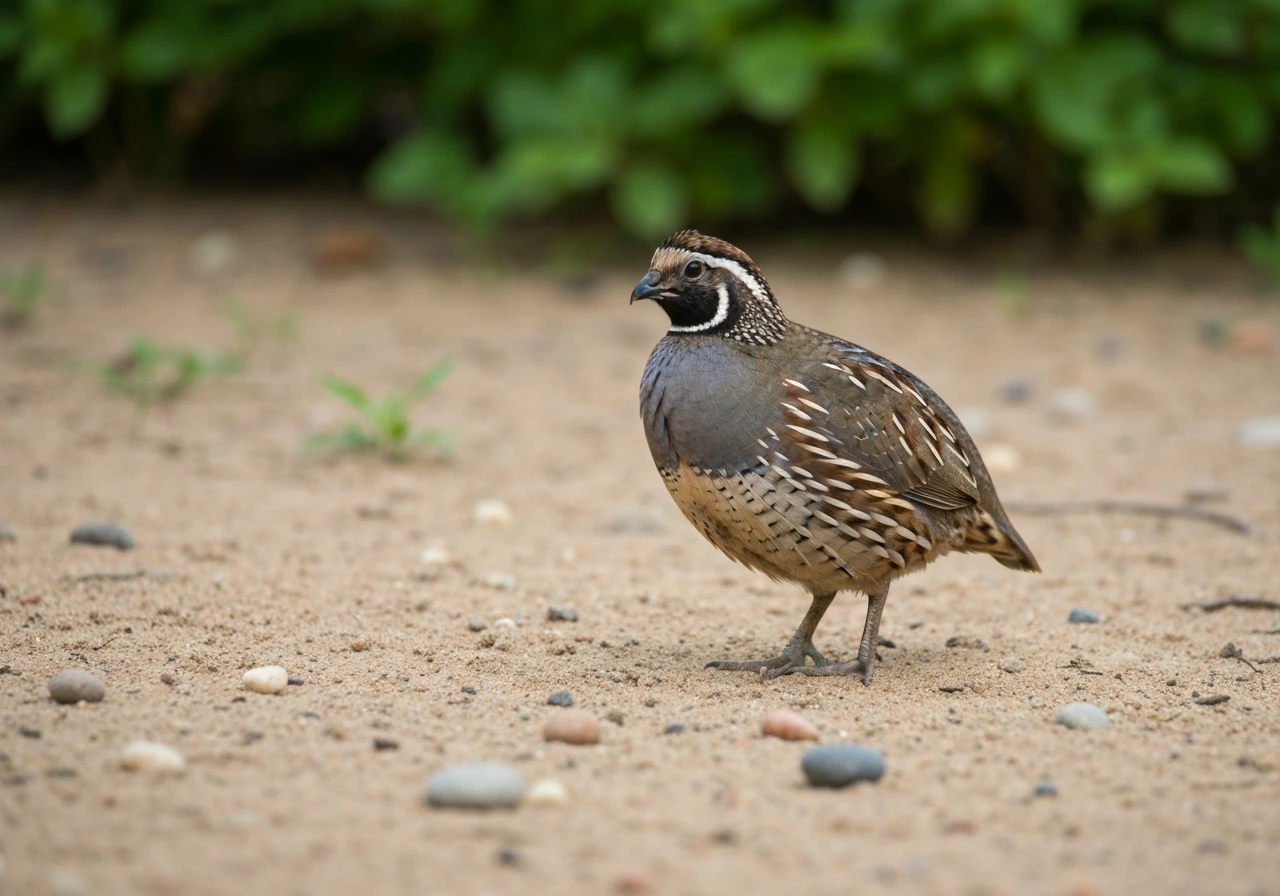
"Bater bird" in Marathi refers to the quail, and the correct Marathi (Devanagari) term is बटेर (pronounced baṭer). This is not a mythic bird or a rare regional creature. It is a small, ground-dwelling bird well known across Maharashtra and the rest of India, and the word बटेर is used in everyday Marathi, Hindi, and Urdu to mean quail. If you searched "bater bird meaning in Marathi," you were almost certainly looking for this word.
Bater Bird Meaning in Marathi: Name, Species, Symbolism

Rajesh Sharma
24 May 2026
What people usually mean by "bater bird"

"Bater" is a phonetic Roman-script spelling of बटेर. When speakers of Marathi or Hindi write bird names in English letters, the retroflex ट sound gets written in several ways: bater, batar, batair, or even batyer. All of these are pointing at the same Devanagari word: बटेर. The confusion comes from the fact that Marathi does not have a single standardized Roman transliteration system, so the same bird name looks different depending on who is writing it.
There is also a less common spelling variant "vartак" or "वर्तक" (vartak) that older Marathi texts use for quail, so you may occasionally see बटेर या वर्तक listed together as synonyms. For everyday modern Marathi use, बटेर is the dominant word and the one most people recognize instantly.
The direct Marathi meaning of बटेर
बटेर literally means quail in Marathi. It is used the same way in Hindi and Urdu, making it one of those pan-Indian common names that travelers across the subcontinent will recognize. In everyday Marathi speech, you might hear sentences like "बटेर शेतात दिसला" (a quail was spotted in the field) or references to बटेर अंडी (quail eggs) in a market or recipe context. The word is also used in technical and institutional bird checklists, where you will find entries like बड़ा बटेर for the Common Quail and वर्षा बटेर for the Rain Quail.
In written Devanagari, the word is spelled बटेर. The ब is "b", the ट is a retroflex "t" (heavier than the English t), the े is the "e" vowel mark, and the र is "r". So the pronunciation is roughly ba-TER, with a short a and a slightly rolled r. This is why Roman spellings like bater or bater land so close to the real word.
Which real bird is बटेर?
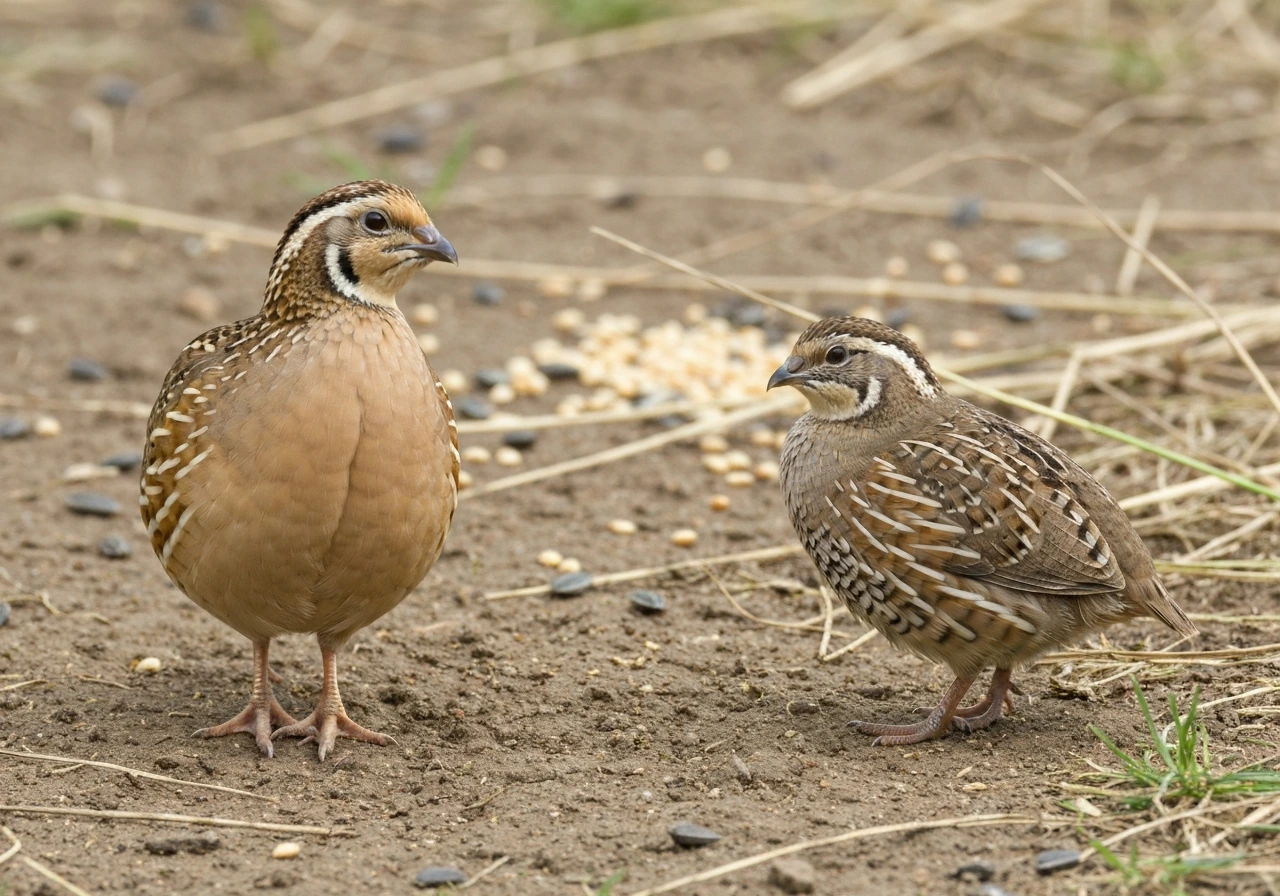
बटेर maps to quails in the family Phasianidae, and there are two species most commonly associated with the name in Maharashtra and across India. The Common Quail (Coturnix coturnix) is the most widely referenced, but the Rain Quail (Coturnix coromandelica), also called the Black-breasted Quail, is equally important regionally and is specifically listed under the Marathi/Hindi name वर्षा बटेर in ornithological surveys. A 1908 Journal of the Asiatic Society of Bengal entry actually uses the word "Bater" directly alongside the Black-breasted Quail (Coturnix coromandelica), confirming that this phonetic form of the name has been in documented use for well over a century.
The quail is a small, plump, ground-hugging bird. It rarely flies long distances and spends most of its time foraging in grasslands, agricultural fields, and scrub. In Maharashtra, it is a familiar sight near farmland during the monsoon and post-monsoon season, which is why the Rain Quail carries the वर्षा (rain/monsoon) prefix in its name.
| Common Name | Marathi/Hindi Name | Scientific Name | Notes |
|---|---|---|---|
| Common Quail | बड़ा बटेर / सामान्य लावा | Coturnix coturnix | Most widely referenced quail in Indian bird lists |
| Rain Quail (Black-breasted Quail) | वर्षा बटेर | Coturnix coromandelica | Monsoon-season quail; historically called 'Bater' in colonial records |
| Button Quail | लावा (varied regional names) | Turnix spp. | Smaller, unrelated family; sometimes confused with true quails |
Cultural symbolism of the quail in Marathi and Hindu traditions
The quail does not carry the grand mythological weight of a Garuda or a peacock, but it holds a quiet, grounded place in Indian folk tradition. In rural Maharashtra, the quail is associated with the monsoon season and the return of fertility to the land. Spotting a quail in the fields around the time of Ashadh (June-July) is considered a sign that the rains will be good. Its seasonal appearance makes it a natural folk calendar marker for farming communities.
In the broader Hindu cultural context, small ground birds like the quail often represent humility, caution, and the virtue of staying low and unnoticed. Unlike the crane (बगळा) that stands tall or the eagle (गरुड) that soars, the quail's habit of crouching, hiding in grass, and running before flying has inspired idioms and proverbs about prudence and survival instinct. In some folk sayings, the quail is used as a metaphor for someone small but resourceful.
The quail also has a practical cultural dimension: quail meat and quail eggs (बटेर अंडी) have been part of Indian cuisine and folk medicine for centuries. ‘Krishi Purbi Kiran-3’ या हिंदी कृषि-तांत्रिक PDF मध्ये ‘बटेर’ या पक्ष्याच्या अंडी व मांस यांसारख्या उत्पादन-विषयक माहितीचा उल्लेख असल्याचे दिसते (बटेर हा फक्त भाषिक शब्द नसून पक्षी-उद्योग/पालनाशी संबंधित ओळखलेला शब्द असल्याचा आधार) बटेर अंडी व मांस. Ayurvedic texts mention quail eggs as nourishing and easy to digest. This culinary familiarity keeps the word बटेर firmly embedded in everyday Marathi vocabulary, not just in bird-watching or literary contexts.
Is there a mythological or legendary "bater" bird?
Bater / बटेर does not appear in Hindu mythology as a legendary or divine bird. It is not associated with any deity the way the peacock is linked to Kartikeya or the swan (हंस) is linked to Saraswati or Brahma. If you came across "bater" in a mythological or spiritual context, it is likely being used as a folk or regional reference to the common quail in a story or parable, not as a mythic creature in its own right.
The birds that do carry legendary status in Marathi and Sanskrit tradition include the Garuda (गरुड), the Kakatuṇḍī (a crow-like figure), and the Chakravak (चक्रवाक, the Brahminy duck) among others. The quail, for all its cultural familiarity, stays firmly in the realm of real birds rather than mythic ones. So if someone used "bater bird" in a mythological sentence, they were probably speaking poetically about the actual quail, not invoking a separate legendary bird.
How to verify the correct bird term today
The fastest way to confirm बटेर is correct for what you are looking for is to cross-check it across a few reliable sources. Here is a practical approach:
- Check a Marathi-English dictionary: Online dictionaries like the Shabdkosh Marathi-English dictionary list बटेर with the meaning 'quail' directly. This is the quickest confirmation.
- Use the Rekhta Dictionary: Rekhta covers Urdu and Hindi words with Devanagari script. It lists बटेर as 'the quail' and even references Perdix olivacea (an older taxonomic name), confirming the historical depth of the term.
- Look at institutional bird checklists: The BNHS (Bombay Natural History Society) bird checklists and biodiversity surveys from Maharashtra list both बटेर and वर्षा बटेर alongside scientific names. These are the most authoritative sources for Marathi bird names.
- Search in Devanagari, not Roman: Type बटेर directly into a search engine. Results in Devanagari will be more accurate than searching 'bater bird' in Roman script, which can pull up unrelated results.
- Check regional variants: If you are in a specific part of Maharashtra, local names may vary slightly. In some areas, quail is also called लावा (lava) or वर्तक (vartak). If a local speaker uses a different word, these are the likely alternatives.
Quick glossary: quail and related bird terms in Marathi
| Marathi Term (Devanagari) | Roman Transliteration | English Meaning | Notes |
|---|---|---|---|
| बटेर | Baṭer | Quail (general) | The most common Marathi/Hindi term for quail |
| वर्षा बटेर | Varsha Baṭer | Rain Quail / Black-breasted Quail | Coturnix coromandelica; monsoon-season species |
| सामान्य लावा | Sāmānya Lāvā | Common Quail | Alternative Marathi name used in some checklists |
| वर्तक | Vartak | Quail (older/literary usage) | Found in older Marathi texts alongside बटेर |
| लावा | Lāvā | Quail / Lark (context-dependent) | Regional variant; also used for larks in some areas |
| पक्षी | Pakṣī | Bird (general) | General Marathi word for bird, from Sanskrit |
| गरुड | Garuḍ | Eagle / Garuda | Mythic divine bird, vehicle of Vishnu |
| हंस | Haṃs | Swan / Goose | Associated with Saraswati and Brahma in Hindu tradition |
If you are exploring other Marathi bird names alongside बटेर, it is worth knowing that Marathi has a rich vocabulary for birds ranging from the everyday crow (कावळा) to more specialized terms. Related searches like the meaning of the black kite in Marathi or what a robin bird is called in Marathi follow the same pattern: a phonetic Roman spelling that leads back to a clear Devanagari term with both a literal meaning and a cultural layer. If you meant the black kite, check its exact Marathi name in the same way you confirmed बटेर from phonetics black kite in Marathi. If you are looking for the black kite bird meaning in Marathi, you can use the same approach: identify the Devanagari term and the bird it refers to. If you meant the robin bird meaning in Marathi, you can use the same phonetic-to-Devanagari check to find the correct local name. The process of verification is the same for all of them.
FAQ
If I type bater bird in Roman letters, what is the exact Marathi word I should look for?
Use बटेर (Devanagari) rather than a Roman spelling. Roman forms like bater, batar, batair usually correspond to the same retroflex ट sound, so when in doubt, switch your search to the Devanagari word बटेर.
Does बटेर mean one specific quail species, or several types?
Yes, बटेर can refer to quails broadly, but two species often come up in Maharashtra. Common Quail and Rain Quail may both be discussed under quail/बटेर, so check whether the context mentions monsoon or the species-specific Marathi name (जसे वर्षा बटेर).
Is वर्तक (vartak) also correct, and will people still understand it today?
The variant वर्तक or vartak appears in older Marathi usage, but it is not the dominant modern day term. For current Marathi, recipes, markets, and everyday speech typically use बटेर.
How can I tell whether “bater” in a sentence means quail or something else?
Because Marathi transliteration into English varies, the safest approach is phonetic matching plus context. If the sentence includes quail eggs (बटेर अंडी) or farmland foraging, it almost certainly points to the real bird बटेर, not a mythic creature.
What if someone says “bater bird” in a mythological or spiritual context, is it still quail?
If you see “Bater Bird” in a spiritual or mythological caption, it is usually poetic shorthand for quail behavior (hiding, staying low) rather than a separate deity-linked bird name. The quail itself is not treated as a standalone legendary bird in mainstream Marathi mythic lists.
What search keywords can help me confirm the exact meaning of बटेर online?
When searching online, try combining the Marathi word with context terms. For example, add eggs (अंडी), farm/fields (शेतात), or monsoon (पावसाळा) to quickly filter results to the correct bird meaning.
Why do I see multiple English spellings like batar and batyer for the same bird?
Check spellings and pronunciation cues. ट in बटेर is a retroflex “t”, so some writers overcompensate in Roman script (batar/batyer). The Devanagari spelling stays the reliable reference.
How do I differentiate Common Quail vs Rain Quail when both are called बटेर?
Bird checklists and surveys sometimes use the same common root (बटेर) but add qualifiers to distinguish species. If the text mentions वर्षा, it is pointing toward Rain Quail (Coturnix coromandelica) rather than the general Common Quail.
Next Articles

Early Bird Meaning in Marathi with Hindi Urdu Examples
Marathi अर्थांसह early bird आणि early bird discount समजून घ्या, Hindi Urdu उदाहरणे व वापर.
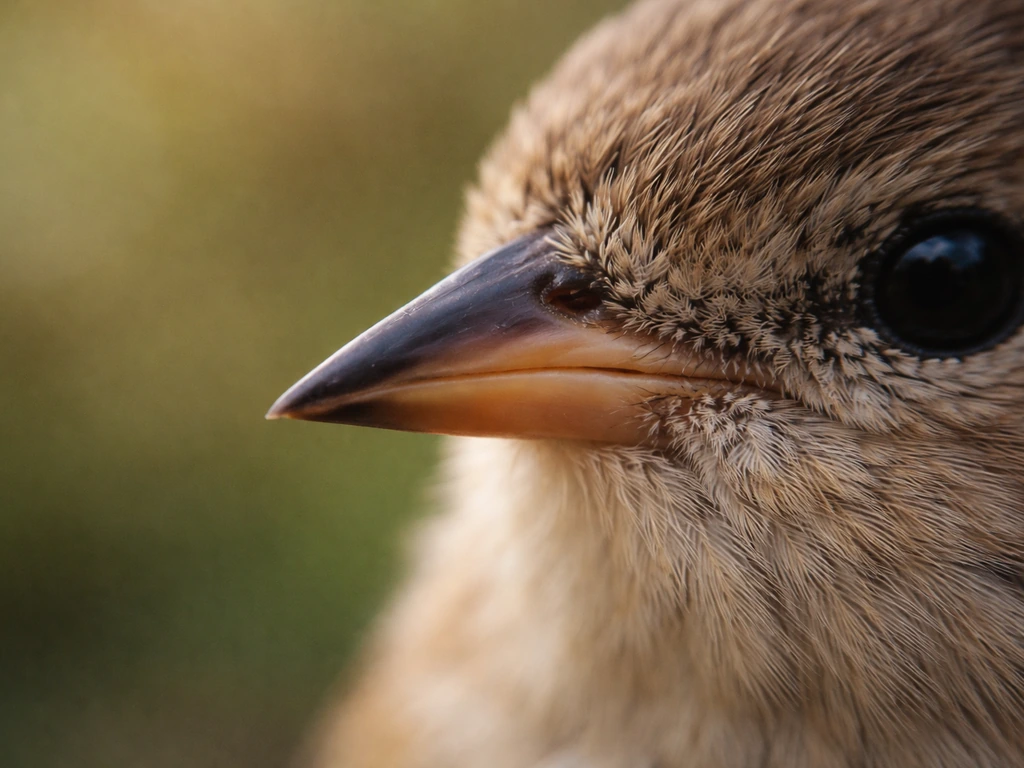
Bird Beak Meaning in Hindi: Chonch, Bill, Pronunciation
Bird beak in Hindi chonch or bill, pronunciation, examples, beak vs bill differences, and figurative Hindi use
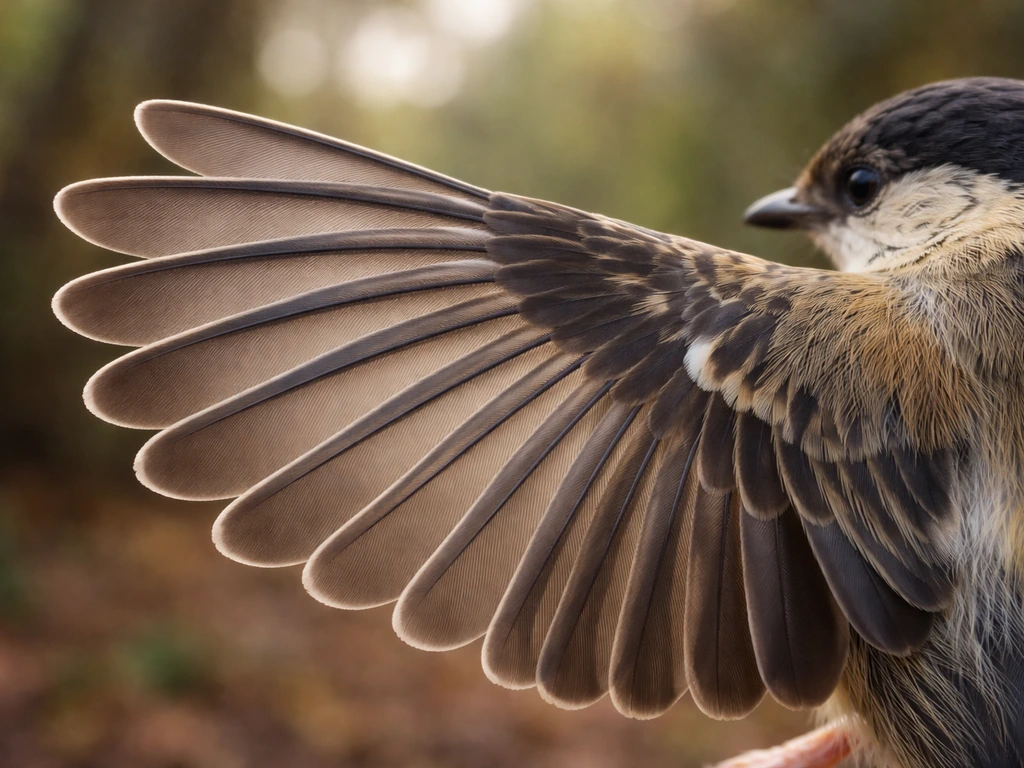
Bird Pankh in English Meaning: Wings or Feathers?
Learn bird pankh in English meaning: pankh means feathers or wings, with context rules, examples, and regional equivalen