
The Marathi word for bat (the nocturnal flying mammal people call 'bat bird') is वटवाघूळ (vatavaghuḷ). This is the standard, dictionary-confirmed term you will find in Shabdkosh and the Cambridge English-Marathi Dictionary alike. It covers all bats: the small insect-eating bats you see darting around at dusk, the large fruit bats hanging from banyan trees, and everything in between. There is no separate Marathi word for 'bat bird' as a distinct creature because a bat is not a bird at all, it is a mammal, but the confusion is extremely common, and there are a handful of related terms and mix-ups worth knowing.
What is Bat Bird Called in Marathi and Hindi Names

Rajesh Sharma
4 Jun 2026
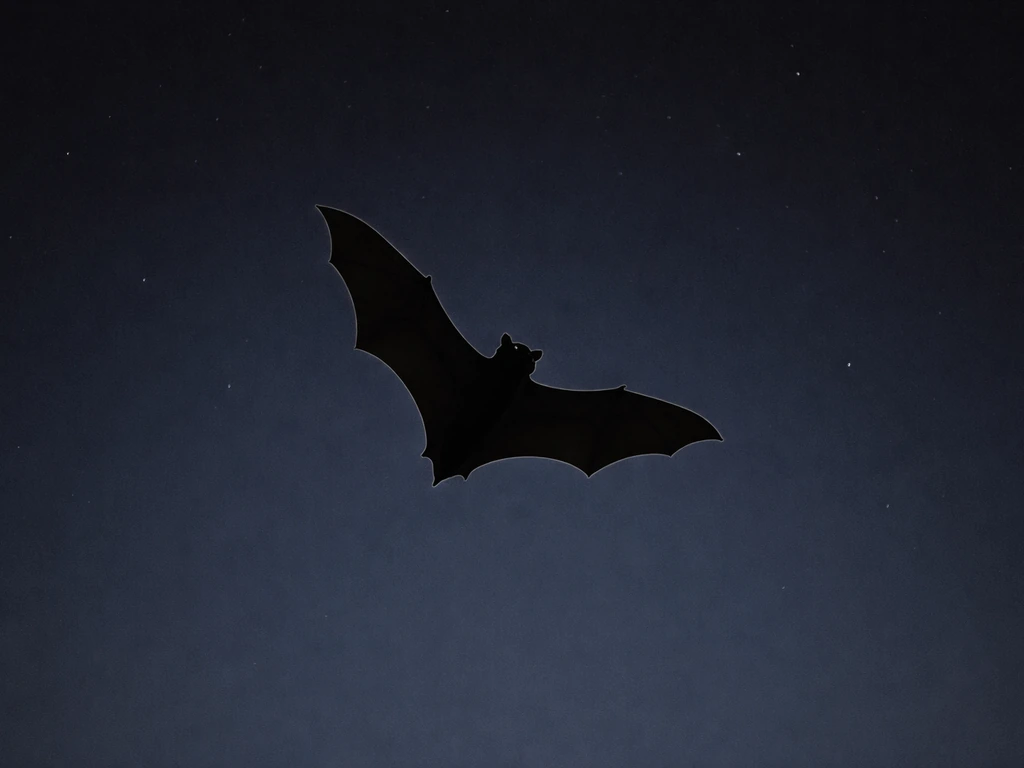
The direct Marathi answer
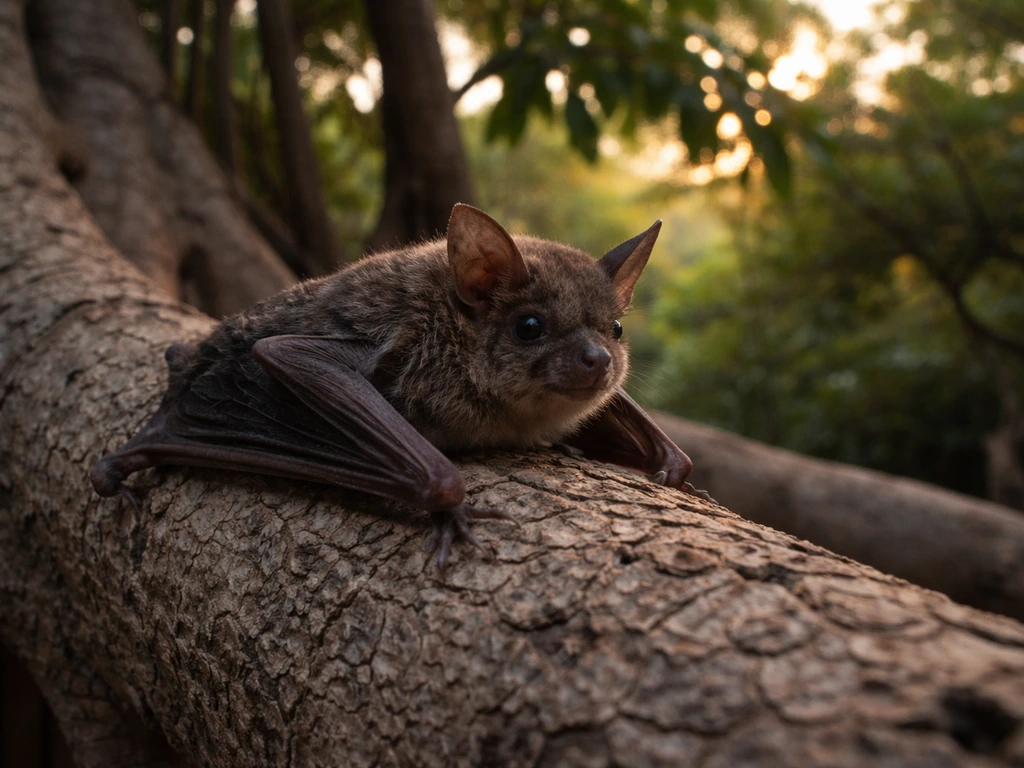
वटवाघूळ (vatavaghuḷ) is your word. Break it down and it almost tells its own story: 'vata' connects to the banyan tree (वट), 'vaghul' carries a sense of something wild or roaming. The full word paints a picture of the creature hanging from trees and swooping through the dark. Pronunciation tip: say it as 'vut-vaa-ghool,' with the stress roughly even across all three syllables. If you are looking for the fruit bat specifically (the large flying fox you see in colonies at dusk), some speakers and naturalist texts use मोठा वटवाघूळ (moṭhā vatavaghuḷ), literally 'big bat,' though वटवाघूळ alone is understood to cover that too.
| Term | Language | Meaning / Usage |
|---|---|---|
| वटवाघूळ (vatavaghuḷ) | Marathi | Bat (all species, insectivore and fruit bat) |
| मोठा वटवाघूळ | Marathi | Fruit bat / flying fox (informal distinction) |
| चमगादड (chamgādaḍ) | Hindi | Bat (standard Hindi term) |
| Bat / Chiroptera | English / Scientific | The mammalian order of bats |
The Hindi equivalent, and why the two languages feel different
In Hindi, the bat is called चमगादड (chamgādaḍ). The word sounds almost onomatopoeic and is instantly recognisable across North and Central India. If you are asking this question partly because you wanted the Hindi name alongside the Marathi one, there it is. But the two words carry slightly different cultural weight. Hindi speakers tend to associate चमगादड more directly with superstition, darkness, and haunted spaces, partly because Urdu-influenced horror storytelling leaned on it. Marathi speakers using वटवाघूळ are just as likely to be talking about the practical, everyday creature roosting in their mango orchard. The animal is identical; the emotional flavour of the word differs by region and by the stories people grew up hearing.
Sanskrit gives us वल्गुली (valgulī) or जतुका (jatukā) for bat, terms that appear in classical texts and that you may encounter if you dig into older Marathi or Sanskrit literature. These are not used in daily conversation today, but they matter if you are cross-referencing ancient texts or trying to trace the linguistic roots of the word.
What 'bat bird' actually refers to, animal, bird, or myth?
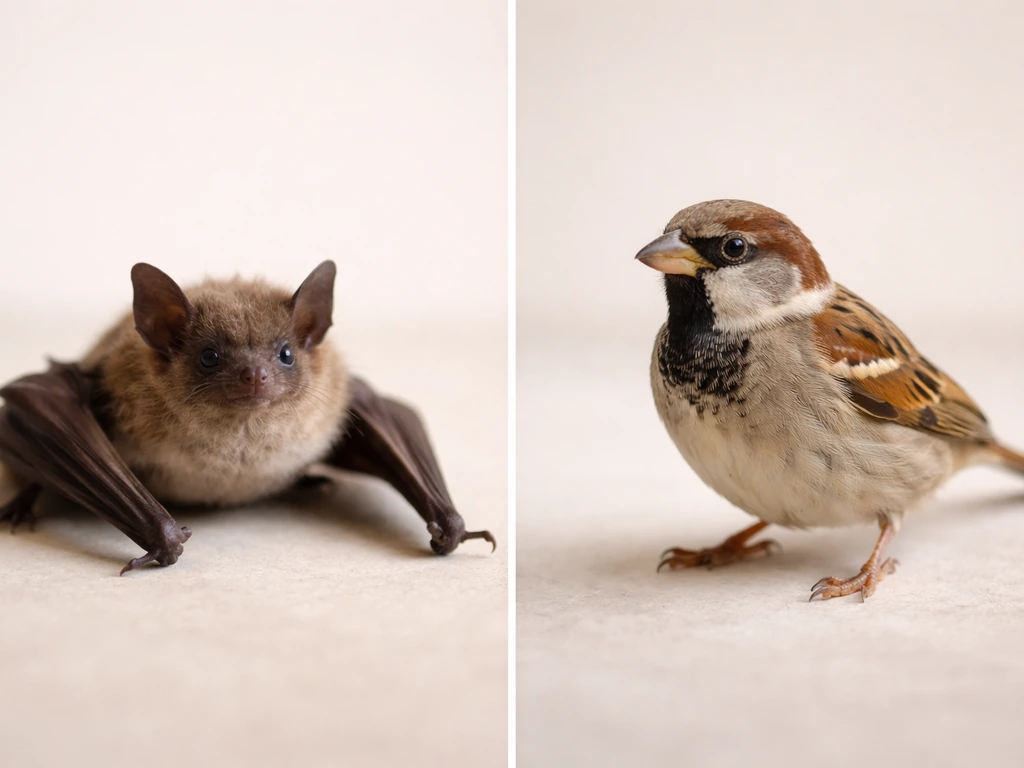
This is the core confusion worth untangling. A bat is not a bird. It is a mammal of the order Chiroptera, the only mammal capable of true sustained flight. When someone searches for 'bat bird,' they usually mean one of three things: If you were specifically searching for bater bird meaning in marathi, this is the kind of confusion where people may be pointing to the bat (वटवाघूळ) or to a similarly seen night bird like the nightjar.
- The bat itself (वटवाघूळ in Marathi, चमगादड in Hindi) — this is the most common intent by far.
- A bird that looks or behaves like a bat — most often the nightjar (रात्र-पक्षी or चातक-जातीचा पक्षी), which is a nocturnal bird that flies low at dusk and is frequently mistaken for a bat by casual observers.
- A mythological or folk creature — some regional folk traditions describe bat-like beings in stories, but there is no single well-established 'bat bird' as a named mythological creature in mainstream Hindu or Marathi tradition the way Garuda or the owl are.
If the reader is a naturalist or birdwatcher, the nightjar is the bird most likely being confused with a bat. In Marathi, the Indian nightjar is sometimes called रात्र-चटक or just 'nightjar,' since a well-established everyday Marathi name for it is not as universally standardised as वटवाघूळ is for the bat. If you are on a bird identification mission rather than a language one, that distinction matters.
Common confusions and how to sort them out
Several terms get tangled up in everyday usage, and it helps to know each one clearly before using it in conversation or writing.
| Confusing Term | What People Think It Means | What It Actually Is |
|---|---|---|
| वटवाघूळ | A bat-like bird | A bat (mammal, not a bird) |
| Fruit bat / flying fox | A type of large bird | Still a bat (मोठा वटवाघूळ in Marathi) |
| Nightjar | A kind of bat | A nocturnal bird, not related to bats |
| Owl (घुबड, ghubad) | Sometimes called 'bat bird' colloquially | A separate nocturnal bird with its own Marathi identity |
| Vampire bat | An Indian creature from local folklore | Not native to India; found only in the Americas |
The owl (घुबड) deserves a special note here. In rural Marathi conversation, people sometimes group owls and bats together as 'night creatures' and occasionally use loose terms. But घुबड and वटवाघूळ are completely different animals, and mixing them up in writing or formal speech will cause real confusion.
If you are exploring other bird names in Marathi, topics like the kite bird in Marathi or the black kite's Marathi name show how precisely regional languages distinguish between birds that look superficially similar. If you want to pin down a different “bird” term in Marathi, search for the kite bird meaning in Marathi for the specific wording.
If you’re also curious about the black kite bird meaning in Marathi, you can similarly look for the exact local name and the context people use it in kite bird in Marathi.
Bats in Indian cultural and symbolic tradition
Bats do not enjoy the rich mythological spotlight that birds like the crow, owl, or eagle (Garuda) have in Indian traditions. Still, they are not symbolically invisible. In many parts of Maharashtra and across India, the bat is considered an indicator of coming rain or changing weather, farmers and villagers have long observed bat activity at dusk as a seasonal signal. The animal is also associated with the in-between: neither fully of the night nor the day, neither bird nor typical ground animal. This liminal quality shows up in folk sayings.
There is a well-known Hindi and Marathi idiom that describes someone trying to belong to two incompatible worlds: 'न घर का, न घाट का' (neither here nor there), and the bat sometimes features as a symbol of this ambiguity in folk stories, the creature that claimed to be a bird when the birds were at war with animals, and an animal when the reverse was true. This story appears across cultures, including Indian folk retellings, and it explains why the bat carries a faint association with trickery or adaptability depending on the storyteller.
In Vastu Shastra and some folk beliefs, bats roosting inside a home are considered an inauspicious sign, while bats in trees or gardens are seen as neutral or even beneficial (since they pollinate fruit trees and control insects). The symbolic meaning is closely tied to proximity, where the bat is, not just what it is. This is a good example of how the name वटवाघूळ carries layered meaning beyond simple taxonomy, something you see across Indian bird and animal terminology.
How to confirm the right word in any context

If you want to be sure you are using the right Marathi or Hindi term for what you have in mind, here is a practical approach that works every time.
- Start with context: Is it a mammal (flies at night, has wings, gives birth to live young)? Then वटवाघूळ (Marathi) or चमगादड (Hindi) is correct.
- Check Shabdkosh.com: Search 'bat' in English-to-Marathi mode. The top result will be वटवाघूळ with its pronunciation guide and example sentences.
- Use Cambridge Dictionary online: The English-to-Marathi entry for 'bat' confirms वटवाघूळ with the definition 'a small animal like a mouse with wings that flies at night.'
- If you are describing a fruit bat specifically, add मोठा (moṭhā, meaning 'large') before वटवाघूळ to clarify.
- If you are looking for a bird (not a mammal), check whether 'nightjar' or 'owl' matches your description — both have separate Marathi names.
- When writing formally (academic, journalistic, or literary Marathi), you can add the scientific note 'Chiroptera' in parentheses the first time you use the term, which removes all ambiguity for readers.
One more practical tip: if you are searching in Marathi script online, type 'वटवाघूळ' directly into Google or any dictionary app. The results will confirm both the meaning and common usage examples in seconds. Regional variations exist, some dialects in Vidarbha or Konkan may use slightly different pronunciations, but the spelling and the word itself are consistent across standard Marathi.
The bottom line is simple: वटवाघूळ is the word you need in Marathi, चमगादड is the Hindi parallel, and neither refers to a bird. If you were genuinely looking for a bat-like bird, the nightjar is your closest match in the real world, and that search takes you into proper ornithology territory. For anyone exploring how Indian languages handle nocturnal creature names, this is a fascinating corner of the language, where biology, folk memory, and regional vocabulary all meet in a single word. If you meant the phrase used in Marathi, check the early bird meaning in Marathi to understand how it is used and translated in daily conversation.
FAQ
Can I use “bat bird” in Marathi for writing or schoolwork, or should I use only the correct term?
If you are translating for a classroom, label it as “bat (mammal)” not “bat bird.” Use वटवाघूळ for bat, and if you mean a bird with a similar appearance at night, use the appropriate bird name like रात्र-चटक (Indian nightjar), because “nightjar” and “bat” are not interchangeable in identification contexts.
What Marathi word should I use if I mean a fruit bat specifically, not all bats?
In everyday Marathi, वटवाघूळ generally covers both insect-eating bats and large fruit bats. The specific qualifier “मोठा वटवाघूळ” is useful only when you need to emphasize the big fruit bats, for example when talking about colonies hanging from banyan trees.
If I’m birdwatching and someone says “bat bird,” how do I tell whether they mean nightjar or a bat?
The word “nightjar” is the practical safeguard for confusion. For Marathi speakers, nightjar names like रात्र-चटक show up in local usage, while वटवाघूळ will refer to a bat regardless of season. So for birdwatching, start by matching behavior (bird with a bird flight pattern) rather than the term alone.
Do the older Sanskrit/ancient terms like वल्गुली still work in modern Marathi conversations?
Yes. In Sanskrit or older Marathi contexts, you might encounter older forms like वल्गुली (valgulī) or जतुका (jatukā), but they are not the words most people will recognize in daily conversation. If your goal is clear communication today, prefer वटवाघूळ in Marathi and चमगादड in Hindi.
How can I avoid spelling or typing mistakes when searching “what is bat bird called” online in Marathi?
When searching online or in WhatsApp conversations, you may see spelling variations based on how people romanize. In Marathi script, typing वटवाघूळ directly is the best way to avoid mismatches. If you must type in English letters, include the Marathi script copy as your reference.
Do folk beliefs affect the meaning, like whether bats are “good” or “bad” depending on where they roost?
In Vastu or folk belief discussions, the meaning can change depending on whether the bat is inside the home or roosting in trees or gardens. If you are asking for practical advice, focus on location and safety. For any real-life bat entry into a house, treat it as wildlife management, not a language question.
Is it acceptable to group bats and owls together as “night creatures” when speaking Marathi, or is that misleading?
Some people may use broad phrases like “night creatures” loosely. If you are writing formally, separate animals clearly: घुबड is an owl, and वटवाघूळ is a bat. Avoid grouping them together unless you are quoting colloquial speech.
If someone uses a vague term, how can I quickly confirm whether they mean a bat or a similar-looking bird?
If you are trying to translate a phrase people use informally, confirm the referent by asking one follow-up question: “Are you talking about the animal that flies like a mammal and hangs upside down?” That will reliably distinguish वटवाघूळ (bat) from nightjar, which is a true bird.