
If you searched for 'love bird meaning in Hindi,' you are probably asking one of two very different questions: either you want to know what the actual lovebird parrot species is called in Hindi, or you have encountered the phrase 'love bird' used romantically and want to understand its Hindi equivalent. These are genuinely separate things, and mixing them up leads to real confusion. This guide answers both, and then covers the most common 'X bird' phrases people search alongside this topic: bat, wise, little, hen, duck, and bulbul.
Love bird meaning in Hindi: bat wise bulbul hen duck meanings

Rajesh Sharma
22 Apr 2026
How to say 'bird' in Hindi
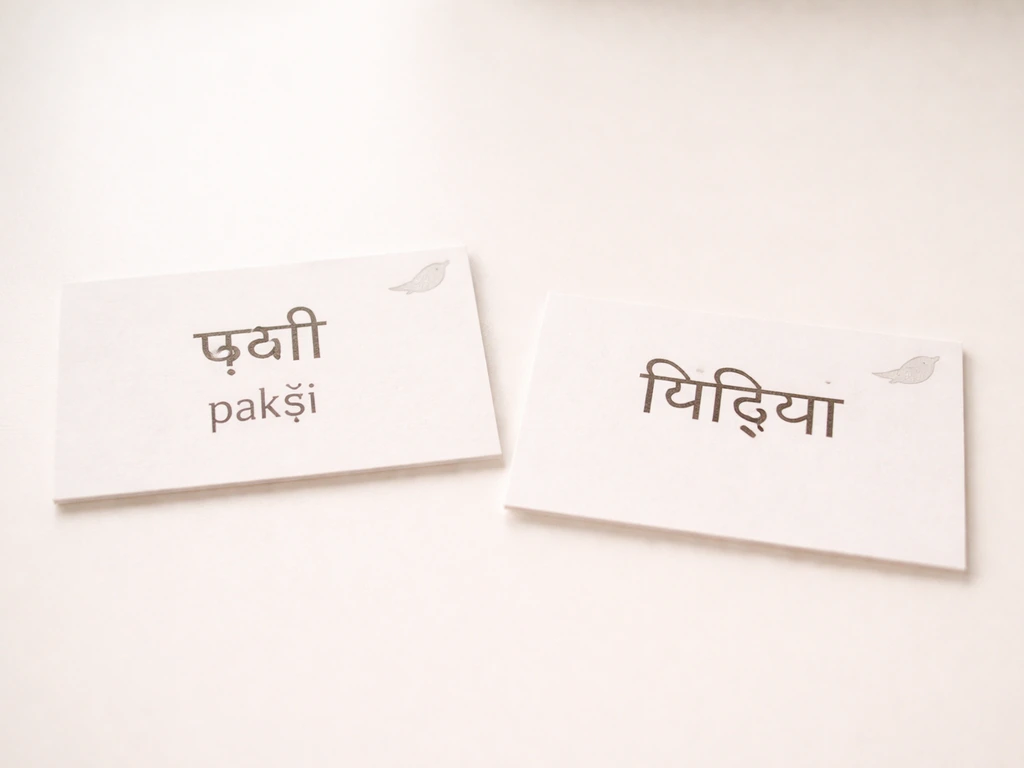
Hindi has two everyday words for bird, and both are correct depending on context. The first is पक्षी (pakṣī), the standard, formal, and gender-neutral term used in writing, textbooks, and formal speech. The second is चिड़िया (chiḍiyā), a feminine noun that is far more common in everyday spoken Hindi. When a child points at a sparrow, they say 'चिड़िया,' not 'पक्षी.' A third word, पंछी (pañchī), appears more in poetry, folk songs, and regional speech, especially in rural northern India.
| Hindi Word | Transliteration | Register / When to Use |
|---|---|---|
| पक्षी | pakṣī | Formal writing, textbooks, general/standard Hindi |
| चिड़िया | chiḍiyā | Everyday spoken Hindi, colloquial, emotional contexts |
| पंछी | pañchī | Poetry, folk songs, rural speech, devotional lyrics |
For most practical purposes, if you want to say 'that is a bird' in Hindi, you would say 'वह एक पक्षी है' (vah ek pakṣī hai) in formal or written Hindi, or 'वह एक चिड़िया है' (vah ek chiḍiyā hai) in casual speech. The sentence structure is straightforward: subject (वह = that/it) + article (एक = a/one) + noun (पक्षी/चिड़िया) + है (hai = is).
'Love bird' meaning in Hindi: the parrot species vs the romantic phrase
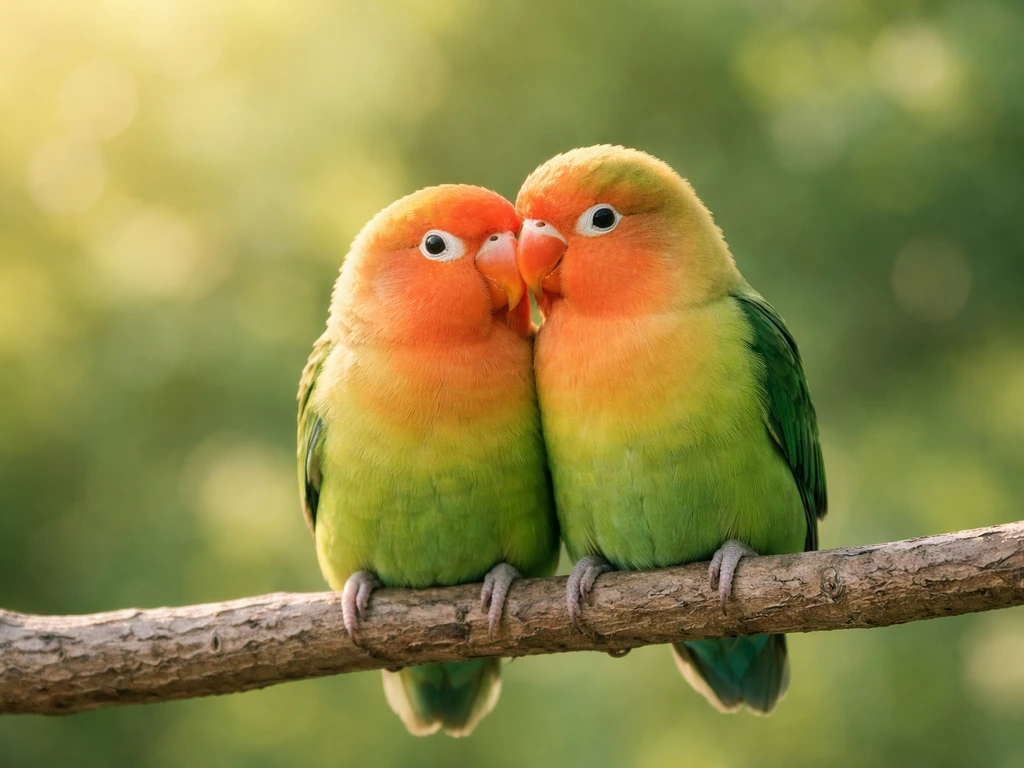
The word 'lovebird' in ornithological terms refers to small parrots of the genus Agapornis, originally native to Africa. Wikipedia notes that “Lovebird” is the common name for the genus Agapornis, a small group of parrots Lovebird" in ornithological terms.
There are nine species, and they are widely kept as cage birds across India. In Hindi, these birds have no ancient native name because they are not indigenous to the subcontinent. As a result, Hindi speakers simply use the borrowed English term: लव बर्ड (lav bard) or लव बर्ड्स (lav bards) in the plural. You will see this exact usage in Hindi newspaper reports about zoo collections and the exotic pet trade.
If someone at a pet shop or in a Hindi news article says 'लव बर्ड्स,' they mean the Agapornis parrot, not a poetic figure of speech.
The second meaning is poetic and emotional. If you meant the poetic phrase, check the “love bird” affectionate meanings described in this article. In Hindi, calling someone a 'love bird' in an affectionate or romantic sense does not have a single fixed phrase. Instead, the sentiment is expressed differently depending on context.
A common option is प्यारी चिड़िया (pyārī chiḍiyā), meaning 'dear little bird' or 'beloved bird,' which carries a tender, intimate feeling. Another is मेरी प्यारी चिड़िया (merī pyārī chiḍiyā), 'my dear little bird,' used as a loving address. In song lyrics and poetry, you will also find प्रेम-पंछी (prem-pañchī), 'the bird of love,' used as a symbolic metaphor for love itself, the soul, or a beloved person.
The cultural resonance here runs deep: in Indian folk tradition and classical poetry, the bird is frequently used as a metaphor for the longing soul (जीव) separated from the divine, making 'love bird' as a poetic idea quite natural in Hindi literary culture.
'X bird' phrases: bat, wise, little, hen, and duck in Hindi
People searching for 'love bird meaning in Hindi' often also search for other 'X bird' phrases. Here is a practical breakdown of each one, including where the biggest confusions arise.
Bat bird: चमगादड़ (chamgādaṛ)

This is the most important disambiguation on this list. A bat is not a bird. In Hindi, the bat is called चमगादड़ (chamgādaṛ), and it is a flying mammal, not a pakṣī. If someone searches 'bat bird meaning in Hindi,' they likely want the Hindi word for bat, which is चमगादड़. Using 'पक्षी' to describe a bat would be biologically incorrect and would confuse any native speaker. The confusion typically comes from the fact that bats fly, which leads learners to group them with birds. In Hindi nature writing and textbooks, चमगादड़ is firmly categorized as a स्तनपायी (stanapāyī), meaning mammal.
Wise bird: समझदार/चतुर पक्षी (samajhdār / chatur pakṣī)
There is a cultural layer here worth knowing. In Western tradition, the owl is the wise bird. But in Hindi and broader Indian usage, उल्लू (ullū) is actually a common insult meaning a fool or someone easily duped. Calling someone 'उल्लू' in Hindi is not a compliment. So a direct translation of 'wise bird = बुद्धिमान उल्लू' would land very awkwardly. If you want to say 'wise bird' or 'smart bird' in a positive sense, the natural Hindi phrase is चतुर चिड़िया (chatur chiḍiyā) or समझदार पक्षी (samajhdār pakṣī). The word चतुर (chatur, meaning clever or shrewd) is the exact term used in Hindi children's stories and fables for a bird character who is smart and resourceful.
Little bird: छोटी चिड़िया (choṭī chiḍiyā)
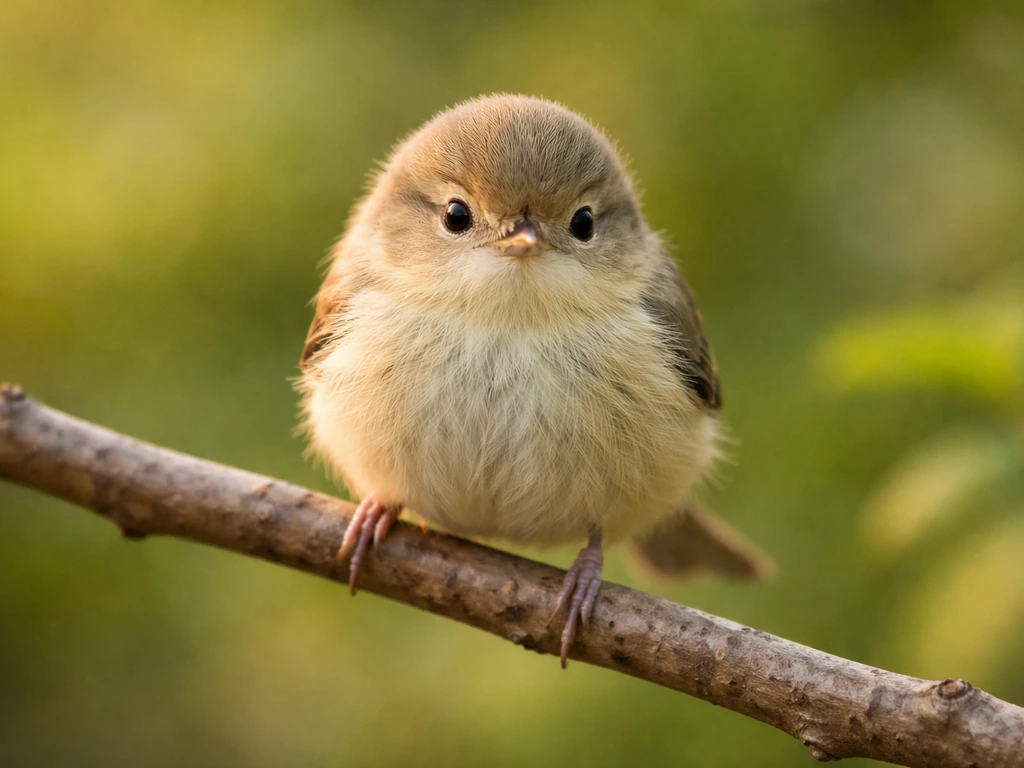
This phrase translates directly and beautifully into Hindi. 'Little bird' is छोटी चिड़िया (choṭī chiḍiyā). You can intensify the smallness affectionately with छोटी-सी चिड़िया (choṭī-sī chiḍiyā), which means 'a tiny little bird' and carries a warm, soft tone. This construction appears naturally in Hindi children's literature, folk songs, and nursery rhymes. It is also used as a nickname or term of endearment for young girls: 'मेरी छोटी चिड़िया' ('my little bird') is a completely natural and affectionate thing for a parent to say in Hindi.
Hen bird: मुर्गी (murgī)
The hen in Hindi is मुर्गी (murgī), a feminine noun. The male counterpart, the rooster or cock, is मुर्गा (murgā). These words are well established across all Hindi-speaking regions. In village contexts, you might also hear कुकड़ी (kukṛī) in some dialects, but मुर्गी is universally understood. If someone uses 'hen bird' as a phrase, they almost certainly just want the Hindi word for hen, which is straightforwardly मुर्गी.
Duck bird: बत्तख (battakh)
The duck in Hindi is बत्तख (battakh), a feminine noun. This is the standard word used across formal and informal contexts alike. The phrase 'duck bird' in a search query usually just means the person wants the Hindi word for duck, which is बत्तख. In Indian mythology and folk art, the duck or swan figure blends with the हंस (haṃs), which has its own elevated spiritual meaning, but if someone specifically says 'duck,' बत्तख is the right translation, not हंस.
Bulbul in Hindi: the nightingale of Indian poetry
बुलबुल (bulbul) is one of the most culturally significant bird names in Hindi and Urdu. It refers to a family of songbirds (family Pycnonotidae), several species of which are native to the Indian subcontinent. The most common is the Red-whiskered Bulbul and the Red-vented Bulbul. In everyday Hindi, बुलबुल is simply the name of this bird.
But in poetry, ghazals, and classical literature influenced by Urdu and Persian traditions, बुलबुल is far more than a species: it is the symbol of the ardent lover, the poet's soul, the one who sings endlessly for the beloved (often symbolized as a rose, गुलाब). The line 'बुलबुल ने गुलाब से प्यार किया' (the bulbul loved the rose) is an archetypal romantic image in Urdu-Hindi literary tradition.
In contemporary spoken Hindi, बुलबुल is also used as a girl's name and as a term of endearment. If a grandparent calls a child 'मेरी बुलबुल,' they are calling her their little songbird, their joy. The word does not need any modifier to carry warmth. In the context of this site, बुलबुल sits alongside other richly symbolic bird names in Indian languages, much like how the हंस (swan) carries spiritual meaning in Sanskrit and the मोर (peacock) is the national bird with Vedic associations.
Reading template phrases like 'that is a bird' in Hindi
Once you know the core vocabulary, Hindi sentence templates with birds are actually quite simple. Here are the patterns you need:
| English Phrase | Hindi | Transliteration |
|---|---|---|
| That is a bird | वह एक पक्षी है / वह एक चिड़िया है | vah ek pakṣī hai / vah ek chiḍiyā hai |
| This is a bird | यह एक पक्षी है / यह एक चिड़िया है | yah ek pakṣī hai / yah ek chiḍiyā hai |
| A little bird | एक छोटी चिड़िया | ek choṭī chiḍiyā |
| A little bird sees... | एक छोटी चिड़िया ने देखा... | ek choṭī chiḍiyā ne dekhā... |
| The bird is flying | चिड़िया उड़ रही है | chiḍiyā uḍ rahī hai |
| My love bird (romantic) | मेरी प्यारी चिड़िया | merī pyārī chiḍiyā |
The key grammatical note: in Hindi, the verb 'है' (hai, meaning 'is') comes at the end of the sentence. This is the most consistent rule for building these template phrases. 'यह/वह' (this/that) goes first, then the noun with 'एक' if needed, then 'है' at the end. Keeping this word order in mind will help you build and read similar sentences confidently.
Quick examples and how to pick the right meaning
The fastest way to choose the right Hindi word or phrase is to ask yourself one question: am I talking about a specific animal, or am I expressing a feeling? Here is a practical decision path:
- If 'love bird' appears in a pet shop context, a zoo report, or a wildlife article: use लव बर्ड (lav bard). This is the Agapornis parrot, and Hindi speakers have adopted the English term directly.
- If 'love bird' is used in a song, a poem, or as a romantic nickname: use प्यारी चिड़िया or मेरी प्यारी चिड़िया. For a more literary feel, प्रेम-पंछी works well.
- If you see 'bat bird': ignore the word 'bird' and use चमगादड़. The bat is a mammal in Hindi too.
- If you see 'wise bird' or 'smart bird': avoid उल्लू in a positive context. Use चतुर चिड़िया or समझदार पक्षी instead.
- If you see 'little bird': छोटी चिड़िया or छोटी-सी चिड़िया. Add 'मेरी' at the front for an affectionate touch.
- If you see 'hen' or 'duck': these are simple species names. Hen is मुर्गी, duck is बत्तख. No figurative complications.
- If you see 'bulbul': this is already a Hindi/Urdu word. In ornithology, it is a songbird species. In poetry or as a name, it means a beloved singer or an affectionate nickname.
- For any 'that is a bird / this is a bird' template: stick to 'वह/यह + एक + पक्षी/चिड़िया + है' and choose पक्षी for formal writing, चिड़िया for warm spoken contexts.
To verify which meaning applies in any given text, look at the surrounding words. A sentence with 'पिंजरा' (pinjrā, cage) or 'पालतू' (pālatū, pet) almost certainly means the parrot species. A sentence with 'प्यार,' 'दिल,' or 'याद' (love, heart, memory) is pointing to the poetic usage. Context is the fastest and most reliable guide, and in Hindi, the emotional register of a text is usually unmistakable even to a learner.
If you are exploring how birds are named across other Indian languages and traditions, the same principle of species-vs-symbol distinction applies. The hummingbird, for instance, has its own fascinating naming story in Hindi, as do birds like the blue jay and the mockingbird, each carrying distinct cultural associations depending on the language community. This helps with the blue jay bird meaning in Hindi too, since its interpretation can vary by context and culture.
The humming bird meaning in Hindi can also vary by context, so it helps to know whether you mean the species name or the symbolic phrase. The blue jay has its own bird meaning in Hindi, so check the species name and the common context it appears in. You may also be looking for the mockingbird meaning in Hindi, which differs from the poetic symbolism of “love bird”.
And for those interested in the Sanskrit roots underlying many of these Hindi bird words, पक्षी itself traces back to Sanskrit, where पक्ष (pakṣa) means wing, giving you the literal sense of 'the winged one. In Sanskrit, the word and roots connected to birds can help you understand how meanings and naming traditions shaped later Hindi usage पक्षी. '
FAQ
Hindi में “love bird” की spelling कैसे लिखते हैं, लव बर्ड या लव बर्ड्स?
परपंचौलक (Agapornis) प्रजाति के लिए ज़्यादातर समाचार और पेट-ट्रेड संदर्भों में “लव बर्ड” (singular) और “लव बर्ड्स” (plural) ही लिखते हैं. “लवबर्ड” या “लव-बर्ड” का प्रयोग कुछ जगह दिख सकता है, लेकिन आम तौर पर “लव बर्ड” सबसे समझी जाने वाली हिंदी-रूपांतरण शैली है.
अगर किसी वाक्य में “लव बर्ड” आया है, तो कैसे पक्का करूँ कि वह प्रजाति है या रोमांटिक संबोधन?
तेज़ जाँच यह है कि आसपास के शब्द क्या कहते हैं. पिंजरा, पालतू, खरीद-बिक्री, ज़ू, नस्ल, कैद, cage या feeding जैसे शब्द आएं तो वह प्रजाति (Agapornis) का संदर्भ है. अगर प्यार, दिल, याद, महबूब, रोमांस, प्यारी, मेरे/तुम्हारे जैसे संबोधन वाले शब्द हों तो वह भावनात्मक/काव्यात्मक “love bird” है.
“मेरे लव बर्ड” बोलना सही है या “मेरी प्यारी चिड़िया” बेहतर रहेगा?
यदि आप वास्तव में प्यारे संबोधन की बात कर रहे हैं, तो “मेरी प्यारी चिड़िया” और “मेरे प्यारे/प्रिय” वाले वाक्य ज़्यादा स्वाभाविक लगते हैं. “मेरे लव बर्ड” समझ आ सकता है, पर यह अंग्रेज़ी-उधार लग सकता है, खासकर formal या पारंपरिक शैली में.
“love bird” को हिंदी में पुरुष या स्त्री के हिसाब से कैसे बदलते हैं?
प्रजाति के अर्थ में सामान्यतः लिंग बदलने की ज़रूरत नहीं रहती, लोग “लव बर्ड्स” या “ये लव बर्ड” कह देते हैं. भावनात्मक अर्थ में, संबोधन के लिए शब्द-चयन बदलता है, जैसे “मेरी प्यारी चिड़िया” (स्त्री-टोन), या बोलचाल में लिंग के अनुसार प्रिय/मेरे/तुम्हारे जैसे शब्द जोड़ते हैं.
“wise bird” (उल्लू) जैसी गलतफहमी से बचने का आसान नियम क्या है?
सीधा नियम, अनुवाद करते समय species और culture दोनों देखें. “wise bird” को शब्दशः “बुद्धिमान उल्लू” कहना गलत टोन दे सकता है, क्योंकि उल्लू हिंदी में अक्सर ग़ैर-प्रशंसा वाले अर्थ में भी आता है. सकारात्मक अर्थ चाहिए तो “चतुर चिड़िया” या “समझदार पक्षी” ज्यादा नैचुरल रहेगा.
क्या “पक्षी” और “चिड़िया” हर जगह interchangeable हैं?
हर जगह नहीं. “पक्षी” अधिक औपचारिक, किताबों और सामान्य उल्लेख में आता है. “चिड़िया” बोलचाल में आम है और नरमी, स्नेह, या बच्चे-लेवल की बात में ज्यादा फिट बैठती है. अगर आप गंभीर/वैज्ञानिक संदर्भ में लिख रहे हैं, तो “पक्षी” बेहतर विकल्प होता है.
क्या “प्रेम-पंछी” का इस्तेमाल रोमांटिक मैसेज में करना ठीक रहेगा?
हाँ, पर यह काव्यात्मक और थोड़ा साहित्यिक स्वाद देता है. रोज़मर्रा के चैट में “मेरी प्यारी चिड़िया” या “प्यारी” ज्यादा सहज रहेगा. “प्रेम-पंछी” जोड़ते समय टोन थोड़ा poetic रखने पर अर्थ बेहतर बैठता है.
अगर कोई बोले “love bird” लेकिन पिंजरे या ज़ू का संदर्भ न हो, फिर भी कैसे पता चले?
ऐसी स्थिति में सबसे अच्छा तरीका है आसपास के verbs और objects देखना. “खरीदना, पालना, बेचना, शो में” जैसी क्रियाएँ प्रजाति की ओर ले जाती हैं. “याद करना, दिल लगाना, तुम्हारी याद” जैसे emotional verbs हों तो यह संबोधन का संकेत है. ज़रूरत पड़े तो सीधे पूछ सकते हैं, “आप ‘लव बर्ड’ प्रजाति की बात कर रहे हैं या प्यारे संबोधन की?”
“duck bird” जैसी खोज में लोगों की गलती क्या रहती है?
कई लोग “X bird” लिखते हैं तो वह सिर्फ “X” जानवर का हिंदी नाम खोज रहे होते हैं. ऐसे में bird शब्द जोड़ने की जरूरत नहीं होती, क्योंकि हिंदी में “duck” का सही शब्द “बत्तख” है. आप चाहें तो खोज को छोटा करके “duck meaning in Hindi” या “बत्तख क्या है” जैसा रखें.
क्या “love bird meaning in hindi” पूछने वाले छात्र/सीखने वालों को उच्चारण में भी सावधानी रखनी चाहिए?
हाँ. “लव बर्ड” अंग्रेज़ी-टू-हिंदी रूपांतरण है, इसे एक साथ “लवबर्ड” की तरह पढ़ने से कभी-कभी समझने में देरी हो सकती है. बोलते समय “लव बर्ड” के दो हिस्से स्पष्ट रखें, और लिखते समय उसी रूप में “लव बर्ड” लिखना सबसे सुरक्षित रहता है.
Next Articles
Mocking Bird Meaning in Hindi: Name, Symbolism, and Use
Mocking bird meaning in Hindi: literal name, mimicry symbolism, spiritual or dream interpretations, and correct usage in
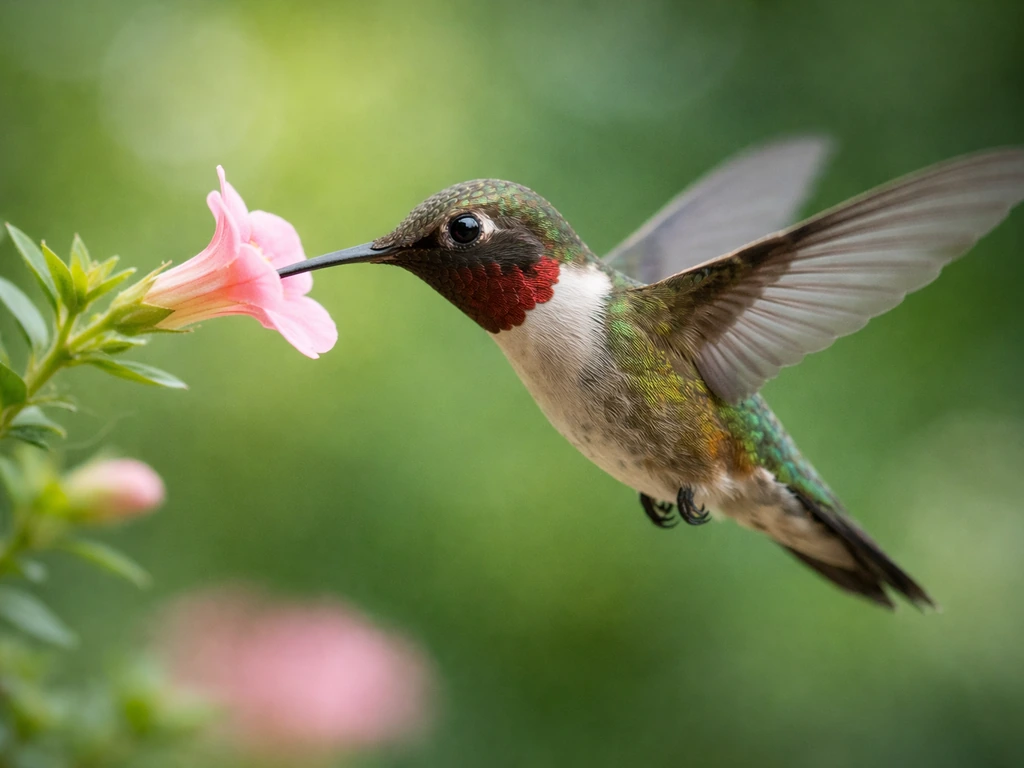
Humming Bird Meaning in Hindi: Name, Meaning and Symbolism
हम्मिंगबर्ड का हिंदी नाम और उच्चारण जानें, साथ ही भारत में इसका प्रतीकात्मक अर्थ व सांस्कृतिक संदर्भ समझें
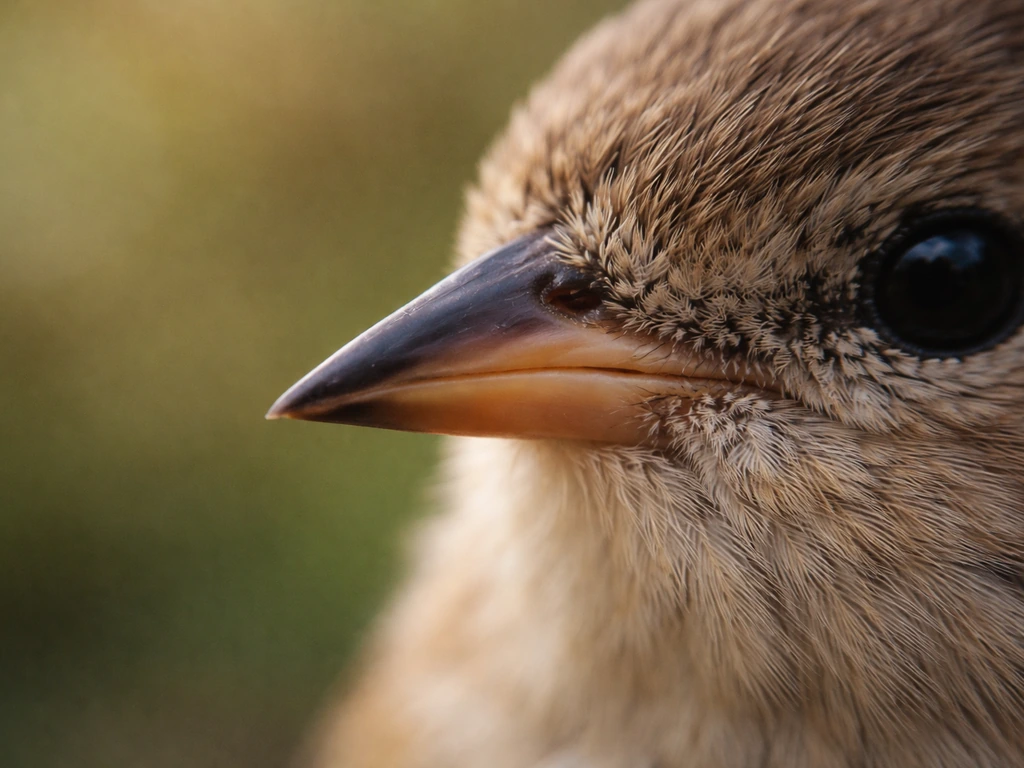
Bird Beak Meaning in Hindi: Chonch, Bill, Pronunciation
Bird beak in Hindi chonch or bill, pronunciation, examples, beak vs bill differences, and figurative Hindi use