
Bird droppings को Hindi में सबसे naturally "पक्षी का मल" (pakshi ka mal) या "पक्षी का पाखाना" (pakshi ka pakhana) कहते हैं। दोनों terms सही हैं और context के हिसाब से interchangeably use होते हैं। अगर आपके कपड़े या छत पर गिरा हो, तो बोलचाल में लोग सीधे "पक्षी ने पाखाना कर दिया" भी कहते हैं। "गोबर" मत कहिए, वो word primarily cow dung के लिए reserved है और bird droppings के लिए इस्तेमाल करने से context गलत हो जाएगा।
Bird Droppings Meaning in Hindi: शब्द, अर्थ और संकेत

Rajesh Sharma
5 Jun 2026
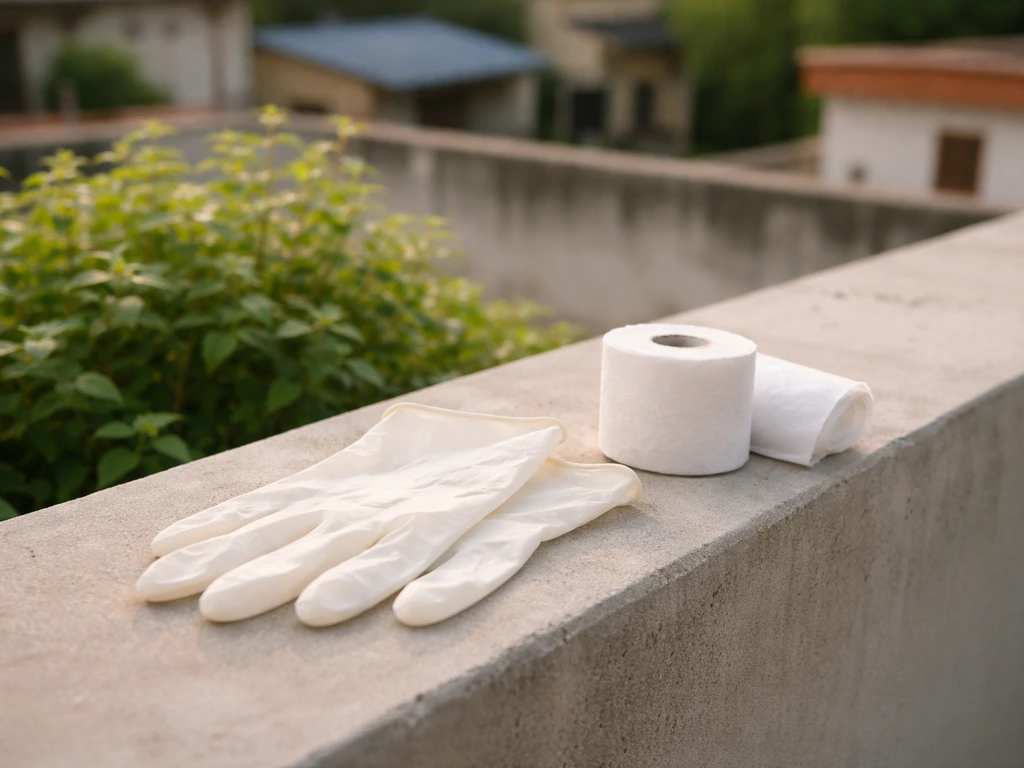
Hindi में सही शब्द कौन से हैं?
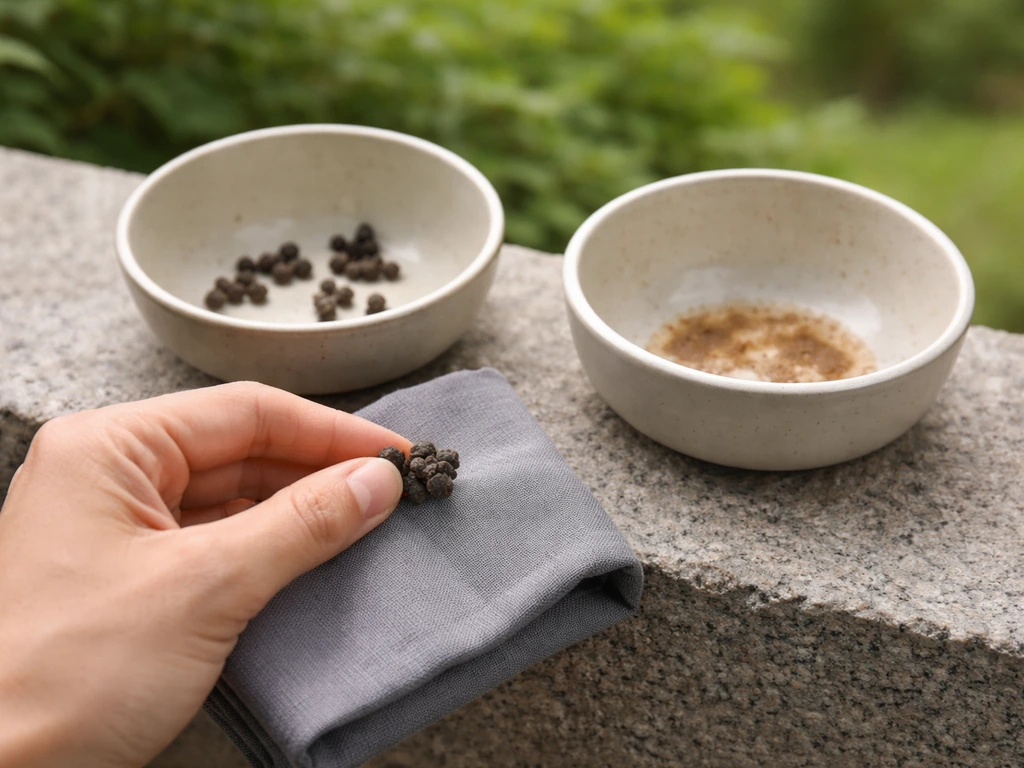
"मल" (mal) और "पाखाना" (pakhana) दोनों Hindi में excrement के लिए standard terms हैं। "पक्षी का मल" थोड़ा formal या written language जैसा लगता है, जबकि "पक्षी का पाखाना" बोलचाल में ज्यादा natural है। Sentences बनाने का सबसे natural तरीका location को पहले रखना है, जैसे: "छत पर पक्षी का मल गिरा हुआ है" (The bird has left droppings on the roof) या "कार पर पक्षी का पाखाना लग गया" (Bird droppings have gotten on the car)।
| Hindi Term | Transliteration | Best Used For | Register |
|---|---|---|---|
| पक्षी का मल | pakshi ka mal | General bird droppings (formal/written) | Formal / Neutral |
| पक्षी का पाखाना | pakshi ka pakhana | Bird droppings (everyday speech) | Casual / Conversational |
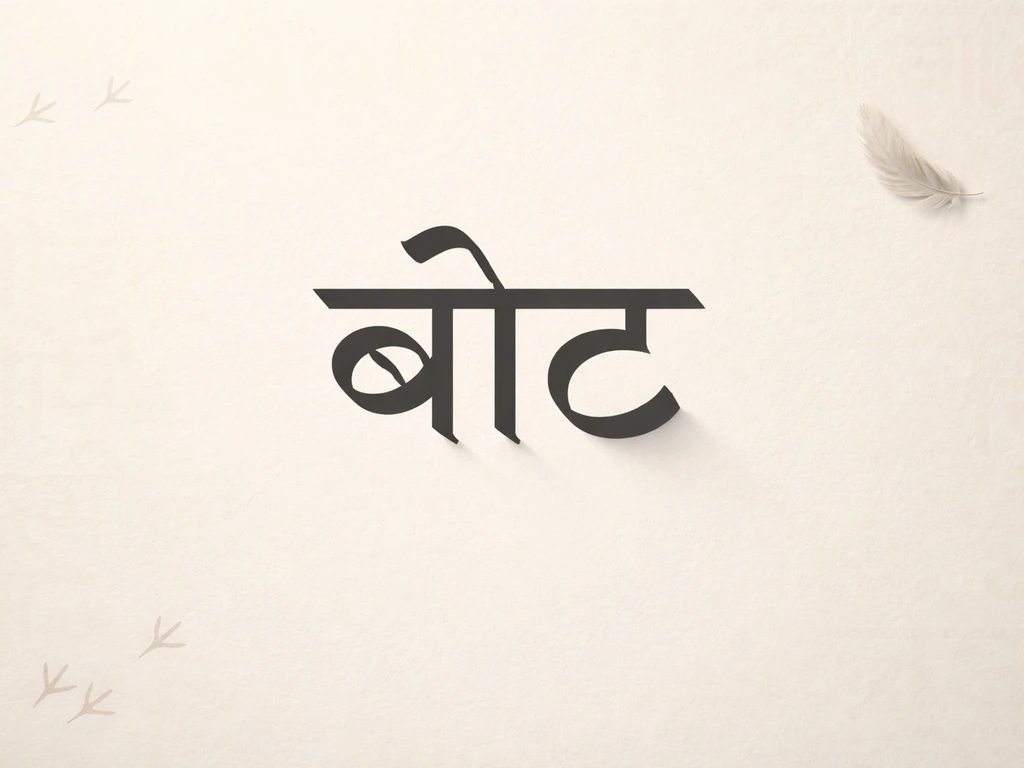
| पक्षी की बीट | pakshi ki beet | Very colloquial, used in some regions | Informal / Regional |
| गोबर | gobar | Cow/animal dung — NOT for birds | Avoid for birds |
Regional note: Marathi speakers sometimes use "विष्ठा" (vishtha) as a more formal/literary term for excrement of any creature, which you may also encounter in Sanskrit-rooted texts. In Punjabi, "ਪੰਛੀ ਦੀ ਵਿੱਠ" (panchhi di vitth) is the colloquial equivalent. For a site like this that bridges multiple Indian languages, knowing these variants helps you read regional texts or folklore correctly.
Practically, what does it mean when you see bird droppings?
When you spot bird droppings somewhere, it's mostly a practical signal about bird behavior and the environment around you. A concentrated patch of droppings on a ledge, balcony railing, or rooftop means birds are roosting or regularly perching there. A single random dropping on your car or shoulder is just bad timing. The distinction matters because roosting areas carry a higher health risk than one-off outdoor encounters, and knowing which situation you're in helps you decide how seriously to take it.
For language learners and cultural readers: the word "meaning" in the search phrase "bird droppings meaning in Hindi" actually pulls in three different questions at once. “Nightingale bird meaning in Hindi” आमतौर पर “नाइटिंगेल” के नाम का अर्थ और उससे जुड़ी पहचान पूछने के लिए लिखा जाता है।. If you specifically mean “bird lover,” the phrase in Hindi depends on whether you mean someone who loves birds or a term used for a bird lover. If you’re searching for bird catcher meaning in Hindi, it helps to know how Hindi phrases interpret roles and catch-related meanings bird droppings. First, it's a simple translation request. Second, it's asking what the practical real-world implication is (where are birds gathering, is there a hygiene issue). Third, it's sometimes asking about cultural or spiritual symbolism, which has a rich tradition in Indian belief systems. All three deserve a clear answer, so let's go through each one.
Health and hygiene: what you actually need to know

Here's the reassuring part first: a small, routine cleanup, like wiping a windowsill or cleaning a spot off your car, does not pose a serious health risk for most people. The risk increases significantly when there's a large accumulation of droppings in a confined space, like an attic, ventilation channel, or closed balcony, and when you disturb that material without precautions.
The core reason to be careful is aerosolization. When dry bird droppings are swept, shoveled, or disturbed, they release fine dust particles that can carry pathogens like Histoplasma (which causes histoplasmosis), Cryptococcus (cryptococcosis), and the bacteria behind psittacosis. You breathe that dust in without realizing it. The fix is simple: wet the droppings before you touch or remove them. A spray of soapy water before you start reduces the dust dramatically.
Safe cleanup steps
- Wear gloves before you touch anything. Disposable gloves are ideal; discard them after use.
- Spray the droppings with soapy water first and let it soak for a minute. Never dry-sweep or dry-scrape.
- For larger accumulations on a balcony or roof, wet the entire area down and consider wearing a mask (N95 or equivalent) to avoid inhaling fine particles.
- Scoop or wipe up the wetted material and seal it in a plastic bag before disposing.
- Clean the surface with soap and water to remove visible residue, then apply an EPA-approved disinfectant following the product label.
- Wash your hands thoroughly with soap and water after removing gloves, even if your hands look clean.
- If you're cleaning a high-volume area (like a rooftop with years of pigeon droppings), treat it like a bigger project: contain the area with plastic sheeting if possible, and consider professional help.
One practical tip for windy days: postpone any large cleanup if there's strong wind, because air movement carries aerosolized particles further and makes dust suppression harder. This applies especially to open balconies, terraces, and rooftops where droppings from pigeons or crows tend to accumulate.
When to be more concerned
- Large roosting areas where droppings have built up over months or years
- Enclosed spaces like attics, lofts, or air ducts where disturbance creates concentrated dust
- If you or someone in your household is immunocompromised or has a respiratory condition
- If you notice droppings near food storage, water tanks, or kitchen surfaces
Cultural symbolism: what Indian traditions say about bird droppings

This is where the topic gets genuinely interesting for anyone exploring bird symbolism in Indian traditions, and it's worth framing clearly: these are cultural beliefs and folk traditions, not scientific claims. India has an extraordinarily rich tradition of pakshi-shakun (पक्षी शकुन), the reading of omens from bird behavior, which includes droppings.
One of the most widely held beliefs across India is that being pooped on by a bird is actually a sign of good luck coming your way. The reasoning in folk tradition is that something unpleasant happening to you now is "canceling out" future misfortune, sort of like a cosmic trade. This is why many people in India react to bird poop with a resigned laugh and a comment like "अच्छा होगा" (something good will happen). There's a well-known parallel in Western cultures too, where the same belief exists.
However, context matters a great deal in traditional interpretation. A question on Hinduism StackExchange records a discussion about a bird defecating during a puja (religious ritual) being read as a bad omen by some families, specifically as a sign of future difficulty or death in the household. This shows how the same event can carry opposite meanings depending on ritual context and regional tradition. The Vedic tradition of shakun-shastra (शकुन शास्त्र) is an entire system of omen interpretation that includes bird behavior, and pigeon-related omens appear frequently in these texts.
In Hindu mythology and folklore, specific birds carry specific symbolic weight. The pigeon (कबूतर, kabutar) is associated with both Kamadeva (the god of love) and with omens of change. Crows (कौआ, kauwa) are considered messengers in many traditions and their droppings carry a different symbolic reading than those of pigeons. The broader topic of bird symbolism across Indian languages and traditions is a deep well: the way birds are named and described in Hindi, Sanskrit, Marathi, Gujarati, and Punjabi often encodes spiritual meaning directly into the language.
How to read the context: location, timing, and bird behavior
Not every instance of bird droppings means the same thing, either practically or symbolically. Here's how to read the situation intelligently.
| Situation | Practical Implication | Cultural/Folk Reading |
|---|---|---|
| Single dropping on your shoulder or head | Random, low health risk, clean normally | Often read as good luck in many Indian traditions |
| Droppings concentrated on a balcony railing or ledge | Birds are roosting there regularly; consider deterrents | Pigeons nesting near home: interpretations vary regionally |
| Droppings found during or just before a puja/ritual | Hygienic concern for ritual purity | Some traditions read this as an inauspicious sign |
| Large accumulation in attic or enclosed space | Serious hygiene project; use full PPE and wet methods | Not typically a focal point of omen tradition |
| Droppings on a vehicle or property | Surface damage risk (acid in droppings); clean promptly | Neutral in most folk traditions |
Timing also matters for the practical side. Fresh droppings are easier to clean and less likely to have fully dried into the surface. On cars especially, bird droppings contain uric acid that can damage paint if left for more than a day or two in direct sun. A gentle wet wipe within a few hours is much better than scrubbing a dried, etched stain later.
For anyone studying bird terminology in Hindi, this topic connects naturally to related areas: the distinction between diurnal and nocturnal birds affects which species are likely leaving droppings near your home at specific times of day, and understanding bird feeding and roosting habits (topics like bird feeders and their placement) helps you predict and prevent accumulation in the first place. अगर आप “nocturnal bird meaning in Hindi” खोज रहे हैं, तो रात में सक्रिय रहने वाले पक्षी किन संकेतों से पहचाने जाते हैं, यह समझना भी उपयोगी रहता है। diurnal and nocturnal birds. If you are trying to prevent droppings from coming closer, it helps to understand bird feeder meaning in Hindi and how placement affects visiting birds.
Quick checklist and Hindi phrasing guide
Here's everything condensed into actionable form. Use this as your practical reference whether you found this while cleaning up a mess or while learning Hindi bird vocabulary.
Quick action checklist
- Use "पक्षी का मल" (formal/written) or "पक्षी का पाखाना" (conversational) — not "गोबर"
- For small, accidental droppings: wet, wipe, wash hands. No alarm needed.
- For larger accumulations: gloves + mask + wet methods only. No dry sweeping.
- Disinfect with soap/water first, then an appropriate disinfectant on the surface.
- On windy days: postpone large outdoor cleanups to reduce inhalation risk.
- In ritual or auspicious contexts: regional tradition varies; note the belief but don't let superstition delay necessary cleaning.
- Prevent future buildup: remove food sources and nesting materials from roosting spots.
Concise Hindi phrasing guide
| English Phrase | Hindi | Transliteration |
|---|---|---|
| Bird droppings | पक्षी का मल / पक्षी का पाखाना | pakshi ka mal / pakshi ka pakhana |
| There are bird droppings on the roof | छत पर पक्षी का मल गिरा हुआ है | chhat par pakshi ka mal gira hua hai |
| A bird pooped on the car | कार पर पक्षी ने पाखाना किया | car par pakshi ne pakhana kiya |
| Clean it carefully | सावधानी से साफ़ करें | savdhani se saaf karein |
| Wash your hands after cleaning | सफाई के बाद हाथ धोएँ | safai ke baad haath dhoein |
| Is it a good omen or bad? | यह शुभ संकेत है या अशुभ? | yeh shubh sanket hai ya ashubh? |
| In Indian tradition, it is considered good luck | भारतीय मान्यता में इसे शुभ माना जाता है | bharatiya manyata mein ise shubh mana jata hai |
The short of it: "पक्षी का मल" or "पक्षी का पाखाना" are your go-to Hindi translations for bird droppings. Practically, small messes are low-risk if handled with basic hygiene; larger accumulations need proper wet-cleaning methods and PPE. CDC “Healthy Pets, Healthy People” recommends using hand protection such as gloves when cleaning pet bird cage or equipment to avoid touching droppings with bare hands blank" rel="noopener noreferrer">PPE. Culturally, Indian tradition most commonly reads a random bird dropping as a sign of incoming good fortune, though ritual context can shift that interpretation. Knowing all three layers of "meaning" is what makes this a genuinely useful answer rather than just a dictionary entry.
FAQ
अगर मैं गलती से “गोबर” कह दूं, तो क्या दिक्कत होगी?
छोटी बातचीत में लोग समझ तो जाएंगे, पर “गोबर” शब्द परंपरागत रूप से ज्यादा तर गाय के गोबर के लिए इस्तेमाल होता है, इसलिए bird droppings के लिए यह गलत संकेत दे सकता है। बेहतर है “पक्षी का मल” या “पक्षी का पाखाना” ही बोलें।
“पक्षी का मल” और “पक्षी का पाखाना” में से कौन सा ज्यादा सही है, formal या casual?
“पक्षी का मल” थोड़ा formal या लिखित भाषा वाला लगता है, जबकि “पक्षी का पाखाना” रोजमर्रा में ज्यादा natural माना जाता है। अगर आप बच्चे को समझा रहे हैं या बोलचाल कर रहे हैं, “पाखाना” ज्यादा सहज बैठता है।
अगर मेरे ऊपर ताजा bird droppings गिर जाएं, तो तुरंत क्या करूं?
साबुन और पानी से तुरंत धो लें, और कपड़े पर लगे हिस्से को अलग रखकर वॉश करें। टिशू से पोंछना सिर्फ फैलाने का जोखिम बढ़ा सकता है, इसलिए gentle wet cleaning ज्यादा सही रहती है।
कितनी मात्रा पर “सिर्फ साफ कर दो” से ज्यादा सावधानी जरूरी हो जाती है?
जब droppings की मात्रा बड़ी हो या बंद जगह में जमा हो, जैसे अटारी, वेंटिलेशन, बंद बालकनी या लंबी अवधि की परत, तब रिस्क ज्यादा माना जाता है। ऐसे में PPE (मास्क, दस्ताने) और गीला करके हटाना बेहतर है, और हो सके तो सफाई की जगह हवा से धूल न उड़े।
क्या घर में वैक्यूम या ड्राई झाड़ू इस्तेमाल करना ठीक है?
ड्राई स्वीपिंग, शुष्क झाड़ू, या ड्राई वैक्यूम aerosolized धूल बढ़ा सकता है, खासकर सूखे droppings पर। सबसे सुरक्षित तरीका है पहले पानी से गीला करना, फिर हटाकर गीली सफाई करना, और उपयोग के बाद साफ करना।
कार या बाइक पर दाग लगे हों, तो दाग हटाने का सही क्रम क्या है?
पहले थोड़ा गीला करके ढीला करें, फिर हल्के साबुन- पानी से पोंछें, और तुरंत रगड़कर पॉलिश जैसा घिसाव न करें। ज्यादा देर बाद दाग पेंट पर “etching” जैसा हो सकता है, इसलिए कुछ घंटों में सफाई करना बेहतर रहता है।
छत, टाइल, या खिड़की पर लगी परत हटाने के बाद क्या सतह को फिर से sanitize करना चाहिए?
सामान्य सफाई के लिए साबुन-पानी और अच्छी तरह धोना पर्याप्त होता है। बहुत ज्यादा accumulation या संवेदनशील जगह (बच्चों का खेल का एरिया) हो, तो सफाई के बाद सतह पूरी तरह सूखने दें, और जरूरत हो तो हल्का disinfectant निर्माता के निर्देशों के अनुसार इस्तेमाल करें।
bird droppings का symbolic मतलब हमेशा good luck ही होता है?
नहीं। कई परंपराओं में random dropping को आने वाली अच्छी खबर से जोड़ा जाता है, पर puja या किसी खास घरेलू संदर्भ में परिवार की मान्यता के अनुसार इसे नकारात्मक omen की तरह भी पढ़ा जा सकता है। इसलिए context, स्थान, और परंपरा तय करते हैं।
किस तरह के संकेत देखकर मैं practical तौर पर समझूं कि birds बार-बार वहीं आ रहे हैं?
अगर एक ledge, railing, या rooftop पर एक जैसी जगह पर बार-बार दाग बनते दिखें, या लगातार एक ही समय के आसपास droppings मिलें, तो यह नियमित perching/roosting का संकेत है। ऐसी स्थिति में prevention के उपाय, जैसे सही bird feeder placement या deterrent का इस्तेमाल, ज्यादा काम करता है।
सफाई करते समय क्या मास्क, दस्ताने जरूरी हैं, और कौन सा मास्क बेहतर है?
अगर accumulation ज्यादा है या बंद जगह है, तो disposable gloves और धूल से बचाने वाला मास्क मदद करता है। ड्राई dust उड़ने की संभावना कम रखने के लिए सबसे पहले droppings को wet करना, फिर removal करना प्राथमिकता होनी चाहिए।
Next Articles
Bird lover meaning in Hindi: Bird watcher vs bird lover
bird lover meaning in Hindi: पंछी-प्रेमी या bird watcher, सही शब्द चुनें, उदाहरण और उच्चारण सहित
Bird Catcher Meaning in Hindi: Literal and Figurative
Bird catcher का literal और figurative मतलब, Hindi translations, nuances, और context से सही अर्थ चुनने की गाइड
What Is Bird Poop Called in Hindi? Terms and Meanings
Hindi में bird poop को क्या कहते हैं जानें, droppings के सही शब्द, उच्चारण और Marathi Punjabi Gujarati Sanskrit equivalents सहित