
The most direct Hindi translation of 'bird catcher' is पक्षी पकड़ने वाला (pakshī pakaḍne vālā), which literally means 'one who catches birds.' If you need a single-word occupational term, चिड़ीमार (chiḍīmār) or बहेलिया (baheliyā) are the words you'll actually encounter in Hindi texts, folk literature, and everyday speech when referring to someone whose job or livelihood involves trapping or hunting birds.
Bird Catcher Meaning in Hindi: Literal and Figurative

Rajesh Sharma
19 May 2026
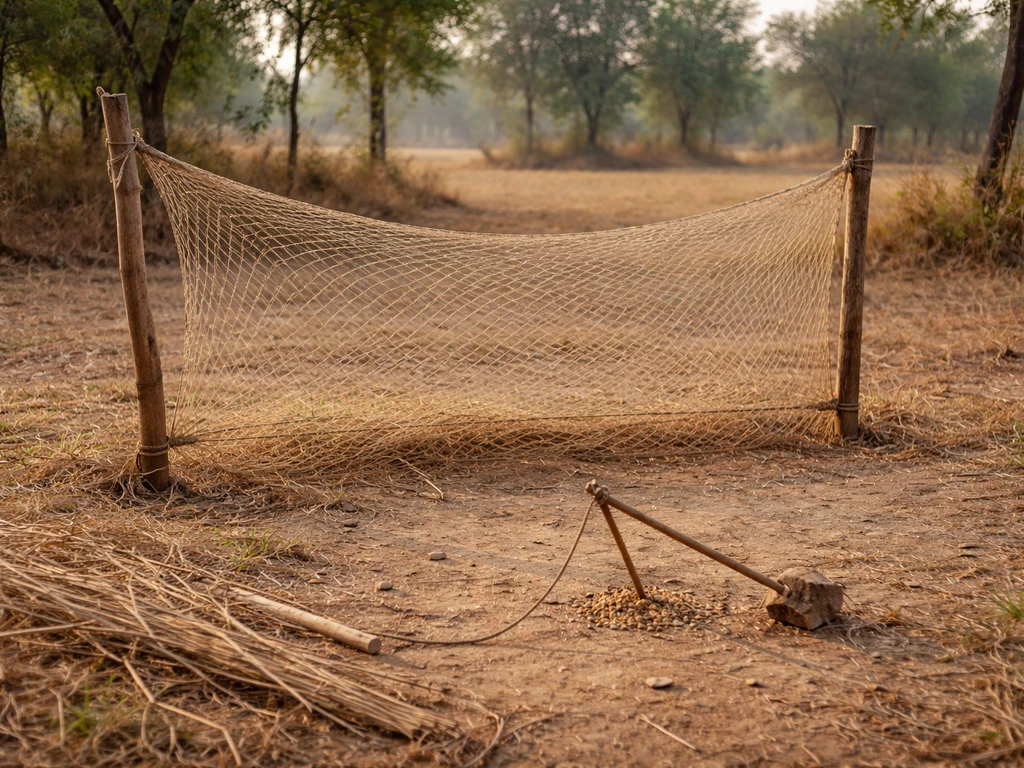
The best Hindi translations for 'bird catcher'
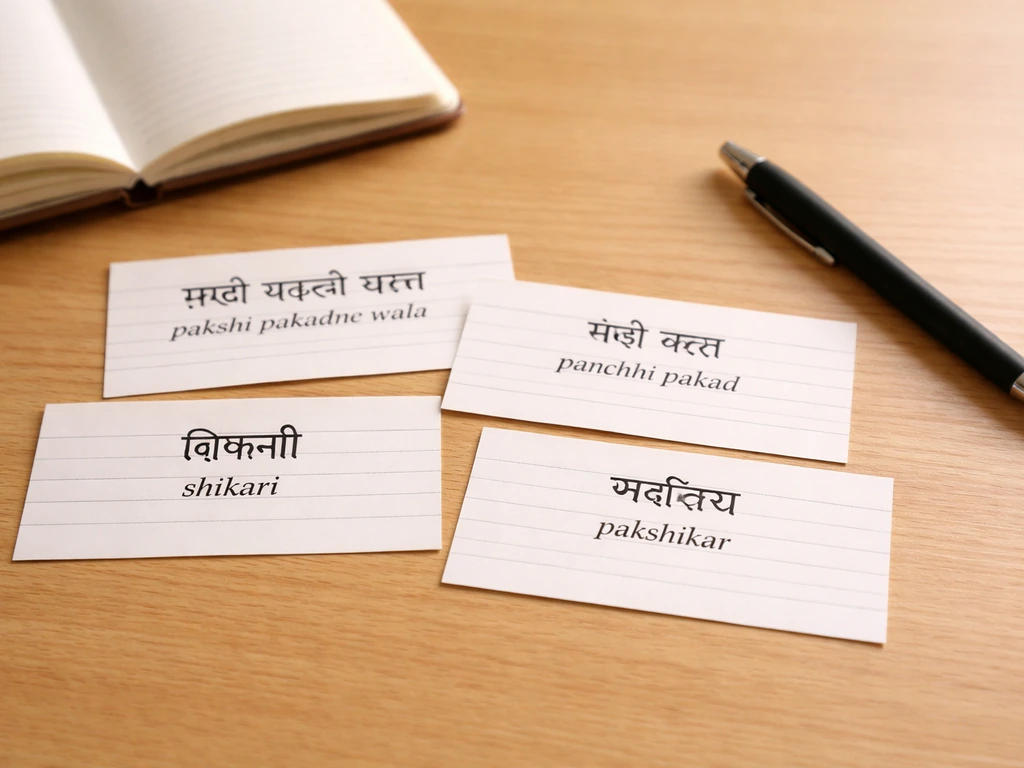
Hindi gives you a few solid options depending on what shade of meaning you want. पक्षी पकड़ने वाला is the most transparent, word-for-word rendering and is understood by any Hindi speaker immediately. But for an occupational or cultural role, बहेलिया (baheliyā) is the classic term, with centuries of usage in Hindi literature and folk tradition. It carries the sense of a fowler or bird-trapper by profession, not just someone who happened to catch a bird once. चिड़ीमार (chiḍīmār) is a more colloquial compound: चिड़ी (small bird) plus मार (one who strikes/kills), so it leans slightly toward a hunter rather than a trapper, but Hindi speakers use both interchangeably in casual conversation.
| Hindi Term | Transliteration | Best English Equivalent | Nuance |
|---|---|---|---|
| पक्षी पकड़ने वाला | pakshī pakaḍne vālā | One who catches birds | Neutral, descriptive; works in any context |
| बहेलिया | baheliyā | Fowler / bird-trapper | Occupational, traditional; common in literature and folk usage |
| चिड़ीमार | chiḍīmār | Bird hunter | Colloquial; slight emphasis on hunting over trapping |
| पारधी | pārdhī | Hunter-trapper (community term) | Refers to a semi-nomadic hunting community; specialized usage |
| शिकारी | shikārī | Hunter | Broader; used for any animal hunter, not birds exclusively |
A quick note on पारधी (pārdhī): this term appears in documented tribal and research contexts and refers specifically to a semi-nomadic community in central India historically associated with trapping and hunting, including birds. Research Directions (PDF) also mentions “पारधी” in documented scholarly context, discussing a semi-nomadic community associated with trapping and hunting practices पारधी (pārdhī). Using it as a generic word for 'bird catcher' would be inaccurate and potentially reductive, so reserve it for discussions of that community and its traditions.
Literal vs figurative: how to tell which meaning you need
This is where things get interesting, and where picking the wrong Hindi word can send your translation in the wrong direction entirely. The literal sense refers to an actual person or device that physically catches birds, whether by net (जाल), snare (फंदा), or cage (पिंजरा). The figurative sense uses 'bird catcher' as a metaphor, describing someone who entraps, lures, or captivates others, or even something that 'captures' beauty, sound, or essence, the way a poet or musician might be called one metaphorically.
In Hindi poetry and classical literature, the line between literal and metaphorical is deliberately blurred. A बहेलिया in a Kabir doha is rarely just a man with a net. He is often a stand-in for fate, desire, or even God drawing the soul toward itself. So before you settle on a Hindi word, ask yourself: is the 'bird catcher' in front of you a real person with a trap, a job title, a folk character, or a poetic symbol? The answer changes which Hindi term fits best.
- Literal person or occupation: use बहेलिया, चिड़ीमार, or पक्षी पकड़ने वाला
- A device or mechanism that catches birds: use जाल (net), फंदा (snare/noose), or पिंजरा (cage) depending on the method
- A character in a story, fable, or myth: use बहेलिया, as it carries the richest narrative weight in Hindi tradition
- A metaphor for someone who entraps or captivates: use पक्षी पकड़ने वाला or बहेलिया with contextual clarification
Hindi words for catching and trapping birds: nuance and real examples

The method of capture matters a great deal in Hindi, because different tools have different words, and those words carry their own cultural weight. जाल (jāl) is a net, documented in both Hindi and classical Urdu usage, and is the most common instrument associated with bird catching in literature and in practice. You will hear phrases like जाल में फँसाना (to trap in a net) used both literally and figuratively all the time.
फंदा (phandā) is a snare or noose, specifically something constructed to trap or ensnare. Shabdkosh defines it as 'जो किसी को फँसाने के लिये बनाया गया हो,' meaning something made expressly to trap someone or something. In documented accounts of the Pardhi community's bird-trapping practices, both फंदा and जाल appear together: trappers would use these tools to catch birds like तीतर (partridge). The Cambridge English-Hindi dictionary also confirms that trap translates to फंदा or जाल in contexts involving bird capture.
पिंजरा (pinjrā) means cage, and it enters the picture when 'bird catcher' implies capturing birds alive for keeping, selling, or display rather than killing them. If someone asks you what a 'bird catcher' does and the answer involves live birds kept in enclosures, पिंजरा is the key supporting word. पकड़ना (pakaḍnā) is the standard verb for 'to catch' or 'to grab,' and it combines naturally with पक्षी to give you the foundational phrase पक्षी पकड़ना (to catch a bird).
Traditional and folk context: bird catching in Indian culture
Bird catching as a livelihood and folk practice has deep roots in the Indian subcontinent. The बहेलिया community is one of the traditional fowling groups whose practices are woven into Hindi folk literature, proverbs, and song. In Sant Kabir's poetry, the बहेलिया appears repeatedly as a powerful symbol: the bird (often a हंस, or swan, representing the pure soul) is hunted by the fowler, who stands in for the snares of worldly life or karmic entrapment. This imagery is central to Hindi devotional poetry, and understanding it helps you recognize when 'bird catcher' is being used philosophically rather than practically.
India also has a fascinating tradition of specialized bird-trapping tools that have their own names. The bal-chatri, for instance, is a raptor-trapping device with a name derived from Hindi, used historically by trappers across the subcontinent. Its name connects directly to the vocabulary of bird catching in Indian tradition. The Pardhi tribe of central India, mentioned in tribal research documents, maintained bird and animal trapping as a core part of their identity and economy, using methods and terminology that are recorded in Hindi and regional languages.
In Marathi, the equivalent of बहेलिया tends to be पारधी (pārdhī) or शिकारी (shikārī), with the former again pointing to the specific community. In Punjabi, चिड़ीमार remains recognizable due to linguistic overlap, while Gujarati speakers might use પક્ષી પકડનાર (pakshi pakaḍnār), a direct structural parallel to the Hindi phrase. Sanskrit-adjacent vocabulary uses पक्षिग्राहक (pakshigrāhaka), combining पक्षि (bird) with ग्राहक (one who seizes or takes), which appears in classical texts when referring to fowlers.
Bird catcher as metaphor: symbolism and figurative use

Across cultures, the bird catcher is a powerful metaphorical figure precisely because birds represent freedom, the soul, or fleeting beauty. In the Aesop fable tradition, the bird-catcher uses bait and a net to lure and trap a blackbird, and this storyline has been retold as a warning about greed and the traps we walk into willingly. That allegorical dimension maps beautifully onto Hindi devotional literature, where the same narrative logic appears in the imagery of the जाल (net of illusion or maya) and the soul as a bird.
Papageno, the bird-catcher character in Mozart's The Magic Flute, offers another angle: he is defined by his role as one who captures birds and by his own longing to be 'caught' by love. This dual sense, captor who is also captive, mirrors the Hindi poetic use of the बहेलिया figure in Kabir's verses, where the line between hunter and hunted collapses. If you are reading or writing poetry, song lyrics, or philosophical prose in Hindi and encounter 'bird catcher,' this metaphorical layer is almost certainly in play.
In Indian symbolic thought, birds themselves carry enormous weight. A bird lover and a bird catcher occupy opposite poles symbolically: one nurtures, the other ensnares. In Hindi, the term for a bird lover is often explained by people looking up bird lover meaning in Hindi. Similarly, comparing a bird catcher to a bird feeder in a symbolic reading yields a study in contrasts between giving and taking, freedom and captivity.
In Hindi, the term or phrasing people look up is often linked to the concept of a bird feeder, so context matters for the exact meaning bird feeder meaning in hindi. The nocturnal bird, which catches insects in the dark, sometimes carries its own 'catcher' symbolism in folk tales, representing hidden skill or secret pursuit. The nocturnal bird meaning in Hindi often depends on which bird species or folk tale is being referenced.
How to confirm which meaning you actually need
If you are still unsure whether 'bird catcher' in your context is literal, occupational, or figurative, here are the practical steps to get it right. If you are looking for the nightingale bird meaning in hindi, you can use the same approach to verify the exact sense you need in context मायने. If you are looking for the bird droppings meaning in Hindi, the steps above can help you confirm the exact sense used in your specific context.
- Look at the surrounding sentence: if there is a net (जाल), a snare (फंदा), a cage (पिंजरा), or a specific bird species nearby in the text, the meaning is almost certainly literal. Use पक्षी पकड़ने वाला or बहेलिया.
- Check for poetic or devotional context: if the text is a doha, bhajan, sher, or folk song, assume the figurative reading first. The बहेलिया in devotional poetry is virtually always symbolic.
- Search in Hindi script: type पक्षी पकड़ने वाला or बहेलिया into a Hindi search engine or dictionary to see which usage appears most frequently and in what kind of texts.
- Use Shabdkosh or Reverso for quick confirmation: Reverso's Hindi rendering of 'birdcatcher' is पक्षी पकड़ने वाला, which you can use as a baseline and then refine based on context.
- For occupational or community references: if the context involves a profession, tribe, or historical practice, बहेलिया or पारधी (with awareness of its community-specific meaning) will be more accurate than the generic descriptive phrase.
- For a device rather than a person: if 'bird catcher' refers to a trap or net rather than a human, translate using the tool word itself: जाल for a net-type trap, फंदा for a snare or noose, पिंजरा for a cage.
One more practical tip: when searching for Hindi content about this topic, try the phrase बहेलिया अर्थ (baheliyā arth, meaning 'the meaning of baheliya') or पक्षी पकड़ने वाले को क्या कहते हैं ('what do you call someone who catches birds') in a Hindi search engine. For bird poop, you can search the Hindi term चिड़ियों की बीट or bird droppings in Hindi to get the exact name used in Indian sources. These will pull up dictionary entries, folk literature references, and educational content that confirms which sense is dominant in a given context. That combination of script-based search and contextual reading is the most reliable way to land on exactly the right Hindi word for 'bird catcher' every time.
FAQ
Which Hindi word should I use if my sentence means a person’s profession, not a one-time act?
Pक्षी पकड़ने वाला (pakshī pakaḍne vālā) is correct for the literal idea, but if the sentence describes a profession or a recurring folk character, Hindi readers usually expect terms like बहेलिया (baheliyā) or चिड़ीमार (chiḍīmār) instead of the longer descriptive phrase.
How do I translate ‘bird catcher’ when the birds are kept alive versus when they are hunted?
If the context says birds are kept in enclosures for selling, display, or rearing, use cage-related phrasing like पिंजरा (pinjrā) with पकड़ना (पकड़ना, pakaḍnā). If the context says they are killed or hunted, words related to fowler/hunter usage (often बहेलिया or चिड़ीमार) fit better than cage-based wording.
Can I use पारधी (pārdhī) for the general meaning of ‘bird catcher’?
Avoid using पारधी (pārdhī) as a generic translation. It is tied to a specific community reference in certain research and historical contexts, so using it for an everyday ‘bird catcher’ can sound inaccurate or overly specific.
What verbs and tool-words should I pair with ‘bird catcher’ in Hindi?
Hindi sometimes uses पकड़ना (pakaḍnā) with पक्षी (bird) to mean catch or seize, but the most natural tool words are जाल (jāl, net), फंदा (phandā, snare), and पिंजरा (pinjrā, cage). If you mention “trap,” pick फंदा or जाल based on whether it is an ensnaring device or a net.
If ‘bird catcher’ is metaphorical in a poem, which Hindi translation should I choose?
In figurative usage, the best approach is to describe the metaphor rather than force one noun translation. For example, you can translate the idea as “one who entraps” or “one who lures,” matching the role (spiritual, emotional, or philosophical) rather than the literal catching.
What if I’m not sure whether the text is literal or symbolic, and I want a safe translation?
In everyday Hindi, it can be safer to use a descriptive construction like पक्षी पकड़ने वाला, then add context (जाल, फंदा, पिंजरा) to clarify. Using only बहेलिया or चिड़ीमार without context may lead readers to assume the traditional fowling or hunting sense.
How should I handle ‘bird catcher’ in a devotional or spiritual Hindi context?
If the line is about fate, desire, or God drawing the soul, Hindi devotional readers often connect the metaphor to जाल (net, maya) imagery. So you may translate ‘bird catcher’ as a metaphorical entrapper, and include जाल or entrapment-language rather than a profession-only word.
What quick checks help me confirm the exact meaning in Hindi sources?
For search and verification, try “पक्षी पकड़ने वाला,” “बहेलिया अर्थ,” and “चिड़ीमार अर्थ,” then check whether the surrounding text mentions net (जाल), snare (फंदा), or cage (पिंजरा). The tool word in the sentence usually reveals whether the intended meaning is occupational, literal, or symbolic.
Next Articles
What Is Bird Poop Called in Hindi? Terms and Meanings
Hindi में bird poop को क्या कहते हैं जानें, droppings के सही शब्द, उच्चारण और Marathi Punjabi Gujarati Sanskrit equivalents सहित

Nocturnal bird meaning in Hindi: रात में सक्रिय पक्षी
नोक्टर्नल बर्ड का मतलब हिंदी में, रात में सक्रिय पक्षी के वचन और प्रतीकात्मक अर्थ, उदाहरण व शब्दावली सहित
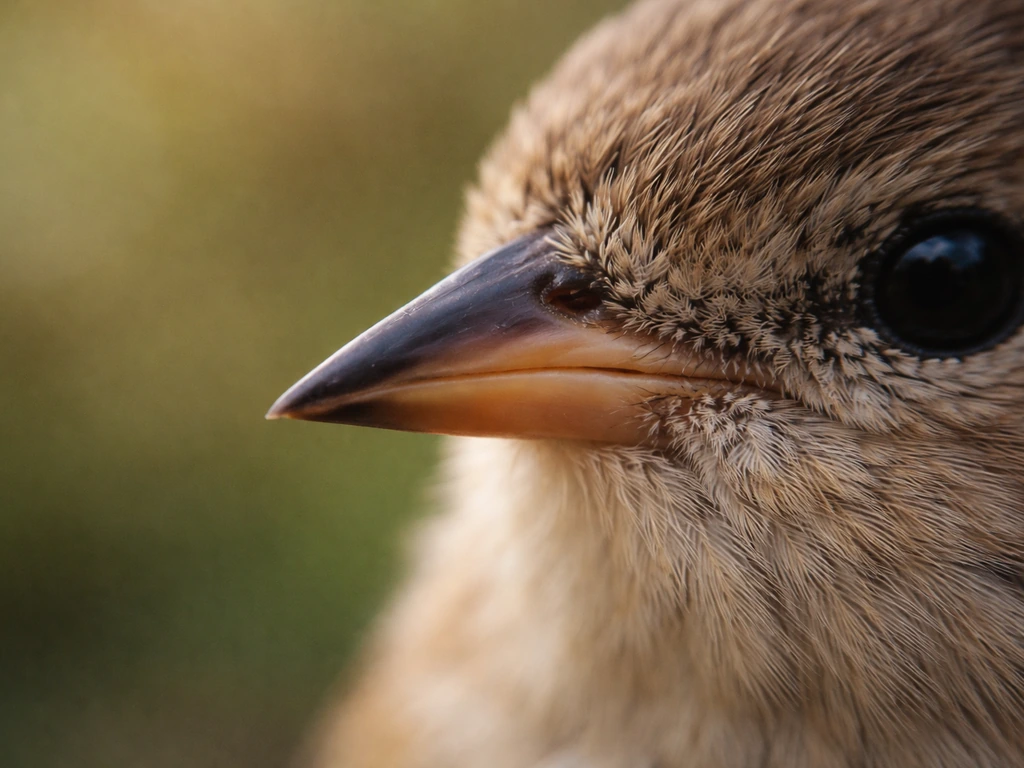
Bird Beak Meaning in Hindi: Chonch, Bill, Pronunciation
Bird beak in Hindi chonch or bill, pronunciation, examples, beak vs bill differences, and figurative Hindi use