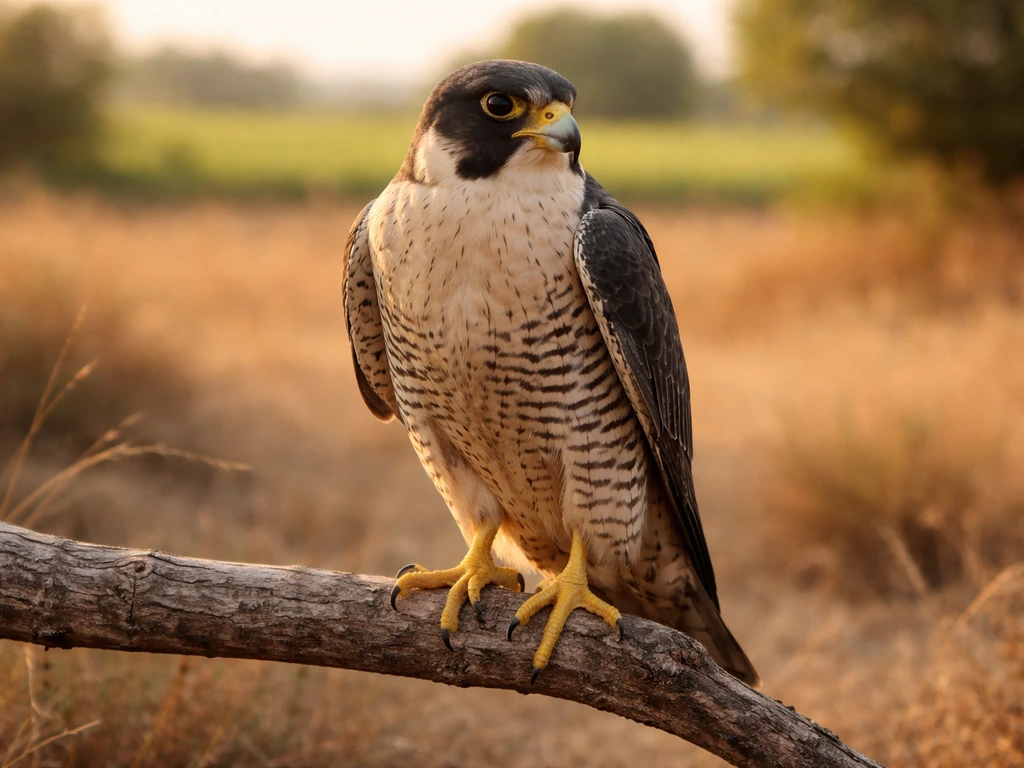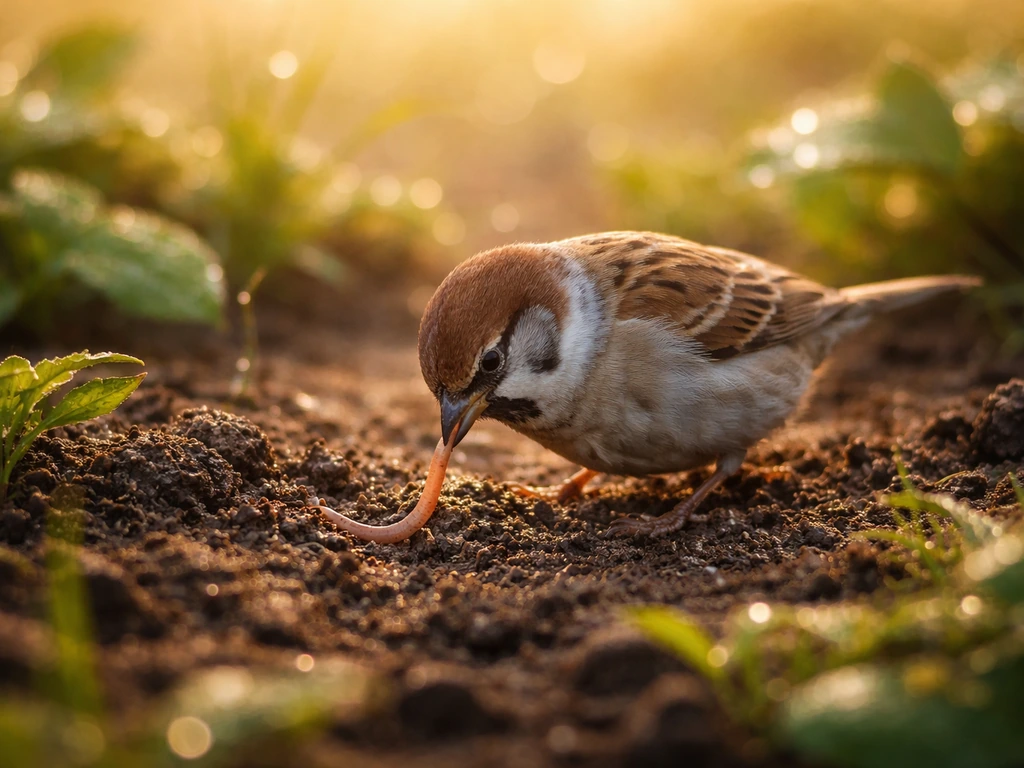
In Hindi, 'bird peck' most naturally translates as 'चोंच मारना' (choṃch mārnā) or 'चुगना' (cugnā), depending on what the bird is actually doing. 'चोंच मारना' covers the sharp, striking action of a beak hitting something, while 'चुगना' describes the gentler, repetitive picking-up of grain or seeds. If you are looking for a single phrase that captures the English idea of a 'bird peck,' 'चोंच मारना' is your safest, most widely understood choice.
Bird Peck Meaning in Hindi: Translation, Examples

Rajesh Sharma
25 Apr 2026
What 'bird peck' actually means in Hindi
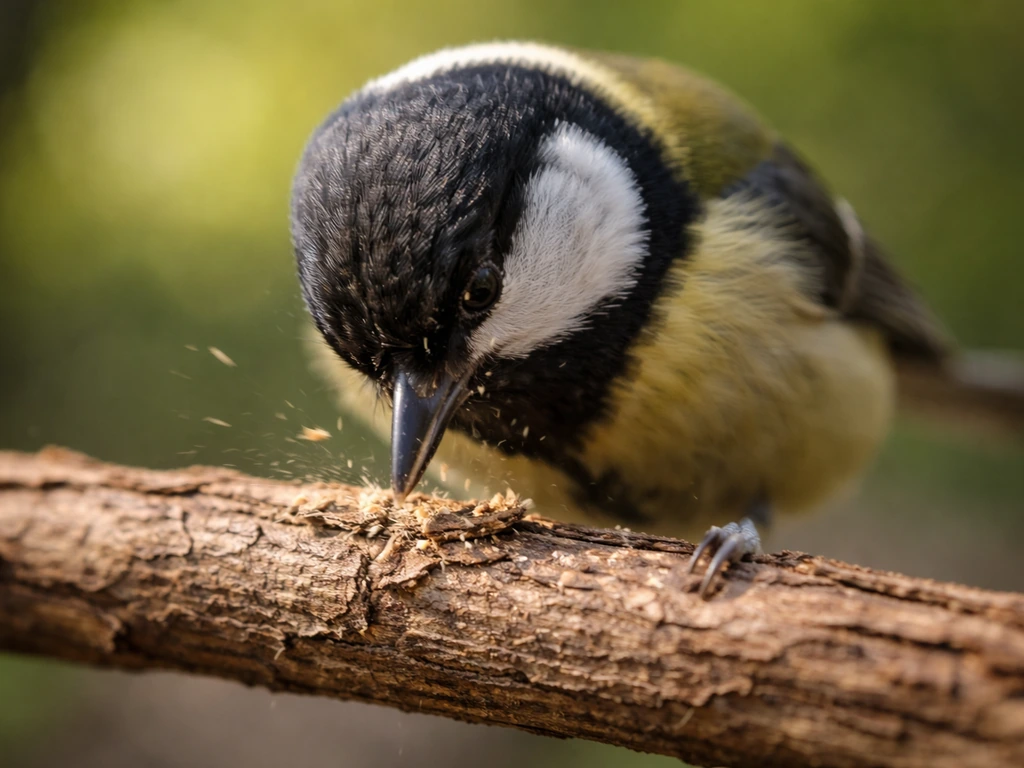
The English word 'peck' carries two slightly different shades. The first is a forceful, pointed strike with the beak, the kind a woodpecker delivers against bark or a crow delivers against a surface. The second is the lighter, repetitive motion of picking up seeds or food, the way hens move around a yard. Hindi separates these two actions quite cleanly, which is actually more precise than English.
| English idea | Hindi term | Pronunciation | Best used when... |
|---|---|---|---|
| Strike/hit with beak | चोंच मारना | choṃch mārnā | The bird is pecking at wood, a surface, or a person |
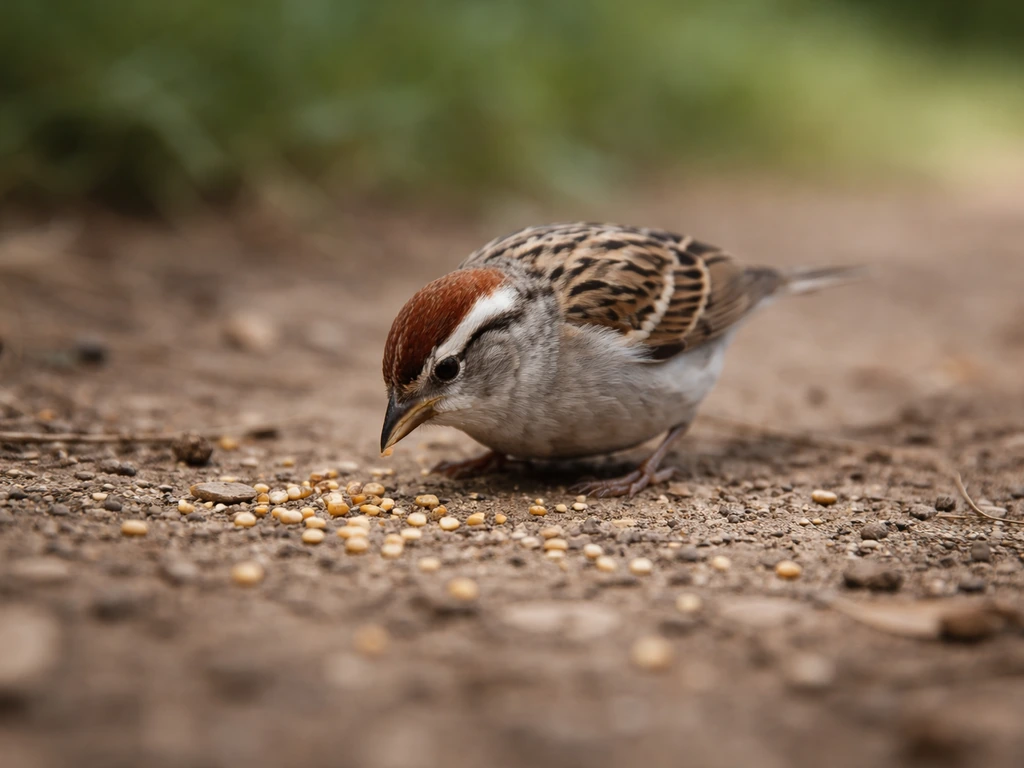
| Pick up food with beak | चुगना | cugnā | The bird is feeding, picking seeds from the ground |
| Peck repeatedly / drill | ठोकना | ṭhoknā | Hammering-type pecking, like a woodpecker |
| Peck / nibble at food | कुतरना | kutarnā | Gnawing or nibbling at something piece by piece |
The term 'चोंच' (choṃch) itself means beak or bill, so 'चोंच मारना' is literally 'to strike with the beak.' This is the construction you will find in most Hindi dictionaries and everyday conversation when someone describes a bird pecking at something. The Rekhta dictionary lists it as a distinct verbal unit, confirming it is standard usage and not just a loose phrase.
Hindi action words for pecking behavior
Hindi is a verb-rich language, and bird pecking behavior draws on several verbs depending on context. Here are the key ones a learner or translator needs to know, along with example sentences so you can see them in real use.
- चोंच मारना (choṃch mārnā) — to peck/strike with beak: 'चिड़िया ने पेड़ की छाल पर चोंच मारी।' (The bird pecked at the bark of the tree.)
- चुगना (cugnā) — to pick up/eat by pecking: 'मुर्गियाँ धूल में दाना चुग रही थीं।' (The hens were pecking at grain in the dust.) — this maps directly to Collins English-Hindi examples like 'Chickens pecked in the dust.'
- ठोकना (ṭhoknā) — to knock/hammer with beak: 'कठफोड़वा लकड़ी को ठोक-ठोक कर छेद करता है।' (The woodpecker drills into the wood by pecking repeatedly.)
- कुतरना (kutarnā) — to nibble/gnaw at: 'तोते ने फल को कुतरना शुरू किया।' (The parrot began to nibble/peck at the fruit.)
- चोंच से खुरचना (choṃch se khurchnā) — to scrape with the beak: used when a bird scrapes rather than strikes, less common but understood in descriptive writing
For a Hindi learner, the most important takeaway is that 'peck' is not a single verb in Hindi. You pick the verb based on whether the bird is eating, striking, or drilling. When in doubt, 'चोंच मारना' works for almost every context and will be understood by any Hindi speaker.
Literal action vs figurative meaning: which one do you need?
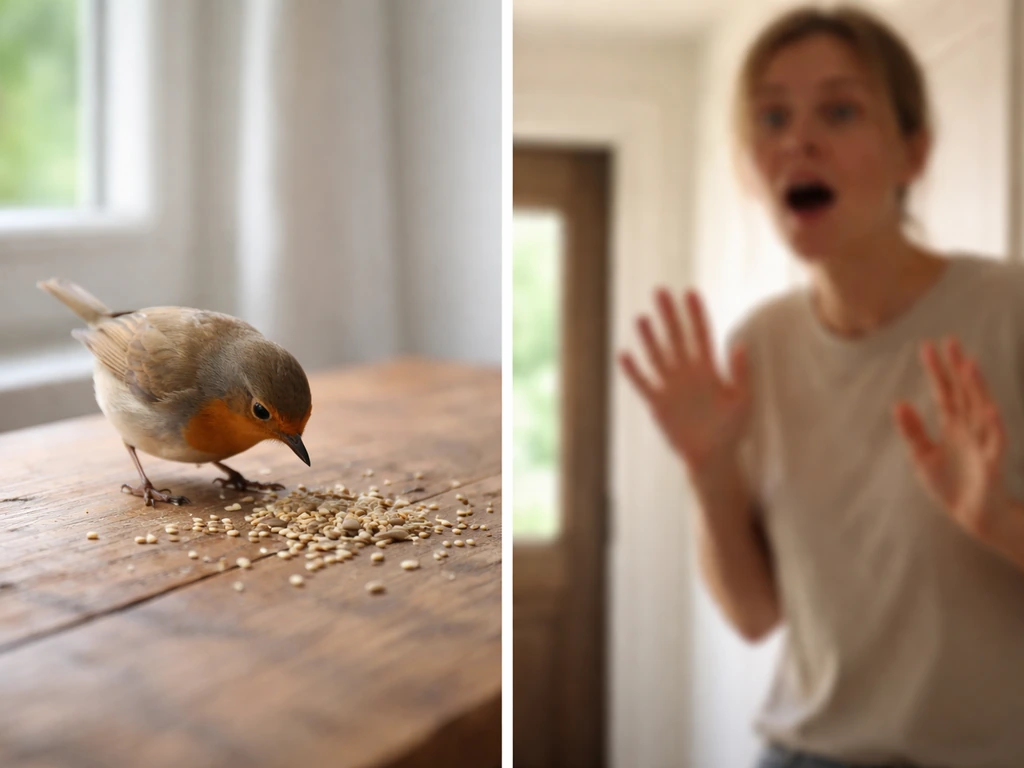
This is where 'bird peck meaning in Hindi' gets interesting, because the phrase can mean very different things depending on who is asking. In Hindi, the phrase woodpecker bird meaning in hindi is often discussed in relation to the beak action “चोंच मारना” and the cultural symbolism of pecking behavior bird peck meaning in Hindi. A biology student wants a literal translation. A folklore researcher or someone who had a crow peck at their head this morning wants a cultural or spiritual interpretation. Indian tradition treats bird behavior, especially beak strikes, as potentially meaningful signs.
The literal reading
In a literal, scientific, or everyday descriptive context, bird pecking is simply a physical action. 'The bird began to peck at the seeds' becomes 'चिड़िया ने बीजों को चुगना शुरू किया' or 'चिड़िया बीजों पर चोंच मारने लगी.' Both are correct; the first emphasizes feeding, the second emphasizes the striking action. This is the reading you want for school projects, nature writing, or translation work.
The figurative and cultural reading
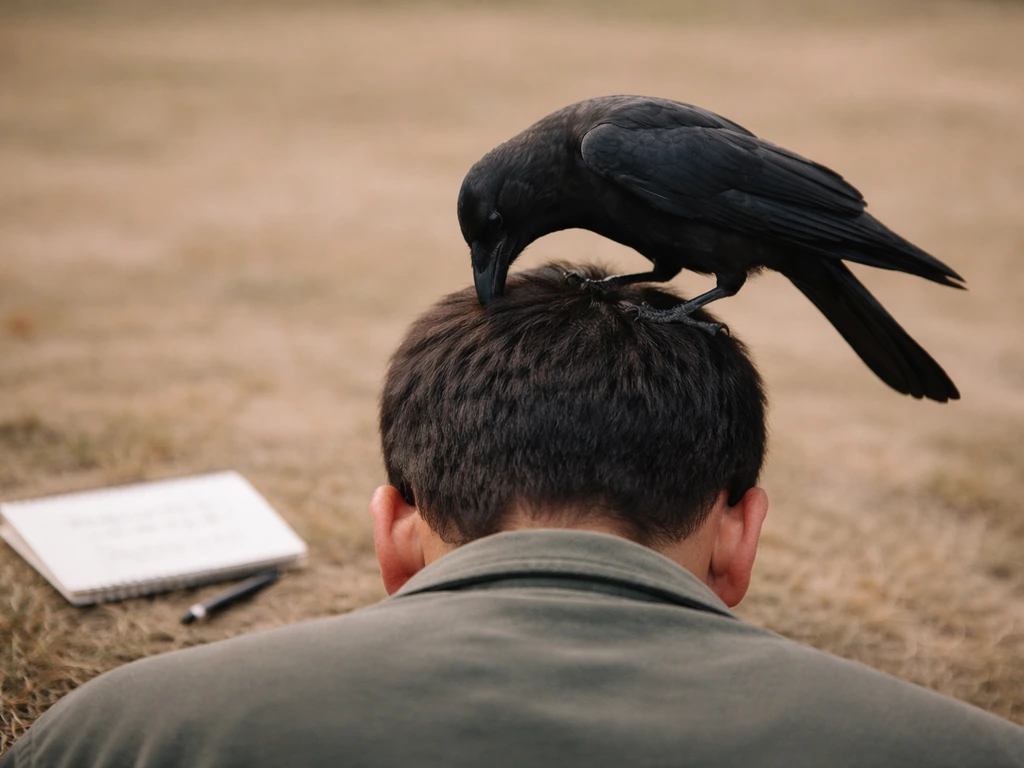
In Indian folk belief and Hindu cultural tradition, a bird pecking at a person, particularly on the head, carries symbolic weight. A crow pecking at your head (कौवे का सिर पर चोंच मारना) is one of the more commonly discussed omens in Hindi-language religious and cultural texts. Depending on context, it may be read as a warning, a message from an ancestor (since crows are associated with pitru, ancestral spirits, in Hindu belief), or simply as the bird protecting its territory. The phrase 'चोंच मारना' here takes on a layered meaning beyond the physical act. Regional traditions in Maharashtra, Punjab, and Gujarat each carry their own folk readings of bird behavior, though the crow's beak strike is perhaps the most widely recognized across northern and central India.
If you are searching 'bird peck meaning in Hindi' because something happened to you or someone you know, and you want to know if it carries a spiritual message, that is a completely valid reading within Indian cultural tradition. The short answer is that it depends on the bird species, the body part affected, the time of day, and the direction the bird came from. These details matter in shastra-based interpretations, which is a separate topic worth exploring through jyotish or pakshi shastra resources.
Pecking in Hindi idioms and Indian-language expressions
Hindi and other Indian languages have idioms and expressions that draw on bird pecking behavior, even if they are not always labeled as such. These are worth knowing because they show up in literature, conversation, and even proverbs.
- 'चोंच मारना' used figuratively: Beyond birds, 'चोंच मारना' can describe someone interfering in a matter uninvited, similar to 'sticking one's beak in' in English. 'उसने बात में चोंच मारी' (He poked his nose/beak into the conversation) is a recognized idiomatic use.
- 'कौवे का चोंच मारना' (crow pecking): In folk omens, a crow pecking at the door or roof of a house is sometimes read as a sign of an incoming guest or a message. This is rooted in the crow's role as a messenger between the living and the ancestors in Hindu tradition.
- 'कठफोड़वा की तरह ठोकना' (to peck like a woodpecker): Used informally to describe someone who is persistent, repetitive, or annoyingly insistent, much like the English idiom of someone 'hammering away' at a point.
- In Punjabi, the equivalent of 'to peck' often uses 'ਠੋਕਣਾ' (ṭhoknā) for forceful pecking or 'ਚੁਗਣਾ' (cugnā) for feeding, closely mirroring the Hindi equivalents.
- In Marathi, 'चोच मारणे' (choch māraṇe) is the direct parallel to Hindi 'चोंच मारना,' used in both literal and mildly figurative senses in everyday speech.
The woodpecker (कठफोड़वा, kaṭhphoṛvā) is itself a fascinating word in this context. The name literally breaks down as 'kaṭh' (wood) plus 'phoṛnā' (to break/split), so the pecking behavior is built right into the bird's Hindi name. If you are exploring pecking-related vocabulary, the woodpecker entry is a natural companion topic, and similarly, the beak itself as a body part (चोंच) is central to understanding all these constructions.
Peck, pecked, pecking: getting the right form in Hindi
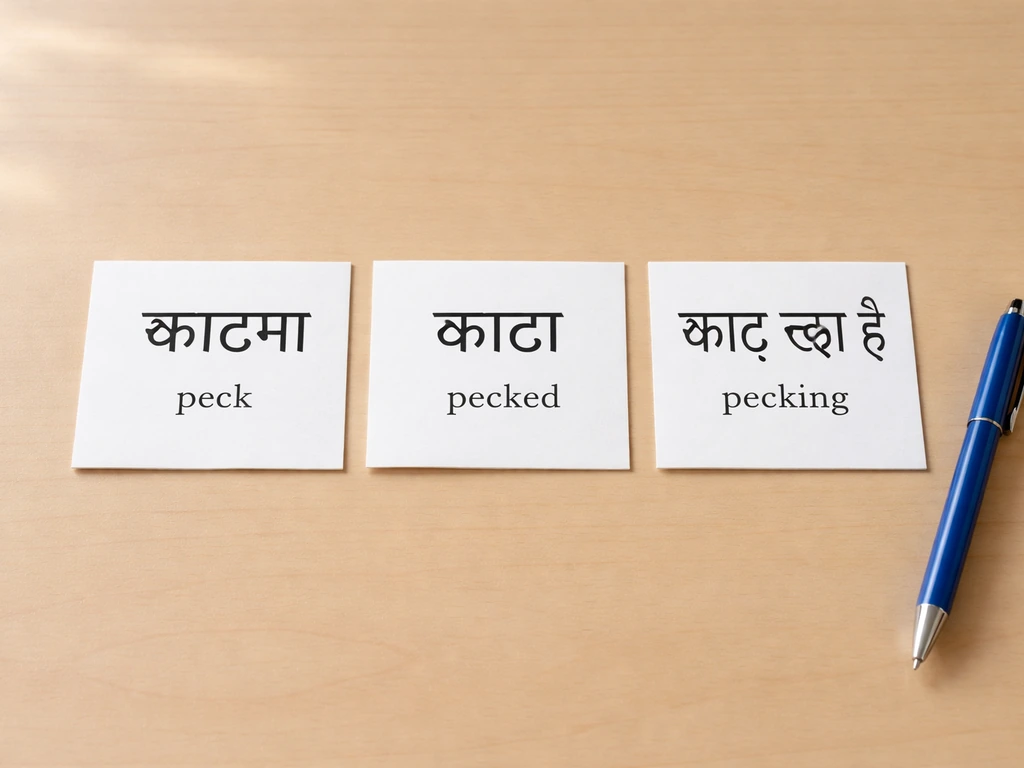
One common source of confusion when searching for 'bird peck meaning in Hindi' is that English has multiple tense forms of the same word, and users may be looking for different things. Hindi handles tense through verb conjugation, so the root verb changes form. Here is a quick reference.
| English form | Hindi equivalent | Example sentence | Notes |
|---|---|---|---|
| peck (base/infinitive) | चोंच मारना / चुगना | पक्षी चोंच मारता है। | Use for general statements, dictionary lookups |
| pecks (present simple) | चोंच मारता है / चुगता है | चिड़िया दाना चुगती है। | Agrees with subject gender in Hindi |
| pecked (past simple) | चोंच मारी / चुगा | उसने चोंच मारी। | Past form changes by gender and number |
| pecking (present continuous) | चोंच मार रहा है / चुग रहा है | चिड़िया चुग रही है। | Standard continuous construction with 'रहा/रही' |
| to be pecked (passive) | चोंच मारा जाना | वह चोंच मारा गया। | Passive voice, less common in everyday speech |
The most frequent search confusion is between 'pecking' and 'pecked.' If you are translating a past event, 'चोंच मारी' or 'चुगा/चुगी' is what you need. If you are describing ongoing behavior (the bird is pecking right now), use the continuous form with 'रहा है' or 'रही है.' Hindi verbs also agree with the gender of the subject, so a female bird (चिड़िया, feminine) will use 'चोंच मार रही है,' not 'चोंच मार रहा है.'
It is also worth quickly separating 'peck' from nearby English words that sometimes get mixed up in searches. 'Bird beat' is a different action entirely (beating wings, not the beak), and 'bird beak' refers to the body part itself rather than the action. If you also meant the body part, check what “bird beak” means in Hindi, since it is usually referred to as “चोंच”. The word 'पंख' (paṃkh) refers to feathers or wings, not the beak or pecking motion. If you are wondering about the bird pankh in English meaning, it generally refers to a bird’s wings or feathers पंख. Keeping these distinctions clear will save you from pulling up the wrong Hindi term.
How to quickly confirm the right meaning for your context
If you are unsure which Hindi word fits your specific sentence, here is a fast decision process you can use right now.
- Ask: is the bird eating or striking? If it is picking up food (grain, seeds, fruit), use 'चुगना.' If it is hitting or drilling into a surface (wood, ground, a person), use 'चोंच मारना' or 'ठोकना.'
- Ask: is this a literal or symbolic context? For school, nature, science, or translation work, go with 'चोंच मारना' or 'चुगना.' For spiritual omens, dreams, or folk belief, look for the specific bird involved and consult pakshi shastra or jyotish-based interpretations where the bird species matters enormously.
- Check the bird species: a woodpecker (कठफोड़वा) pecks for food and territory marking, so 'ठोकना' fits best. A pigeon or hen pecking at grain is 'चुगना.' A crow striking a surface or person is 'चोंच मारना.'
- For Hindi learners verifying a translation: type 'चोंच मारना meaning' or 'चुगना meaning' into a trusted bilingual dictionary like Hinkhoj, Shabdkosh, or Rekhta to see example sentences and confirm the fit.
- For cultural or symbolic meanings: search specifically for the bird name plus 'चोंच मारना शकुन' (omen) or 'चोंच मारना अर्थ' (meaning) in Hindi to find folk and religious interpretations rather than linguistic ones.
The core phrase to remember is 'चोंच मारना.' It is natural, widely understood across Hindi-speaking regions, and covers the most common uses of 'bird peck' in both literal and everyday figurative speech. Pair it with 'चुगना' when the feeding context is clear, and you will have the full range of what English speakers mean when they say a bird pecked. Whether you are a language learner building vocabulary, a translator working on a text, or someone trying to understand a cultural sign, these two constructions will carry you through almost every situation.
FAQ
अगर मुझे “bird peck” का passive या “beak was struck” जैसा अर्थ लिखना हो, तो कौन सा हिंदी रूप सही रहेगा?
हाँ, “चोंच मारना” के साथ आप “मारा गया” जैसे passive अर्थ भी बना सकते हैं, जैसे “किसी ने चिड़िया की चोंच मारी” नहीं, बल्कि “किसी वस्तु पर चिड़िया की चोंच मारी गई/लगी” (संदर्भ पर निर्भर) जैसे वाक्यों में। रोज़मर्रा की भाषा में चोंच मारना बतौर क्रिया सबसे स्वाभाविक रहता है, जबकि passive रूप लिखित शैली में ज्यादा दिखता है।
“चोंच मारना” और “चुगना” में फर्क कैसे पहचानूं, खासकर जब कार्रवाई हल्की लगे?
“चुगना” में आम तौर पर भोजन करना, दाना उठाकर खाना वाला भाव होता है, इसलिए अगर bird बस चोंच से बार-बार किसी सतह पर टिक-टिक करके देख रही है, तो “चोंच मारना” ज्यादा फिट बैठता है। खाने का स्पष्ट संदर्भ (बीज, दाना, जमीन) हो तो “चुगना” चुनें।
“bird peck” अगर हाल ही में हुआ हो (just now), तो हिंदी अनुवाद में tense कैसे रखें?
जब समय “अभी-अभी” या “कुछ देर पहले” हो, तब अक्सर simple past/near-past टोन के लिए “चोंच मारी/चुगा/चुगी” ठीक रहता है, और “शुरू किया” या “लग गई” जैसे सहायक शब्द जोड़कर वाक्य को natural बनाया जा सकता है। उदाहरण के लिए “अभी-अभी चिड़िया ने बीजों पर चोंच मारी” (या “चुगने लगी”) जैसी लाइनें बोली में ज्यादा चलती हैं।
लकड़हारा (woodpecker) के लिए “चोंच मारना” पर्याप्त है, या अतिरिक्त शब्द जोड़ने चाहिए?
यदि आप “woodpecker pecking” का मतलब ‘बढ़ई की तरह लकड़ी में छेद करना’ लेना चाहते हैं, तब “चोंच मारना” तो सही है, लेकिन साथ में “लकड़ी/बर्क पर” और “लगातार” या “छेद कर” जैसे शब्द जोड़ना ज्यादा सटीक बनाता है। अकेले “चोंच मारना” बहुत general रह सकता है, इसलिए स्थान और उद्देश्य स्पष्ट करें।
अगर किसी ने इसे omen कहा, तो मुझे अनुवाद में symbolical अर्थ जरूर जोड़ना होगा?
कई लोग “चोंच मारना” को सिर पर होने पर ही omen मान लेते हैं, जबकि सामान्य प्रकृति वर्णन में ऐसा मानना जरूरी नहीं है। अगर संदर्भ घटना-के-रूप में है (जैसे अचानक डर/चौंक), तो व्यक्ति की व्याख्या का उल्लेख अलग से करें, लेकिन literal रिपोर्टिंग के लिए केवल शारीरिक क्रिया लिखें ताकि अर्थ भ्रमित न हो।
अंग्रेज़ी में अगर “birds peck” से habit/regular behavior दिखाना हो, तो हिंदी में क्या बदलता है?
लिखित हिंदी में “चोंच मार रही है” (वर्तमान में) के अलावा “चिड़िया चोंच मारती है” (आदत/सामान्य तथ्य) भी बहुत काम आता है। यानी ongoing को “रहा है/रही है” से, और habit को साधारण present (“करती है/मारती है”) से दिखाइए।
अगर घटना का अर्थ समझना है, तो क्या सिर के अलावा अन्य body parts के लिए वाक्य को कैसे specify करूं?
जैसे वाक्य “एक पक्षी ने मेरी टोपी पर चोंच मारी” में direction भरने से अर्थ साफ हो जाता है। शास्त्रीय व्याख्या में दिशा मायने रख सकती है, और practical translation में भी “किस तरफ से” या “किस जगह” (सिर, कंधा, हाथ) का उल्लेख करने से पाठक को वही visualization मिलता है।
सबसे आम गलती क्या होती है, और उसे जल्दी कैसे पकड़ें?
यदि आपका लक्ष्य केवल action है, तो “पंख” (wings/feathers) से बचें, क्योंकि “bird peck meaning in hindi” में गलती से लोग “पंख” या “चोंच” की जगह “पंख” डाल देते हैं। एक छोटा चेक करें, सवाल खुद से पूछें: क्या beak किसी चीज को hit कर रहा है? अगर हाँ, “चोंच”, नहीं तो motion के अनुसार अलग शब्द।