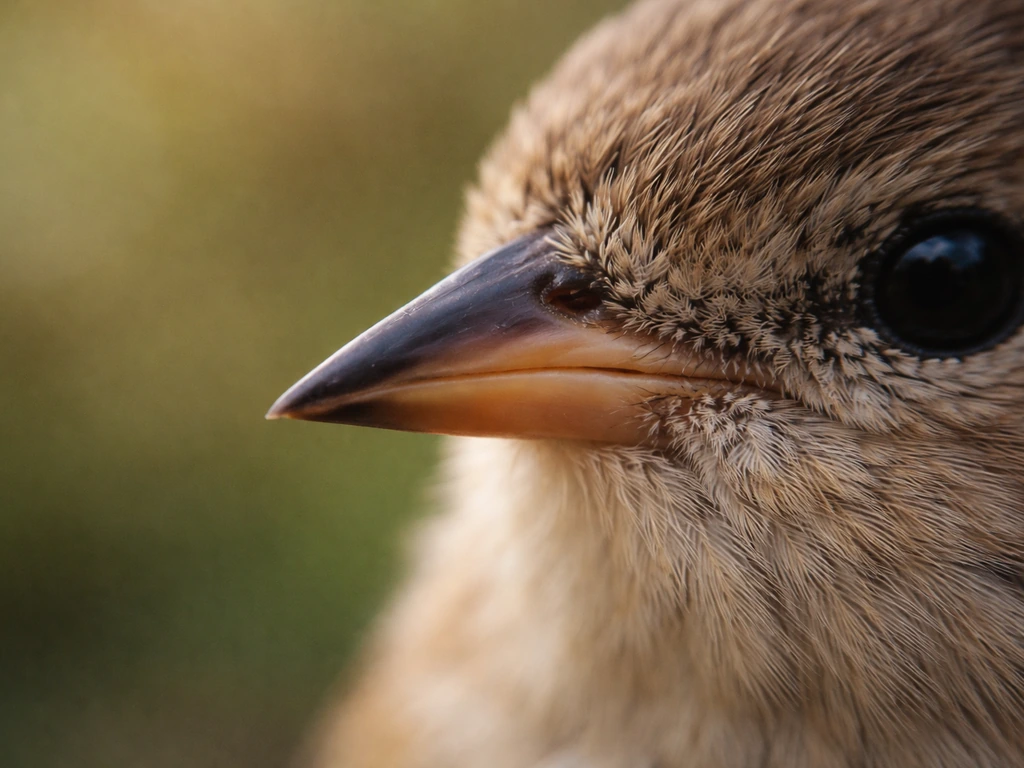
The Hindi word for goose (and swan) is हंस, pronounced "hans" (rhymes roughly with "funds" but with a soft nasal ending). If someone asks you "goose bird meaning in Hindi," that single word हंस is your direct answer. The plural "geese" doesn't change the Hindi word itself; Hindi doesn't inflect हंस differently for singular versus plural in everyday speech, so whether you're talking about one goose or a whole flock, हंस covers it. That said, there's a lot more going on beneath this deceptively simple translation, and understanding it will help you use the word correctly, appreciate its cultural depth, and avoid some very common mix-ups.
Geese Bird Meaning in Hindi: Goose Meaning, Symbolism

Rajesh Sharma
4 Apr 2026

The Hindi word for goose: translation and pronunciation
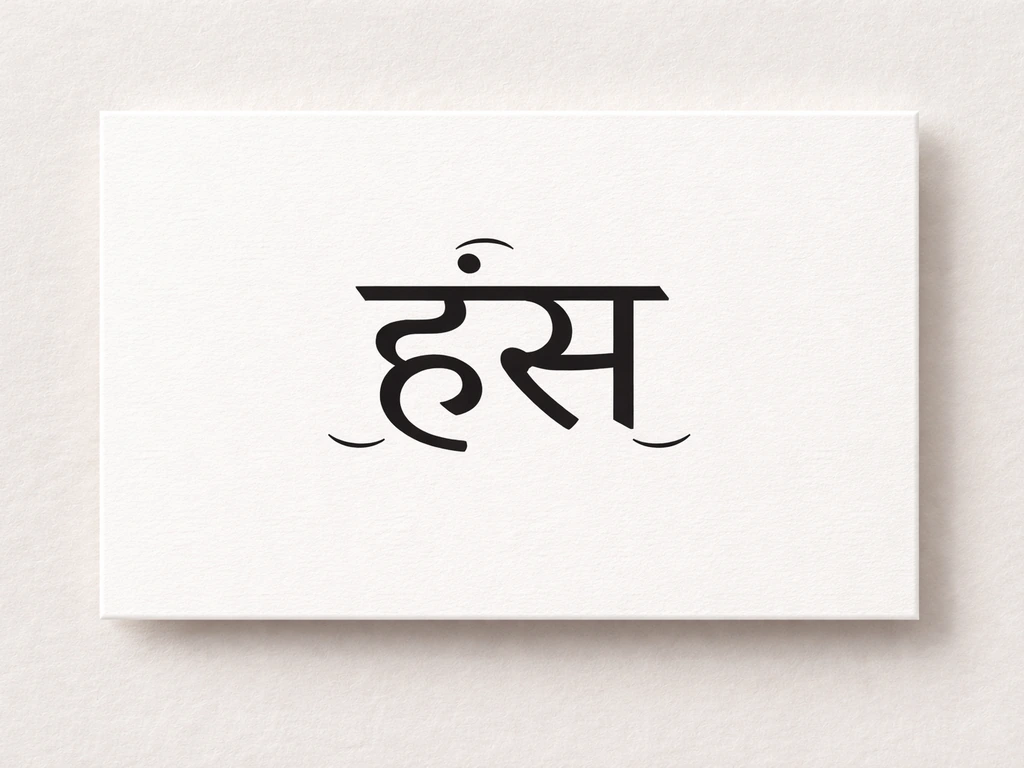
The primary Hindi translation for goose is हंस (hans). The "h" is breathy and aspirated, the "a" is short and open (like the "u" in "fun"), and the "ns" ending is gentle, almost hummed. You'll sometimes see it romanized as "hansa" or "hamsa" depending on context, but for everyday Hindi speech, "hans" is what you'll hear. A reliable Hindi language resource lists the translation plainly: English "Goose, Swan" maps to Hindi हंस with transliteration "Hans."
One important note on pronunciation: don't over-stress the final consonant. Hindi speakers soften it. Think of it as a breath rather than a hard stop. If you've ever heard the word in devotional songs or classical poetry (more on that below), you'll recognize it immediately.
Singular, plural, and gender: the word-level details
In English, the singular is "goose" and the plural is "geese" (an irregular form). Hindi handles this differently. हंस is a masculine noun (पुल्लिंग, pullinga). For plural, you can say हंस (unchanged in many contexts) or use हंसों (hansoon) when it's in an oblique/postpositional phrase, such as "हंसों का झुंड" (hansoon ka jhund, meaning "a flock of geese"). In everyday conversation, though, context usually makes number clear and Hindi speakers don't fuss over it the way English does with goose/geese.
There are also a few related terms worth knowing. राजहंस (raajhans, literally "royal goose/swan") is used specifically in some contexts to denote a larger, more majestic water bird, and in popular Hindi media the term is discussed as distinct from plain हंस. बतख (batakh) is the word for duck, and it's important not to mix these up since they're different birds with completely different cultural associations. You'll get to that distinction in the ornithology section below.
How geese are named across Indian languages
The word हंस doesn't belong to Hindi alone. It descends directly from the Sanskrit हंस (haṃsa), and variants of it appear across nearly every major Indian language. Here's a quick reference:
| Language | Word/Script | Romanization | Notes |
|---|---|---|---|
| Sanskrit | हंस | haṃsa / hamsa | Root word; means goose, swan, duck, or flamingo depending on context |
| Hindi | हंस | hans | Primary translation for both goose and swan |
| Marathi | हंस / राजहंस | hans / raajhans | Both forms used; Marathi Vishwakosh has dedicated entries for each |
| Gujarati | હંસ | hansa | Rekhtagujarati glosses it as goose/swan; राजहंस also used for bar-headed goose |
| Punjabi | ਹੰਸ | hans | Same Sanskrit-derived root; used in Gurbani and classical poetry |
| Tamil | அன்னப்பறவை | annapparavai | Different phonological root; anna = swan/goose bird |
| Telugu | హంస | hamsa | Direct Sanskrit borrowing, same semantic range |
The Sanskrit haṃsa is actually cognate with the English word "goose" itself, both tracing back to a Proto-Indo-European root. That's a fun fact to drop in a language class. The Gujarati Vishwakosh specifically links राजहंस (raajhans) to the bar-headed goose, which is a real migratory species that famously flies over the Himalayas, and this local usage reflects how vernacular encyclopedias tried to pin down the somewhat fluid haṃsa concept to specific species.
The rich symbolism of the goose in Indian tradition

Here's where the meaning goes far beyond a dictionary entry. In Indian mythology and philosophy, हंस (hamsa) is one of the most loaded symbols in the entire tradition. It represents the soul (Atman) in its journey toward liberation (moksha). The Hamsa Upanishad describes the Atman as a hamsa bird migrating through existence, and the Nadabindu Upanishad uses the same bird metaphor to compare the Self to a hamsa resting in the lotus of the heart. The idea is that the hamsa, like the migrating goose, is never bound to one place; it passes through the world without being trapped by it.
The word परम-हंस (paramahaṃsa) takes this further. It combines परम (parama, meaning "supreme" or "highest") with हंस, glossed as "swan or wild goose," to denote a spiritually liberated being. This is why great saints like Ramakrishna Paramahamsa carry the title. The goose/swan that has transcended ordinary existence becomes the metaphor for the highest state of spiritual realization.
In Hindu iconography, the hamsa is also the vahana (vehicle/mount) of Brahma, the creator, and of Saraswati, the goddess of knowledge and arts. The bird's white color is read as purity, and there's a beloved folk legend that the hamsa can separate milk from water when the two are mixed, drinking only the milk. This became a metaphor for the discerning intellect (viveka) that separates the real from the unreal. You'll find this milk-and-water story referenced in classical poetry, Sufi verse, and even modern Hindi literature.
The Manu-smriti (Chapter 5) actually lists हंस among the birds whose consumption is restricted, categorizing it distinctly from other water birds like the duck (cakrāhva) and the crane (sarasa). This shows that even ancient Sanskrit legal texts treated हंस as its own recognized category of bird, not just a catch-all term.
Goose, swan, or flamingo? Sorting out the confusion
This is the part that trips up almost everyone. In modern English, goose and swan are clearly different birds. But in classical Sanskrit and traditional Hindi usage, हंस blurs the line between goose, swan, flamingo, and sometimes even duck. The Sanskrit dictionary entry for हंस (haṃsa) lists senses including "a swan, goose, duck, flamingo," which tells you everything you need to know about how ancient texts used the term.
Scholars have pointed out a real ornithological problem here: true swans (like the mute swan) aren't native to the Indian subcontinent, so what classical poets were describing was almost certainly a large, white, migratory water bird that fits the bar-headed goose far better. The bar-headed goose migrates across the Himalayas, is visually striking and white-ish, and was a familiar sight to people in North India. This is why many modern translators of Sanskrit texts now choose "goose" over "swan" when they encounter हंस.
For practical Hindi use, here's the clearest breakdown of the three commonly confused birds:
| English | Hindi Word | Romanization | Key distinction |
|---|---|---|---|
| Goose | हंस | hans | Large migratory waterfowl; shares term with swan in classical usage |
| Swan | हंस / राजहंस | hans / raajhans | In modern Hindi, often still called हंस; राजहंस used in some regional/formal contexts |
| Duck | बतख | batakh | Smaller waterfowl; completely separate word and symbolism |
| Flamingo | राजहंस (in some dialects) | raajhans | Pink wading bird; sometimes conflated in popular media |
The duck distinction is the most important one for everyday conversation. If you say हंस when you mean बतख, a Hindi speaker will picture a graceful, mythologically charged bird rather than the stocky domestic duck. The cultural weight is completely different. Just as the pigeon bird in Hindi carries its own distinct symbolism and name, each waterfowl in the Hindi lexicon occupies its own semantic space even when they look superficially similar.
One more comparison worth noting: the kingfisher is another water-associated bird with a rich Hindi identity. If you've explored the kingfisher bird's meaning in Hindi, you'll have seen how Indian languages assign specific, non-overlapping names to birds that share a habitat, even when Western observers might lump them together as "river birds." The same principle applies here: हंस and बतख both live near water, but no Hindi speaker would confuse them.
Using हंस correctly in Hindi sentences and cultural contexts

Everyday sentences
Here are some practical examples to help you use the word naturally:
- वह एक सफेद हंस है। (Vah ek safed hans hai.) — That is a white goose/swan.
- तालाब में हंसों का झुंड तैर रहा है। (Taalaab mein hansoon ka jhund tair raha hai.) — A flock of geese is swimming in the pond.
- हंस सरस्वती का वाहन है। (Hans Saraswati ka vaahan hai.) — The goose/swan is Saraswati's vehicle.
- बरफीले पहाड़ों के ऊपर से हंस उड़ते हैं। (Barfeelay pahaadoon ke oopar se hans udte hain.) — Geese fly over the snowy mountains.
- उसकी आत्मा एक परमहंस की तरह शुद्ध थी। (Uski aatma ek paramahamsa ki tarah shuddh thi.) — His soul was pure like a paramahamsa.
In poetry and classical literature
Classical Hindi and Urdu poetry uses हंस constantly as a metaphor for the soul, the beloved, or the spiritually refined person. You'll encounter lines where the poet calls himself a हंस wandering in the world, separated from the divine lake (often Mansarovar, the sacred Himalayan lake). This image of the हंस longing to return to Mansarovar is one of the most beloved tropes in Bhakti and Sufi poetry. When you read a couplet referring to a हंस drinking from a pure lake, the poet is almost always talking about the soul seeking God, not a literal bird on a pond.
Educational material in Hindi, like content produced by CIIL (Central Institute of Indian Languages), uses the phrase "सफेद हंस" (safed hans, white swan/goose) in straightforward school contexts, showing that the word is equally at home in a first-grade nature lesson and a philosophical treatise.
In religious and conversational contexts
If you're visiting a temple dedicated to Saraswati or Brahma, you'll often see the हंस depicted in sculptures and paintings. Commenting "यह हंस ब्रह्मा जी का वाहन है" (Yah hans Brahma ji ka vaahan hai, "This goose is Brahma's vehicle") will earn you immediate respect from a guide or devotee. In daily conversation, calling someone a "परमहंस" is a high compliment implying spiritual wisdom, though it's reserved for genuinely revered figures.
If you're building out your bird vocabulary beyond waterfowl, it helps to study birds that occupy entirely different ecological and symbolic niches. The finch bird's meaning in Hindi is a good example of a small land bird whose symbolism and name operate in a completely different register from हंस, which will sharpen your sense of how Hindi categorizes birds by their cultural role as much as by their biology.
A note on birds that don't have this cultural depth in India
Not every bird carries the mythological weight of हंस. Some birds entered Indian awareness only through contact with other cultures or geographies. The puffin bird's meaning in Hindi, for instance, requires explanation precisely because puffins aren't part of the Indian landscape or tradition at all. Similarly, the penguin bird in Hindi is a modern borrowing with no ancient cultural resonance. The हंस, by contrast, has been embedded in Indian thought for over three thousand years, which is exactly why its translation is nuanced rather than simple.
That depth is worth appreciating. When you look up "geese bird meaning in Hindi" and land on हंस, you're not just getting a dictionary word. You're touching one of the oldest, most philosophically rich bird concepts in any language tradition in the world. Use it well.
FAQ
If geese is plural in English, should I change हंस in Hindi for “geese”?
In everyday spoken Hindi, you can say हंस for both one bird and multiple birds, and number is usually understood from context. If you want to sound more explicit, use plural forms like हंसों (हंसों का झुंड), especially in oblique phrases.
I saw हंस written as hansa or hamsa online, what’s the correct form in Hindi?
Yes, but be careful with the romanization. You will often see हंस written as हंस or sometimes approximated as hansa/hamsa in transliteration. In plain Hindi speech and writing, stick to हंस, and focus on the soft final sound rather than turning it into a “hard” English-style ending.
When translating हंस, can I always use “swan” in English, or is “goose” safer?
Don’t assume हंस always maps to “swan” in modern English. In classical Sanskrit and traditional usage, हंस can cover goose, swan, and other white-ish water birds, so the best translation depends on the specific passage or the poet’s image (purity, milk-water metaphor, spiritual soul), not only the English category.
What happens if I mix up हंस and बतख in conversation?
If you say हंस to mean बतख (duck), listeners may misunderstand because cultural and symbolic associations differ. In Hindi, the most direct way to say duck is बतख, so reserve हंस for the hamsa/goose-swan cultural category rather than everyday farm duck.
In poems that mention हंस drinking or migrating, is it always a metaphor or could it be literal?
Hamsa-style metaphors usually refer to the soul or discerning intellect, not a literal bird. If you’re reading devotional or Sufi poetry, look for nearby ideas like moksha, the divine lake, the heart-lotus, or separation of real and unreal (viveka), since those signals mean the bird is symbolic.
What are common mistakes when writing हंस in Hindi script?
To write it correctly in Devanagari, use हंस, not “हन्स” (common mistaken typing) and not “हँस” unless you know the source has that specific accent mark. For most readers and normal printing, हंस is the standard spelling.
Can I say “सफेद हंस” to make the meaning clearer?
Yes. In Hindi, you can use descriptive modifiers like सफेद हंस (white goose/swan) in educational contexts. This is helpful when the passage is about appearance rather than symbolism, or when you want to be less ambiguous for a learner audience.
Is it okay to call someone “परमहंस” as a casual compliment?
“Paramahamsa” is treated as an honorific title, so it should not be casually used for anyone. If you want to refer respectfully, use it for genuinely revered spiritual figures, and avoid using it as a casual compliment because it carries a specific religious implication.
When I see हंस in temple art, does it always mean the same thing?
In temple or devotional settings, the bird depiction often points to Brahma or Saraswati associations and the deeper idea of purity and discrimination, depending on the artwork. If a guide says it is a particular vahana, follow that attribution, since iconography can vary by tradition and region.
For accuracy, how should I choose between “goose” and “swan” when I’m translating a text?
If you want the most literal, educational, and least culturally loaded option, translate हंस as “goose” in many modern settings, unless the text clearly leans on swan-specific symbolism or a translator’s note indicates otherwise. For precise translation, choose based on imagery and the surrounding metaphor.
Next Article
Bird Beak Meaning in Hindi: Chonch, Bill, Pronunciation
Bird beak in Hindi chonch or bill, pronunciation, examples, beak vs bill differences, and figurative Hindi use