
The 'opium bird' is not a real bird species in Hindi, English, or any ornithological record. It originated as an AI-generated internet meme creature, sometimes called the 'Erosion Bird,' that went viral on TikTok around September 2023. The name came from an aesthetic reference to the record label 'Opium,' not from any actual bird found in nature, Indian folklore, or Hindi bird terminology. So if you searched 'opium bird meaning in Hindi' expecting to find a real species with a Hindi name, the answer is clear: no such bird exists in biology or in the traditional Indian naming systems I cover on this site.
Is Opium Bird Real in Hindi Meaning and Reality Check

Rajesh Sharma
2 Jul 2026

What 'opium bird' means in Hindi
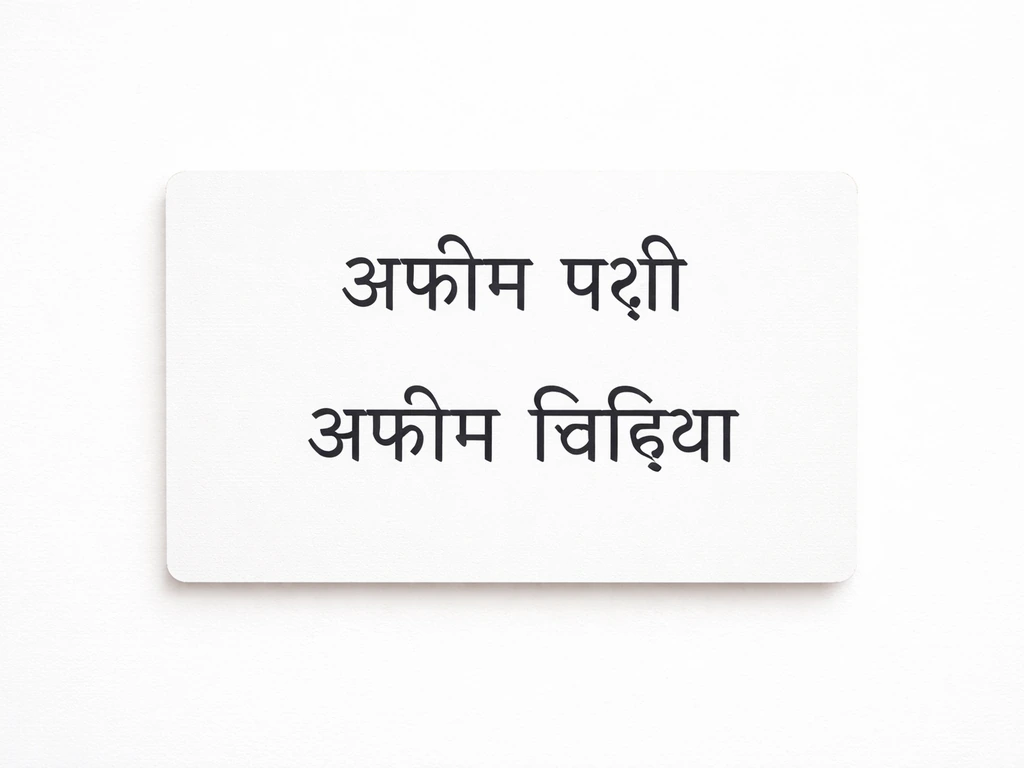
If you were to translate 'opium bird' literally into Hindi, you would get something like अफीम पक्षी (afeem pakshi) or अफीम चिड़िया (afeem chidiya). The Hindi word for opium is अफीम or अफ़ीम (afeem), derived from the Arabic/Persian form and used widely in Hindi and Urdu contexts. The common Hindi words for bird are पक्षी (pakshi), चिड़िया (chidiya), and पंछी (panchhi). But here is the important thing: combining these into 'afeem pakshi' does not produce a recognized bird name, a folk name, or a mythological creature in the Hindi or Sanskrit traditions. It simply reads as a descriptive phrase meaning 'a bird associated with opium' rather than a proper noun or species label.
Hindi news reporting does use the 'afeem + bird' phrasing, but always in a journalistic, descriptive sense. Reports from outlets like Dainik Bhaskar and AajTak describe how birds, particularly parrots (तोते, tote), are drawn to opium poppy fields in Rajasthan and Madhya Pradesh, even becoming addicted to the crop. These stories use phrases like 'अफीम के खेतों के चारों ओर मंडराते हैं' (hovering around opium fields) or 'अफीम को चाव से खाता है' (eating opium with relish) to describe real parrots behaving in unusual ways around poppy cultivation. This is fascinating cultural and ecological reporting, but it never names any bird 'the opium bird' as a species.
What 'opium bird' actually refers to in Indian language and usage
There are really two separate threads to untangle here. The first is the internet meme version: the 'Opium Bird' (also called the Erosion Bird) is explicitly categorized as AI-generated fictional content, not zoology. The Know Your Meme page for it confirms this, as does a Wikimedia Commons file labeled 'Opium-bird.jpg,' which hosts meme artwork rather than a photograph of a real bird. Reddit communities in r/birding and r/brainrot have discussed it openly as a TikTok-born cryptid trend that spread across languages, which explains why Hindi-speaking users started searching for it.
The second thread is genuinely Indian in origin: the real-world phenomenon of opium-addicted parrots in Rajasthan's Chittorgarh district, which has been covered extensively in Indian media. These birds are real, but the parrot (तोता, tota) is their actual name, not 'opium bird.' So Hindi usage of 'afeem + chidiya/tota' is always descriptive of a behaviour, not a naming convention for a distinct species.
How to confirm the exact term you saw
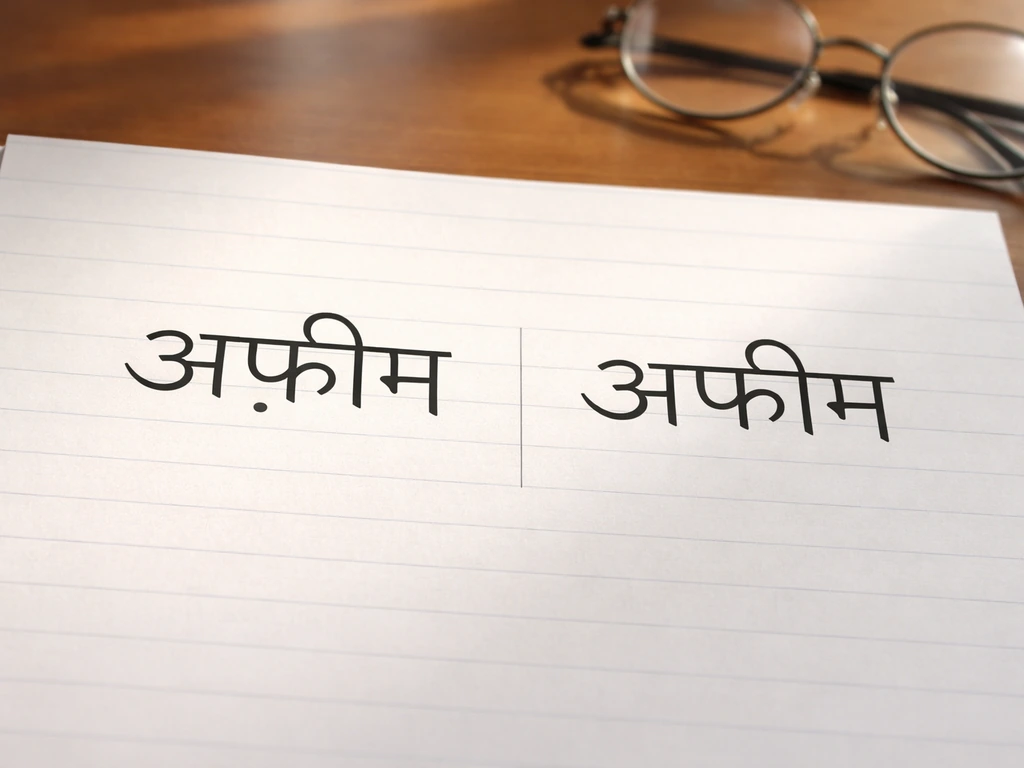
If you came across a Hindi word or phrase and are trying to work out whether it refers to a real bird, here are the practical steps to verify it. The key is distinguishing between a species name and a descriptive phrase.
- Check the script carefully: अफ़ीम (with the nukta under the fa) and अफीम (without it) are both valid spellings of 'opium' in Hindi. If you saw something that looks like one of these combined with पक्षी, चिड़िया, or पंछी, you are looking at a descriptive phrase, not a proper bird name.
- Look for capitalization or proper-noun cues in the original source: real Hindi bird names like मोर (peacock) or चातक (chatak) appear as standalone words with established usage in dictionaries. 'अफीम चिड़िया' is not found in any standard Hindi ornithological glossary.
- Search for the term in Shabdkosh (shabdkosh.com) or Wiktionary's Hindi section. If it returns no bird-specific entry, it is almost certainly a descriptive or meme-derived phrase rather than a recognized name.
- Cross-check in Devanagari: run the phrase अफीम पक्षी through a Hindi news search. You will find only descriptive journalism about drug-affected birds, not encyclopedia or dictionary entries for a bird species.
- If you saw the phrase in Roman script ('afeem pakshi' or 'opium bird') on social media, it almost certainly traces back to the AI meme rather than an Indian ornithological or folkloric tradition.
Hindi naming parallels: similar bird and legend terms worth knowing
The way 'opium bird' gets confused for a real species is actually a pattern worth recognizing. Hindi and Sanskrit have a rich tradition of giving birds evocative names tied to their habits, appearance, or mythological role, and those names can sound just as unusual to an outsider. The Chatak (चातक), for instance, is a legendary bird said to drink only rainwater falling directly from the clouds, never touching ground water. That sounds like a myth, but it refers to a real bird (the Pied Cuckoo or Jacobin Cuckoo, Clamator jacobinus). Similarly, the Kite in Hindi is called चील (cheel), and in mythology it carries associations with omens and watchfulness.
Sanskrit and regional Indian languages also name birds after perceived behaviours or qualities that can seem metaphorical at first glance. Xenops, for example, is a bird whose Hindi meaning connects to its physical character rather than any cultural symbolism. If you are also wondering about the xenops bird meaning in Hindi, you can interpret it by linking the name to the bird's physical features. When you see a bird name that feels poetic or unusual, the right move is always to trace it back to a classical source: Sanskrit ornithological texts, regional folklore collections, or established Hindi dictionaries. A name with no trail in those sources is almost certainly not a traditional Indian bird term.
| Bird term | Language | Real bird or legend? | Actual species |
|---|---|---|---|
| चातक (Chatak) | Sanskrit/Hindi | Both (legendary trait, real bird) | Pied Cuckoo (Clamator jacobinus) |
| मोर (Mor) | Hindi/Sanskrit | Real bird, sacred symbol | Indian Peafowl (Pavo cristatus) |
| चील (Cheel) | Hindi | Real bird with omen associations | Black Kite (Milvus migrans) |
| गरुड़ (Garuda) | Sanskrit | Mythological/legendary | No single species; divine eagle figure |
| अफीम पक्षी (Afeem Pakshi) | Hindi phrase | Descriptive phrase / internet meme | No species; refers to meme or drug-affected parrots in news |
Cultural symbolism connecting opium and birds in Indian tradition

Opium (अफीम) does appear in Indian cultural history, but its connection to birds is situational rather than symbolic in any deep mythological sense. The most vivid real-world example is the well-documented case of wild parrots (तोते) in Rajasthan's poppy-growing districts developing a dependency on opium pods. Farmers report that flocks of parrots make dozens of raids daily on their crops, biting the pods to extract the sap. This has been covered seriously in Indian media and is treated as an agricultural and ecological concern, not a spiritual or symbolic phenomenon.
In classical Indian poetry and Sufi-influenced Urdu verse, birds are frequently used as metaphors for the soul's longing, intoxication with the divine, and states of spiritual ecstasy. The parrot (tota/तोता) in particular appears across Hindi, Urdu, and Sanskrit literature as a symbol of speech, cleverness, and sometimes enslavement to desire. The imagery of a bird 'intoxicated' (मदहोश, madhosh) can appear in devotional or romantic poetry as a metaphor, but this is always a poetic device, not a named creature. No classical Indian text names a specific bird 'the opium bird' as a symbolic or mythological entity.
How to look this up properly in Hindi sources
If you want to verify any Hindi bird name or track down the real meaning of a term you encountered, here is a practical toolkit to work through. In Sanskrit, you would still describe a bird by its common word like पक्षी (pakshi) or चिड़िया (chidiya) rather than expecting a fixed “opium bird” species name.
- Shabdkosh (shabdkosh.com): The most reliable free Hindi-English dictionary online. Search for the Devanagari term directly to check if it has an ornithological entry.
- Hindi Wiktionary (hi.wiktionary.org): Good for tracing etymologies and checking whether a word appears in classical vs. modern usage. The entry for अफीम, for instance, confirms it is the standard Hindi term for opium with no secondary bird-name meaning.
- Rajasthan/MP government wildlife portals: If you are looking for regional bird names in states where poppy is grown, these portals sometimes list vernacular names used by local communities.
- Hindi newspaper archives (Dainik Bhaskar, Amar Ujala, AajTak): Search 'अफीम पक्षी' or 'अफीम चिड़िया' here and you will quickly see that all results are news articles about drug-affected birds, not encyclopedia entries for a species name.
- Know Your Meme and Reddit (r/birding, r/brainrot): If the term you encountered came from social media, these are the fastest places to confirm whether it is an internet meme creature rather than a real bird.
- Cambridge and Collins Hindi dictionaries online: For confirming standard Hindi translations of English bird-related words and checking whether any 'opium bird' equivalent appears in formal lexicography (it does not).
The bottom line is straightforward. If someone sent you a picture of a strange-looking bird and called it an 'opium bird,' you are almost certainly looking at the AI-generated meme creature, not a real species. If you read a Hindi news article using 'अफीम' alongside a bird word, it is describing a real behavioral phenomenon (opium-addicted parrots) rather than naming a species.
AajTak Hindi similarly frames “अफीम” और “तोतों/पक्षियों” को एक समाचार संदर्भ में, यानी अफीम खाकर तोतों का व्यवहार, नामकरण वाली किसी अलग प्रजाति के रूप में नहीं। अफीम' alongside a bird word, it is describing a real behavioral phenomenon (opium-addicted parrots).
And if you are digging into Indian bird symbolism more broadly, the traditional Hindi and Sanskrit naming systems are rich with genuinely fascinating terms, from the legendary Chatak to the mythological Garuda, all of which have real dictionary entries and traceable cultural histories that this site covers in depth. The Chatak is a well-known traditional bird term in Hindi and Sanskrit that you can look up in dictionaries and folklore sources.
FAQ
If “opium bird” is a meme, why do some Hindi news articles mention “afeem” with bird words like “chidiya” or “tota”?
Those reports are describing real parrots behaving unusually near opium poppy fields. They use an “afeem + bird” phrase as a descriptive context (birds around opium cultivation), not as a scientific or folk species name.
What should I check to tell the difference between the “Opium Bird” meme and the real-world opium-addicted parrots story?
Look for format and wording. Meme references usually show AI art, weird creature descriptions, or TikTok-style virality language. Real reports focus on crop raids, specific districts in Rajasthan or Madhya Pradesh, and bird species that are actually named, typically parrots (तोता/तोते).
Does “अफीम पक्षी” or “अफीम चिड़िया” have an accepted meaning as a traditional bird name in Hindi or Sanskrit?
No. In standard usage, it reads like a literal descriptive phrase meaning “a bird associated with opium,” not a fixed traditional species label. If a term was truly traditional, it would typically have a clear dictionary or folklore trail as a named bird.
Could “opium bird” be confused with a specific real bird that has a similar-sounding Hindi name?
Possibly if you only see a translation without context, but the meme origin is the key. For the real phenomenon, the bird involved is parrots (तोता/तोते), not a uniquely named “opium bird” species.
If parrots are involved, why are they not called “opium bird” in those reports?
Because “opium bird” would imply a distinct species identity. Reporting instead treats the condition as a behavioral or ecological incident affecting real parrots, so the correct label remains “parrot/तोता” plus context about poppy fields.
Is the “Erosion Bird” the same thing as “Opium Bird,” and does it have any real counterpart?
They are the same viral creature theme in meme culture, just under different internet names. It does not correspond to a documented animal species, so there is no official Hindi “meaning” that maps to biology.
How can I verify a Hindi bird phrase I found on social media that sounds poetic, like “afeem + bird”?
Use a source-based check: confirm whether the phrase appears in Hindi dictionaries or classical/folklore references, and verify whether any claim includes a specific real species name. If neither exists and it mainly appears in meme reposts, treat it as non-zoological.
Are there any health or safety concerns if I search for “opium bird” images and end up on questionable pages?
Yes, be cautious with sites that mix sensational animal claims with drug-related content or scams. Prefer reputable news or recognized birding resources for real bird information, and treat AI art and “cryptid” claims as entertainment.
What is the most accurate way to ask about this topic in Hindi if I want the real-world meaning?
Instead of asking for a “bird species” called “opium bird,” ask about “अफीम के खेतों में तोते/तोते क्यों आते हैं” or “अफीम पपी की खेती के आसपास पक्षियों का व्यवहार,” since the real story is about parrots and field conditions.
Next Articles
Xenops Bird Meaning in Hindi: Name, Pronunciation, Species
xenops bird meaning in Hindi: सही उच्चारण, लिपि, कौन सा पक्षी, और नाम का भारतीय उपयोग व सांस्कृतिक संकेत
What Is Bird Called in Sanskrit? Meaning and Pronunciation
Sanskrit word for bird, spelling and pronunciation, plus related Hindi and tips to avoid confusing bird types
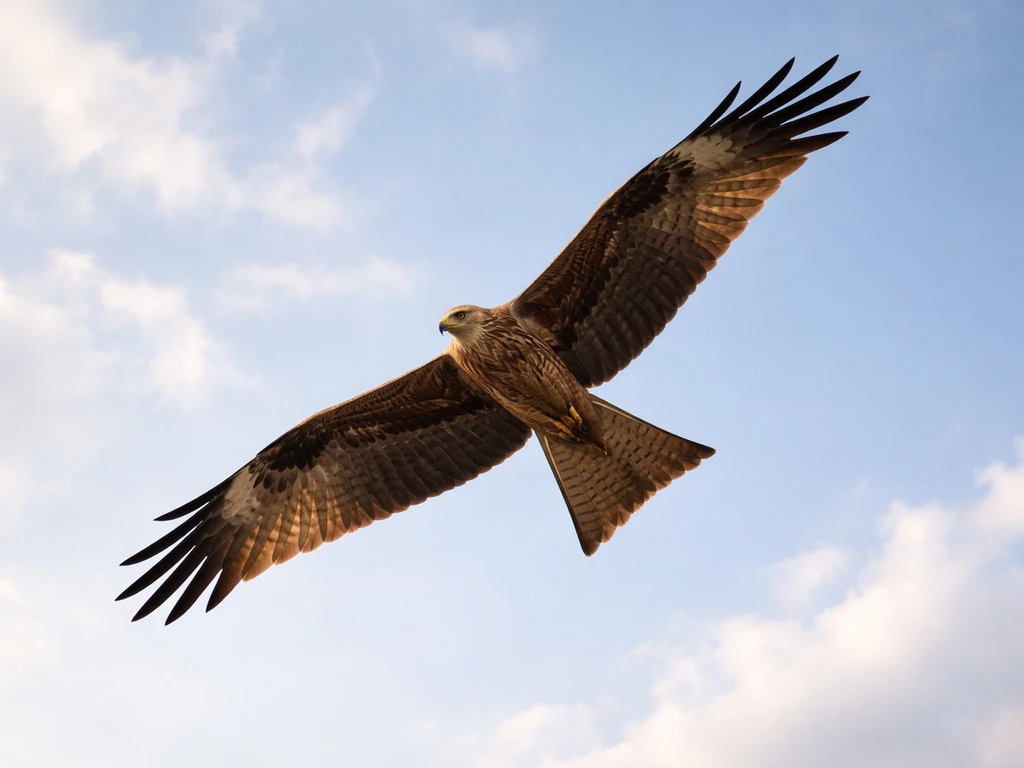
What Is Kite Bird Called in Hindi Meaning and Types
Kite bird meaning in Hindi with common names, types, disambiguation tips, and brief kite-bird symbolism context.