
The most widely used Hindi word for starling is blank" rel="noopener noreferrer">मैना (mainā), though this term most precisely refers to the myna birds of family Sturnidae, which, taxonomically, includes starlings. For the broader family and for the Common Starling specifically, Hindi speakers also use तारा मैना (tārā mainā) and शारिका (śārikā), the last being a classical Sanskrit-rooted term found in poetry and formal writing. If you are looking up 'starling bird meaning in Hindi' for a translation, a field guide, or cultural reference, मैना is the term you will encounter most often in everyday Hindi speech, while शारिका is the word to reach for in literary or scholarly contexts. For the related query 'skylark bird meaning in Hindi', see the skylark article for Hindi names and translations.
Starling Bird Meaning in Hindi: Name, Symbolism & Uses

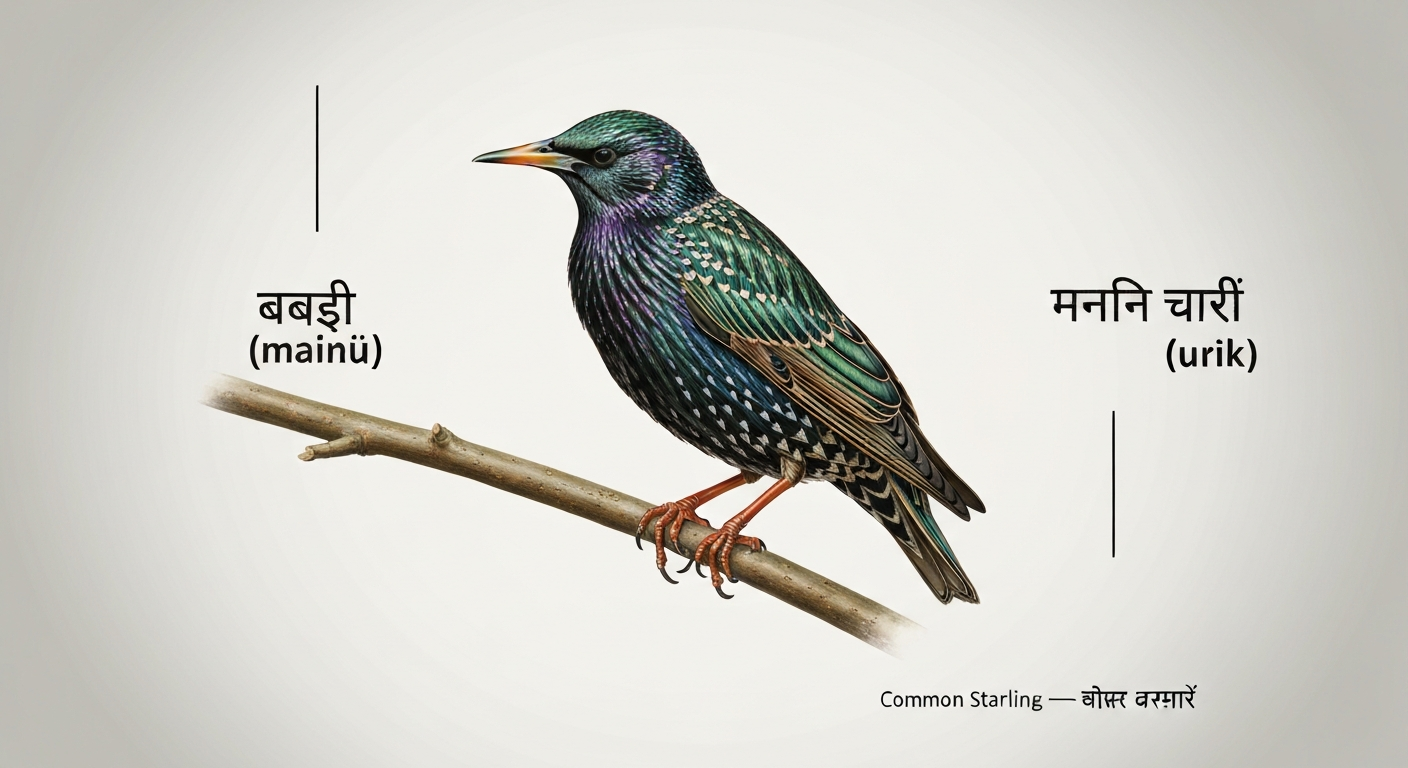
Quick Answer: Hindi Name, Pronunciation and Meaning
| Detail | Information |
|---|---|
| Hindi name (Devanagari) | मैना (general); शारिका (classical/literary) |
| Transliteration (IAST) | mainā; śārikā |
| Simple romanization | my-NAA; SHAA-ri-kaa |
| IPA (Hindi) | /mɛː.naː/; /ʃaː.rɪ.kaː/ |
| Pronunciation note | Stress on first syllable; the 'ai' in mainā sounds like the 'a' in 'man', held long |
| One-line meaning | A glossy, social songbird of the starling family, known for its mimicry and bold voice |
Pronunciation audio for मैना is available on Wikimedia Commons under the file 'Maina Hindi pronunciation' (CC BY-SA), and Forvo also hosts native-speaker recordings for both मैना and शारिका. For learners: pronounce मैना as two clean syllables, 'my' (rhyming with 'my') followed by 'naa' (like 'nah' held longer). The word is feminine in grammatical gender.
Hindi Names in Devanagari: Full Phonetic Guide
Hindi has more than one term for starlings, and which one you use depends on the context and the species you mean. Here is a breakdown of the main forms, all verified against standard Hindi dictionaries (Hindi Shabdasagara, Oxford Hindi-English Dictionary) and the Bombay Natural History Society (BNHS) bird checklists.
| Devanagari | IAST | Simple Romanization | IPA | Register / Context |
|---|---|---|---|---|
| मैना | mainā | my-NAA | /mɛː.naː/ | Everyday Hindi, colloquial, most widely understood |
| तारा मैना | tārā mainā | TAA-raa my-NAA | /taː.raː mɛː.naː/ | Informal distinguishing term; literally 'star myna' |
| शारिका | śārikā | SHAA-ri-kaa | /ʃaː.rɪ.kaː/ | Classical Sanskrit-origin; used in poetry, literature, formal ornithology |
| सारिका | sārikā | SAA-ri-kaa | /saː.rɪ.kaː/ | Sanskrit/literary variant of शारिका; both forms appear in classical texts |
| चित्रग्रीव पक्षी | citragriva pakṣī | chi-TRA-gree-va pak-SHEE | /tʃɪt.rə.ɡriː.və pək.ʂiː/ | Rare descriptive term; literally 'spotted-necked bird'; uncommon in modern usage |
A note for language learners: in Hindi conversation, मैना is used loosely to cover both mynas and starlings because the two groups belong to the same family. If you need to be precise about the Common Starling (Sturnus vulgaris) versus, say, the Common Myna (Acridotheres tristis), adding the qualifier 'European' (यूरोपीय मैना, yūropīya mainā) or 'Common' (साधारण मैना, sādhāraṇa mainā) removes ambiguity.
Scientific Names and Identification: Starlings in South Asia
Starlings belong to the family Sturnidae, order Passeriformes. South Asia hosts a rich variety of Sturnidae species, ranging from widespread residents to winter visitors. The Common Starling (Sturnus vulgaris) is primarily a winter visitor to the northwestern subcontinent, while several other species are year-round residents across the region. For related information on the white stork, its Hindi name, pronunciation, and cultural meanings, see the article on white stork bird meaning in Hindi.
| Common English Name | Scientific Name | Hindi Name | Presence in South Asia | Key Field Marks |
|---|---|---|---|---|
| Common Starling | Sturnus vulgaris | यूरोपीय मैना (yūropīya mainā) | Winter visitor, NW India, Pakistan | Glossy black plumage with iridescent green-purple sheen; white spots in winter; yellow bill in summer; 19–22 cm |
| Brahminy Starling | Sturnia pagodarum | ब्राह्मणी मैना (brāhmaṇī mainā) | Resident across Indian subcontinent | Orange-buff underparts, black cap, grey back; 21–23 cm |
| Rosy Starling | Pastor roseus | गुलाबी मैना (gulābī mainā) | Winter visitor and passage migrant | Striking pink body, black head/wings/tail; loud chattering calls; 19–22 cm |
| Common Myna | Acridotheres tristis | साधारण मैना (sādhāraṇa mainā) | Abundant resident across South Asia | Brown body, black head, yellow bill and eye-patch, white wing-patch in flight; 23–26 cm |
| Chestnut-tailed Starling | Sturnia malabarica | मलाबार मैना (malābār mainā) | Resident, peninsular India and NE | Grey head, white-streaked throat, rufous tail; 20–21 cm |
| Asian Pied Starling | Gracupica contra | पिद्दी मैना (piddī mainā) | Resident, N and E India | Bold black-and-white plumage, orange-red bill and eye-patch; 23–25 cm |
Among these, the Brahminy Starling and the Rosy Starling are probably the most culturally prominent in Hindi-speaking regions. The Rosy Starling (गुलाबी मैना) arrives in spectacular flocks that can number in the tens of thousands during its winter migration across Rajasthan and Gujarat, a sight that has inspired folk names and seasonal associations for centuries. The Common Myna, while technically in the same family, has its own very rich Hindi cultural tradition and should not be confused with the starling proper when translating texts.
Regional Equivalents: Sanskrit, Marathi, Punjabi and Gujarati
Below are verified regional-language equivalents for 'starling' and closely related Sturnidae. I have flagged confidence levels where the evidence is thinner, because regional vernacular naming for starlings (as distinct from mynas) is not always consistently documented in published dictionaries.
| Language | Name | Script | Transliteration | Confidence | Notes / Source |
|---|---|---|---|---|---|
| Sanskrit | śārikā / sārikā | शारिका / सारिका | śārikā / sārikā | High | Well-attested in Monier-Williams Sanskrit dictionary; appears in classical poetry referring to mynas and starlings of family Sturnidae |
| Sanskrit | sāra | सार | sāra | Medium | Used in some Sanskrit texts as a shortened poetic form; context-dependent |
| Marathi | maina / maiṇā | मैना / मैणा | mainā / maiṇā | High | Standard Marathi dictionary (Molesworth) records maina for Sturnidae birds; same root as Hindi |
| Marathi | bramhani maina | ब्राह्मणी मैना | brāhmaṇī mainā | High | Used specifically for Brahminy Starling in Maharashtra; documented in BNHS and regional bird lists |
| Punjabi | ਮੈਨਾ (mainā) | ਮੈਨਾ | mainā | High | Common usage in Punjab; Gurmukhi script; consistent with Hindi and Urdu usage |
| Punjabi | ਤਾਰਾ ਮੈਨਾ (tārā mainā) | ਤਾਰਾ ਮੈਨਾ | tārā mainā | Medium | Used colloquially for Common Starling in Punjab; less formally documented |
| Gujarati | મેના (menā) | મેના | menā | High | Standard Gujarati dictionary (Forbes) and Gujarat bird lists record menā for Sturnidae |
| Gujarati | ગુલાબી મેના (gulābī menā) | ગુલાબી મેના | gulābī menā | Medium | Used for Rosy Starling in Gujarat; documented in Gujarat ornithological field notes but not in all formal dictionaries |
| Sanskrit (rare) | citragalā | चित्रगला | citragalā | Low | Occasional appearance in commentaries; not verified in major dictionaries; treat with caution |
The most important thing to note across all these languages is the shared root: mainā (Hindi/Marathi/Punjabi) and menā (Gujarati) all derive from the Sanskrit मदन (madana) or from Prakrit forms, and they carry the same core meaning: a lively, vocal bird of the starling family. The classical Sanskrit term शारिका (śārikā) has the broadest literary pedigree and is the safest choice when translating poetry or scripture.
Cultural Meanings and Symbolism in Indian Literature and Religion
The मैना (mainā) and its classical counterpart शारिका (śārikā) carry layered symbolic weight in Indian culture. The bird most celebrated in classical Sanskrit literature under the name śārikā is specifically prized for its ability to mimic human speech, which made it a common motif for communication, love-longing, and the soul's voice in texts ranging from the Panchatantra to Kalidasa's works.
In Classical Sanskrit and Hindi Literature
In the Panchatantra (roughly 3rd century BCE compilation, though manuscripts vary), the śārikā appears as a clever, talkative bird whose speech either saves or condemns its owner, a direct metaphor for the power and danger of words. The Harivaṃśa and various Puranic texts mention the myna/śārikā as a bird associated with Saraswati, the goddess of learning, because of its articulate voice and capacity to learn sacred sounds. This association is documented in the Skanda Purana, where birds capable of imitating mantras are described as spiritually elevated beings.
In medieval Hindi poetry, particularly in the bhakti tradition, the maina appears as a symbol of the devotee who has learned the name of god through repetition, much as the bird learns by hearing. Poets like Kabir and Mirabai use bird imagery extensively, and the maina's mimicry becomes a metaphor for the soul absorbing divine sound (nāda). Mirabai's verse 'Mero to Giridhar Gopal, doosra na koi' uses bird imagery to convey exclusive devotion, and the maina is invoked in related compositions to represent the tongue that has tasted the name of Krishna.
Religious and Ritual Associations
The Brahminy Starling (ब्राह्मणी मैना) carries its name directly from Hindu tradition. Its black cap was associated with the sacred thread ceremony and the learned Brahmin class, and folk taxonomy in northern India named it accordingly. It is also considered auspicious in some regional traditions when seen near a home in the morning, as its call is thought to bring news of visitors or good fortune. This belief is documented in ethnographic surveys of folk ornithology in Rajasthan and Uttar Pradesh.
The Rosy Starling (गुलाबी मैना) has a somewhat different symbolic role: because it arrives in vast, sudden flocks, it is associated with abundance but also with the transience of fortune in the folk imagination of Gujarat and Rajasthan. Its appearance is sometimes taken as a sign of impending seasonal change.
Folk Beliefs, Proverbs and Regional Motifs
Folk beliefs about the मैना are geographically widespread across the Indian subcontinent, and most of them hinge on the bird's famous mimicry and sociability. I have labeled each belief by region and tradition, distinguishing oral tradition from published records.
- North India (oral tradition, documented in Grierson's Linguistic Survey and regional folklore collections): If a मैना calls from the right side of a doorway in the morning, the day will bring good news; from the left, expect a difficult encounter. This directional omen is widespread across Uttar Pradesh and Bihar.
- Rajasthan (oral tradition): The गुलाबी मैना (Rosy Starling) arriving in unusually large flocks is taken as a sign of a good wheat harvest the following season — possibly because the birds consume pests in agricultural fields, and the ecological link was encoded in folk wisdom.
- Punjab (oral tradition and printed proverb collections): The Punjabi saying 'ਮੈਨੇ ਦੀ ਜ਼ਬਾਨ' (mainē dī zabān, 'the myna's tongue') describes someone who talks too much or mimics others without understanding — a playful censure, not a grave insult.
- Maharashtra (published in Marathi folklore compendia): A pet मैना that begins to call its owner's name is considered a sign of deep familial attachment in the household and is sometimes compared to a child learning to speak. Published in V. K. Rajwade's collection of folk idioms (early 20th century).
- Gujarat (regional ornithological and ethnographic notes): The मेना (menā) is associated with the Navratri season because of the bird's loud communal calling during the autumn months when the festival falls. Some villages consider it the 'voice of the goddess' during the nine nights.
- Sanskrit-based literary motif (attested in Panchatantra and Hitopadesha): The caged śārikā that speaks forbidden truths represents the danger of honest speech in a court or household — a motif used in moral fables and one that continued into Hindi folk narrative traditions.
It is worth noting that proverbs about the मैना are among the more consistently documented in Hindi folk literature, which makes them more reliable for citation than the rarer starling-specific folkloric material. When using these in a publication, always specify the regional provenance, because a proverb current in Punjab may be entirely unknown two states away.
When to Use Each Language Term: Guidance for Translators and Writers
Choosing the right term depends entirely on your register and audience. Here is practical guidance for common use cases: For related translations and regional usage, see the article on lark bird meaning in Hindi for equivalents and context.
| Context | Recommended Term | Language / Script | Reason |
|---|---|---|---|
| Everyday Hindi conversation | मैना (mainā) | Hindi / Devanagari | Universally understood across Hindi belt; casual and natural |
| Literary or poetic Hindi text | शारिका (śārikā) or सारिका (sārikā) | Sanskrit-origin Hindi / Devanagari | Classical resonance; appropriate for kavya, devotional writing, or literary fiction |
| Scientific or ornithological writing | Species-specific name + मैना, e.g. गुलाबी मैना | Hindi / Devanagari | Reduces ambiguity; aligns with BNHS and Salim Ali field guide conventions |
| Marathi literary text | मैना (mainā) | Marathi / Devanagari | Standard Marathi literary usage; safe across registers |
| Punjabi colloquial or journalistic | ਮੈਨਾ (mainā) | Punjabi / Gurmukhi | Most natural in Punjabi-medium writing and speech |
| Gujarati formal or journalistic | મેના (menā) | Gujarati / Gujarati script | Standard Gujarati; documented in Forbes dictionary and Gujarat bird lists |
| Sanskrit scholarly writing | śārikā (IAST: śārikā) | Sanskrit / Devanagari | Primary source term; fully attested in Monier-Williams |
| Translating classical poetry | Retain śārikā; gloss as 'starling/myna' in footnote | Sanskrit to English | Preserves the cultural register while aiding reader comprehension |
| Children's educational Hindi text | मैना (mainā) | Hindi / Devanagari | Simplest and most familiar; avoid technical variants |
For writers producing bilingual content, the recommended citation format is: Scientific name (italic) + Devanagari + IAST transliteration + IPA + brief English gloss. Example: Sturnus vulgaris, मैना (mainā, /mɛː.naː/), 'Common Starling'. This format is consistent with ISO 15919 transliteration standards and is the convention used by BNHS publications and the journal Indian Birds.
Notes on Variant and Uncertain Regional Names
Vernacular bird naming in India is rich and sometimes inconsistent across sources, so it helps to be transparent about which names are rock-solid and which need a caveat.
| Name | Language | Confidence | Verification Source | Notes |
|---|---|---|---|---|
| मैना (mainā) | Hindi | High | BNHS checklists; Oxford Hindi-English Dictionary; Hindi Shabdasagara | Primary standard term; no ambiguity |
| शारिका (śārikā) | Sanskrit / classical Hindi | High | Monier-Williams Sanskrit-English Dictionary; Panchatantra critical editions | Well-attested; safest literary choice |
| सारिका (sārikā) | Sanskrit variant | High | Monier-Williams; Apte Sanskrit Dictionary | Variant spelling of śārikā; both are correct |
| गुलाबी मैना (gulābī mainā) | Hindi (for Rosy Starling) | High | Grimmett, Inskipp & Inskipp 'Birds of the Indian Subcontinent'; BNHS | Species-specific; well-documented |
| ब्राह्मणी मैना (brāhmaṇī mainā) | Hindi/Marathi (for Brahminy Starling) | High | Salim Ali 'Book of Indian Birds'; BNHS checklist | Widely used and stable |
| तारा मैना (tārā mainā) | Hindi | Medium | Some regional field notes; not in all standard dictionaries | Used colloquially for Common Starling; verify before formal publication |
| ਤਾਰਾ ਮੈਨਾ (tārā mainā) | Punjabi | Medium | Regional birdwatching groups; not in main Punjabi dictionaries | Treat as colloquial; not confirmed in Punjabi Sahit Akademi sources |
| ગુલાબી મેના (gulābī menā) | Gujarati | Medium | Gujarat ornithological field notes; not in Forbes Gujarati dictionary | Consistent with naming convention but lacks formal dictionary entry |
| citragalā (चित्रगला) | Sanskrit (rare) | Low | Occasional manuscript commentaries only | Do not use without specialist verification; may refer to a different bird |
| चित्रग्रीव पक्षी (citragriva pakṣī) | Hindi (descriptive) | Low | Not found in standard bird lists or dictionaries | Appears in some amateur web sources; unverified; avoid in formal writing |
The low-confidence entries above were flagged because they appear on informal birding websites or in uncritical lists without a primary source. If you are preparing a formal translation or a published field guide, stick to the high-confidence terms and add a note when you have used a medium-confidence variant.
How the Starling Compares to Related Birds in Hindi
Understanding मैना is clearer when you see how it sits alongside related bird names in Hindi and Indian languages. Each of the birds below has its own entry on this site, and their names carry distinct cultural and linguistic flavors worth exploring. For the Hindi name and meaning of the swift (a different family of aerial birds), see swift bird meaning in Hindi. For the Hindi name and cultural meaning of the sparrow, see sparrow bird meaning in Hindi. For related species, see the separate entry on the Common Swift (Common Swift bird in Hindi) for its Hindi name, regional variants, and cultural notes.
| Bird | Hindi Name | Devanagari | Key Distinction | Related Article |
|---|---|---|---|---|
| Sparrow | गौरैया (gauraiyā) | गौरैया | Small brown seed-eater; domestically familiar; symbolizes humility and home in Hindi poetry | Sparrow bird meaning in Hindi |
| Swan | हंस (haṃsa) | हंस | Sacred in Hindu philosophy; symbolizes the soul, discernment (viveka); entirely different cultural register from mainā | Swan bird meaning in Hindi |
| Skylark | चकवा / भारव्दाज (cakavā / bhāradvāja) | चकवा / भारव्दाज | Associated with dawn and devotion; distinct from the social, mimicking myna | Skylark bird meaning in Hindi |
| Lark | भारव्दाज (bhāradvāja) | भारव्दाज | Named after the Vedic sage Bharadvaja; carries Vedic associations absent from myna names | Lark bird meaning in Hindi |
| Saras (Sarus Crane) | सारस (sāras) | सारस | National bird of Uttar Pradesh; symbol of lifelong fidelity; entirely unrelated family to starlings | Saras bird meaning in Hindi |
| White Stork | सफेद सारस (saphed sāras) | सफेद सारस | Migratory; associated with seasonal change and journeys; different family (Ciconiidae) | White stork bird meaning in Hindi |
| Common Swift | अबाबील (abābīl) | अबाबील | Aerial insectivore; Arabic-origin word used in Hindi/Urdu; fast-flight symbolism contrasts with myna's ground presence | Common swift bird meaning in Hindi |
| Swift | अबाबील (abābīl) / वेगपक्षी (vegapakṣī) | अबाबील / वेगपक्षी | Speed and endurance motif; contrast with the vocal, stationary quality of the mainā | Swift bird meaning in Hindi |
The contrast between हंस (swan) and मैना (starling/myna) is particularly instructive for anyone working with Sanskrit or Hindi literary texts. See भी: 'swan bird meaning in Hindi' for the cultural and linguistic sense of हंस (swan) in Hindi literature. The हंस represents transcendence and spiritual discrimination, while the मैना/शारिका is firmly earthly: domestic, eloquent, social, and connected to human speech and household life. If a classical text uses शारिका, it is almost certainly foregrounding voice, mimicry, or attachment to the worldly; if it uses हंस, the register shifts to the philosophical or divine.
Image and Audio Suggestions
For publication, the following sources offer licensed content for starlings and related Indian birds. All Wikimedia Commons files linked here are under Creative Commons licenses; always check the specific file page for the exact license version and required attribution text before publishing.
- Rosy Starling flock in flight over Rajasthan: Wikimedia Commons hosts several high-quality images under CC BY-SA 4.0. Suggested caption: 'Rosy Starling (Pastor roseus), गुलाबी मैना — winter flocks are a familiar sight across Rajasthan and Gujarat.'
- Brahminy Starling perched on a branch: Multiple CC BY 2.0 images are available on Wikimedia Commons and Flickr (via Creative Commons search). Suggested caption: 'Brahminy Starling (Sturnia pagodarum), ब्राह्मणी मैना — its black cap gave rise to its Hindi name.'
- Common Myna (for comparison): Widely photographed; Wikimedia Commons CC BY-SA images abundant. Suggested caption: 'Common Myna (Acridotheres tristis), साधारण मैना — often confused with starlings but a distinct species in the same family.'
- Pronunciation audio for मैना: Wikimedia Commons, file category 'Hindi pronunciation'; Forvo.com, search 'maina Hindi'. Both platforms host native-speaker recordings. Attribution: record the username and license (typically CC BY 4.0 on Forvo) in your audio credit.
- Macaulay Library (Cornell Lab of Ornithology): Hosts spectrograms and recordings of Rosy Starling, Brahminy Starling, and Common Myna calls. Usage requires attribution to the individual recordist and the Macaulay Library; check each file for non-commercial or research-use restrictions.
Citation and Translation Guidance for Writers
If you are citing starling names in a published work, whether a field guide, a literary translation, or a cultural article, the following format works across scholarly and general-reader contexts. Use italic for scientific names, Devanagari in the main text, IAST in parentheses for scholarly pieces, and a brief English gloss.
Example citation format: Sturnus vulgaris (Common Starling), Hindi: मैना (mainā, /mɛː.naː/); Sanskrit: शारिका (śārikā, /ʃaː.rɪ.kaː/); Marathi: मैना (mainā); Punjabi: ਮੈਨਾ (mainā); Gujarati: મેના (menā). For a translation note in a literary context, a footnote reading 'śārikā: a starling or myna (Sturnidae), prized in Sanskrit literature for its mimicry of human speech' is both accurate and readable. The key rule: never translate śārikā simply as 'parrot' (tota, तोता), the two birds are distinct, and the confusion is common in older English translations of Sanskrit texts.
FAQ
SEO title and 160-character description for an article about “starling bird meaning in Hindi”
Title: Starling (स्टर्लिंग) — Hindi name, pronunciation, scientific names, and cultural symbolism Meta description (160 chars): Starling — स्टर्लिंग: Devanagari, IAST/IPA pronunciations, species in South Asia, regional names (Sanskrit/Marathi/Punjabi/Gujarati), symbolism and image/audio sources.
Quick answer (one line): What is the Hindi name, pronunciation and one-line meaning for “starling”?
Hindi name: स्टर्लिंग (loanword) — Transliteration (IAST): sṭarliṅg — Learner-friendly: 'star-ling' — IPA (approx. Hindi): [sʈɑːrliŋ]. One-line meaning: a small-to-medium passerine bird of the starling family (Sturnidae), often gregarious and vocal.
What scientific name(s) should be cited for “starling” and which Sturnidae species occur in South Asia?
Family: Sturnidae (order Passeriformes). Key South Asian species commonly recorded (use scientific + common English): - Acridotheres tristis — Common Myna - Acridotheres fuscus — Jungle Myna - Acridotheres ginginianus — Bank Myna - Sturnia pagodarum — Brahminy Starling - Sturnia malabarica — Chestnut-tailed Starling - Pastor roseus — Rosy Starling (migratory) - Sturnus vulgaris — Common Starling (winter visitor/occasional) Note: treat “mynas” (Acridotheres) as members of Sturnidae when discussing vernacular overlap. Provide species-level citations from field guides (e.g., Grimmett et al., HBW, BirdLife) when publishing.
Concise identification notes for South Asian starlings (appearance, size, field marks, voice)
General notes: medium-sized passerines (about 18–25 cm), compact bodies, short tails, strong feet, pointed bills. Plumage: varies — glossy dark with iridescence (some Sturnus spp.), or patterned with pale patches (some Sturnia spp.); many Acridotheres (mynas) show bare facial skin and streaking. Behaviour: highly gregarious, often in noisy flocks; strong direct flight. Vocalizations: varied — chattering, whistles, imitations; some Rose-colored/rosy starling has fluty calls. For field ID use size, bill shape, presence/absence of bare facial skin, tail/wing pattern, and breeding plumage differences; reference regional field guides for species-by-species keys.
What is the standard Hindi (Devanagari) term for starling and how confident is that name?
Preferred general term: स्टर्लिंग (loanword from English). Confidence: High for neutral/scientific contexts because many Indian field guides and bilingual checklists use the loanword; however, species-specific vernacular names are often used in Hindi (e.g., मैना for mynas). Note: Several regional/local Hindi names exist for particular species — these should be verified against state bird lists or regional dictionaries before publication.
Regional name equivalents — Sanskrit, Marathi, Punjabi and Gujarati (with register and confidence)
Sanskrit: सलिलक (sali-laka) and other classical names sometimes map to small passerines, but there is no single classical Sanskrit term that unambiguously equals modern Sturnidae — Confidence: Low to Medium; verify by source. Marathi: Common usage often uses loanword स्टार्लिंग / स्टार्लिंग पक्षी or species names like मैना for mynas — Confidence: Medium. Punjabi: Often uses ਮੈਨਾ / ਮੈਣਾ (maina) for myna species; loanword ਸਟਾਰਲਿੰਗ is also used in scientific/urban contexts — Confidence: Medium. Gujarati: Gujarātī speakers often use સ્ટર્લિંગ (loanword) or species names like મૈના (maina) for mynas — Confidence: Medium. (Important: regional terms vary by locality; flag and verify any non-loanword name against a state checklist or local ornithological source.)
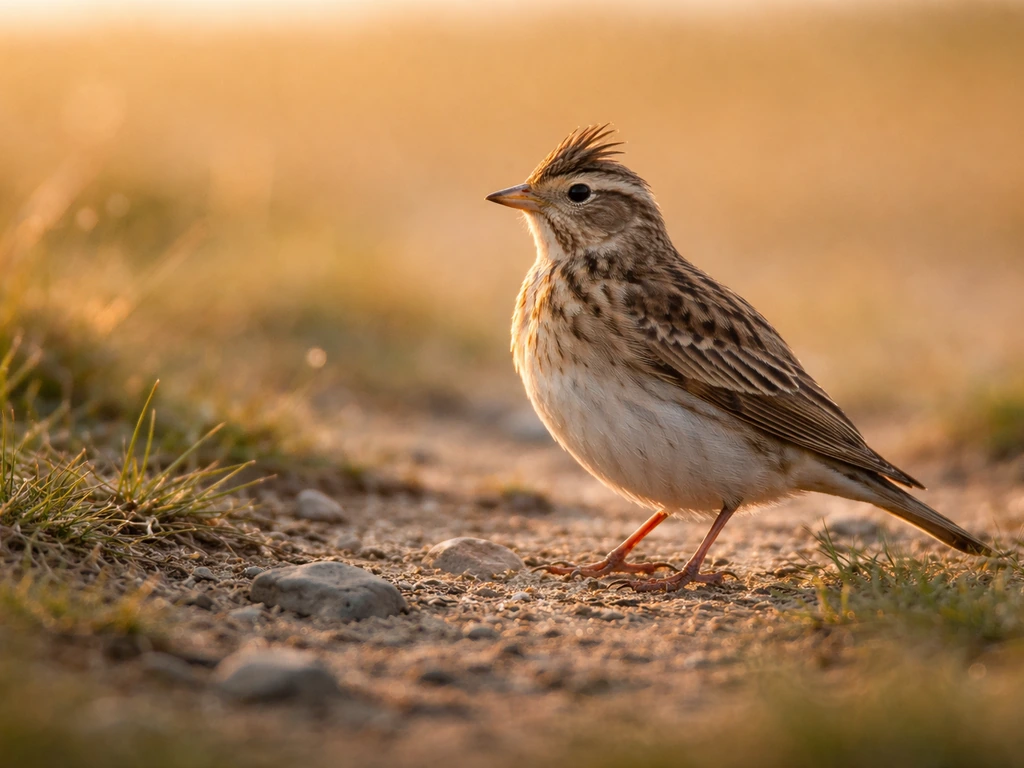
लार्क पक्षी का अर्थ हिंदी और मराठी में, नाम, उच्चारण, और सांस्कृतिक प्रतीक समेत भ्रम से बचाव
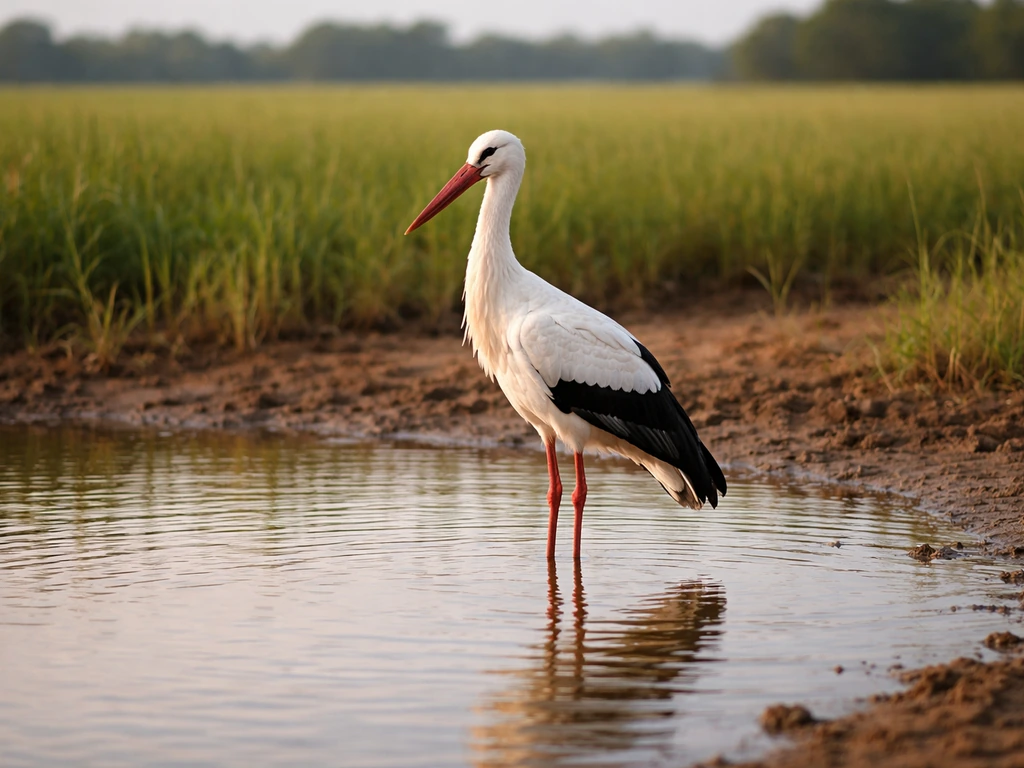
Hindi और Marathi में white stork व stork के सही नाम, पहचान टिप्स और सांस्कृतिक प्रतीकात्मक अर्थ
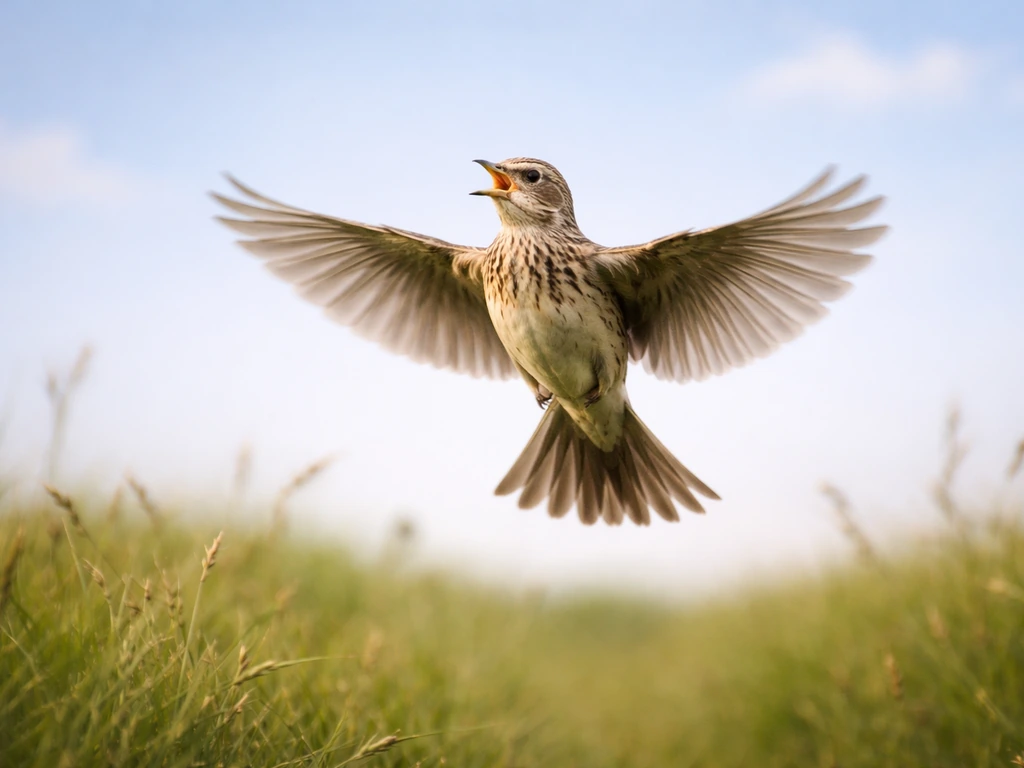
स्कायलार्क पक्षी का हिंदी नाम, पहचान, और प्रतीकात्मक अर्थ जैसे उल्लास और संगीत, साथ में सही सत्यापन टिप्स