
In Hindi, 'large web-footed bird' most directly translates to the albatross, rendered as 'अल्बाट्रॉस' (albatross), because Hindi dictionaries like Shabdkosh use exactly the phrase 'large web-footed birds' when defining it. That said, if your context is Indian, a riddle, a dream, a religious text, or a bird spotted near a river, the bird being described is almost certainly the pelican, known in Hindi as हवासील (havāsīl). Shabdkosh’s Hindi dictionary entry for pelican commonly gives it as a “large water bird” and lists variants such as हवासील (havāsīl) and पेलिकन (pelikana). The pelican is the large, web-footed waterbird of Indian ornithology, while the albatross belongs to the southern hemisphere seas and rarely enters Indian cultural or ecological reference.
Large Web-Footed Bird Meaning in Hindi: What It Refers To

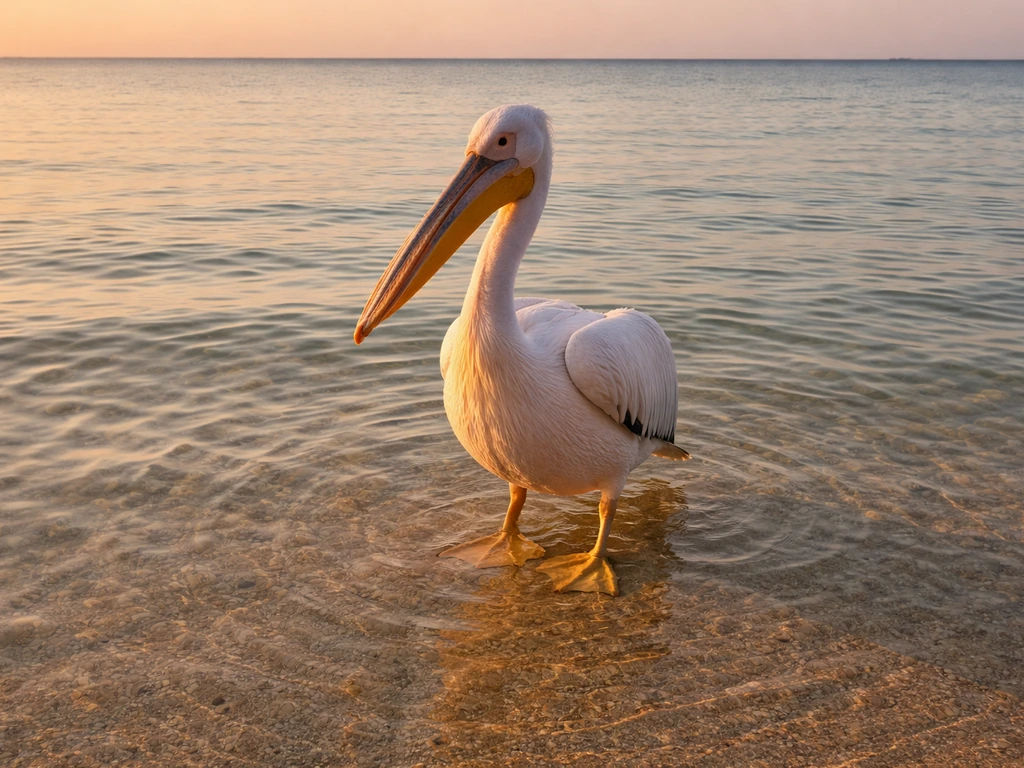
Which bird 'large web-footed bird' usually refers to
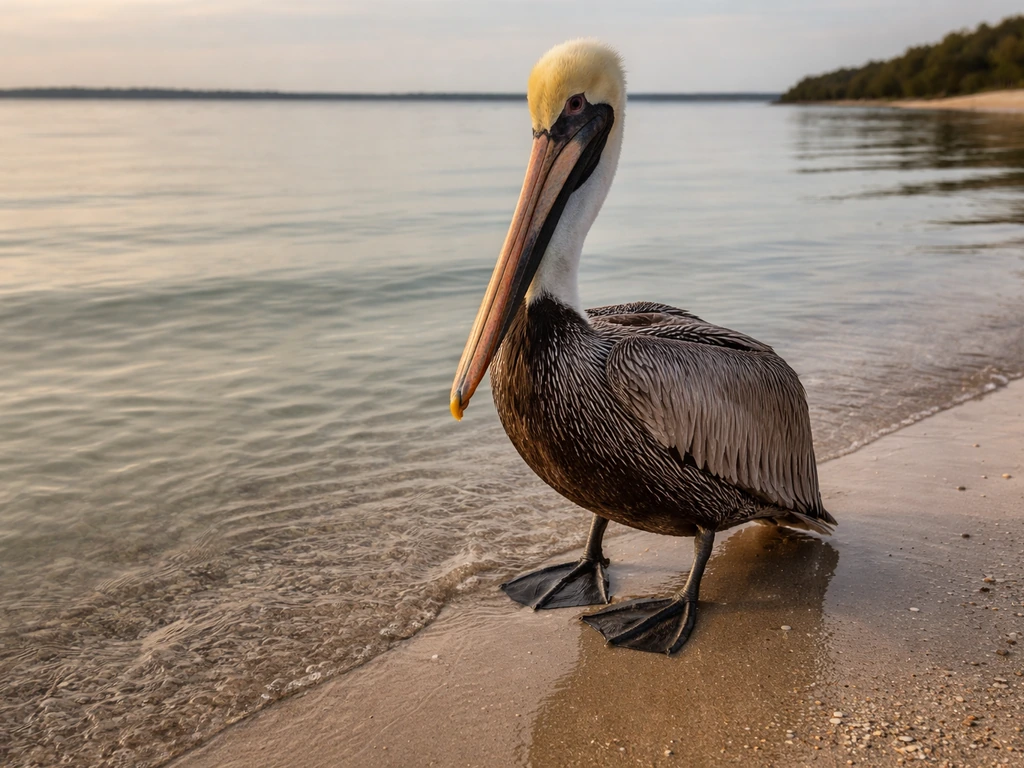
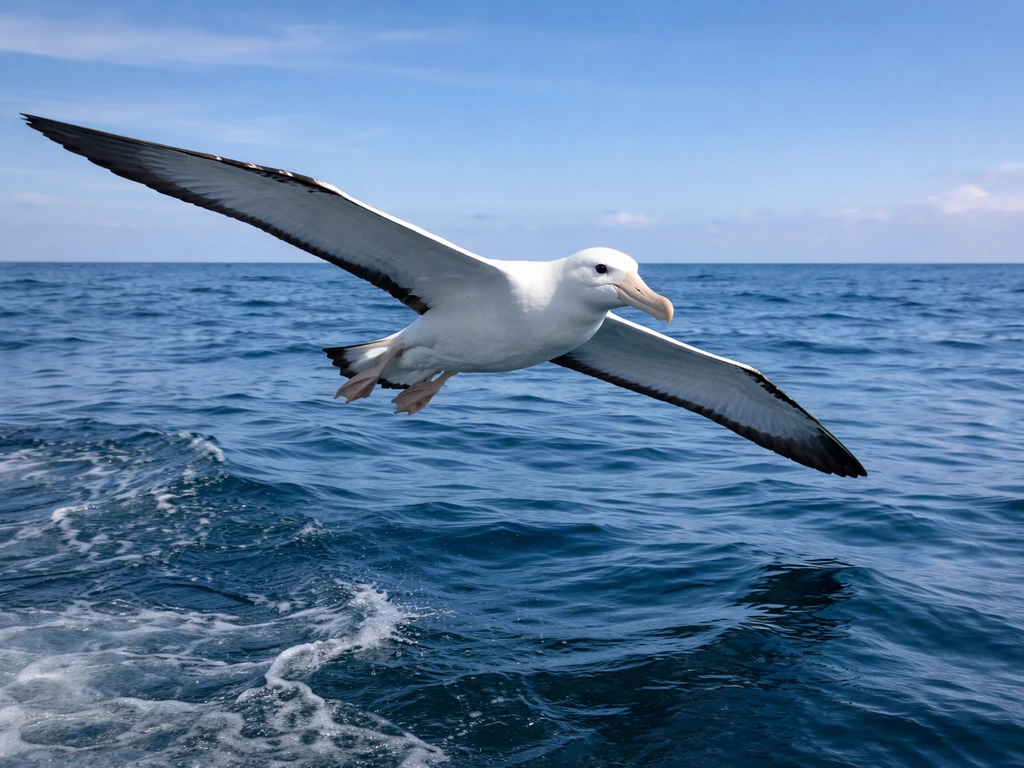
The phrase 'large web-footed bird' sits at a crossroads between two very different birds depending on whether you are working from a dictionary definition or from an Indian ecological and cultural context. In the dictionary sense, particularly as Merriam-Webster and Shabdkosh frame it, the albatross is literally defined as 'any of various large web-footed seabirds, including the largest birds of the sea.' The definition is precise and the word-for-word match is clear. Albatrosses have feet that are completely webbed across their three front toes with no hind toe at all, which is the textbook image of a web-footed bird.
In Indian ornithological and cultural contexts, however, the pelican fits the description far better in practice. Pelicans are large waterbirds with fully webbed feet, a massive throat pouch, and an unmistakable silhouette. They are resident birds across the Indian subcontinent, spotted along rivers, lakes, and coastal wetlands from Gujarat to Assam. Salim Ali's classic 'The Book of Indian Birds' specifically notes the pelican's large webbed feet as a key field character. So when a Hindi text, a riddle, or a dream interpretation mentions a large bird with webbed feet near water, the pelican is the overwhelmingly likely candidate.
The Hindi translation: what to actually say and write
If you need to translate 'large web-footed bird' as a concept into Hindi, here is how it breaks down linguistically. The word for 'large' in Hindi is बड़ा (baṛā). 'Bird' is पक्षी (pakṣī) or पंछी (pañchī) in everyday usage. The key phrase is 'web-footed' or 'webbed feet,' which in Hindi is जालदार पैर (jāladār pair), where जाल (jāl) means net or web, and दार is a suffix meaning 'having' or 'possessing.' So the literal Hindi construction is जालदार पैर वाला बड़ा पक्षी (jāladār pair vālā baṛā pakṣī), meaning 'a large bird having webbed feet.'
| Bird | Primary Hindi Name | Transliteration | Key Identifier |
|---|---|---|---|
| Pelican | हवासील | havāsīl | Large Indian waterbird, webbed feet, throat pouch |
| Albatross | अल्बाट्रॉस | albāṭroṣ | Large seabird, dictionary definition of 'web-footed' |
| Cormorant | जलकाग / पनकौआ | jalakāg / panakauā | Medium web-footed, used in Indian fishing traditions |
| Goose (wild) | हंस / राजहंस | haṃs / rājhaṃs | Large webbed waterbird, heavy symbolism in Sanskrit |
For the pelican specifically, Hindi uses हवासील (havāsīl) as the standard name across educational vocabulary lists, field guides, and dictionaries. Some Hindi sources also use the transliterated form पेलिकन (pelikana). In Sanskrit and older classical literature, the pelican appears as चक्रांग or sometimes under terms shared with large water birds generally. Regional variations exist too: in Marathi, the pelican is known as आवर पक्षी or similarly transliterated terms, while Gujarati speakers in wetland regions near the Rann of Kutch, where pelicans breed in large numbers, tend to use locally adapted names.
How to figure out which bird your source actually means
The clues in your original text or context will almost always tell you which bird is being referenced. Ask yourself a few quick questions before settling on a translation.
- Is the bird near a sea, ocean, or open water far from land? If yes, lean toward albatross (अल्बाट्रॉस).
- Is the bird near a river, lake, or wetland inside India? If yes, the pelican (हवासील) is almost certainly the one being described.
- Does the description mention a large pouch under the bill or a scooping feeding style? That is definitively the pelican.
- Is the phrase from a Hindi dictionary definition or English-to-Hindi lookup? Then the albatross match is likely, because dictionaries use 'large web-footed bird' in that specific entry.
- Is it from a riddle, story, or dream involving a bird that fishes, stands in water, or nests in colonies? Think pelican or cormorant (जलकाग), both of which are deeply embedded in Indian landscapes.
- Does the text mention the bird as a symbol of bad luck, burden, or guilt around a sailor's neck? That is the albatross, specifically from Western literary tradition.
- Does the bird appear in a devotional, Puranic, or Sanskrit-origin text? Look for हंस (haṃs) or राजहंस, which describes the swan-goose and carries enormous symbolic weight in Indian tradition.
Dreams and spiritual interpretations in Indian traditions draw heavily on birds with specific habitat associations. A large white bird with webbed feet appearing near water in a dream is almost always interpreted through the lens of the pelican or the haṃs (swan) in Hindu dream symbolism. If you are also wondering which bird can fly backwards in Hindi, that is a different trivia-style question from identifying web-footed birds in dream symbolism. The peregrine bird meaning in Hindi can feel confusing, but its usage depends on the exact context and wording pelican. Talons bird meaning in hindi is often tied to how web-footed birds like the pelican or hams are understood in Indian context. The albatross, being a bird with no cultural root in the Indian subcontinent, does not appear in traditional Indian dream-reading (svapna śāstra) texts.
What large web-footed birds symbolize in Indian tradition
Large water birds with webbed feet occupy a meaningful space in Indian mythology and symbolism, though the specific symbolism varies by the bird in question. The most symbolically loaded web-footed large bird in Indian tradition is the haṃs (हंस), the sacred swan or goose, which represents wisdom, discrimination (viveka), and the soul's ability to separate truth from illusion, just as the haṃs is said to separate milk from water. Goddess Saraswati rides the haṃs, and in Vedantic philosophy, the Paramahaṃs is the highest order of renunciant, a soul who has achieved that same purity of discernment.
The pelican, while not holding the same mythological depth as the haṃs in Hindu texts, does carry symbolic resonance. In natural history and folk observation across India, the pelican's patient, still posture near water and its self-contained, almost meditative appearance have made it a symbol of calm self-sufficiency in regional folk traditions. Its enormous throat pouch, used to scoop fish and feed its young, has led to cross-cultural associations with parental sacrifice and nourishment, a symbolic thread that appears in Western religious iconography as well. In the broader Indian context, large water birds in general are seen as auspicious presences near sacred water bodies, their appearance near a tirtha (pilgrimage site) or river is considered a positive omen.
The cormorant (जलकाग) is worth mentioning here because it is another large, web-footed waterbird with a real footprint in Indian tradition. blank" rel="noopener noreferrer">Cormorant fishing was historically practised in parts of India, and the bird appears in folk stories as a clever, resourceful fisher. Unlike birds of prey, whose symbolism often involves power and sovereignty (a contrast you find if you explore how raptors are named and symbolized in Indian tradition), web-footed waterbirds tend to carry gentler themes: patience, abundance, and connection to sacred rivers. Bird of prey meaning in Hindi is often explained using words like शिकारी पक्षी (shikārī pakṣī), depending on context.
Close matches and common mix-ups
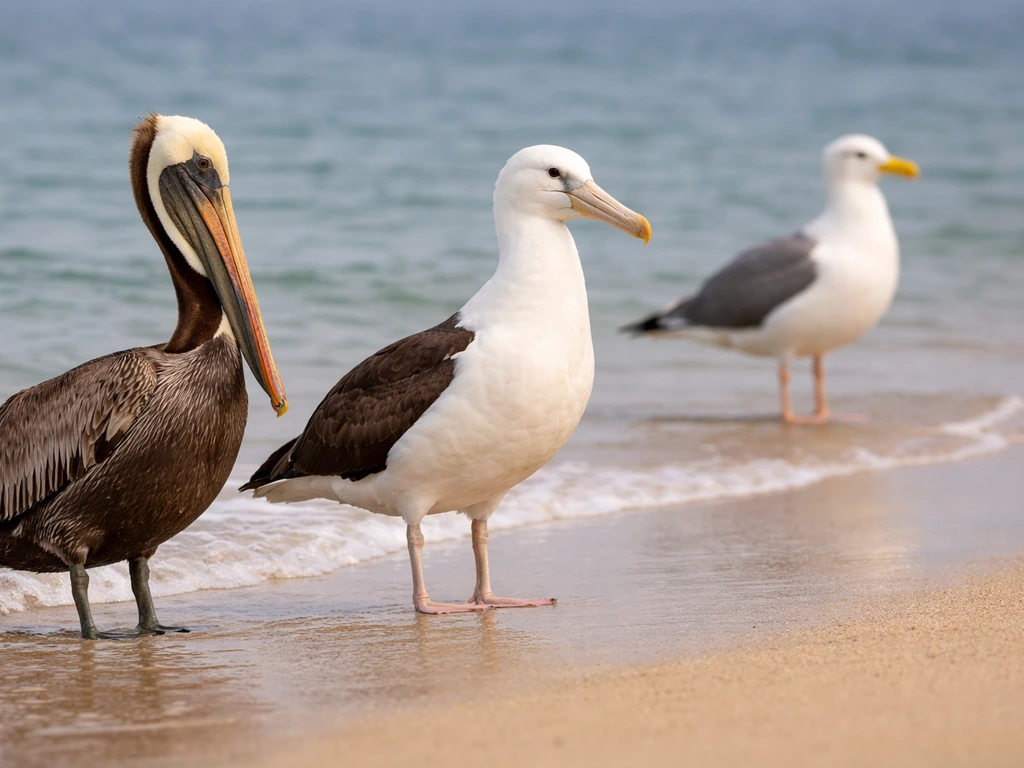
Several birds get confused when someone searches for 'large web-footed bird' in a Hindi or Indian context. Here are the ones that come up most often and how to tell them apart.
| Bird | Hindi Name | Why It Gets Confused | Key Difference |
|---|---|---|---|
| Pelican | हवासील (havāsīl) | Most common large webbed waterbird in India | Has a distinctive throat pouch; resident in India |
| Albatross | अल्बाट्रॉस (albāṭroṣ) | Dictionary definition literally says 'large web-footed bird' | Oceanic, not found inland; no Indian cultural root |
| Swan / Goose (Haṃs) | हंस / राजहंस (haṃs / rājhaṃs) | Large, webbed, white — fits the visual description | Deeply Sanskritic symbolism; not always 'large' in the pelican sense |
| Cormorant | जलकाग / पनकौआ (jalakāg) | Web-footed, waterbird, fishes in Indian rivers | Smaller than pelican; dark-feathered; no pouch |
| Stork | सारस (sāras) | Large wading bird near water | Not web-footed; long legs and bill; different family entirely |
The stork confusion is worth a special mention because सारस (sāras) is one of the most culturally prominent large birds in Indian tradition, it is the bird Valmiki is said to have witnessed when composing the first Sanskrit verse, but the sāras crane is not web-footed. Similarly, the migratory bird category overlaps here: several large web-footed birds like certain geese and ducks are seasonal visitors to India, and if your context involves migration, you may be dealing with a migratory waterbird rather than a resident species like the pelican. In Hindi, this idea is often explained using the phrase migratory bird meaning in hindi to clarify whether the bird is seasonal or resident migratory waterbird.
Your next steps to confirm the exact meaning
If you landed here from a specific riddle, crossword, text passage, dream, or vocabulary exercise, here is the fastest way to confirm you have the right bird and the right Hindi word.
- Check the habitat clue first: ocean or sea points to albatross (अल्बाट्रॉस); river, lake, or Indian wetland points to pelican (हवासील).
- Search 'albatross meaning in Hindi' on Shabdkosh if your source is a Hindi dictionary or English-Hindi translation exercise — the phrase 'large web-footed bird' appears there in the albatross entry.
- Search 'हवासील' or 'pelican Hindi name' to confirm the pelican match if your context is Indian ornithology, nature, or cultural symbolism.
- If you encountered the phrase in a dream interpretation or Vastu/spiritual context, cross-reference it against haṃs (हंस) symbolism since the large white water bird in Indian spiritual texts almost always defaults to the haṃs.
- For a crossword or word puzzle, count the letters and check whether the answer fits 'albatross' (9 letters) or 'pelican' (7 letters) — that alone often resolves it instantly.
- If you are learning Hindi vocabulary, save both forms: जालदार पैर वाला बड़ा पक्षी as the descriptive phrase, हवासील as the bird name for Indian context, and अल्बाट्रॉस as the dictionary-defined match for the literal English phrase.
Knowing the right bird matters because the Hindi word you land on carries different cultural and contextual weight. हवासील connects you to living Indian nature and regional bird-watching vocabulary. अल्बाट्रॉस connects you to dictionary definitions and global maritime tradition. And हंस opens a door into one of the richest strands of Sanskrit symbolism in Indian philosophy. Once you know which door you are opening, the meaning becomes clear and the Hindi falls into place naturally. If you meant the phrase bird of passage meaning in Hindi, it is typically translated as a person who is temporary or only passing through birds of passage.
FAQ
In a Hindi translation exercise, should I write अल्बाट्रॉस or हवासील for “large web-footed bird”?
If you are translating for India (riddle, dream, local story, or a bird near wetlands), the safest default is हवासील (havāsīl), because pelicans are widely recognized in Indian bird vocabulary for large webbed-foot waterbirds. Use अल्बाट्रॉस only when the source is clearly using a dictionary-style English definition or mentions southern seas.
How can I tell if the text is describing a crane (सारस) rather than a web-footed bird?
A stork like सारस (sāras, crane) can be large and often described in similar “big waterbird” contexts, but it has feet that are not fully webbed. If the text emphasizes net-like webbing on the toes, the meaning is not crane, it is a true web-footed waterbird (pelican or similar).
What context clues decide between अल्बाट्रॉस (albatross) and हवासीل (pelican)?
If the clue includes “near sea” or “southern oceans,” “open water,” or “rarely seen around Indian rivers,” then अल्बाट्रॉस becomes more plausible. If the clue includes “rivers, lakes, wetlands,” or “seen across the subcontinent,” then pelican (हवासील) is far more likely.
What is the most accurate Hindi phrasing for “web-footed” in this context?
For strict Hindi wording, “web-footed” is best conveyed as जालदार पैर (jāladār pair) or जालदार पैर वाला पक्षी (jāladār pair vālā pakṣī). Avoid very general words like “पैर वाले” without “जालदार,” because the whole meaning hinges on webbing across the toes.
If a dream mentions a large web-footed bird, should I always interpret it as pelican (हवासील)?
In dream or symbolic readings, the term हंस (swan/goose) often carries stronger Sanskrit and Vedantic associations than pelican. So if the dream text is using classical, symbolic language or “holy bird” framing, check whether it is actually pointing to हंस rather than a literal pelican.
Where does cormorant (जलकाग) fit, if the phrase says “web-footed”?
Some birds are “waterbirds” but not web-footed in the way this phrase implies. Cormorant (जलकाκ) is sometimes mentioned in folk settings and is related by habitat (water and fishing), but if the text stresses webbed toes specifically, pelican-style webbing is the closer match.
What should I do when the glossary definition seems to point to albatross, but the passage is clearly Indian?
If your source is a glossary that uses the English phrase “large web-footed bird,” it may be aiming at a generic definition that includes albatross. However, if the passage is Indian-local and describes a bird’s look and behavior near water, translate based on Indian identification (havasīl) rather than the dictionary’s literal match.
What if the story mentions migration, but I’m searching for “large web-footed bird” meaning in Hindi?
If the text includes migration cues like “seasonal,” “arrives for a few months,” or “during migration,” you may be dealing with a migratory waterbird rather than a resident bird like pelican. In that case, treat the phrase as descriptive, then narrow to the species named elsewhere in the passage.
What common mistakes lead people to the wrong Hindi bird meaning?
In everyday Hindi bird vocab, confusion often happens between web-footed birds and large wading birds. A quick check is: does it emphasize “scooping fish with a throat pouch” or “webbed feet,” or does it emphasize “long legs and wading”? Web-footed cues push toward pelican-like birds.
How do I choose the correct Hindi meaning when the source is ambiguous?
Because the phrase can open different “doors” (dictionary vs Indian ecological vs Sanskrit symbolism), the best practice is to match Hindi word choice to the source type: dictionary-style writing suggests अल्बाट्रॉस, Indian local observation suggests हवासील, and classical symbolism often points to हंस.

Talons bird meaning in Hindi and English: claws/feet of birds of prey, plus symbolism like power, grip, protection.
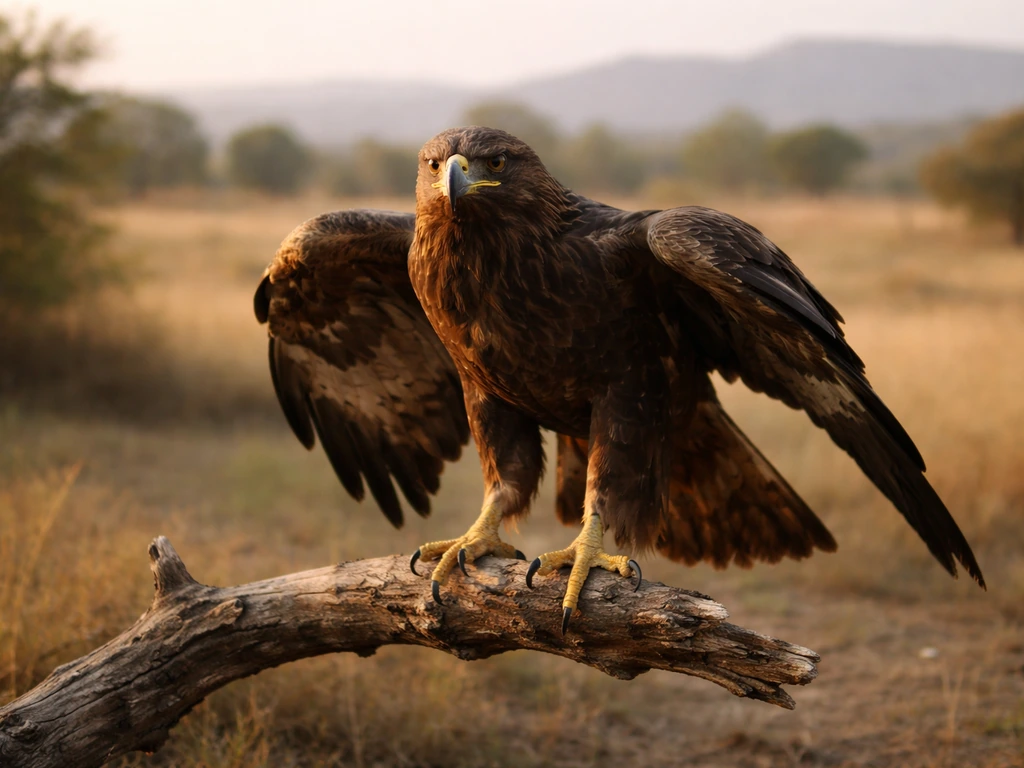
Bird of prey meaning in Hindi with exact words, regional equivalents, and cultural symbolism in Indian context.
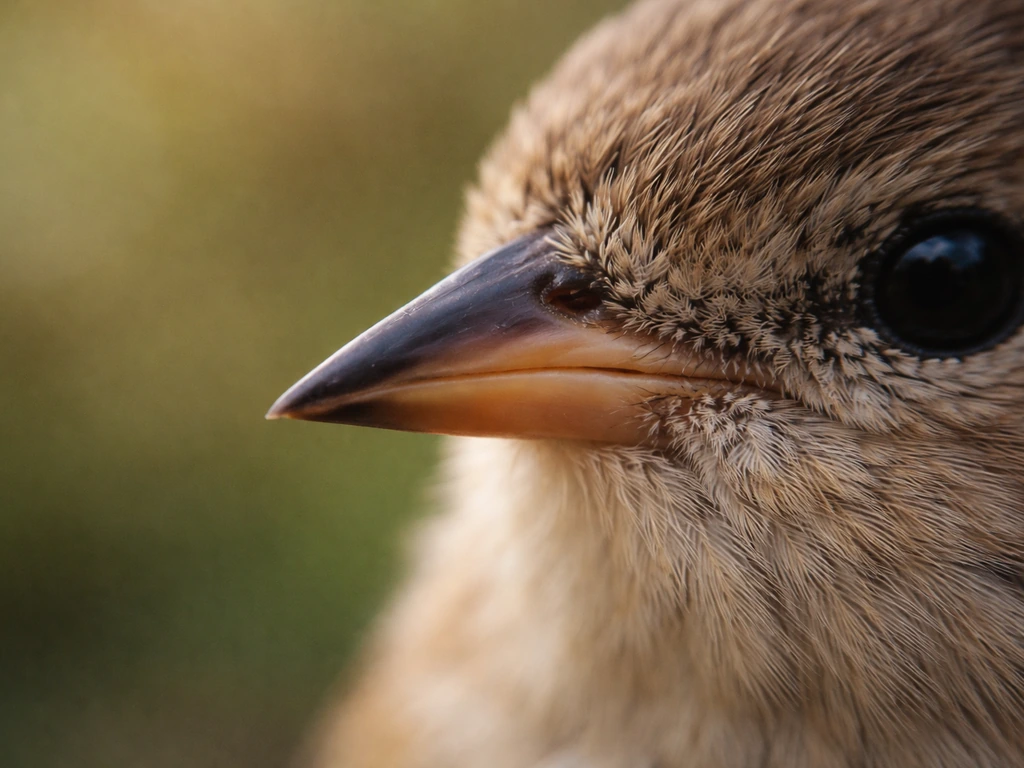
Bird beak in Hindi chonch or bill, pronunciation, examples, beak vs bill differences, and figurative Hindi use