
The most natural Hindi translation of 'I wish I were a bird' is काश मैं एक पक्षी होता (if you're male) or काश मैं एक पक्षी होती (if you're female). That single sentence captures the longing, the counterfactual 'if only,' and the dreamy quality of the original English phrase, all in seven words.
I wish I were a bird meaning in Hindi

Rajesh Sharma
1 Jun 2026

Direct Hindi translation options
There are a few ways to say this in Hindi, and the right one depends on how poetic or casual you want to sound. Here are the main options:
| Hindi phrase | Transliteration | Register / Tone |
|---|---|---|
| काश मैं एक पक्षी होता। | Kaash main ek pakshi hota. | Natural, heartfelt, standard (male speaker) |
| काश मैं एक पक्षी होती। | Kaash main ek pakshi hoti. | Natural, heartfelt, standard (female speaker) |
| काश मैं एक पंछी होता / होती। | Kaash main ek panchhi hota / hoti. | Slightly more poetic, common in songs and poetry |
| अगर मैं पक्षी होता / होती तो… | Agar main pakshi hota / hoti to… | Conditional, more 'if I were a bird, then…' |
| मैं चाहता / चाहती हूँ कि मैं पक्षी होऊँ। | Main chahta / chahti hoon ki main pakshi hoon. | Casual desire, less dreamlike, more direct wish |
The काश versions are the ones to go with if you want the phrase to feel the way it does in English, wistful, a little melancholy, full of longing. The word पक्षी (pakshi) is the standard Hindi word for bird, while पंछी (panchhi) is the more lyrical, folk-poetic variant you'll hear in songs and couplets. Both are perfectly understood everywhere.
The emotion behind the phrase

When someone says 'I wish I were a bird,' they're almost never talking about ornithology. The phrase is really about freedom, the desire to escape constraints, rise above daily burdens, and move through the world without restriction. It carries a particular kind of longing that blends aspiration with a touch of sadness, because the speaker knows they are not a bird. That gap between desire and reality is exactly what makes the phrase feel poetic rather than practical.
In Hindi, काश does all of that emotional heavy lifting. It's not a neutral 'if.' It's the word you reach for when something is beautiful but impossible, the Hindi equivalent of 'if only.' When you pair it with a subjunctive verb form like होता or होती, you signal immediately that this is a counterfactual wish, not a plan. A learner-oriented Hindi grammar guide also explains subjunctive usage for counterfactual wishing with forms like “काश … होता/होती/होते.” subjunctive verb form like होता or होती. The emotional undertone is one of yearning, often connected to themes of freedom, release, or escape from something weighing the speaker down.
Hindi grammar: how 'I wish I were…' actually works
Hindi handles this kind of counterfactual wish through the subjunctive mood, which is the verb form used to express wishes, desires, hypothetical states, and possibilities. The subjunctive of होना (to be) gives you होता (masculine singular), होती (feminine singular), and होते (plural or formal). These forms are what you use when you want to say 'were' in the 'I wish I were' sense, not describing a past state, but imagining an unreal present.
The structure is clean and easy to apply once you see it:
- काश (the 'if only / I wish' trigger word)
- मैं (I)
- एक पक्षी / पंछी (a bird)
- होता / होती (were — subjunctive form of होना, agreeing with the speaker's gender)
The classic example taught in Hindi grammar courses is 'काश तुम यहाँ होते' (I wish you were here), and the same pattern applies here. Notice that the verb comes at the end, as it almost always does in Hindi. A very common learner mistake is using the present indicative instead, saying something like 'मैं पक्षी हूँ' (I am a bird) where the subjunctive is needed. That changes the meaning entirely, from a wistful wish to a strange statement of fact. Another pitfall is reaching for 'मैं चाहता हूँ कि…' (I want that…), which works for direct desires but loses the counterfactual, dreamlike quality of 'I wish I were.'
काश vs. अगर: which one to use
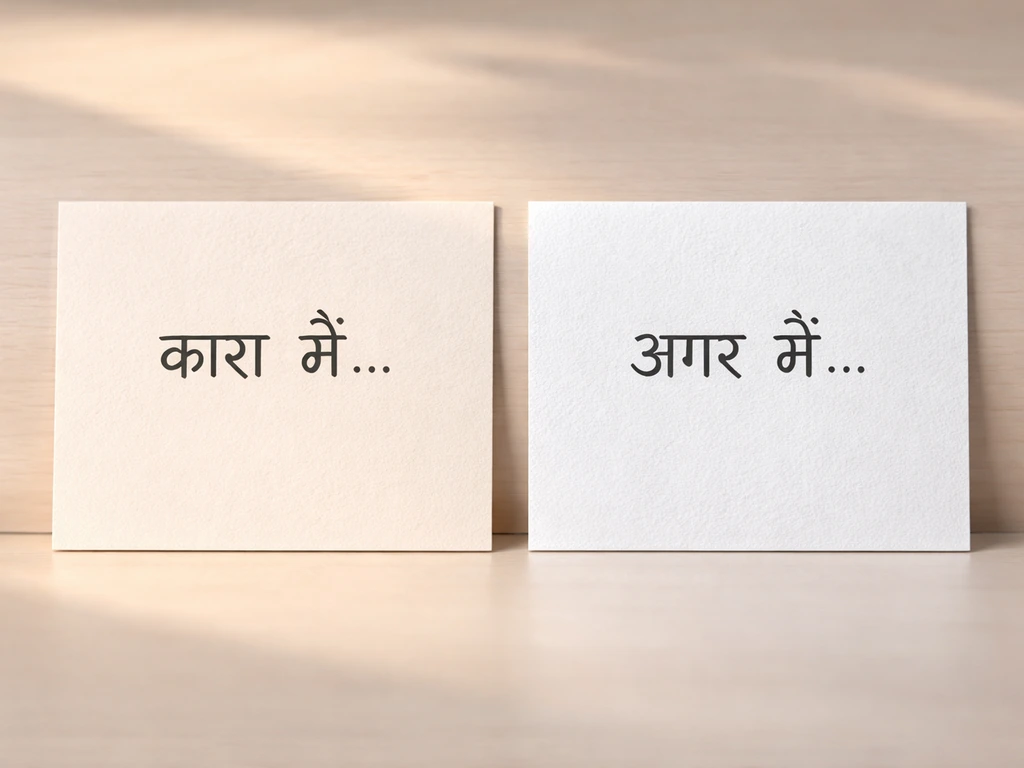
Both काश and अगर can introduce hypothetical sentences, but they feel different. काश is purely wishful and emotional, it has no logical consequence attached. अगर means 'if' in a slightly more conditional sense, so 'अगर मैं पक्षी होता' sounds like the beginning of 'If I were a bird, then I would…' rather than a standalone expression of longing. For the phrase 'I wish I were a bird' as a complete thought, काश is almost always the better fit.
Poetic and idiomatic ways to say it in Hindi
If you're writing a poem, a song lyric, or something that needs to feel more rooted in Hindi literary tradition, a straight translation can sometimes feel too literal. Hindi's poetic register has its own toolkit for expressing this kind of aspiration, and it often works through imagery rather than a direct 'I wish' statement.
Kabir, one of the most loved poet-saints in the Hindi tradition, used bird imagery to talk about the soul's longing for release. His line 'मन पंछी भया, भावे तो उड़ जाय' (The mind has become a bird, if it feels like it, let it fly) is a famous example. He's not literally saying 'I wish I were a bird.' He's using the bird as a metaphor for a mind that has found its freedom. That approach, treating the self as a bird, or the desire as a flight, is deeply embedded in Hindi literary culture.
Film songs have carried this tradition forward. Phrases like 'खुली हवा में उड़ने वाला पंछी' (the bird that flies in open air) or 'पंछी उड़ चल अपने देश' (bird, fly away to your own land) appear repeatedly in Hindi cinema as shorthand for freedom, longing, and belonging. If you’re wondering what the bird flew away meaning in Hindi is, that song-style line captures the idea of release and longing पंछी उड़ चल अपने देश.
If you're looking for a poetic paraphrase of 'I wish I were a bird,' any phrase that pairs पंछी with open sky, flight, and freedom (खुली हवा, आज़ाद आकाश, उड़ान) will immediately communicate that emotional territory to a Hindi reader or listener. In the lyric framing, imagery like open sky and an unbound bird naturally conveys getting away from constraints, rather than a literal wish open air imagery instead of a literal wish.
- काश मैं पंछी होता और इस आकाश में उड़ता। (I wish I were a bird and could fly across this sky.)
- मन पंछी बनकर उड़ जाना चाहता है। (My mind wants to become a bird and fly away.)
- काश पंख होते, उड़ जाता दूर। (If only I had wings, I'd fly far away.)
What birds symbolize in Indian traditions
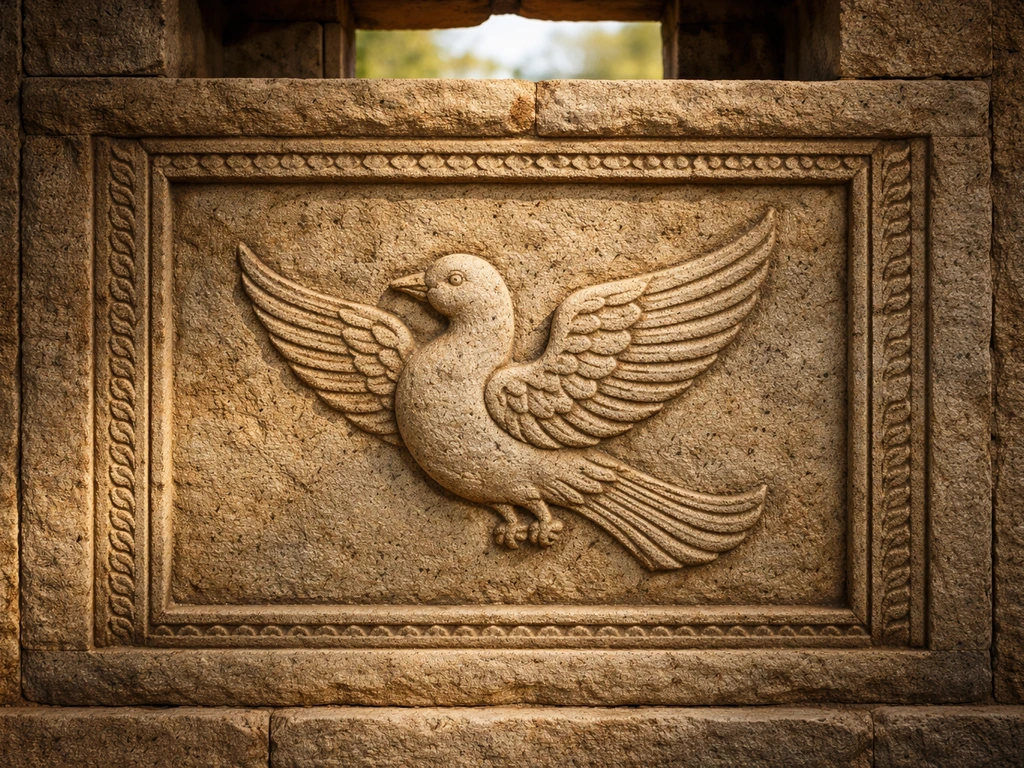
The wish to be a bird isn't random, in Indian cultural and spiritual thinking, birds have always carried enormous symbolic weight, and much of it maps directly onto the emotions behind this phrase. In Hindi, the flightless bird meaning in Hindi is often discussed using how birds symbolize freedom and longing in culture birds have always carried enormous symbolic weight.
Freedom and flight are the most obvious meanings. A bird in open air is the universal image of being unbounded, and this shows up everywhere in Sanskrit poetry, Bhakti literature, and folk song. The caged bird, by contrast, is the symbol of the soul trapped in worldly existence, which is why the wish to be a free bird resonates so strongly in traditions that take spiritual liberation seriously. The contrast between the caged bird and the free bird carries philosophical weight here that it might not in other cultural contexts.
In the Upanishads, there is a famous image of two birds sitting on the same tree: one eats the fruit of experience while the other simply watches, representing the individual soul (jiva) and the witnessing Supreme. The bird, in this tradition, is literally a stand-in for the self. When Kabir's poetry uses 'मन पंछी' (the mind-bird), it's drawing on exactly this lineage, the bird is a metaphor for the soul or inner self, and its flight is liberation.
The blank" rel="noopener noreferrer">हंस (hamsa), often translated as swan or goose, is one of the most sacred birds in Indian philosophical tradition. It symbolizes the individual soul, and in some readings the Supreme spirit itself. The word 'hamsa' is also connected to the breath mantra 'so-ham' (I am That), making it a deeply layered spiritual symbol. When Indian poets or philosophers reach for bird imagery, they are almost always invoking this long tradition of birds as symbols of the soul, aspiration, and transcendence.
This symbolic depth is worth keeping in mind when you use the phrase in Hindi. Saying 'काश मैं पंछी होता' in the right context can carry overtones of spiritual longing and the desire for liberation, not just a wish to avoid traffic. The phrase sits at the intersection of everyday longing and deep cultural metaphor, which is part of what makes it feel so resonant in Hindi literature and song.
Picking the right version and using it naturally
The version you choose should match the context you're in. Here's a practical breakdown:
| Context | Best Hindi phrase | Why it works |
|---|---|---|
| Everyday conversation, casual longing | काश मैं एक पक्षी होता / होती। | Natural, correct grammar, immediately understood |
| Writing a poem or song lyric | काश मैं पंछी होता और उड़ जाता। | पंछी sounds more lyrical; adding flight imagery rounds it out |
| Describing a hypothetical scenario | अगर मैं पक्षी होता / होती, तो… | More conditional, good for continuing into 'then I would…' |
| Expressing a direct, simple desire | मैं चाहता / चाहती हूँ कि मैं पंछी की तरह उड़ूँ। | More direct, less dreamy — 'I want to fly like a bird' |
| Literary or philosophical writing | मन पंछी बन उड़ जाना चाहता है। | Draws on Kabir-style imagery; soul/mind as bird |
For most learners and cultural enthusiasts, 'काश मैं एक पक्षी होता / होती' is the version to memorize first. It's grammatically correct, emotionally accurate, and immediately recognizable to any Hindi speaker. From there, you can layer in पंछी for a more poetic feel, or explore the rich bird-flight idioms of Hindi song and poetry when you want something that feels more native to the tradition. For the meaning of “as free as a bird” in Hindi, you can look for a phrase that captures the same sense of unbounded freedom as free as a bird meaning in hindi.
If you're exploring related expressions, the feeling behind 'I wish I were a bird' connects closely to other bird-themed phrases in Hindi, the idea of a caged bird longing for release, or a bird that has flown away to freedom. These phrases all draw on the same cultural well of bird symbolism, where flight is always about more than just getting from one place to another.
FAQ
“काश मैं पक्षी होता” या “काश मैं पक्षी होती” में लिंग कैसे चुनते हैं?
अगर आप खुद को पुरुष के रूप में बोल रहे हैं, तो होता (काश मैं पक्षी होता) सही है, और अगर आप खुद को स्त्री के रूप में बोल रहे हैं, तो होती (काश मैं पक्षी होती) आता है। अगर आप खुद के लिंग के बारे में सुनिश्चित नहीं हैं, तो आप बहुवचन/सामान्य सम्मान वाला होते (काश मैं पक्षी होते) जैसा रूप चुनने से बात सहज लग सकती है।
क्या “काश मैं एक पक्षी होता” में “एक” हटाया जा सकता है?
हाँ, अर्थ बदलता नहीं। “काश मैं पक्षी होता/होती” और “काश मैं एक पक्षी होता/होती” दोनों समझ में आते हैं, “एक” बस ज़रा अधिक स्पष्टता देता है कि एक पक्षी की बात हो रही है।
अगर मैं इसे “अगर…तो…” की तरह बोलूं, जैसे “अगर मैं पक्षी होता तो…”, तो क्या यह वही भावना रहेगी?
पूरी तरह नहीं। “अगर मैं पक्षी होता” अपने आप में तुलना के लिए शर्त बनता है, और “तो…” जोड़ने पर वह कारण-परिणाम वाली संरचना बन जाती है। “I wish I were a bird” के लिए पूरा भाव अक्सर “काश” के साथ बिना “तो” के काउंटरफैक्चुअल longing के रूप में आता है।
“काश” के साथ मैं किस वर्ब फॉर्म का इस्तेमाल करूँ, हुआ/होता/होती?
होना का subjunctive ही चाहिए। सामान्य नियम, पुरुष एकवचन होता, स्त्री एकवचन होती, और बहुवचन/सम्मानजनक होते। गलती से बचने के लिए अंत में वर्ब का form सही रखें, क्योंकि वही “were” वाली unreal wish का संकेत देता है।
क्या “अगर मैं पक्षी होता” को casual बातचीत में इस्तेमाल कर सकते हैं?
कर सकते हैं, पर वह ज़्यादा conditional और logical लगेगा, सिर्फ़ भावुक “if only” जैसा नहीं। रोज़मर्रा में ज्यादातर लोग longing वाले भाव के लिए “काश” को ज़्यादा natural मानते हैं।
“काश मैं एक पक्षी होता” को बहुत ज्यादा literal बोलने पर क्या कोई native-फील समस्या आती है?
यदि आप बहुत formal या poetic संदर्भ में हैं तो literal translation ठीक काम करता है। लेकिन अगर आप conversational Hindi में वही लाइन बोलेंगे, तो यह थोड़ा किताब़ी लग सकता है। ऐसे में “काश…” रखना तो अच्छा है, पर surrounding sentences अधिक native कर दें, जैसे संदर्भ देकर कि आप किस बात से मुक्त होना चाहते हैं।
गलत तरीके से “मैं पक्षी हूँ” बोलने पर अर्थ क्या बदल जाता है?
“मैं पक्षी हूँ” वास्तविक पहचान या तथ्य जैसा बन जाता है, यानी यह wish नहीं रह जाती। असल उद्देश्य dreamlike longing है, इसलिए “काश + subjunctive (होता/होती/होते)” वाला ढांचा जरूरी है।
कविता या गीत में मैं इसे और सुंदर कैसे paraphrase करूँ?
सीधी “काश मैं…” लाइन के अलावा, पक्षी के साथ उड़ान, खुला आकाश, आज़ादी, या पंखों की छवि जोड़ें, जैसे “खुले आसमान में उड़ने का मन” टाइप कल्पनात्मक वाक्य। मुख्य बात वही longing-escape feel रखें, बस framing “मैं” से हटकर imagery पर शिफ्ट करें।
यह वाक्य किस तरह के संदर्भ में सबसे सही बैठता है?
ऐसी स्थितियों में जब आप किसी बंधन, दबाव, रोज़मर्रा की थकान, या किसी सीमा से निकलने की चाह महसूस कर रहे हों। अगर संदर्भ केवल “मुझे पक्षी बनना है” जैसा factual hobby हो, तो यह phrase उतना natural नहीं लगेगा, क्योंकि इसमें bittersweet, unreal wish का undertone होता है।
“मैं पक्षी बन जाऊँ” जैसा विकल्प ठीक रहेगा?
यह अलग nuance है। “बन जाऊँ” में intent या इच्छा का एक practical-leaning shade आ सकता है, जबकि “I wish I were” विशेष रूप से unreal, counterfactual longing दिखाता है। सबसे नज़दीकी भाव के लिए लेख में जैसा “काश + होता/होती” वाला ढांचा रखें।
Next Articles
As Free As a Bird Meaning in Hindi: अर्थ और उदाहरण
As free as a bird का मतलब Hindi में अत्यधिक आजादी, बिना पाबंदी; वाक्य उदाहरण और सही उपयोग टिप्स सहित
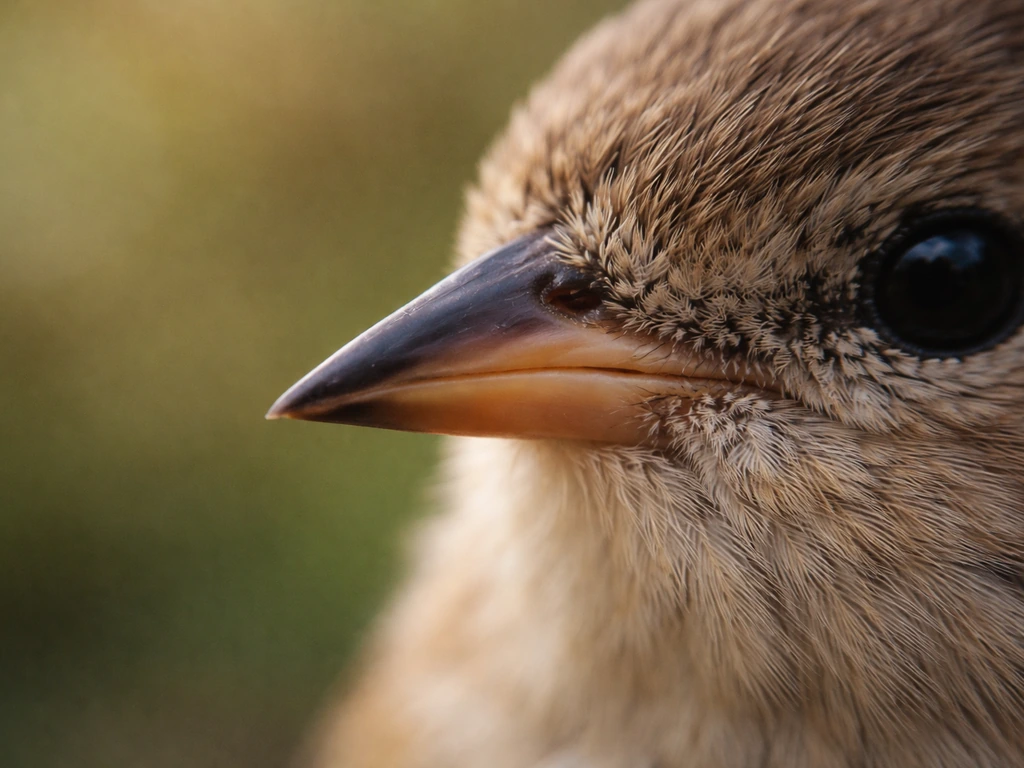
Bird Beak Meaning in Hindi: Chonch, Bill, Pronunciation
Bird beak in Hindi chonch or bill, pronunciation, examples, beak vs bill differences, and figurative Hindi use
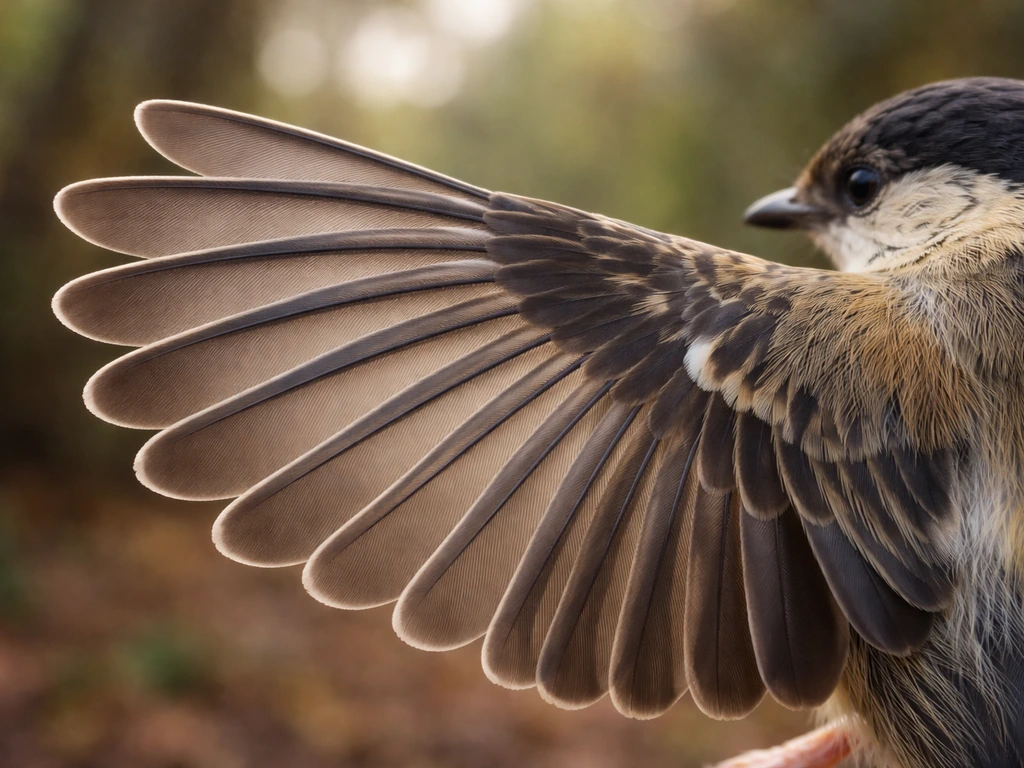
Bird Pankh in English Meaning: Wings or Feathers?
Learn bird pankh in English meaning: pankh means feathers or wings, with context rules, examples, and regional equivalen