
The English idiom 'as free as a bird' means completely free, with no restrictions, worries, or obligations holding you back. That is the whole meaning. Cambridge Dictionary defines it as 'completely free to do as you want,' and Merriam-Webster keeps it even shorter: 'completely free.' In Hindi, the closest natural equivalents are 'पूरी तरह आज़ाद' (puree tarah aazaad) or 'बिल्कुल मुक्त' (bilkul mukt), and both carry exactly that sense of unbounded freedom.
As Free As a Bird Meaning in Hindi: अर्थ और उदाहरण

Rajesh Sharma
21 Apr 2026
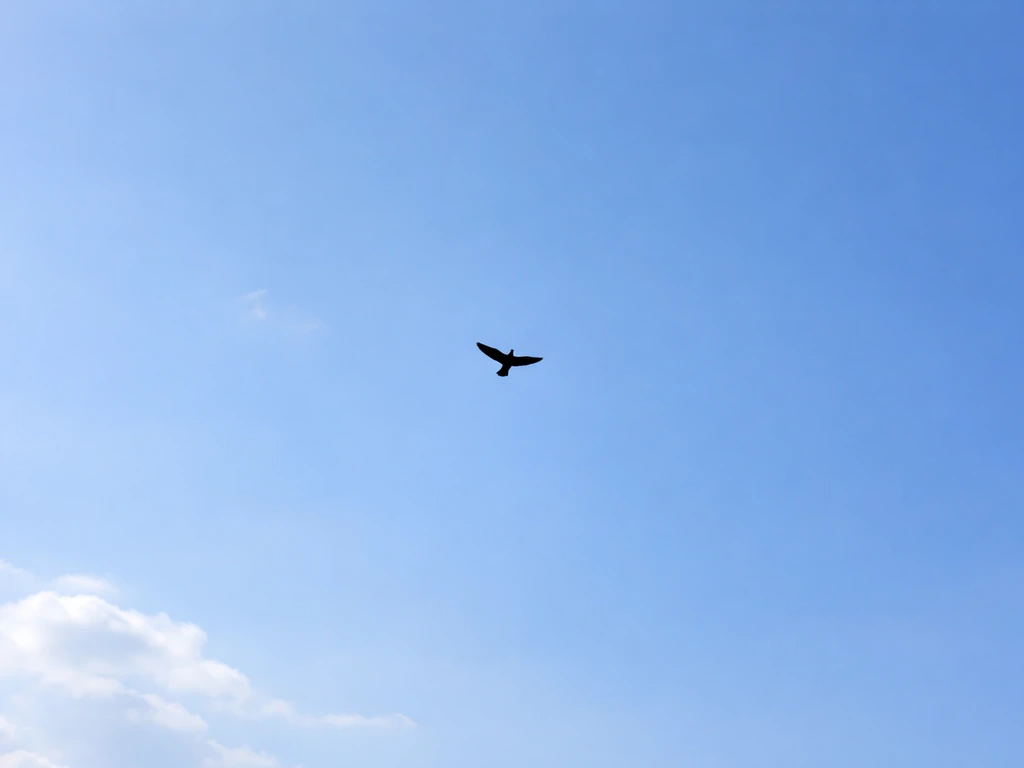
What the idiom actually means, in plain terms

When someone says 'I feel as free as a bird,' they are not commenting on birds at all. They are saying they feel completely unrestrained, as if no rule, person, or responsibility has a hold on them. Collins Dictionary adds a useful nuance: 'completely free, with no worries or troubles. ' So the idiom is not just about legal freedom or physical movement.
It covers emotional lightness too. Think of the feeling after finishing a difficult exam, leaving a stressful job, or ending a long commute. That 'finally, I can breathe' sensation is exactly what this idiom captures. The phrase “I wish I were a bird” meaning in Hindi is often expressed as “काश मैं एक blank" rel="noopener noreferrer">पक्षी होता,” which conveys a strong desire to be free and fly I wish i were a bird meaning in hindi.
If you are also searching for the full phrase “flightless bird meaning in hindi,” it is a different expression and has its own Hindi explanation.
The bird image works because birds are one of the most universal symbols of freedom across almost every culture, including Indian ones. A bird in open sky has no walls, no chains, no fixed path. That mental image is what the idiom borrows, not any specific species or ornithological fact.
Hindi translations and the most natural equivalents
A strict word-for-word rendering of 'as free as a bird' in Hindi would be 'एक पक्षी के रूप में मुक्त' (ek pakshi ke roop mein mukt). You will sometimes see this on translation websites, and it is technically understandable, but no native Hindi speaker actually says it that way. Translation experts consistently advise finding a corresponding natural expression rather than doing a word-for-word lift, and in this case Hindi has several strong options.
| Hindi Expression | Transliteration | Closest English Sense |
|---|---|---|
| पूरी तरह आज़ाद | puree tarah aazaad | Completely free / totally at liberty |
| बिल्कुल मुक्त | bilkul mukt | Absolutely free / fully liberated |
| पंछी की तरह आज़ाद | panchhi ki tarah aazaad | Free like a bird (natural idiom equivalent) |
| बेफ़िक्र | befikr | Carefree / without worry |
| बिना किसी पाबंदी के | bina kisi paabandi ke | Without any restriction |
| स्वच्छंद | swachhanda | Unrestrained / free-spirited (slightly literary) |
| खुले आसमान में उड़ते पंछी जैसा | khule aasmaan mein udte panchhi jaisa | Like a bird flying in open sky (vivid/poetic) |
Of these, 'पंछी की तरह आज़ाद' is the one that most closely mirrors the original idiom in both structure and feel. It retains the bird image, uses आज़ाद (the everyday Hindi word for free), and sounds completely natural in conversation. 'बेफ़िक्र' is excellent when you want to emphasize the emotional lightness and carefree quality. 'स्वच्छंद' skews more literary or poetic, so you will hear it in writing, songs, and formal speeches rather than casual talk.
Using it in Hindi sentences: ready-to-say examples
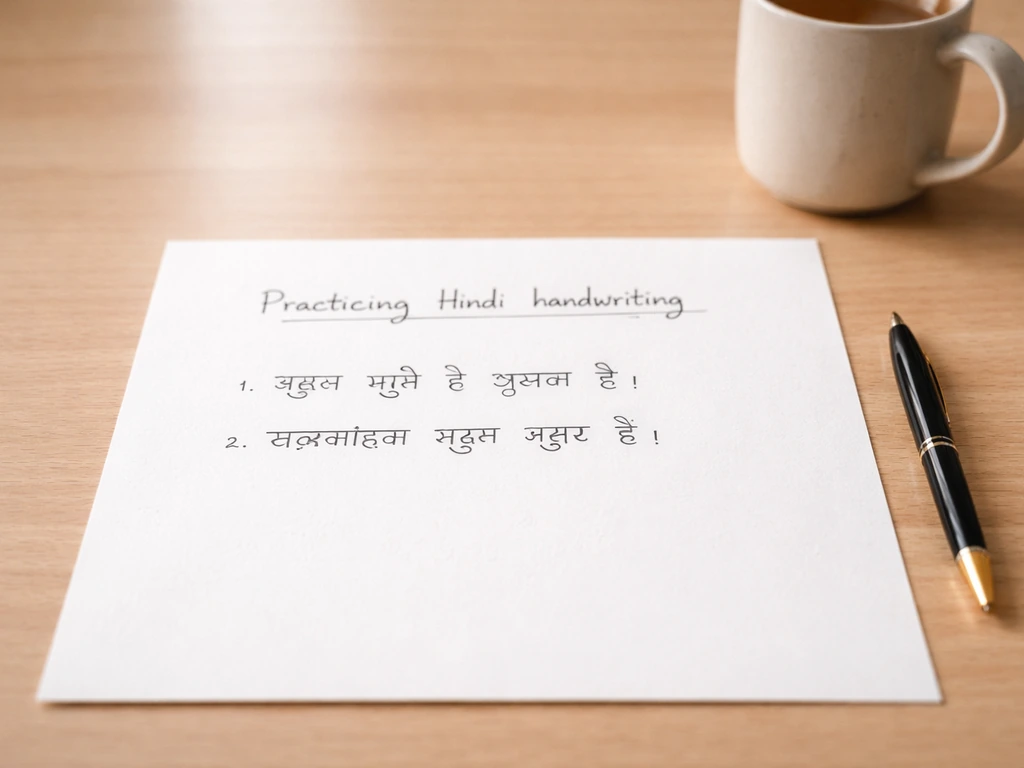
Here are blank" rel="noopener noreferrer">practical sentence examples that show you how to use both the English idiom and its Hindi equivalents in real contexts. These follow natural Hindi sentence patterns, so you can lift them and use them directly.
- He felt as free as a bird after retiring. → नौकरी से रिटायर होने के बाद वो पंछी की तरह आज़ाद महसूस कर रहा था। (Naukri se retire hone ke baad vo panchhi ki tarah aazaad mehsoos kar raha tha.)
- She was as free as a bird again, for the moment. → उस पल वो फिर से बिल्कुल मुक्त थी। (Us pal vo phir se bilkul mukt thi.)
- After he left school he felt as free as a bird. → स्कूल छोड़ने के बाद उसे लगा जैसे वो पूरी तरह आज़ाद हो गया हो। (School chhodne ke baad use laga jaise vo puree tarah aazaad ho gaya ho.)
- I feel as free as a bird today. → आज मैं पंछी की तरह आज़ाद महसूस कर रहा हूँ। (Aaj main panchhi ki tarah aazaad mehsoos kar raha hoon.)
- Living alone made her feel as free as a bird. → अकेले रहने से उसे बेफ़िक्र और आज़ाद महसूस हुआ। (Akele rehne se use befikr aur aazaad mehsoos hua.)
- On vacation, we were as free as birds. → छुट्टियों में हम बिना किसी पाबंदी के, एकदम पंछी की तरह थे। (Chhutiyon mein hum bina kisi paabandi ke, ekdam panchhi ki tarah the.)
- Hinglish version: 'Exams ke baad main ekdum free as a bird feel kar raha tha!' (This Hinglish mix is extremely common among urban Hindi speakers and is perfectly understood.)
Figurative meaning vs. literal bird freedom: a common point of confusion
If you are a Hindi learner or translator, you may instinctively try to find the Hindi equivalent based on the literal image: a bird flying free. That impulse leads you toward phrases about actual birds and actual flight, which misses the point. The idiom is non-compositional, meaning you cannot understand it just by knowing the individual words 'free' and 'bird.' Knowing that birds can fly does not tell you that this phrase means 'completely unrestrained in your personal life.'
The confusion comes up in another direction too. When someone in a Hindi context talks about पंछी (birds) in a poem or proverb, they may genuinely be discussing birds as a symbol, not using this specific English idiom. So if a friend says 'वो पंछी की तरह उड़ गई' (vo panchhi ki tarah ud gayi), they could mean she literally flew away, she left freely, or even that she passed away, depending on the context. The phrase 'as free as a bird' in its English form is always figurative, always about a person's sense of personal freedom. Keep the two uses distinct when translating.
This is also where this idiom differs from a related idea you might encounter on this site: a caged bird, by contrast, symbolizes captivity, suppression, or longing. This is also where this idiom differs from a related idea you might encounter on this site: a caged bird, by contrast, symbolizes captivity, suppression, or longing, and the caged bird meaning in hindi is usually explained in that same sense.
'As free as a bird' is the opposite end of that spectrum. Older usage and background connected to “free as a bird” are discussed by Wikipedia, noting how the phrase came to be understood this way historically “free as a bird” older usage and historical background.
And while 'the bird flew away' can be either literal or symbolic depending on context, 'as free as a bird' is always and only figurative when applied to a person.
How birds symbolize freedom in Indian traditions

The idiom's bird-freedom connection is not just a Western concept. Indian traditions have been using birds as symbols of freedom, the soul, and liberation for thousands of years, which is exactly why Hindi equivalents like 'पंछी की तरह आज़ाद' land so naturally.
In Hindu mythology, Garuda, the great eagle, is the vahana (vehicle) of Lord Vishnu and represents swiftness, fearlessness, and liberation from bondage. The swan (hansa) is deeply associated with moksha, the ultimate spiritual freedom. In Sanskrit poetry and in the Upanishads, the hamsa (swan or goose) flying freely is used as a metaphor for the liberated soul that moves through the world unattached. The free-flying bird is not just a poetic image in Indian culture; it is a spiritual aspiration.
Folk traditions reinforce this further. In many parts of India, releasing a caged bird is a ritual act of merit, a literal enactment of granting freedom. In Punjabi folk songs and Gujarati garba poetry, birds in open skies frequently appear as metaphors for longing, independence, and the human spirit unfettered. The peacock, India's national bird, is celebrated partly for its free display in the wild, with its open-sky dance in rain seen as pure uninhibited joy. So when an Indian language learner hears 'as free as a bird,' the cultural resonance is genuinely deep, not borrowed from outside.
In Marathi, you will hear 'पाखरासारखा मुक्त' (pakharaasaarkha mukt, free like a bird), which parallels the Hindi construction almost exactly. This cross-regional consistency tells you something: the bird-as-freedom symbol is woven into the fabric of Indian linguistic imagination, not just English-language idiom.
Quick guide to Hindi words for freedom and when to use each
Hindi has several words and phrases that can translate 'free' or 'freedom,' and choosing the right one depends on what shade of meaning you are going for. Here is a practical breakdown.
| Hindi Word/Phrase | Best Used When | Equivalent Register |
|---|---|---|
| आज़ाद (aazaad) | Everyday freedom: from a job, a relationship, a rule | Casual, conversational |
| मुक्त (mukt) | Liberation in a deeper or spiritual sense | Semi-formal, literary |
| स्वतंत्र (swatantra) | Political freedom, national independence, autonomy | Formal, civic |
| बेफ़िक्र (befikr) | Carefree, without worry or anxiety | Casual, emotional |
| स्वच्छंद (swachhanda) | Free-spirited, unrestrained by society or rules | Literary, poetic |
| बिना पाबंदी के (bina paabandi ke) | Without restrictions, no rules apply | Neutral, explanatory |
| पंछी की तरह आज़ाद (panchhi ki tarah aazaad) | Direct idiom equivalent of 'as free as a bird' | Casual to semi-formal |
For most everyday situations where you want to say 'as free as a bird,' reach for 'पंछी की तरह आज़ाद' or simply 'पूरी तरह आज़ाद.' If you want to add emotional color about carefreeness and no worries, 'बेफ़िक्र' does that job well on its own. Reserve 'स्वतंत्र' for contexts involving national independence or formal rights. And if you are writing a poem, a song, or a reflective piece, 'स्वच्छंद' or 'मुक्त' will carry the right literary weight, much like the way Indian poets invoke the image of a free-flying hamsa to suggest spiritual liberation.
One more practical tip: in Hinglish conversation, especially among younger speakers, people simply say 'free as a bird feel ho raha hai' or 'ekdum free as a bird hoon main.' You do not always need a full Hindi substitution. Knowing the Hindi equivalents is useful for writing, formal speech, or translation, but in casual spoken contexts, the English idiom is widely understood and freely mixed in.
FAQ
“as free as a bird meaning in hindi” के लिए सबसे सही, रोज़मर्रा वाला वाक्य कौन सा है?
Hindi me “पंछी की तरह आज़ाद” या “पूरी तरह आज़ाद” कहना सबसे natural है। “मुक्त” शब्द ठीक है, पर casual बातचीत में “आज़ाद” ज़्यादा चलता है, और “स्वच्छंद” ज्यादा poetic लगेगा।
क्या “as free as a bird” का मतलब सच में bird की उड़ान या प्रकृति से जुड़ा होता है?
यह idiom हमेशा figurative होता है, व्यक्ति के मानसिक हल्केपन या personal freedom के लिए। इसलिए direct Hindi में “पंछी” रखकर भी अर्थ को “किसी के नियंत्रण, नियम या जिम्मेदारियों से न बंधा हुआ” जैसे भाव से जोड़ें, पक्षी की उड़ान से नहीं।
जब संदर्भ job या exam के बाद का हो, तो Hindi translation में emotional nuance कैसे जोड़ें?
अगर वाक्य में work, studies, या जिम्मेदारी का संदर्भ है, तो “बेफ़िक्र” या “पूरी तरह आज़ाद” जोड़कर meaning और साफ हो जाती है। उदाहरण की तरह “अब टेंशन नहीं है” वाला emotional shade Hindi में ज़्यादा direct लगता है।
क्या यह phrase legal freedom के लिए भी इस्तेमाल होता है, या सिर्फ भावनात्मक freedom के लिए?
“as free as a bird” को किसी क़ानूनी अधिकार (legal freedom) की तरह न समझें। अगर आप legal context में अधिकार बताना चाहते हैं, तो “स्वतंत्र” या “कानूनी रूप से मुक्त” जैसे शब्द ज़्यादा सही होंगे, वरना idiom का playful emotional अर्थ चला जाएगा।
Translation sites वाले literal वाक्य, जैसे “एक पक्षी के रूप में मुक्त”, क्या Hindi में ठीक हैं?
Word-for-word तरीके जैसे “एक पक्षी के रूप में मुक्त” हर जगह गलत नहीं, पर native उपयोग में असहज हो सकता है। बेहतर approach यह है कि आप Hindi में एक मुहावरे जैसा flow पकड़ें, जैसे “पंछी की तरह आज़ाद” या “पूरी तरह आज़ाद”.
अगर किसी वाक्य का मूड दुखी या trapped जैसा हो, तो क्या “as free as a bird” ही सही होगा?
अगर आपके वाक्य में sadness या longing का tone है, तो “as free as a bird” नहीं, बल्कि “caged bird” वाली भावना (captivity, suppression, longing) के लिए अलग idiom या meaning चुनें। Free वाला अर्थ opposite spectrum है, इसलिए tone mismatch न करें।
क्या मैं Hinglish में “as free as a bird” वैसे ही बोल सकता हूं, या पूरा Hindi वाक्य लिखना बेहतर है?
Hinglish में आप इसे “ekdum free” या “free feel ho raha hai” की तरह बोल सकते हैं, खासकर अनौपचारिक संदर्भ में। Formal writing या translation में पूरे Hindi equivalent, जैसे “पंछी की तरह आज़ाद” रखना बेहतर है।
“I feel as free as a bird” को Hindi में लिखते समय क्या common mistake होती है?
जब आप “I feel as free as a bird” जैसी line को Hindi में बदलें, तो “महसूस कर रहा हूं” जैसा verb जरूर रखें। अक्सर लोग केवल “पूरी तरह आज़ाद” लिख देते हैं और subject या feeling link गायब हो जाता है, जिससे meaning अधूरी लगती है।
Poetry या proverbs में “पंछी” आने पर मैं कैसे पहचानूं कि idiom लागू हो रहा है या literal meaning है?
अगर किसी poem में “पंछी” आ रहा हो, तो जरूरी नहीं कि वही idiom हो। संदर्भ देखें, अगर भाव personal freedom वाला है तो “पंछी की तरह आज़ाद” उपयुक्त है, वरना वह literal उड़ान या प्रतीकात्मक bird-image हो सकता है।
किस situation में “पंछी की तरह आज़ाद”, “बेफ़िक्र”, और “स्वच्छंद” में से क्या चुनूं?
आप “पंछी की तरह आज़ाद” को baseline रखें। Carefree feel देना हो तो “बेफ़िक्र” अकेले भी चल सकता है, और literary tone चाहिए तो “स्वच्छंद” या “मुक्त” चुनें। इस तरह आप word choice से tone control कर सकते हैं।