The Hindi term most commonly used for the rhea bird is "रिया पक्षी" (Riya Pakshi), where "रिया" (Riya) is a direct phonetic transliteration of the English/Latin "rhea" and "पक्षी" simply means bird. There is no ancient or classical Hindi name for the rhea because the bird is native to South America and has no historical presence in the Indian subcontinent. What you are looking at is a modern borrowed term, not a word rooted in Sanskrit or folk tradition. That distinction matters a lot, especially if you are doing cultural or linguistic research.
Rhea Bird Meaning in Hindi: What It Is and Stays

Rajesh Sharma
23 Mar 2026
What the Rhea Bird Actually Is (And Why People Get Confused)
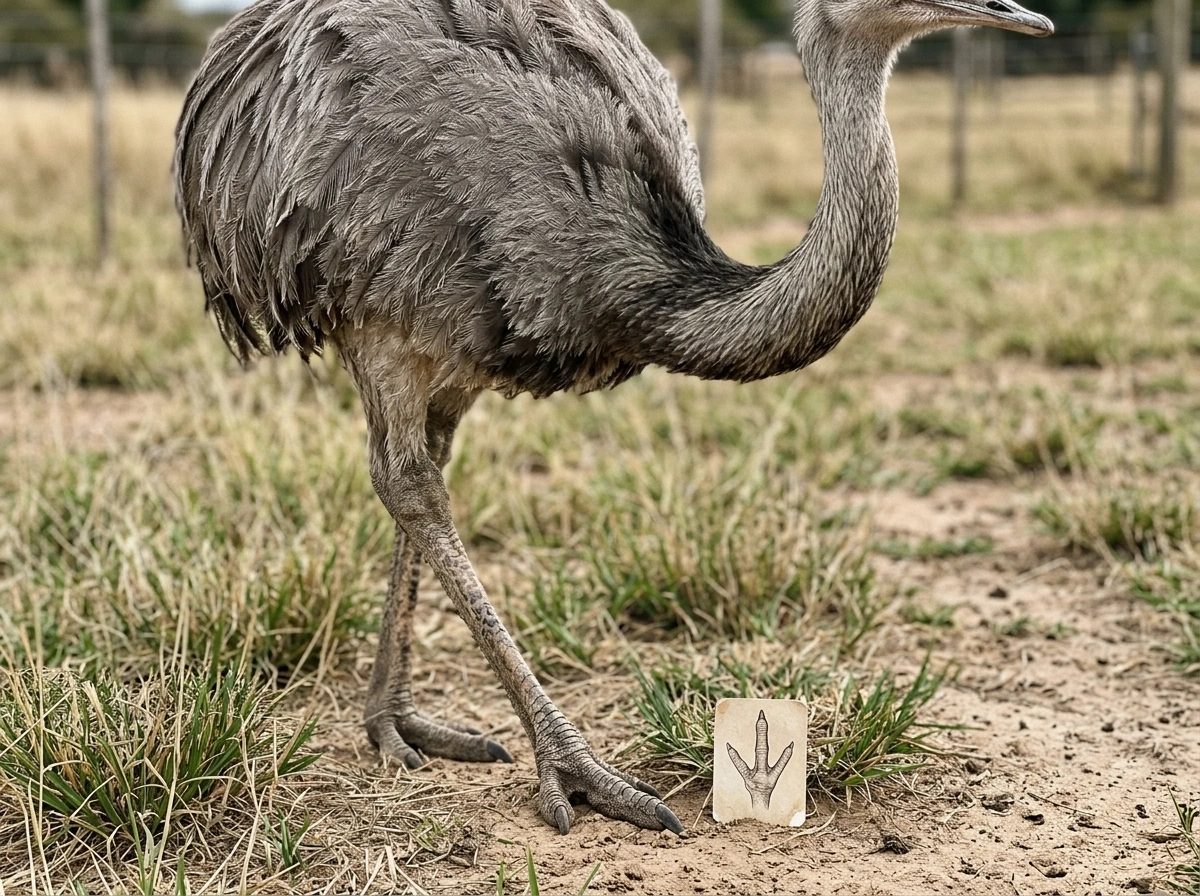
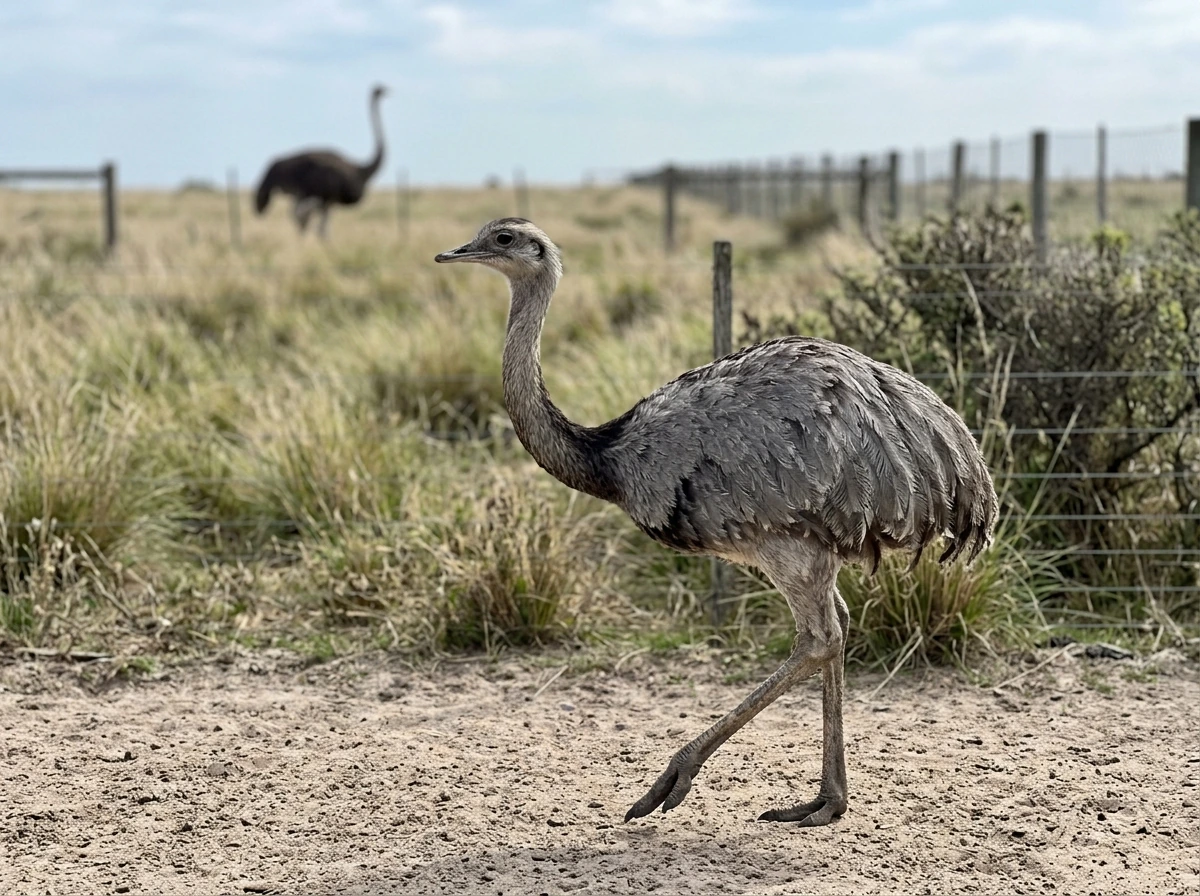
The rhea is a large, flightless bird native to South America. It belongs to the genus Rhea and is closely related to the ostrich and emu, all of which are grouped together as ratites. The greater rhea (Rhea americana) can stand over 1.5 metres tall and is one of the largest birds in the Western Hemisphere. It looks somewhat like a shaggy ostrich with greyish-brown plumage and very visible wings that it uses for balance and display rather than flight.
The confusion arises in a few different directions. First, "Riya" (रिया) is an extremely common Indian feminine name, so searches mixing the bird with the name are common. Second, some readers encounter the word "rhea" when reading about mythology, particularly Greek mythology, where Rhea is a Titan goddess and the mother of Zeus. That Rhea has nothing to do with this bird beyond sharing a name.
Third, people sometimes confuse the rhea with the <roc> roc, the legendary giant bird of Arabic and Persian mythology that does have some crossover into Indian storytelling. If you are looking into the roc's meaning in Hindi, that is a separate thread worth following.
And fourth, learners of Hindi occasionally come across descriptions of flightless birds in Indian wildlife writing, where the ostrich (शुतुरमुर्ग, Shuturmurg) is often mentioned, and they assume the rhea might be a regional variant of the same bird. It is not. The ostrich is African; the rhea is South American.
The Hindi Word for Rhea: Translation and Pronunciation
Because the rhea has no indigenous name in Hindi or any other Indian language, the standard approach in modern Hindi writing is to transliterate the English name. Here is how that looks in practice:
| Term | Script | Pronunciation Guide |
|---|---|---|
| Rhea (the bird) | रिया | Ri-ya |
| Rhea bird | रिया पक्षी | Ri-ya Pak-shi |
| Flightless bird (general) | उड़ान रहित पक्षी | Udaan Rahit Pakshi |
| Large flightless bird | विशाल उड़ान रहित पक्षी | Vishaal Udaan Rahit Pakshi |
In formal Hindi zoological or educational texts, you might also see the rhea described as a "दक्षिण अमेरिकी शुतुरमुर्ग जैसा पक्षी" (Dakshin Ameriki Shuturmurg Jaisa Pakshi), which loosely translates to "an ostrich-like bird from South America." This is not a proper name but a descriptive phrase used to help Indian readers understand what kind of animal is being discussed.
How the Name Translates Across Indian Languages
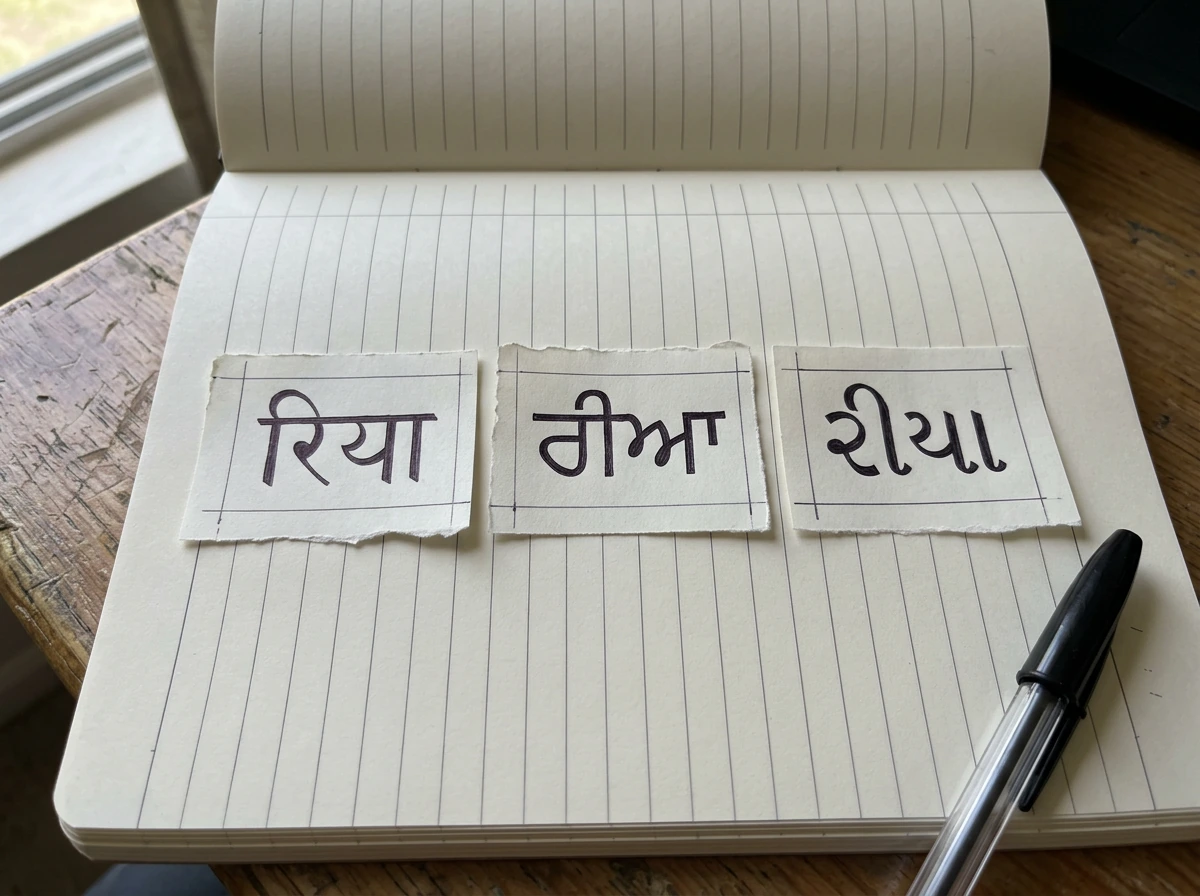
Since rhea is not part of classical Indian ornithological vocabulary, all major Indian languages handle it the same way: phonetic borrowing. Here is a quick reference for how learners encounter the term across the languages this site covers:
| Language | Transliteration | Script | Notes |
|---|---|---|---|
| Hindi | Riya | रिया | Standard phonetic borrowing; paired with 'Pakshi' for bird |
| Sanskrit | Riyā Pakṣī | रिया पक्षी | No classical Sanskrit name exists; modern transliteration used |
| Marathi | Riya Pakshi | रिया पक्षी | Nearly identical to Hindi usage in Devanagari script |
| Punjabi | Riya | ਰਿਆ | Written in Gurmukhi; same phonetic structure |
| Gujarati | Riya | રિયા | Written in Gujarati script; again a straight phonetic borrow |
The consistent pattern here tells you something useful: when a bird has no cultural or ecological footprint in the Indian subcontinent, all Indian languages default to phonetic transliteration rather than inventing a new native word. This is exactly what happened with the emu, the kiwi, and the rhea. Compare this to the crane, which has deep roots in Hindi and Sanskrit vocabulary. If you’re also searching what is crane bird called in hindi, you’ll find it tied to native terms like “सारस” (Saaras). The crane (सारस, Saaras) carries centuries of poetic and mythological meaning in Indian tradition, so it has a rich native name. The rhea does not.
Symbolism and Cultural Meaning in Indian Tradition
To be direct about this: the rhea carries no specific symbolism in Indian culture, Hindu mythology, or folk tradition. It is simply not a bird that the Indian subcontinent has ever interacted with historically. You will not find the rhea in the Ramayana, the Mahabharata, the Panchatantra, or any regional folk story tradition from Bengal to Kerala.
However, if you are trying to interpret a passage or context where a rhea appears in an Indian language text, the symbolism is usually borrowed from the general category of large flightless birds. In Indian thought, flightless birds are sometimes viewed with a degree of philosophical irony: they have wings but cannot use them for their most essential function. This has been loosely connected in modern Hindi writing to concepts of potential unrealised, or prarabdha (fate and limitation). But this is a modern, metaphorical reading, not a traditional one, so use it with care.
The ostrich (शुतुरमुर्ग) is the flightless bird that does appear in some Indian idiomatic expressions and Urdu poetry, and since the rhea is often compared to the ostrich in educational writing, occasionally their symbolic associations blur together in popular writing. If you come across what seems like spiritual or symbolic commentary about a rhea in a Hindi text, it is almost certainly either a modern creative interpretation or a reference to another bird entirely.
Mythology and Legend: What About the Name Itself?
The name "Rhea" in Western mythology refers to the Greek Titan goddess, daughter of Uranus and Gaia, and mother of the Olympian gods including Zeus, Poseidon, and Hera. She was associated with fertility, the earth, and motherhood. This Rhea has no direct equivalent in Hindu mythology, though there are interesting parallels with Aditi, the Vedic mother of gods, who shares some thematic similarities in her role as a divine mother figure.
The bird was named after the Greek goddess by early European naturalists, likely because of the rhea's large, nurturing quality: male rheas actually incubate eggs and raise chicks, which struck early observers as unusually maternal behaviour for such a large bird. The genus/common name “rhea” is attributed to a naming connection to the Greek Titan Rhea (Ancient Greek Ῥέα) blank" rel="noopener noreferrer">named after the Greek goddess. This naming story is worth knowing because it sometimes leads Indian readers to assume the rhea has some connection to Vedic or Sanskrit cosmology. It does not. The name is Greek, not Sanskrit.
If you are researching legendary birds in Indian mythology, the roc (a giant mythical bird that appears in Arabic, Persian, and Indian storytelling) is the direction to explore. Similarly, the Garuda of Hindu tradition and the Gandaberunda are the legendary giant bird figures with deep mythological roots. None of these are the rhea, but they occupy the cultural space that a majestic large bird might occupy in Indian spiritual imagination.
How to Actually Use This in Real Life
For Language Learners
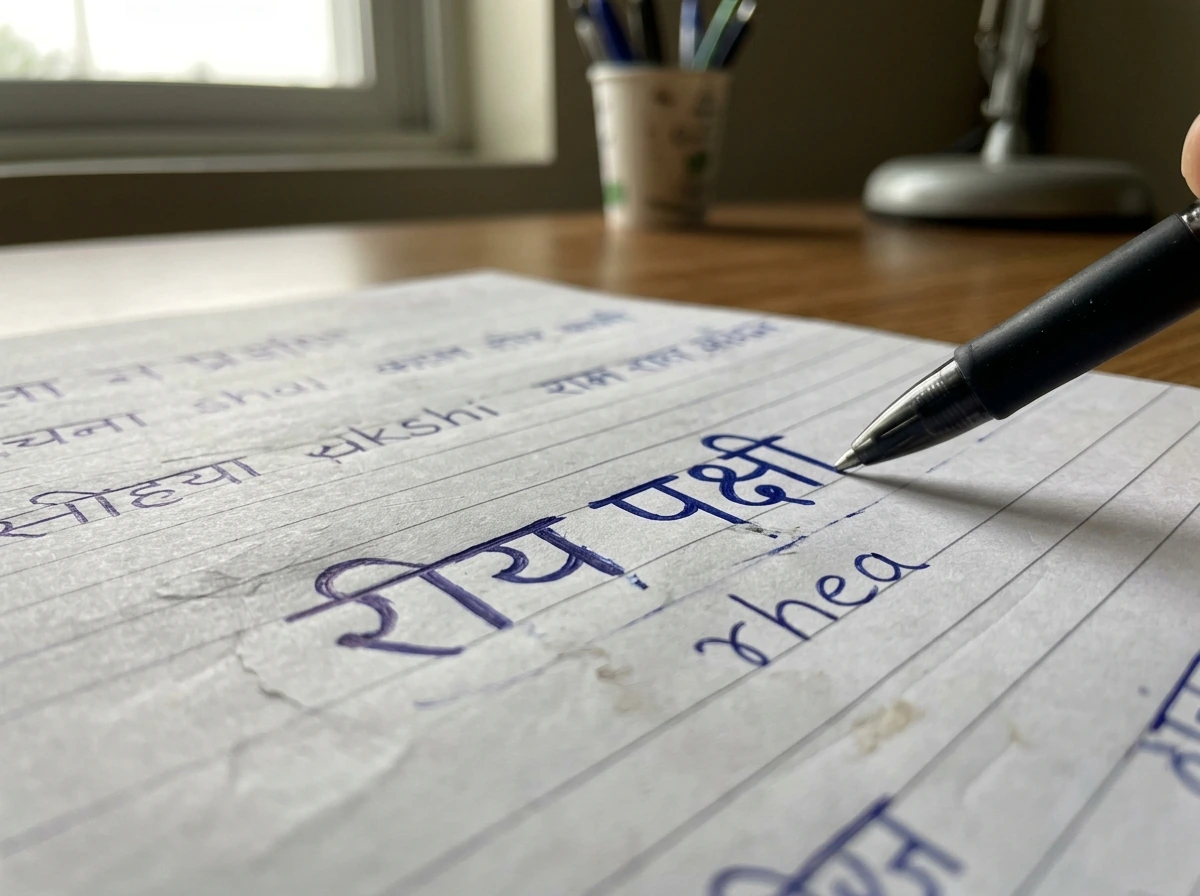
If you are learning Hindi and need to write or say "rhea bird," use "रिया पक्षी" and you will be perfectly understood. To verify the spelling and pronunciation, check a Hindi-medium wildlife encyclopedia or a bilingual zoology resource. The National Council of Educational Research and Training (NCERT) science textbooks occasionally use phonetic transliterations for foreign animals, and that is a reliable style guide for how the term should be written in school and academic contexts.
For Writers and Translators
If you are translating an English passage that references a rhea into Hindi, the safest approach is to use "रिया पक्षी" on first mention, followed by a brief parenthetical descriptor such as "(एक दक्षिण अमेरिकी उड़ान रहित पक्षी)" meaning "a South American flightless bird." This gives your Hindi reader immediate context without assuming prior knowledge. Avoid using शुतुरमुर्ग as a substitute since that specifically means ostrich and the two birds are from different continents.
For Cultural and Spiritual Research

If you found the word "rhea" in a spiritual or symbolic context in Indian writing and you are trying to decode what it means, the most likely explanation is one of three things: the author is using the Greek mythological Rhea (the goddess) as a reference, the text is discussing a different bird that has been misidentified, or the passage is a modern creative work drawing on global bird symbolism. In none of these cases should you assume a traditional Hindu or Sanskrit meaning for the rhea as a bird, if you’re asking about “dead bird meaning in Hinduism,” that’s a separate interpretation track. Cross-referencing with entries on birds that do carry deep Indian symbolism, like the myna or the crane, will give you a better framework for understanding how Indian bird symbolism actually works.
For Naming Purposes
Because "Riya" (रिया) is also a popular Indian girl's name, some parents wonder whether there is a bird-related meaning they should be aware of. <span>cricket bird meaning in hindi</span> The name Riya in the Indian naming tradition is generally understood to mean "singer" or "graceful" and derives from the Sanskrit root for song and beauty. Its overlap with the bird name is purely coincidental. The bird was named after the Greek Rhea, while the Indian name Riya comes from a completely separate Sanskrit lineage. You do not need to worry about unintended bird associations when using the name.
Quick Reference Summary
| Question | Answer |
|---|---|
| Hindi word for rhea bird | रिया पक्षी (Riya Pakshi) |
| What kind of bird is it? | Large flightless ratite native to South America |
| Does it appear in Indian mythology? | No, it has no presence in Hindu or folk tradition |
| Is 'Riya' the same as the Indian girl's name? | Coincidental overlap only; different etymological roots |
| Is the rhea the same as the ostrich? | No, the ostrich is African; the rhea is South American |
| Any classical Sanskrit name? | None; modern texts use phonetic transliteration only |
FAQ
rhea bird meaning in hindi, should I write it as “रिया पक्षी” or “शुतुरमुर्ग जैसा पक्षी”?
In Hindi usage, “रिया पक्षी” is the usual default for rhea. If you want to be extra clear in a sentence, add a descriptor like “(दक्षिण अमेरिकी उड़ान रहित पक्षी)” on first mention, because some readers may mix up “रिया” with the common female name “रिया” or think of mythological “Rhea” (गॉडेस).
Can I use “शुतुरमुर्ग” to mean rhea bird in Hindi?
No, “शुतुरमुर्ग” means ostrich in Hindi, and it is from a different continent (Africa). Using it as a shortcut for rhea can mislead readers, especially in biology or school-level writing. If you must compare, use “शुतुरमुर्ग से मिलता-जुलता” only as an explanatory comparison, not as a replacement name.
What if I only see the word “रिया” in a Hindi passage, how do I know it means the rhea bird?
If a Hindi text uses “रिया” without “पक्षी,” treat it as ambiguous. It could refer to the girl’s name “रिया,” the Greek Titan goddess “Rhea,” or the bird in a casual shorthand. Look for nearby context words like “उड़ान रहित,” “दक्षिण अमेरिका,” “अंडे,” or “ratite” style descriptions to confirm it is the bird.
Does rhea bird have traditional Hindu symbolism or meaning?
Rhea is not traditionally tied to Indian folk or classical mythology as a bird. When symbolism appears, it is usually modern, metaphorical writing borrowed from the broader idea of “flightless birds” (wings without flight). So, if the text claims an ancient Hindu or Sanskrit symbolism specific to rhea, that is likely an author’s reinterpretation or a misidentification.
How do I prevent confusing rhea with other flightless birds in Hindi translations?
Rhea is a ratite, related to ostrich and emu. In Hindi, readers sometimes confuse “rhea” with “emu” or other large flightless birds because the transliterations sound unfamiliar. To avoid mistakes, keep the geography in your wording, for example “दक्षिण अमेरिकी” with “रिया पक्षी,” since emu is Australian and ostrich is African.
Is there any spelling or pronunciation variation for rhea in Hindi, and what is the safest form to use?
In Hindi writing, pronunciation and spelling can vary slightly, but the core transliteration “रिया” for “Rhea” stays stable. The safest approach is to use the spelling you see in educational zoology or bilingual science contexts, then include a short clarifier in parentheses the first time, because many readers will not recognize the term by sound alone.
What is the best way to translate “rhea” into Hindi in an article or school assignment?
If you are translating an English piece, the best practice is “रिया पक्षी (एक दक्षिण अमेरिकी उड़ान रहित पक्षी)” on first mention, then use “रिया पक्षी” later. This mirrors how textbooks handle foreign animal names, and it reduces re-reading when the audience does not already know the term.
If “रिया” is also a girl’s name, does using “रिया पक्षी” create any unintended meaning?
You do not need to treat “रिया” as carrying a bird-related meaning when it appears as a person’s name. The Indian given name “रिया” is understood from a Sanskrit-derived naming tradition and is separate from the Greek-derived bird name. Any link you see between the bird and the name is coincidental.
Next Article
Myna Bird in Hindi Meaning and English Name Guide
myna bird in Hindi meaning, English names, and how to match the right Indian myna species despite spelling variants