
In Hindi, a gull or seagull is most commonly called सीगल (seagal), a direct transliteration of the English word that has been absorbed into everyday Hindi usage. The fuller, descriptive Hindi equivalent is समुद्री गल (samudri gal), which literally means 'sea gull,' and you'll also see सामुद्रिक चिड़िया (samudrik chidiya) or समुद्री पक्षी (samudri pakshi) used to describe the bird in a more general, explanatory way. If you're a language learner, a student working through NCERT texts, or someone who came across the word in a film or book, सीगल is the form you'll encounter most often in written and spoken Hindi today.
Gull Bird Meaning in Hindi: नाम, उच्चारण और अर्थ

Rajesh Sharma
29 Jun 2026
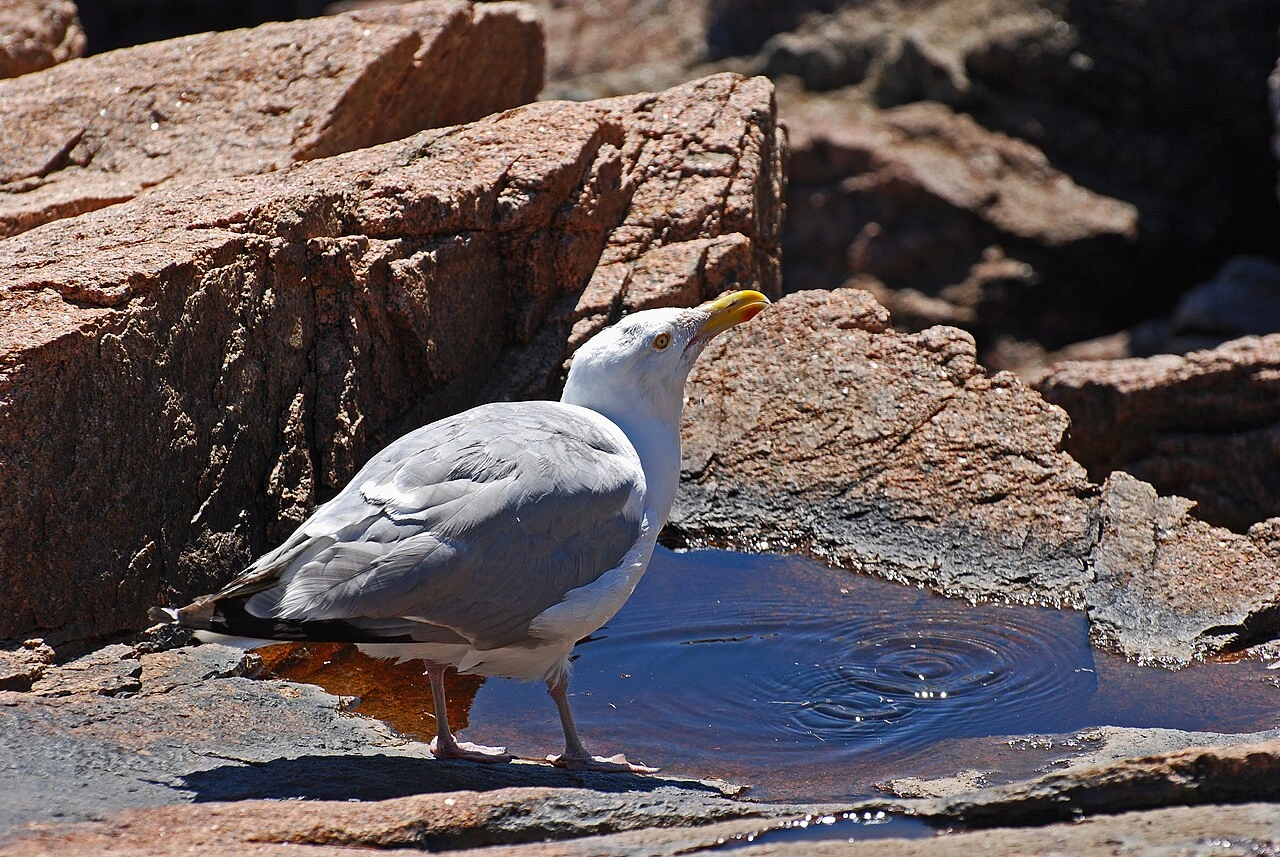
Gull vs seagull: what bird are you asking about

Before we go deeper into the Hindi, it helps to understand what 'gull' actually refers to in English, because the word is used loosely in everyday speech. In scientific terms, gulls belong to the subfamily Larinae, within the broader seabird family Laridae. That same family includes terns, noddies, and skimmers, which is why confusion happens so easily.
'Seagull' isn't a formal ornithological term at all, it's a colloquial label that people have applied to gull-like birds they see near water, beaches, and harbours. So when someone searches for 'gull bird meaning in Hindi' or 'seagull bird meaning in Hindi,' they're essentially asking about the same group of birds. The distinction only matters when you need to identify a specific species, which I'll touch on at the end.
In India, gulls aren't as deeply woven into daily life as, say, crows, mynas, or pigeons, but they are visible along the coastlines of Gujarat, Maharashtra, Kerala, and West Bengal, particularly during winter when species like the Brown-headed Gull migrate through. So while the word may feel exotic in a landlocked Hindi-speaking region, coastal communities in India are perfectly familiar with these birds.
Hindi name(s) and translation for gull/seagull
Hindi has both a borrowed form and a descriptive form for the seagull, and both are used in real contexts. The borrowed form, सीगल, comes directly from the English 'seagull' and is the most practical term for modern Hindi usage. The descriptive form, समुद्री गल, is a two-word phrase where समुद्री means 'of the sea' or 'maritime' and गल is simply a Hindicised rendering of 'gull.' Together they paint a clear picture: a sea bird. If you are also translating other animal terms, you can use the same “word meaning in Hindi” approach as in swallow bird in hindi meaning.
| Hindi Term | Transliteration | Literal Meaning | Usage Context |
|---|---|---|---|
| सीगल | Seagal | Borrowed from English 'seagull' | Most common in everyday Hindi, school texts, media |
| समुद्री गल | Samudri Gal | Sea gull | Descriptive/dictionary form, Collins Hindi equivalent |
| सामुद्रिक चिड़िया | Samudrik Chidiya | Maritime bird / sea bird | General descriptive, informal |
| समुद्री पक्षी | Samudri Pakshi | Sea bird | Broad category term, less species-specific |
For most practical purposes, whether you're writing a Hindi essay, translating a story, or labelling a photo, सीगल is your best choice. It's immediately recognisable, widely understood across age groups, and used in official NCERT educational materials. The Collins English-Hindi Dictionary confirms समुद्री गल as the direct Hindi translation, so that form is perfectly appropriate in formal or academic writing.
Pronunciation and common written forms in Hindi
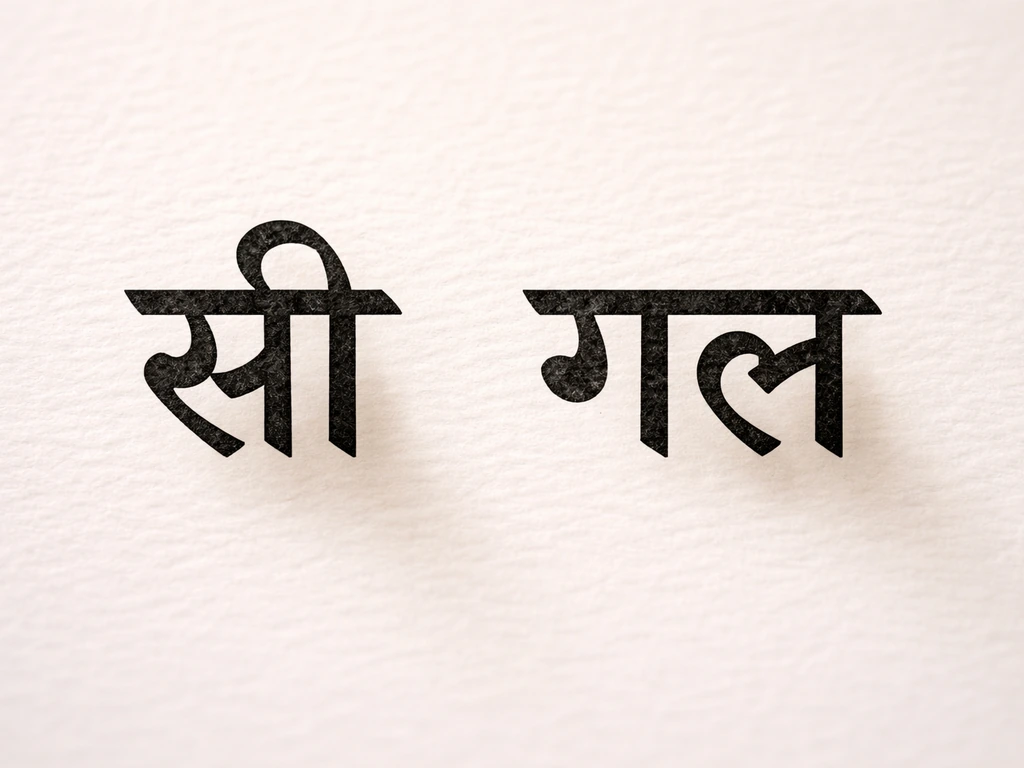
The English pronunciation of 'seagull' follows the IPA pattern /ˈsiː.ɡʌl/, two syllables: 'see' + 'gul.' In Hindi, सीगल maps onto that almost exactly: सी (see) + गल (gal, with a soft 'a' as in 'gull'). Simple English Wiktionary also gives the IPA /ˈsiː.ɡʌl/ for “seagull,” reinforcing the common learner syllable split “see- gʌl” IPA /ˈsiː.ɡʌl/ for “seagull”. Native Hindi speakers tend to soften the vowel in the second syllable slightly, so it sounds close to 'see-gal' rather than the more clipped English 'see-gul.' That subtle shift is completely natural and won't cause any confusion.
In Devanagari script, the standard written form is सीगल. You may occasionally see it written as सीगल्स when referring to multiple gulls (a pluralisation that mirrors English). Some regional Hindi texts or older translations may write it as सी-गल with a hyphen for clarity, but the unhyphenated form is standard today. The descriptive phrase समुद्री गल is written as two separate words and pluralises naturally in Hindi sentence structure without changing the base words.
Cultural symbolism: gull/seagull meanings in Indian traditions
Here's where things get interesting, and honestly, a bit nuanced. The seagull doesn't occupy the same mythological real estate in Hindi and Sanskrit traditions as, say, the swan (हंस), the crane (सारस), or the eagle (गरुड़). If you meant a different bird category than a seagull, you can similarly check thrush bird meaning in hindi for the exact Hindi name and sense. Those birds are embedded in Hindu scripture and classical poetry going back thousands of years. The gull, being primarily a coastal bird, didn't feature in the landlocked heartland where much of classical Sanskrit and Hindi literature was composed. So you won't find a Puranic story or a Vedic verse with the seagull as a central figure.
That said, coastal communities along India's western and eastern shores have their own oral traditions, and the seagull's presence near harbours and fishing grounds gives it practical and symbolic weight in those contexts. In maritime folklore, seagulls are generally read as signs of land nearby, a navigational omen that sailors historically paid attention to. This association with direction-finding, freedom, and the boundary between sea and land carries meaning even if it isn't codified in Sanskrit texts the way other birds are. In that sense, the gull represents transition, coastal life, and the liminal space between ocean and earth.
In modern Indian cultural consciousness, the seagull's most prominent symbolic presence comes through a Hindi-language translation of Richard Bach's 'Jonathan Livingston Seagull', a book that became widely popular in India and introduced the सीगल as a symbol of personal freedom, self-mastery, and the pursuit of excellence beyond social expectations. That literary influence has genuinely shaped how many Hindi readers understand and feel about the bird today.
Symbolic interpretations in literature and folklore
Within Indian literature, the seagull's clearest symbolic life comes from its use in sea-themed and freedom-themed writing. Hindi poetry and prose that references coastal settings often uses the seagull as a metaphor for unrestrained movement, wandering, and the call of distant horizons. The bird becomes a stand-in for the human longing to break free from routine, similar to how the cuckoo (कोयल) is used to symbolise longing and the onset of spring in classical Hindi verse. If you also meant the cuckoo bird, you may want the cuckoo bird meaning in hindi for how कोयल is explained. The seagull occupies a different emotional register: outward-looking, adventurous, untethered.
In the NCERT Class 10 Hindi-medium curriculum, the story 'His First Flight' (from the collection 'Two Stories About Flying') features a young seagull, referred to as युवा सीगल or युवा समुद्री गल/चिड़िया, who is afraid to take his first flight. For Hindi-medium learners, some NCERT-based school materials [translate the seagull term as सीगल](https://www. englishrt. in/p/ncert-english-class-10-chapter-3-two.
html) (and related descriptive forms), using learner-friendly equivalences like समुद्री गल. The story is explicitly used in Indian schools to teach themes of courage, overcoming fear, and the instinct for freedom. This is perhaps the most direct point at which the seagull enters Indian cultural symbolism in a structured, widely-shared way, giving the bird a clear metaphorical meaning for an entire generation of Hindi-medium students: taking the leap despite fear.
In broader oral and folk traditions, especially among fishing communities in Maharashtra and Gujarat, seabirds in general (sometimes described collectively as समुद्री पक्षी) are considered auspicious when spotted in numbers, read as indicators of fish shoals below the surface. This practical omen-reading doesn't always single out the gull specifically, but the gull is among the birds most visibly associated with the coast and is included in that symbolic web. For context, this is quite different from the symbolic treatment of inland birds, a comparison worth keeping in mind if you're also exploring the meanings of birds like the swallow or thrush in Hindi traditions. If you’re comparing bird meanings, you may also want to check swallow bird meaning in gujarati for a quick contrast in how symbolism shifts by region and language.
How to avoid confusion with other seabirds in Hindi

Gulls are frequently mixed up with other seabirds, especially terns, petrels, and even some wading shorebirds. Since Hindi descriptive terms like समुद्री पक्षी (sea bird) can apply broadly, it's useful to know the distinguishing Hindi vocabulary for each group.
| Bird (English) | Hindi / Common Term | Key Distinguishing Feature |
|---|---|---|
| Gull / Seagull | सीगल / समुद्री गल | Stocky body, webbed feet, hooked bill, often grey-white; seen over open coasts and harbours |
| Tern | टर्न / समुद्री अबाबील | Slimmer body, forked tail, sharper pointed bill; dives straight into water for fish |
| Skimmer | स्किमर / चोंच-काटा | Distinctive large lower mandible; skims water surface with bill to catch fish |
| Cormorant | जलकाग / पनकौवा | Long neck, dark plumage, dives and swims underwater; often seen drying wings on rocks |
| Gannet / Booby | गैनेट / बूबी | Larger, torpedo-shaped; plunge-dives from height into the sea |
If you're trying to identify a specific bird from an image or a story, the simplest check is body shape and bill type. Gulls have a rounded, stocky look with a slightly hooked bill tip, while terns look more elegant and streamlined. In Hindi texts, if the word सीगल is used, the author almost certainly means a gull or seagull specifically, not a tern (टर्न) or cormorant (जलकाग).
The confusion between 'gull' and 'cull' (as in to cull, meaning to selectively remove) is also worth noting: the English words look similar but have completely different meanings. “Cull bird” is not a bird-name term at all, so its Hindi meaning depends on the actual verb or context where it appears. If you came across 'cull bird' in a different context, that refers to a different concept entirely and has its own Hindi terminology.
How to use the Hindi meaning in sentences and where to look next
Once you have the Hindi term सीगल or समुद्री गल, using it in a Hindi sentence is straightforward. Here are a few practical example sentences that show the word in natural Hindi contexts:
- समुद्र तट पर बहुत सारे सीगल उड़ रहे थे। (Many seagulls were flying on the seashore.)
- युवा सीगल ने पहली बार उड़ान भरी। (The young seagull flew for the first time.) — This phrasing comes directly from NCERT Class 10 story contexts.
- सीगल स्वतंत्रता का प्रतीक माना जाता है। (The seagull is considered a symbol of freedom.)
- समुद्री गल तटीय क्षेत्रों में आम पक्षी हैं। (Seagulls are common birds in coastal areas.)
- उसने दूर से एक सीगल की आवाज़ सुनी। (She heard the call of a seagull from afar.)
For language learners, the best immediate next step is to confirm the term in Collins English-Hindi Dictionary, which lists समुद्री गल as the direct Hindi translation with the English IPA /ˈsiːɡʌl/ for pronunciation reference. HinKhoj and ShabdKhoj are also reliable online resources that list both सीगल and सामुद्रिक चिड़िया as valid Hindi equivalents, useful if you need a secondary check.
If your interest is cultural or symbolic, say, you read the word in a Hindi poem, novel, or film and want to understand what the author meant by it, the most productive approach is to look at the context. A seagull in a coastal setting usually signals freedom, wandering, or a connection to the sea. In a school-literature context, it almost certainly references the NCERT 'His First Flight' story and carries the theme of courage. In philosophical or self-help writing, it echoes the Jonathan Livingston Seagull tradition of personal transcendence.
If you're trying to confirm a specific species from a bird image, for example, deciding whether the bird in a photo is actually a gull or a tern, wildlife identification resources from organisations like the Wildlife Trusts or the British Trust for Ornithology provide trait-based guides that work well alongside the Hindi vocabulary you now have. Look for the combination of body shape, bill curve, and wing pattern to separate gulls from their lookalike cousins. Once you're certain of the species, you can use the appropriate Hindi term with confidence in any context, whether that's a classroom, a conversation, or a piece of writing.
FAQ
“गुल” और “सीगल” में क्या फर्क है (gull bird meaning in hindi)?
हिंदी में “गुल” अपने आप में अक्सर अंग्रेज़ी “gull” का अलग से मानक शब्द नहीं माना जाता, लेकिन “सीगल” (seagal) सीधे seagull/gull के लिए चलन में है। अगर किसी वाक्य में सिर्फ “गुल” लिखा है, तो मतलब संदर्भ पर निर्भर हो सकता है, इसलिए बेहतर है कि आप “सीगल” या “समुद्री गल/चिड़िया” देखें।
क्या “समुद्री गल” और “समुद्री पक्षी” एक ही चीज़ हैं?
नहीं। “समुद्री गल” आम तौर पर gull या seagull के लिए अधिक सीधा, विशिष्ट प्रयोग है, जबकि “समुद्री पक्षी” एक व्यापक श्रेणी है, जिसमें कई seabirds आ सकते हैं। लिखते समय अगर आपको gull ही कहना है, तो “समुद्री गल” चुनें।
अगर किसी ने “सीगल्स” लिखा हो, तो उसकी बहुवचन/हिंदी रूप क्या होगी?
सीगल्स को हिंदी में भी बहुवचन की तरह समझा जाता है, खासकर अनुवादों और स्कूल सामग्री में। वाक्य में आप “सीगल” को भी बहुवचन अर्थ में इस्तेमाल कर सकते हैं, जैसे “तट पर सीगल देखे गए,” जहां संदर्भ से संख्या स्पष्ट हो जाती है।
क्या “सीगल” शब्द का इस्तेमाल NCERT के बाहर भी औपचारिक लेखन में किया जा सकता है?
हां, क्योंकि यह व्यापक रूप से समझा जाने वाला उधार लिया हुआ शब्द है और हिंदी पढ़ने वालों में पहचान रखता है। फिर भी अगर आप अकादमिक या बहुत सटीक प्रकृति-लेखन कर रहे हैं, तो प्रजाति (species) का नाम जोड़ना बेहतर रहता है, क्योंकि “सीगल” सामान्य टर्म है।
अगर फोटो में पक्षी “गुल” जैसा दिख रहा है, क्या सिर्फ “सीगल” कह देना ठीक है?
केवल “सीगल” कह देना सामान्य पहचान के लिए ठीक हो सकता है, लेकिन अगर पहचान फोटो से करनी हो तो gull बनाम tern जैसी lookalike प्रजातियों के लिए शरीर का आकार, चोंच का आकार (हल्की मुड़ी हुई), और पंखों का पैटर्न देखना जरूरी है। गलत पहचान होने पर हिंदी शब्द भी गलत बैठ सकता है।
“cull bird” और “gull bird” में गलती हो जाए तो हिंदी में क्या अलग मतलब निकलता है?
“cull” अंग्रेज़ी में हटाने/चुनकर निकालने (selectively remove) से जुड़ा क्रिया-शब्द है, यह कोई bird-name नहीं है। इसलिए हिंदी में “cull bird” को शब्दशः bird meaning की तरह मत लें, पहले उस वाक्य का सही अर्थ समझें कि “cull” किस संदर्भ में आया है।
अगर मुझे “gull bird meaning in hindi” के साथ उच्चारण भी चाहिए, तो “गल” में vowel कैसे बोलें?
“सीगल” में पहला syllable “सी” (see) जैसा और दूसरा “गल” है, जहां “गुल” की तुलना में “अ” की ध्वनि थोड़ी नरम रहती है। हिंदी बोलने वाले इसे “सी-गैल” के करीब रखते हैं, ताकि English “seagull” के ध्वनि पैटर्न से मैच बने।
किस संदर्भ में किस शब्द का चुनाव बेहतर है, “सीगल” या “समुद्री गल”?
सामान्य बातचीत, कहानी, और स्कूल-स्तर के लेखन में “सीगल” सबसे सहज रहता है। अगर आप अधिक वर्णनात्मक अंदाज़ चाहते हैं, या अनुवाद में शब्द का अर्थ स्पष्ट करना है, तो “समुद्री गल” (sea gull) चुनें। प्रतीकात्मक/सांस्कृतिक संदर्भ में भी “सीगल” अधिक प्रचलित है।
क्या “सीगल” को लेकर कोई मिथकीय/शास्त्रीय अर्थ मानना चाहिए?
आम तौर पर gull/seagull का केंद्रीय, शास्त्रीय प्रतीक रूप हंस, सारस, गरुड़ जैसी तरह स्पष्ट नहीं मिलता। अगर आप किसी कविता या कहानी में “सीगल” देखें, तो उसे अधिकतर आधुनिक या तटीय लोक-परंपरा, जैसे स्वतंत्रता/समुद्र की ओर संकेत, के संदर्भ में समझना अधिक सुरक्षित रहता है।
Next Articles
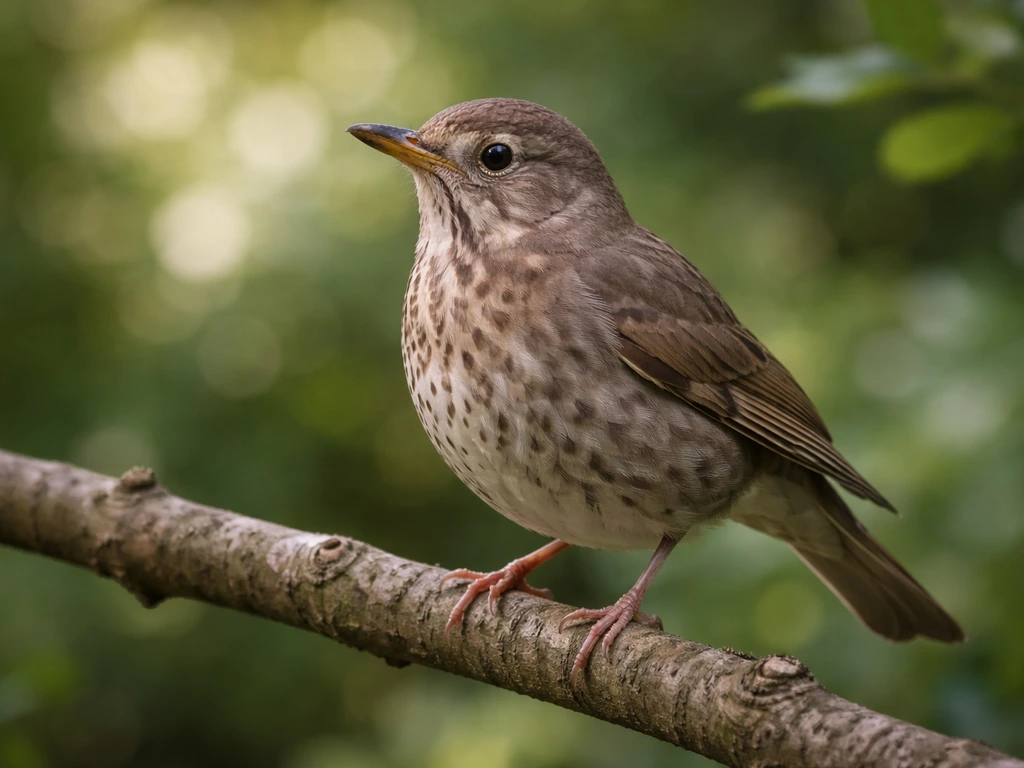
Thrush Bird Meaning in Hindi: Word, Pronunciation, Symbolism
Thush bird meaning in Hindi: Hindi word, pronunciation, usage, plus safe symbolism and cultural associations.
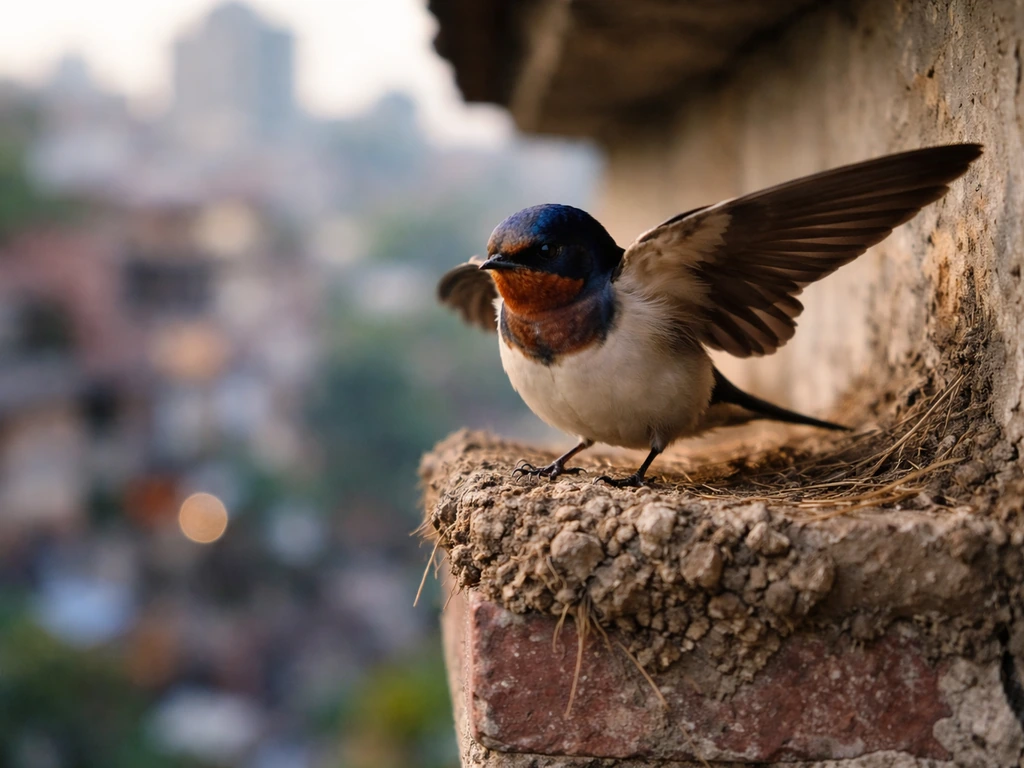
Swallow Bird in Hindi Meaning: Name and English Definition
Swallow bird का Hindi नाम, सही अर्थ, और English में परिभाषा जानें, साथ में bird family का स्पष्ट मतलब
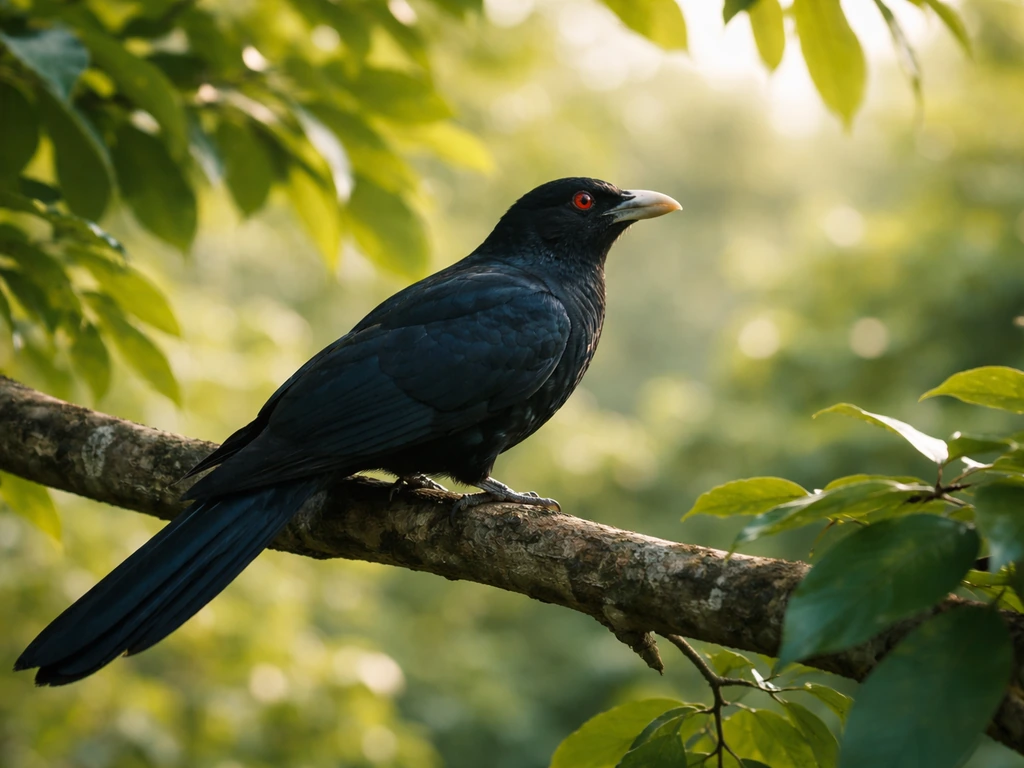
Cuckoo Bird Meaning in Hindi: नाम, उच्चारण और अर्थ
कोयल और cuckoo के हिंदी अर्थ, उच्चारण, उदाहरण व सांस्कृतिक प्रतीक, साथ ही प्रजाति भ्रम से बचाव