In Hindi, "emu" is written as एमू (pronounced emū). That is the standard Devanagari transliteration you will find in dictionaries and educational materials. The word has no ancient Sanskrit root or classical Hindi equivalent because the emu is an Australian bird that simply did not exist in the Indian linguistic or cultural imagination until modern times. If you are looking for the bird name meaning in Hindi, the same idea applies here: एमू is a direct borrowed form rather than a traditional Hindi word. So when Hindi speakers write or talk about this bird today, they borrow the English name directly and render it in Devanagari script as एमू.
Emu Bird Meaning in Hindi: Name, Pronunciation, Symbolism

Rajesh Sharma
6 Jul 2026
The Hindi word for emu: spelling and variants
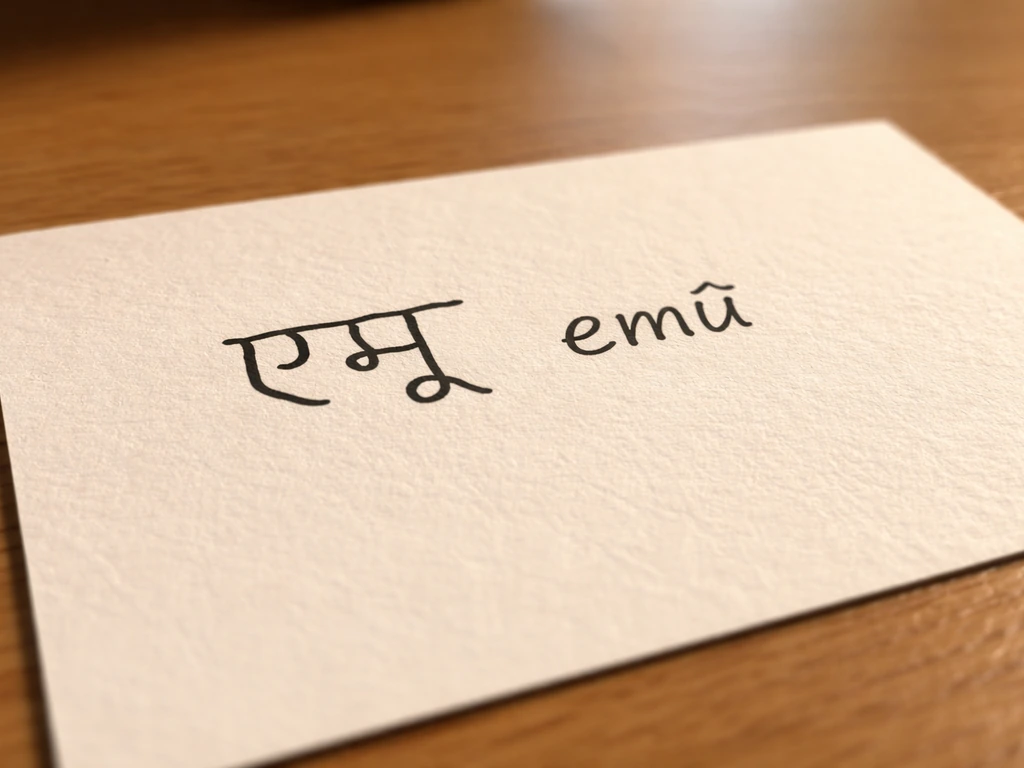
The most widely accepted Hindi spelling is एमू (emū). Wiktionary's Hindi entry confirms this form, and it is the one you will most consistently encounter in school textbooks, zoo signboards, and wildlife articles written in Hindi. That said, you will also come across two other spellings in online dictionaries and translation tools: ईमू (īmū) and इमू (imū). These are not wrong so much as they are inconsistent transliterations of the same English vowel sound. The opening sound in "emu" is a long 'ee' (as in /iː/), which maps most accurately to the Hindi ई (long 'i' sound), making ईमू arguably the closest phonetic match. However, एमू has become the conventional form through repeated use, so it is the safest choice in formal writing.
| Script/Form | Romanization | Notes |
|---|---|---|
| एमू | emū | Standard/conventional Hindi form; most widely used |
| ईमू | īmū | Closest phonetic match to English /iːmjuː/ |
| इमू | imū | Variant seen in some Marathi and online sources |
What exactly is an emu bird?
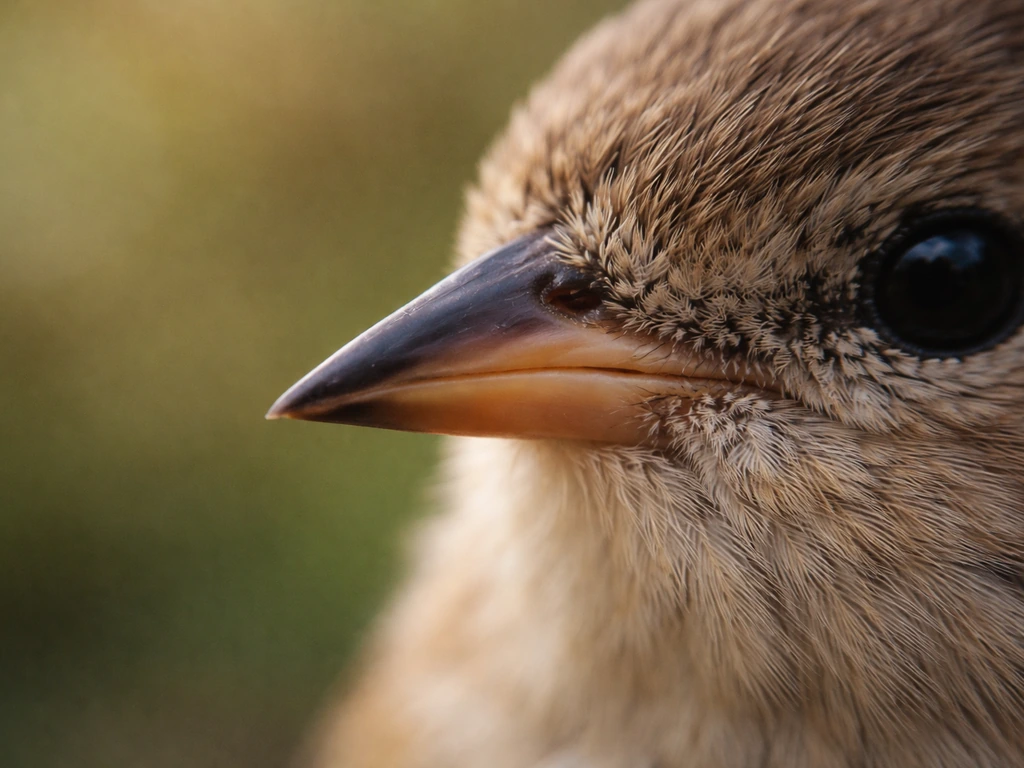
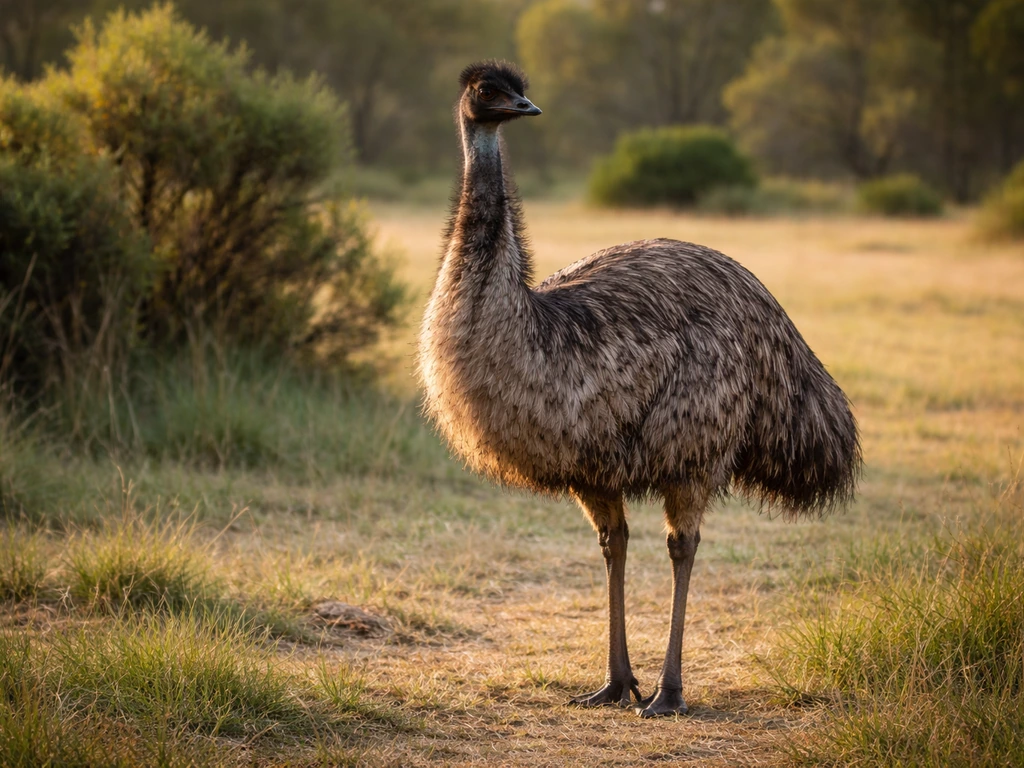
Before you can meaningfully discuss meaning or symbolism, it helps to be clear about what bird we are actually talking about, because blank" rel="noopener noreferrer">emu gets confused with ostrich and cassowary surprisingly often. The emu (Dromaius novaehollandiae) is the world's second-largest living bird by height, native exclusively to Australia. It cannot fly. It stands roughly 1.5 to 1.9 metres tall, runs on two powerful legs, and has soft, shaggy brownish feathers that give it an almost shaggy-dog appearance. Its neck is long and only thinly feathered, exposing blue-grey skin, which is one of the easiest visual identifiers.
The emu belongs to a group of large, flightless birds called ratites. This group also includes the ostrich, cassowary, rhea, and kiwi. What unites them biologically is the absence of a keeled sternum, which means the chest muscles needed for flight never fully developed. Knowing this helps you place the emu correctly: it is not a mythological bird, not a bird found wild in India, and not a bird that features in Vedic or Puranic texts. It is a real, living, modern bird from the other side of the planet.
How to pronounce एमू and use it in everyday Hindi
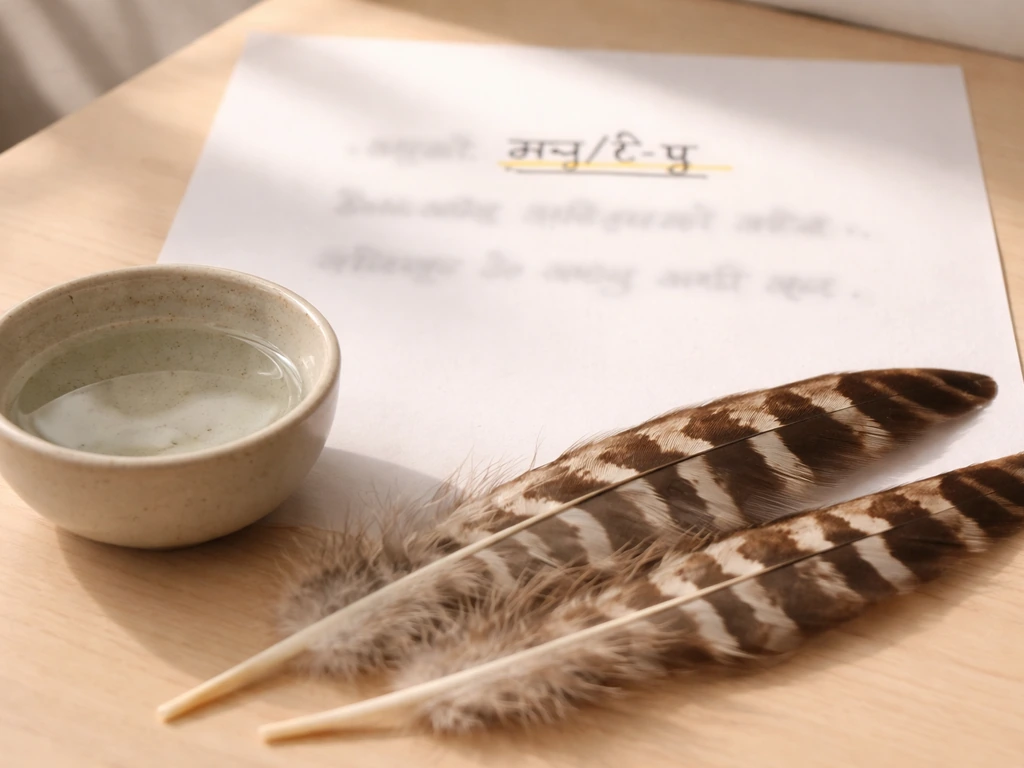
The English pronunciation of emu is /ˈiːmjuː/ (say it as "EE-myoo"). In Hindi speech, the 'mjuː' cluster gets softened slightly, so most Hindi speakers say it as ई-मू (ee-moo), dropping the slight 'y' glide in the middle. Both are understood; the difference is barely noticeable in casual conversation. Where people genuinely go wrong is saying it as "em-oo" with a short 'e', the way you might read it at first glance. The first syllable is always a long, stretched 'ee' sound.
Here are a few simple example sentences that show how the word naturally fits into Hindi:
- एमू ऑस्ट्रेलिया का एक विशाल उड़ान-रहित पक्षी है। (Emu Australia kā ek vishāl uṛān-rahit pakṣī hai.) — "The emu is a large flightless bird of Australia."
- चिड़ियाघर में बच्चों ने पहली बार एमू देखा। (Chiṛiyāghar meṃ baccoṃ ne pahlī bār emū dekhā.) — "The children saw an emu for the first time at the zoo."
- एमू शुतुरमुर्ग जैसा दिखता है, लेकिन यह अलग प्रजाति है। (Emū śuturmurag jaisā dikhtā hai, lekin yah alag prajāti hai.) — "The emu looks like an ostrich, but it is a different species."
Emu in Indian bird symbolism: what is actually there
This is where I want to be straightforward with you: there is no established emu symbolism in Indian tradition, Hindu mythology, or Hindi folk culture. If you are looking up the blue bird meaning in Hindi, it is best to check whether the claim is about traditional symbolism or about a more modern, borrowed idea emu symbolism. The emu is not mentioned in the Vedas, the Puranas, Panchatantra, or any classical Indian text, simply because this bird was unknown to the subcontinent before European explorers and colonizers began mapping Australia in the 18th century. Any website claiming that the emu carries a specific spiritual meaning in Hindi-speaking or Indian cultural contexts is almost certainly mixing up ornithological trivia with invented symbolism. Treat those claims with caution and look for a credible folklore or historical source before accepting them.
What you can do, if you are interested in the symbolic dimension, is read the emu's natural traits through the lens of Indian bird-symbolism thinking. In that interpretive tradition, a bird that cannot fly but runs with tremendous speed and endurance might be associated with groundedness, persistence, and practical strength rather than spiritual transcendence. Its protective parenting (in emus, it is the male that incubates eggs and raises chicks) could symbolize nurturing masculine energy. But to be clear: these are interpretive extrapolations, not documented cultural meanings. The emu simply does not carry the kind of mythological weight that birds like the eagle (garuda), peacock (mayūr), or even the crow (kāg) carry in Indian tradition. The eagle bird meaning in Hindi is often discussed using traditional Indian symbolism, unlike the emu which is not tied to those older mythic references eagle (garuda).
In contemporary India, the emu has gained modest cultural visibility through emu farming, which became a significant agricultural trend in states like Andhra Pradesh and Telangana in the 2000s, though many of those ventures eventually faced economic difficulties. In that context, the word एमू appears regularly in Hindi and regional-language newspapers in a purely commercial and agricultural sense, not a symbolic one. You may also be looking for the cardinal bird meaning in Hindi, which is a different bird discussed in Indian references.
Emu vs ostrich vs cassowary: clearing up the confusion
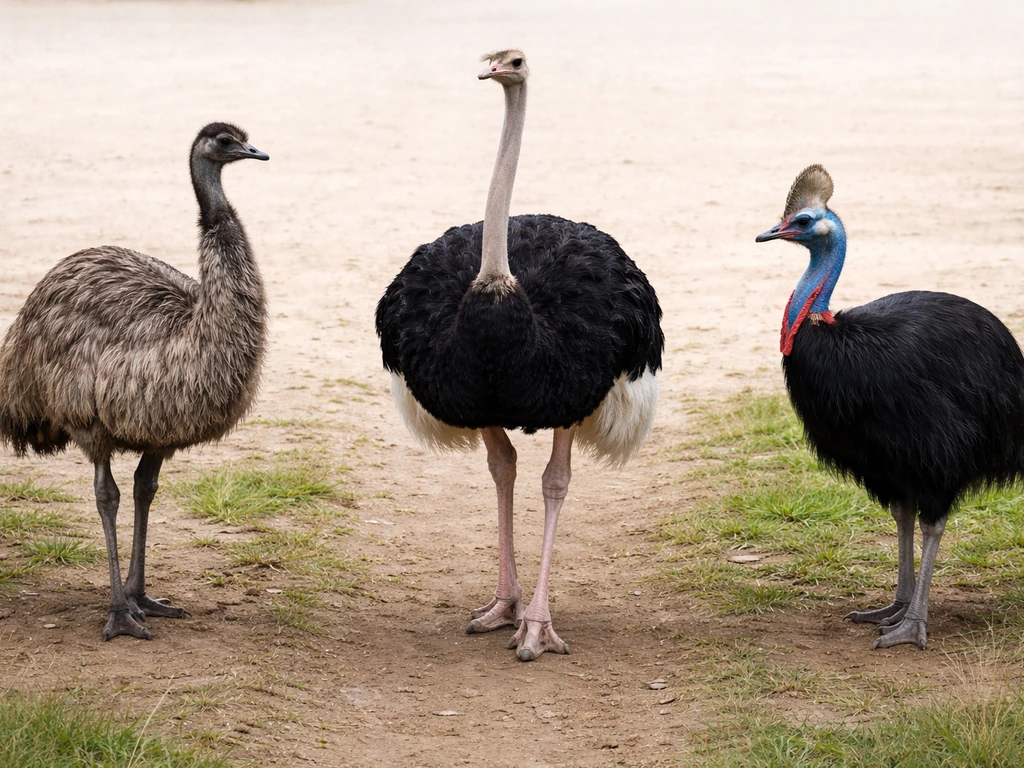
The single most common mix-up is treating emu and ostrich as the same bird or using the Hindi word शुतुरमुर्ग (śuturmurag, the Hindi word for ostrich) for both. They are related in that both are ratites, but they are distinct species from different continents. The ostrich is from Africa and is the world's largest bird; the emu is from Australia and is the second largest. Visually, the ostrich is taller, has a more dramatically bare pink or blue neck, and has only two toes per foot, while the emu has three. The emu's feathers also look distinctly shaggier.
| Feature | Emu (एमू) | Ostrich (शुतुरमुर्ग) | Cassowary (कैसोवरी) |
|---|---|---|---|
| Origin | Australia | Africa | Australia/New Guinea |
| Hindi name | एमू (emū) | शुतुरमुर्ग (śuturmurag) | कैसोवरी (kaisovarī) |
| Height | ~1.5–1.9 m | ~2.1–2.8 m | ~1.5–1.8 m |
| Can fly? | No | No | No |
| Toes per foot | 3 | 2 | 3 (with sharp claw) |
| Neck | Lightly feathered, blue-grey skin | Bare, pink/blue | Bare with casque on head |
Cassowary (sometimes called कैसोवरी in Hindi) is another bird that gets tangled up in this group. It lives in the rainforests of Australia and New Guinea and is distinguished by the large bony casque on its head. If you are searching for bird names in Hindi and want to be precise, it is worth bookmarking these distinctions so you do not accidentally describe the wrong bird in a school essay or wildlife article. If you meant an entirely different “ear bird” phrase, tell me the exact wording and context, and I will translate and explain the correct meaning in Hindi bird names in Hindi.
How emu is written in other Indian languages
Since this site covers multiple Indian languages, here is a quick cross-reference. The emu has no native name in any Indian language, so all regional forms are transliterations of the English word. The phonetic differences are small but worth knowing if you work across languages.
| Language | Script form | Romanization |
|---|---|---|
| Hindi | एमू | emū |
| Marathi | इमू / एमू | imū / emū |
| Telugu | ఈము | īmu |
| Malayalam | എമു | emu |
| Tamil | எமு | emu |
Punjabi and Gujarati follow similar transliteration logic. In Gujarati script you would write it as એમૂ (emū) and in Gurmukhi (Punjabi) as ਐਮੂ, both tracking close to the standard Hindi rendering. None of these languages have a culturally rooted word for emu beyond borrowed transliterations, which again reinforces the point that this bird sits outside traditional Indian ornithological vocabulary.
How to explore bird names and symbolism further on this site
If finding the Hindi word for emu was the starting point but you want to go deeper into Indian bird symbolism, this site is built exactly for that kind of exploration. Entries covering birds with strong mythological roots, like the eagle (which connects directly to Garuda mythology in Hindu tradition) or the hornbill (a culturally significant bird in several tribal traditions), will give you much richer symbolic material than a recently introduced foreign species like the emu can. The hornbill bird meaning in Hindi is often discussed in cultural and tribal symbolism contexts, so it is worth comparing with emu’s mostly non-mythological role.
A practical tip: when you search for a bird's meaning in Hindi on this site or anywhere else, try to separate three distinct questions. First, what is the Hindi word or transliteration for the bird? Second, what does the bird actually look like and where does it come from? Third, does this specific bird carry documented symbolic or mythological meaning in Indian traditions? For birds like the eagle, peacock, crow, or kingfisher, all three answers are rich and interconnected. For a bird like the emu, the honest answer to the third question is "not really," and knowing that is itself useful because it saves you from confidently repeating misinformation. Its Hindi meaning is simply the name of the Australian bird, written as एमू.
You will also find that comparing entries across bird types sharpens your intuition for which birds carry genuine cultural weight in Hindi-speaking traditions and which are simply modern borrowings. The sunbird, for instance, has solar symbolism worth exploring, and the cardinal bird entry offers an interesting parallel study in how a non-native species gets interpreted through an Indian symbolic lens. The term sunbird is often discussed in Hindi with its meaning and symbolism, so you can compare how the name is understood in that context too. Cross-reading these entries builds a more complete picture of how Indian languages and traditions absorb and classify the natural world, both the birds that were always here and those that arrived later.
FAQ
What is the etymological meaning of “emu” in Hindi, is there any Sanskrit/Hindi root behind एमू?
No. एमू is a borrowed transliteration from English, so there is no traditional “hidden” Hindi root or Sanskrit etymology to decode the way you might for older mythological bird names.
Which Hindi spelling should I use for “emu” in a formal essay or report?
If you are writing for a school or formal context, use एमू (emū). इमू and ईमू are understandable, but they are more likely to look like machine translations in printed work, especially in Hindi textbooks and official signage.
How can I tell whether a Hindi page using “एमू” is talking about the bird or about invented symbolism?
The safest way is to check the word plus context. “Emu” in Hindi usually means the Australian ratite bird, but if the text claims a Vedic or mythological link, treat it as unreliable unless it cites a specific folklore source.
What pronunciation mistake should I avoid when saying emu in Hindi?
Yes, there is a common reading mistake: do not pronounce it as “em-oo” with a short e. The first syllable is long “ee”, so in Hindi-style speech you will hear it as ई-मू (ee-moo).
Can emu be used interchangeably with ostrich or cassowary in Hindi descriptions?
Ostrich, cassowary, and emu are all ratites but they are not interchangeable. In descriptions, use distinguishing traits like neck visibility, feather texture (emu is shaggier), and the number of toes (emu has three).
Do different Indian languages use a native term for emu, or only transliterations?
In most Indian contexts, regional scripts still just transliterate the borrowed word. For example, Gujarati and Gurmukhi spellings track closely to the standard form rather than using a culturally rooted indigenous name.
What should I verify before accepting “emu symbolism” claims in Hindi content?
If someone claims “emu symbolism” for Hindi or Indian tradition, ask what tradition they mean (folk, regional, modern coaching content) and whether there is a documented source. Without that, it is usually modern re-interpretation rather than traditional meaning.
Can I use the emu’s parenting behavior to explain “symbolism” without spreading misinformation?
The male incubation detail (male incubates eggs and helps raise chicks) can be used as a factual, non-mythological observation, but it should not be treated as a traditional spiritual symbol unless a credible cultural source explicitly states that connection.
If my search results are irrelevant, what extra keywords should I add to find the correct emu meaning in Hindi?
If your search term is “emu bird meaning in hindi,” confirm you did not mean a different “bird” phrase or category. The article notes other birds can be confused in searches, so include extra keywords like “name,” “spelling,” “ratite,” or “Australia” to narrow results.
Should I keep one spelling of emu throughout a translation, or is it fine to alternate between एमू, इमू, and ईमू?
If you are translating a sentence, keep the transliteration consistent across the document and avoid swapping between एमू, इमू, and ईमू. Consistency improves clarity, especially when the text is about a specific bird in a wildlife or biology context.