
The most natural Hindi translation of 'the bird is sitting on the tree' is पक्षी पेड़ पर बैठा है (pakshī peḍ par baiṭhā hai). If you want a slightly more casual, affectionate tone, you say चिड़िया पेड़ पर बैठी है (chiḍiyā peḍ par baiṭhī hai). Both are correct, and which one you reach for depends on the word you choose for 'bird' and the tone you want, formal or everyday.
The bird is sitting on the tree in Hindi: meaning

Rajesh Sharma
2 May 2026
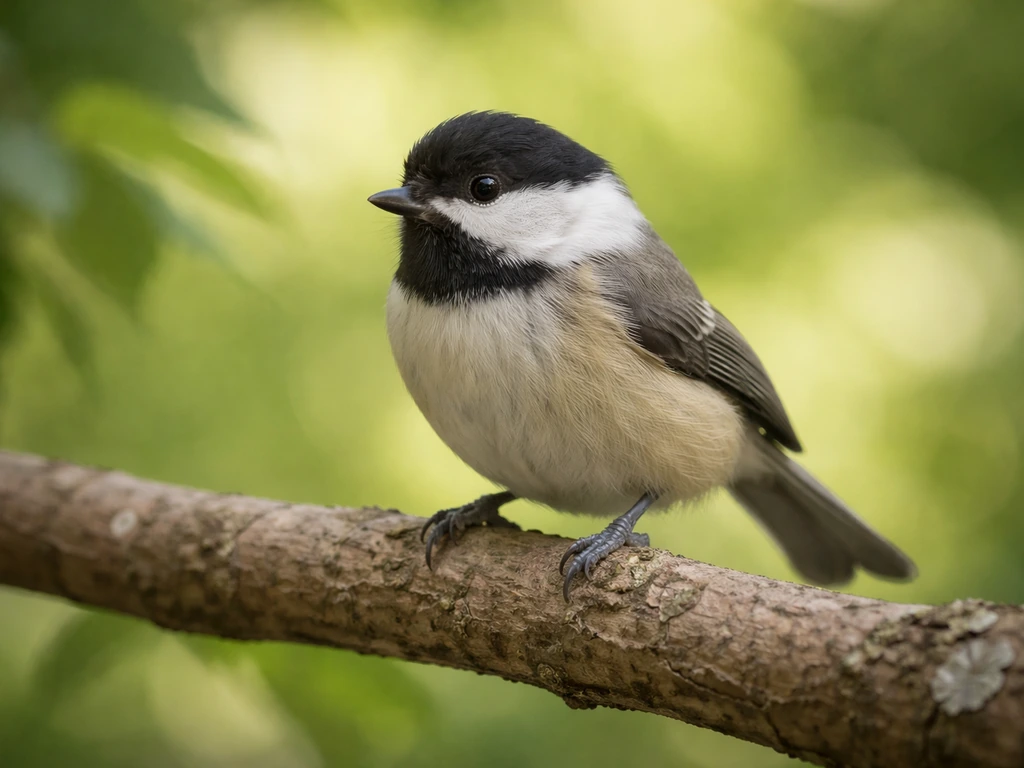
The exact Hindi translations you can use right now
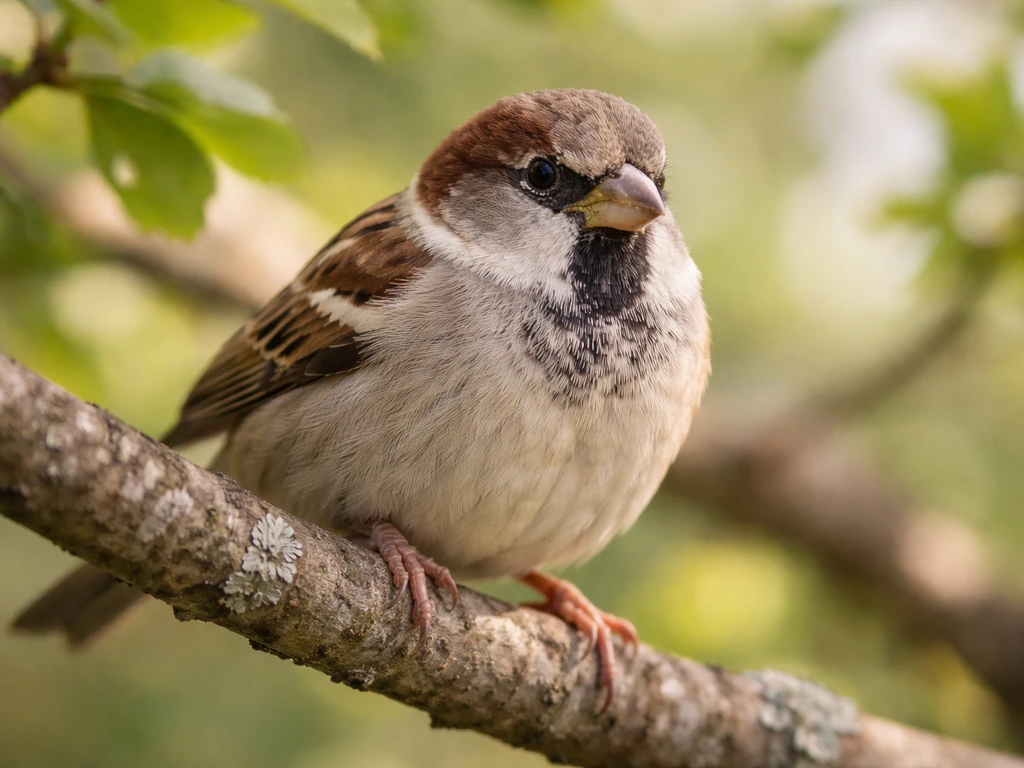
There is not just one way to say this in Hindi, there are a few natural variants, and each carries a slightly different feel. Here are the most practical ones:
| Hindi Sentence | Transliteration | Tone / Use |
|---|---|---|
| पक्षी पेड़ पर बैठा है। | pakshī peḍ par baiṭhā hai | Neutral / standard / formal writing |
| चिड़िया पेड़ पर बैठी है। | chiḍiyā peḍ par baiṭhī hai | Casual / everyday speech / affectionate |
| पक्षी पेड़ पर बैठा हुआ है। | pakshī peḍ par baiṭhā huā hai | Emphasizes the ongoing seated state |
| पेड़ पर चिड़िया बैठी है। | peḍ par chiḍiyā baiṭhī hai | Puts the tree first — common in speech |
| पंछी पेड़ की डाल पर बैठा है। | pañchhī peḍ kī ḍāl par baiṭhā hai | Poetic / folk / referring to a branch |
The version with पेड़ की डाल पर (on the branch of the tree) is especially common in poetry and folk songs, because in Indian literary tradition, birds are almost always imagined perched on a branch, not just generically 'on the tree.' Amar Ujala poems and folk lines like 'कभी पेड़ पर बैठी चिड़िया…' follow exactly this pattern.
पक्षी vs चिड़िया: which word to pick
This choice matters more than it looks. पक्षी (pakshī) is the standard, formal, and somewhat literary word for bird. It is masculine in grammatical gender, so the verb form that agrees with it is बैठा है (baiṭhā hai). You will see पक्षी in textbooks, wildlife writing, and sentences like the Wiktionary entry that lists it with the marking 'm' for masculine.
चिड़िया (chiḍiyā) is feminine and is the go-to word in everyday Hindi conversation. It has a warmer, more familiar feel, think of it as the word a parent uses when pointing out a bird to a child, or the word a poet reaches for when writing about morning birdsong. Because चिड़िया is feminine, the verb must agree: बैठी है (baiṭhī hai), not बैठा है. Using the wrong gender agreement is the most common mistake learners make with this sentence.
A third option, पंछी (pañchhī), is a softer, more poetic synonym used in folk songs and regional Hindi. It works in the same sentence structure and is typically treated as masculine, so it takes बैठा है. You will often hear this word in rural or folk contexts across the Hindi belt.
Why Hindi needs 'बैठा/बैठी' and not just 'पर'
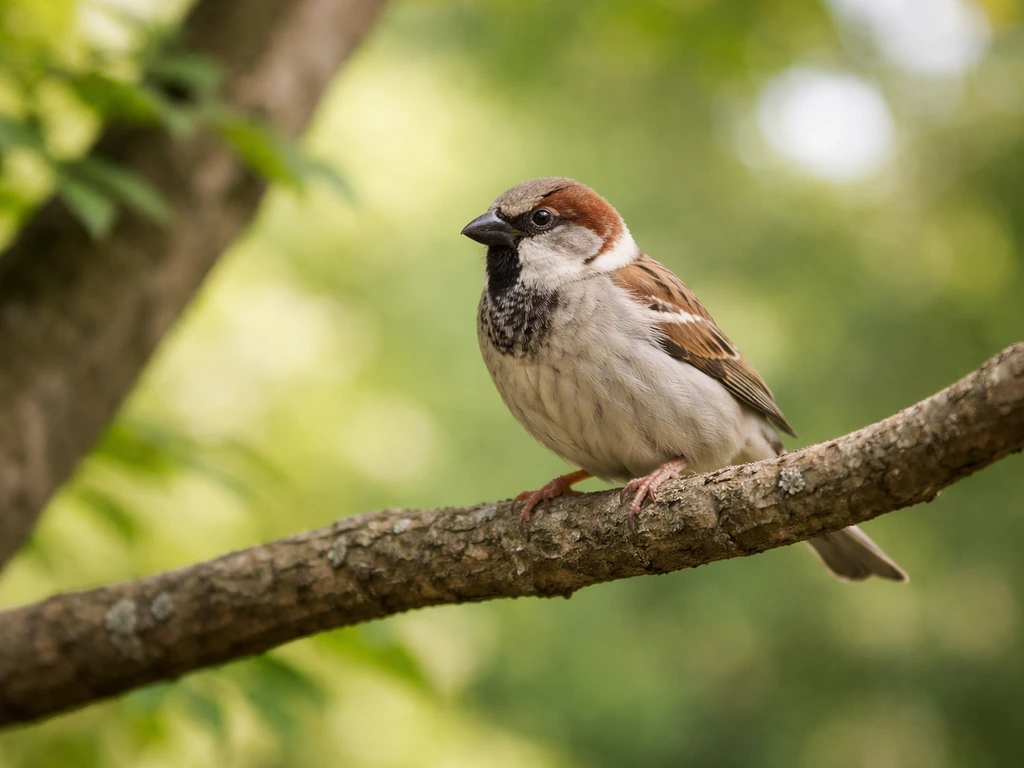
This is the grammar question that trips up most learners. In English, you can say both 'the bird is on the tree' and 'the bird is sitting on the tree,' and they mean roughly the same thing. Hindi works differently. The postposition पर covers the idea of 'on' as a surface or location, and it appears as पेड़ पर (on the tree). But पर alone just places the bird at a location, it doesn't tell you what the bird is doing there. To say the bird is in a seated position, you need the verb बैठना (to sit), conjugated into its present-state form: बैठा है (masculine) or बैठी है (feminine).
The rule for पर vs में is straightforward: पर is for surface contact or position (like मेज़ पर, 'on the table'; छत पर, 'on the roof'), while में is for being inside something (कमरे में, 'in the room'). A bird on a tree is resting on a surface, so पर is always correct here, and you pair it with the sitting verb to complete the meaning. The classic documented example from Hindi grammar resources is पक्षी पेड़ पर बैठा है, it is used in Hindi-medium worksheets and grammar guides as a model sentence for exactly this reason.
The form बैठा हुआ है adds a slight nuance of 'is in a state of sitting' rather than just 'sits.' It is the equivalent of emphasizing that the bird has settled and remains there. In practice, बैठा है and बैठा हुआ है are both widely understood and nearly interchangeable in conversation, but बैठा हुआ है is more descriptive and slightly more formal.
Breaking the sentence down word by word
Here is a word-by-word breakdown of the two most common versions so you can see exactly how Hindi builds this sentence and reuse the structure for other bird-and-location sentences:
| Hindi Word | Role | English Meaning |
|---|---|---|
| पक्षी / चिड़िया | Subject (noun) | bird (masc) / bird (fem) |
| पेड़ | Location noun | tree |
| पर | Postposition | on (surface/position) |
| बैठा / बैठी | Verb participle (agrees with subject gender) | sitting / seated |
| है | Auxiliary verb | is |
The word order in Hindi is Subject + Location + Postposition + Verb + Auxiliary. Notice that पर comes after पेड़, not before it, Hindi postpositions always follow the noun they relate to, which is the opposite of English prepositions. Once you internalize this pattern, you can slot in any bird word and any location to make a new sentence. For example: कौआ पेड़ पर बैठा है (the crow is sitting on the tree), this exact sentence appears in Hindi classroom worksheets and is a well-known model example.
Build similar sentences: a quick checklist

Use this checklist any time you want to translate a Hindi 'bird + location' sentence:
- Choose your bird word: पक्षी (masc, formal), चिड़िया (fem, casual), पंछी (masc, poetic), or a specific bird name like कौआ (crow, masc) or मैना (myna, fem).
- Choose your location: पेड़ (tree), डाल (branch), छत (roof), दीवार (wall), खिड़की (windowsill).
- Add पर after the location noun to mean 'on.'
- Pick the verb form that matches your subject's gender: बैठा है for masculine, बैठी है for feminine.
- For added emphasis on the ongoing state, use बैठा हुआ है (masc) or बैठी हुई है (fem).
Bird and location vocabulary every Hindi learner should know
If you are building your Hindi bird vocabulary, these are the most useful words to pair with the sentence structure above:
| Hindi Word | English | Gender | Verb Agreement |
|---|---|---|---|
| पक्षी | bird (generic) | masculine | बैठा है |
| चिड़िया | bird (small/familiar) | feminine | बैठी है |
| पंछी | bird (folk/poetic) | masculine | बैठा है |
| कौआ | crow | masculine | बैठा है |
| मैना | myna | feminine | बैठी है |
| तोता | parrot | masculine | बैठा है |
| कबूतर | pigeon | masculine | बैठा है |
| पेड़ | tree | masculine | use पर |
| डाल / शाखा | branch | feminine | use पर |
| छत | roof | feminine | use पर |
| खिड़की | window | feminine | use पर |
Position and action verbs also matter for this kind of sentence. बैठना means to sit, उड़ना means to fly, बोलना means to call or speak (used for bird calls), and खड़ा होना means to stand. Swapping बैठा है for खड़ा है gives you 'the bird is standing on the tree,' which follows the exact same structure. If you are exploring bird-related terminology more broadly, concepts like how to write the word bird in Hindi, or what specific birds like the turkey or exotic birds are called in Hindi, extend naturally from the vocabulary base here. If you want to go one step further, a quick guide on how to write bird in Hindi, or how the spelling of पक्षी or चिड़िया is handled, can help you write confidently too. If you are wondering about the exotic bird meaning in Hindi, it often depends on the specific bird name used in the sentence exotic birds. For example, you can look up what the turkey bird is called in Hindi and how to say it naturally in a sentence.
The cultural image behind a bird on a tree
The image of a bird perched on a tree is not just a grammar exercise in Indian tradition, it carries real cultural weight. India is golden bird is the kind of poetic idea you might find in the same cultural tradition of imagery and symbolism. The Mundakopanishad describes two birds sitting on the branches of the same tree, one eating the fruit and one simply watching: a metaphor for the individual self and the witnessing consciousness. This image reappears across Vedantic teaching, Shanti Parva storytelling, and folk poetry. When a Hindi poet writes 'कभी पेड़ पर बैठी चिड़िया,' they are drawing on centuries of this imagery, where the bird at rest in a tree signals peace, presence, and natural harmony. It is one reason the phrase feels so alive in Hindi, it is not just a location statement, it is a picture that the language already knows how to paint.
FAQ
Can I say “the bird is sitting in the tree” in Hindi?
In standard Hindi, “in” is usually में, but for a tree you normally use the surface/location structure: पेड़ पर. So the natural choice is पक्षी पेड़ पर बैठा है, not पक्षी पेड़ में बैठा है (the latter sounds odd unless you mean “inside the tree,” like within a hollow).
What if I want to say “the bird is sitting on the tree branch” specifically?
Use डाल पर in place of पेड़ पर: चिड़िया डाल पर बैठी है (feminine agreement) or पक्षी डाल पर बैठा है (masculine). This matches the poetic variant style and clarifies the exact perch point.
How do I know whether to use बैठा है or बैठी है?
Match the verb form to the gender of the bird word: पक्षी and पंछी are typically masculine, so बैठा है. चिड़िया is feminine, so बैठी है. If you are unsure which bird word you are using, decide the gender first, then choose the verb ending.
Is “पर” always correct here, or can I use “से” (from) or “को” (to)?
For “on the tree” meaning a resting position, पर is the correct postposition. से or को changes the meaning (from, to), and will not work for the simple “perched/resting” picture you want.
What is the difference between बैठा है and बैठा हुआ है in this sentence?
बैठा है is simpler and commonly used for “is sitting” in conversation. बैठा हुआ है emphasizes the bird’s settled state, “is in the sitting position.” Both are understood, but बैठा हुआ है can sound slightly more descriptive.
Can I remove the verb auxiliary and just say “पक्षी पेड़ पर बैठा”?
Usually you should keep है for a complete present-state sentence: पक्षी पेड़ पर बैठा है. Dropping the auxiliary makes it feel incomplete unless you are using special styles like elliptical notes or poetry.
How do I make it past tense, “the bird was sitting on the tree”?
Change the verb’s tense marker for sitting: पक्षी पेड़ पर बैठा था (masculine) or चिड़िया पेड़ पर बैठी थी (feminine). Keep पर unchanged, since the location/perch idea stays the same.
How do I make it continuous, “the bird is sitting (right now)”?
Hindi can use progressive forms, typically by using बैठ रहा है / बैठ रही है. For example, पक्षी पेड़ पर बैठ रहा है (masculine) or चिड़िया पेड़ पर बैठ रही है (feminine). This adds a “happening now” feel compared to the general present.
What about “The birds are sitting on the tree”?
Use plural agreement. For example, पक्षी पेड़ पर बैठे हैं (masculine plural) or चिड़िया पेड़ पर बैठी हैं (feminine plural). The key is that the verb must switch to plural forms.
If I use “पक्षी” but want a softer tone, is there a polite alternative?
A common softer, everyday option is चिड़िया, it naturally carries warmth. If you prefer staying with पक्षी, you can keep it and rely on context or surrounding words, but gender agreement will still require बैठा है.
Next Articles
How to Write Bird in Hindi and Sanskrit in Devanagari
Step-by-step Devanagari spellings for bird in Hindi and Sanskrit, with pronunciation and cultural symbolism notes.
What Is Turkey Bird Called in Hindi and Marathi
Hindi and Marathi names for turkey bird in Devanagari, with spelling, pronunciation tips, and common translation confusi

India Is Golden Bird: Meaning, Origins, and Evidence
Explains why India is called the golden bird, its origins, who used it, meanings, and how to verify sources today.