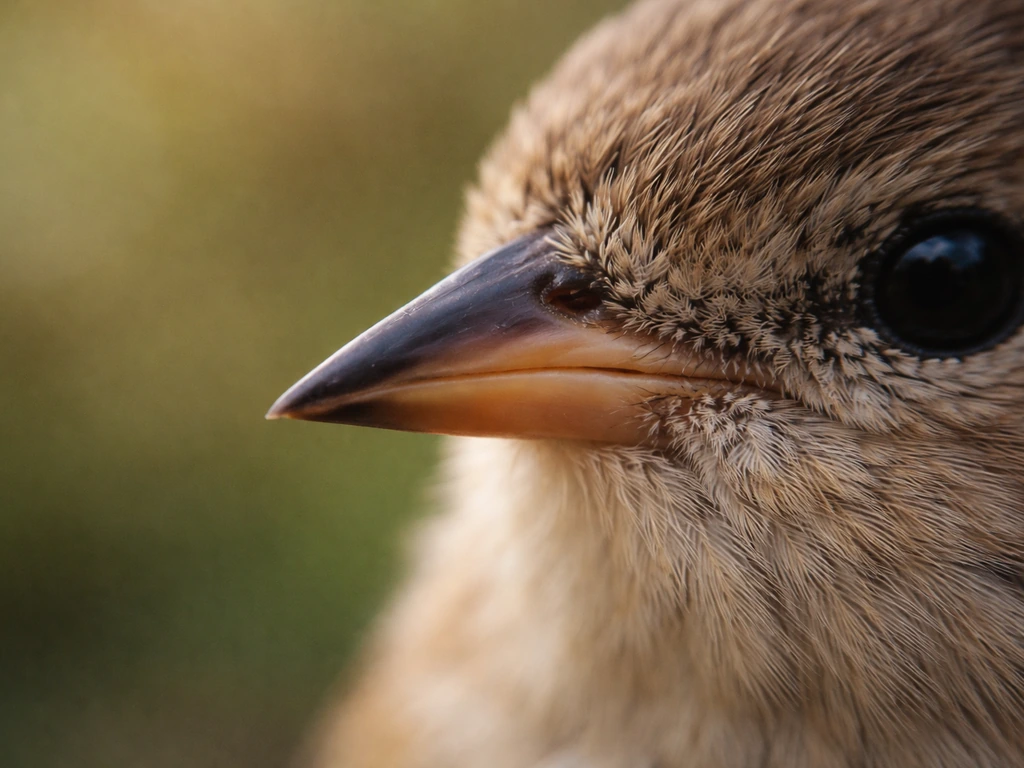
In Gujarati, the closest natural translation for 'wading bird' is 'પાણીમાં ચાલતો પક્ષી' (paanima chalato pakshi), but in everyday usage Gujarati speakers don't really use a single umbrella term the way English does. Instead, they go straight to the bird's own name. The root word you'll keep bumping into is 'બગલો' (baglo), which covers herons, egrets, and stork-like birds and roughly maps to the entire wading-bird category in Gujarati folk speech. If someone in Gujarat points at a tall, long-legged bird standing still in a pond, they'll almost certainly call it a 'બગલો' first and get more specific second.
Wading Bird Meaning in Gujarati: Translation and Terms

Rajesh Sharma
3 May 2026

What 'wading bird' actually means in Gujarati
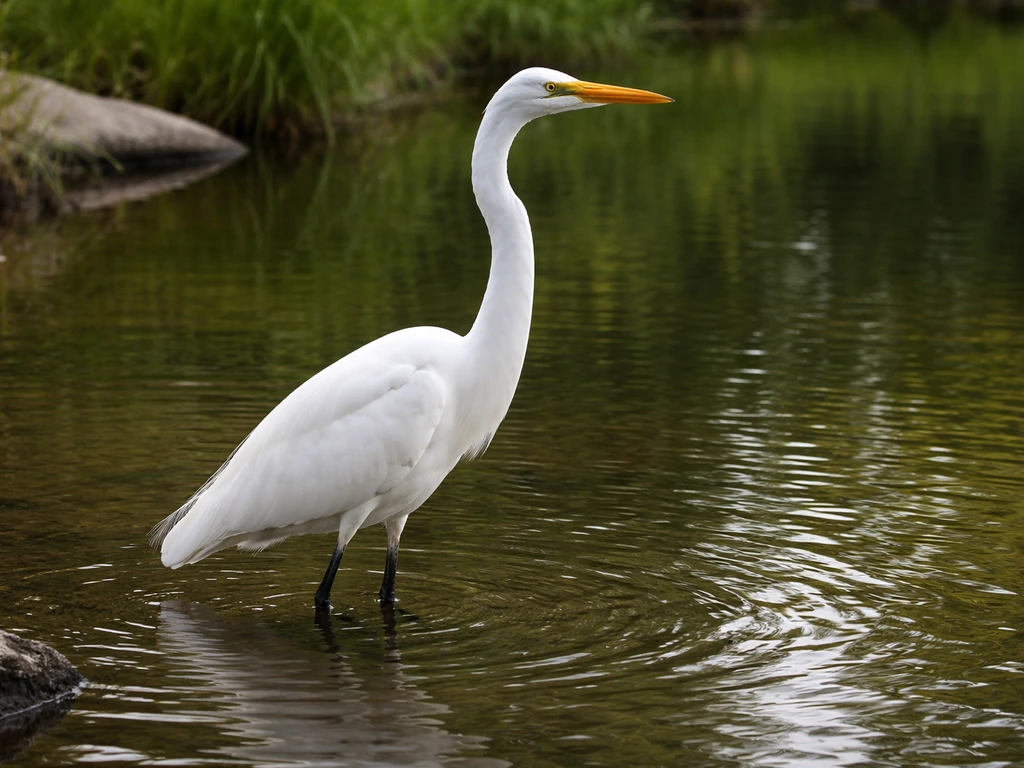
Formally, dictionaries like GujaratiLexicon render the English word 'wader' as 'વેડર' (vedar), which is essentially a phonetic borrowing of the English word rather than a native Gujarati phrase. The entry helpfully explains it as 'લાંબા પગવાળો બગલો, સારસ ઇ.' which translates to 'a long-legged heron, saras, etc.' That parenthetical 'etc.' is telling. Gujarati doesn't package herons, egrets, storks, cranes, and ibises into one tidy label the way English does with 'wading bird.' Instead, the language clusters them loosely under 'બગલો' and then adds a descriptive prefix to distinguish species.
Shabdkosh describes 'બગલો' as a 'grey or white wading bird with a long neck, long legs, and usually a long bill,' which is essentially the definition of a wading bird itself. So for practical purposes, 'બગલો' is the Gujarati answer to 'wading bird,' at least for the heron-egret-stork cluster that most people picture when they hear the English term.
Gujarati names for common wading birds
Here is where things get genuinely useful. Rather than a catch-all term, Gujarati speakers use names built from 'બગલો' or 'સારસ' with descriptive modifiers. The Birds of Gujarat records and Natureweb listings give us the most reliable native names currently in use. Natureweb’s “Gujarati Bird Names” listing includes “ઢોર બગલો, બગલો” under the cattle egret and related heron or egret naming The Birds of Gujarat records and Natureweb listings give us the most reliable native names currently in use..
| English name | Gujarati name | Transliteration | Notes |
|---|---|---|---|
| Cattle Egret | ઢોર બગલો | Dhor baglo | Most commonly seen wader in Gujarat; 'ઢોર' means cattle |
| Indian Pond Heron | કાણી બગલી / કાણી બગલ | Kaani bagali / Kaani bagal | Very common; 'કાણી' suggests a squinting or one-eyed look |
| Western Reef Heron / Reef Egret | દરિયાઈ બગલો | Dariyaai baglo | 'દરિયાઈ' means sea/coastal |
| Sarus Crane | સારસ બગલો | Saras baglo | Also simply 'સારસ'; revered bird in Indian tradition |
| Egret (general) | બગલો / બલાક | Baglo / Balak | 'બલાક' is a more classical/Sanskrit-influenced form |
| Stork (general) | બગલું | Baglun | Slight variant form; used for stork-type birds |
You'll notice the pattern immediately: 'બગલો' (masculine), 'બગલી' (feminine diminutive form), and 'બગલું' (neuter) are all variations of the same root, and they anchor the entire wading-bird vocabulary in Gujarati. Once you know this root, you can parse almost any Gujarati wading-bird name just by reading the prefix.
Pronunciation and Gujarati script for key terms
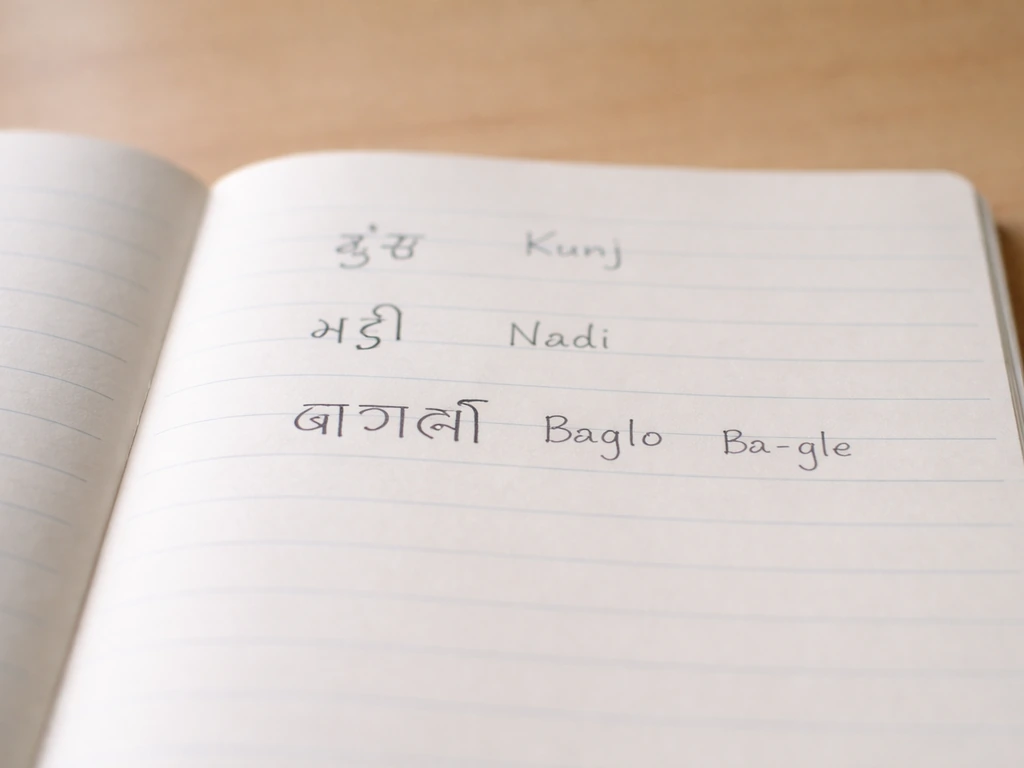
Gujarati script looks distinct from Devanagari (the script used for Hindi and Sanskrit) because it lacks the characteristic horizontal line on top. If you can read Hindi, you'll still recognize letter shapes, but they're slightly rounder and the top bar is absent. Here are the core terms broken down for confident reading and searching.
| Gujarati script | Transliteration | Pronunciation guide | Meaning |
|---|---|---|---|
| બગલો | Baglo | Bag-lo (short 'a', stress on first syllable) | Heron/egret/wading bird (general) |
| વેડર | Vedar | Vay-dar | Wader (phonetic borrowing from English) |
| સારસ | Saras | Saa-ras (long first 'a') | Crane, especially Sarus Crane |
| ઢોર બગલો | Dhor baglo | Dhor bag-lo ('ઢ' is a retroflex 'dh') | Cattle Egret |
| કાણી બગલી | Kaani bagali | Kaa-ni bag-li | Indian Pond Heron |
| દરિયાઈ બગલો | Dariyaai baglo | Da-ri-yaa-i bag-lo | Reef Heron / coastal wader |
| બલાક | Balak | Ba-laak (stress on second syllable) | Egret (classical/literary usage) |
The 'ઢ' in 'ઢોર' trips up a lot of learners. It's a retroflex aspirated sound, like 'dh' said with your tongue curled slightly back. If you're searching Gujarati bird databases or wildlife apps, typing 'baglo' in Roman transliteration usually works, but using the actual Gujarati script gets you more precise results, especially in resources like GujaratiLexicon or the Birds of Gujarat checklist.
Cultural and symbolic meaning of wading birds in Indian tradition
Symbolism in Indian tradition usually attaches to specific birds rather than the broad category 'wading bird,' and that's an important distinction. The Sarus Crane ('સારસ') holds a particularly deep place in Indian culture. According to Hindu tradition, the poet Valmiki was moved to compose his first verse after witnessing a hunter kill a sarus crane mid-mating, triggering his grief-stricken curse that became the first shloka of the Ramayana. The saras has since been associated with devotion, love, and poetic inspiration. It's the state bird of Uttar Pradesh and is widely venerated across the subcontinent, including in Gujarat's wetland communities.
The word 'બલાક' for egret has Sanskrit roots and appears in classical texts and astrology as a symbol of patience and stillness, reflecting how the bird stands motionless while hunting. In folk speech across Gujarat and the broader region, 'બગલો' also features in the idiom 'બગલો ભગત' (baglo bhagat), referring to someone who pretends to be pious or meditative while actually being cunning, a direct metaphor for how the heron stands perfectly still only to strike suddenly. This idiom is shared across Hindi (बगुला भगत, bagula bhagat) and is one of the most vivid animal-based expressions in North and West Indian languages.
The ibis, while revered in ancient Egyptian tradition for its association with the god Thoth, doesn't carry the same symbolic weight in Gujarati or Indian folk tradition. In India, the ibis is mostly a field bird, and its cultural significance is limited compared to the saras crane or the heron.
Where people get confused: wading birds vs shorebirds vs waterfowl in Gujarati

This is a common mix-up even among experienced birders, and it gets murkier when translating into Gujarati. In English, 'wading birds' (herons, egrets, storks, ibises) and 'waders' (sandpipers, plovers, snipes, stilts) are actually two overlapping but distinct groupings depending on which birding tradition you follow. Dictionary.com defines “wader” as long-legged, long-necked wading birds (also called “wading bird”) adapted for shallow water feeding, including herons, cranes, storks, shoebills, ibises, and flamingos. The BDI glossary, for instance, uses 'waders' primarily for shorebirds like sandpipers and plovers that feed on mudflats, while many popular references use 'wading bird' to mean any long-legged bird that walks through shallow water to feed.
In Gujarati, this distinction isn't cleanly encoded. 'બગલો' strongly suggests the heron/egret family. Sandpipers and plovers (true shorebirds in the technical sense) don't share the 'baglo' label; they tend to be called by their own specific names or grouped loosely as 'કિનારાના પક્ષી' (kinarana pakshi, meaning 'shore birds') without a single dominant term. Waterfowl like ducks and geese belong to a completely different Gujarati vocabulary: ducks are 'બતક' (batak) or 'બદક' (badak), and flamingos, which wade in large numbers in Gujarat's Rann of Kutch, are typically called 'ફ્લેમિંગો' (flemingo, borrowed directly from English) or in older usage 'ઘ્રાબ' in some regional dialects.
- Herons, egrets, storks: use 'બગલો/બગલી/બગલું' family of words
- Cranes (Sarus): use 'સારસ' or 'સારસ બગલો'
- Shorebirds (sandpipers, plovers): no equivalent to 'baglo'; use specific names or 'કિનારાના પક્ષી'
- Waterfowl (ducks, geese): 'બતક/બદક' — completely separate vocabulary
- Flamingos: 'ફ્લેમિંગો' — borrowed term, not 'baglo' despite being a wader
If someone uses the term 'wader' in Gujarati birding contexts, they could mean 'વેડર' (the borrowing) which most people will interpret as any long-legged water-side bird. To be precise, you need to specify the bird or at least the family.
How to find the right Gujarati name for your specific wading bird
The most reliable approach is to work from three clues: habitat, body shape, and behavior. Gujarati bird names almost always encode at least one of these. Here's a practical method you can use today.
- Identify the habitat: Is it a coastal/sea bird? Look for 'દરિયાઈ' (dariyaai) as a prefix. Freshwater pond bird? Think 'કાણી' or plain 'બગલો.' Farmland wader? 'ઢોર' (cattle-associated) is your clue.
- Check body shape: Long-legged, long-necked, and white or grey? You're almost certainly in 'બગલો' territory. Very tall with red legs and neck? That's 'સારસ.'
- Search GujaratiLexicon or Birds of Gujarat checklist: Type the English name into GujaratiLexicon (gujaratilexicon.com) or browse the Birds of Gujarat wading birds section. Both provide Gujarati script names with transliterations.
- Cross-reference with Natureweb: Natureweb's India bird pages often include regional language names including Gujarati. Search the English species name and look for the Gujarati name field.
- Use the 'baglo' anchor: If you find a Gujarati name with 'baglo' or a variant, you've confirmed it's a wading bird in the heron/egret/stork family. If the name doesn't include 'baglo' or 'saras,' you may be looking at a shorebird or waterfowl, not a true wading bird in the Gujarati folk-naming sense.
One quick tip: if you're using a Gujarati-language birding app or field guide, search for 'બગ' (bag) as a partial string. Almost every heron and egret name in Gujarati will surface because they all share that root. This is especially handy when you can see the bird but aren't sure of the exact species.
Connecting wading birds across Indian languages
If you're already familiar with the Hindi side of this topic, you'll find Gujarati wading-bird vocabulary reassuringly close. Hindi uses 'बगुला' (bagula) for heron/egret, which is clearly the same root as Gujarati 'બગલો' (baglo), both tracing back to Sanskrit origins. If you’re looking for the bird wading meaning in Hindi, 'बगुला' is the common term used for herons and egrets bagula. If you’re looking for the warbler bird meaning in Hindi, the term is usually explained with its Hindi name and common usage in bird references Hindi uses 'बगुला' (bagula). If you are looking up “windhover bird meaning in hindi”, it helps to search using the correct Hindi term so you get the right species and meaning Hindi uses 'बगुला'. The shared idiom 'bagula bhagat' exists in both languages, which tells you just how deeply this bird's image is embedded across Western and Northern India. Marathi similarly uses 'बगळा' (bagla), confirming this is a pan-regional linguistic family for the wading-bird concept. If you're exploring bird names across Indian languages more broadly, you'll find the weaver bird entry in Gujarati follows a similarly descriptive naming logic, where physical traits and behavior drive the Gujarati name rather than a direct English translation. If you’re also looking up bird names beyond herons and egrets, the weaver bird meaning in hindi follows the same idea of linking a bird to its common local description. If you’re trying to look it up in Gujarati, knowing the local naming pattern also helps you understand terms like weaver bird meaning in gujarati.
For anyone working through bird terminology in multiple Indian languages at once, the Gujarati wading-bird vocabulary is actually one of the easier clusters to learn precisely because 'બગલો' is so consistent across species and so phonetically similar to its Hindi and Marathi cousins. Start with 'baglo,' learn the prefixes, and you'll have a working vocabulary for most of Gujarat's common wading birds within a single study session.
FAQ
Does “wading bird” in Gujarati always mean sandpipers and plovers too?
No. In Gujarati, “wading bird meaning in gujarati” usually maps to heron and egret type birds via “બગલો” (and related forms), not to shorebirds like sandpipers or plovers. If your source is using a birding definition, confirm whether it means shallow-water long-legged birds (“બગલો” group) or mudflat shorebirds (often listed under separate Gujarati shorebird terms).
If I find “વેડર” in a Gujarati bird guide, what should I take it to mean?
When you see “વેડર” (vedar) in Gujarati bird contexts, it is typically a borrowing of “wader.” Many readers will interpret it loosely as “any long-legged water-side bird,” so it is safer to also note the Gujarati description or species name shown next to it (for example, something with “બગલો” or “સારસ”).
What’s the best way to search Gujarati wading-bird names in an app or database?
For most heron and egret names, searching “બગ” in Gujarati script is more reliable than English “baglo,” because some resources list spelling variants and gender forms under the same root. If the app supports only Roman input, “baglo” usually works, but you may still miss entries that are indexed only in Gujarati script.
Do “બગલો,” “બગલી,” and “બગલું” mean different birds, or just different forms?
Gujarati often distinguishes forms by grammatical gender and word ending, so “બગલો,” “બગલી,” and “બગલું” can refer to the same general bird type with different grammatical forms. In practice, when you cannot tell the bird’s sex, focus on the shared root “બગ,” then use habitat and color cues (grey or white, long neck, long bill) from the description.
When should I use “સારસ” instead of “બગલો”?
Use “સારસ” when the text is clearly pointing to the Sarus Crane (often linked with cultural references), not as a generic synonym for every wading bird. If you are comparing two entries that both mention “સારસ,” but one includes heron-like traits, then the author may be using a wider or mistaken label, so verify the body shape and neck stance details.
How can I tell whether a Gujarati term describes the heron/egret group or shorebirds?
If a Gujarati description emphasizes walking through shallow water, long legs, and a still, stalking posture, it aligns with the “બગલો” cluster. If instead it emphasizes feeding on mudflats, smaller bills, or typical shorebird behavior, it likely belongs to the shorebird group even if English would call it “wader.” In those cases, look for “કિનારાના પક્ષી” style groupings or the specific species name rather than forcing “બગલો.”
What common mistake should I avoid when translating “wading bird” into Gujarati?
If you are typing a pronunciation-based search, start from “baglo” but be ready to add Gujarati-script searches for better precision. A common mistake is to translate word-by-word from English and assume one Gujarati umbrella term exists for every “wader.” In Gujarati, you usually need a species-level term or at least the root family word plus a modifier.
Can I use cultural symbolism in Gujarati to infer the exact bird species?
If the text is about cultural symbolism, don’t treat symbolism as covering the entire category “wading bird.” In Gujarati and wider Indian traditions, the “deep” symbolic references are often tied to specific birds like the Sarus Crane, while other waders may not have an equivalent cultural role. So use symbolism cues only for the named bird, not for the whole group.
Next Article
Bird Beak Meaning in Hindi: Chonch, Bill, Pronunciation
Bird beak in Hindi chonch or bill, pronunciation, examples, beak vs bill differences, and figurative Hindi use