
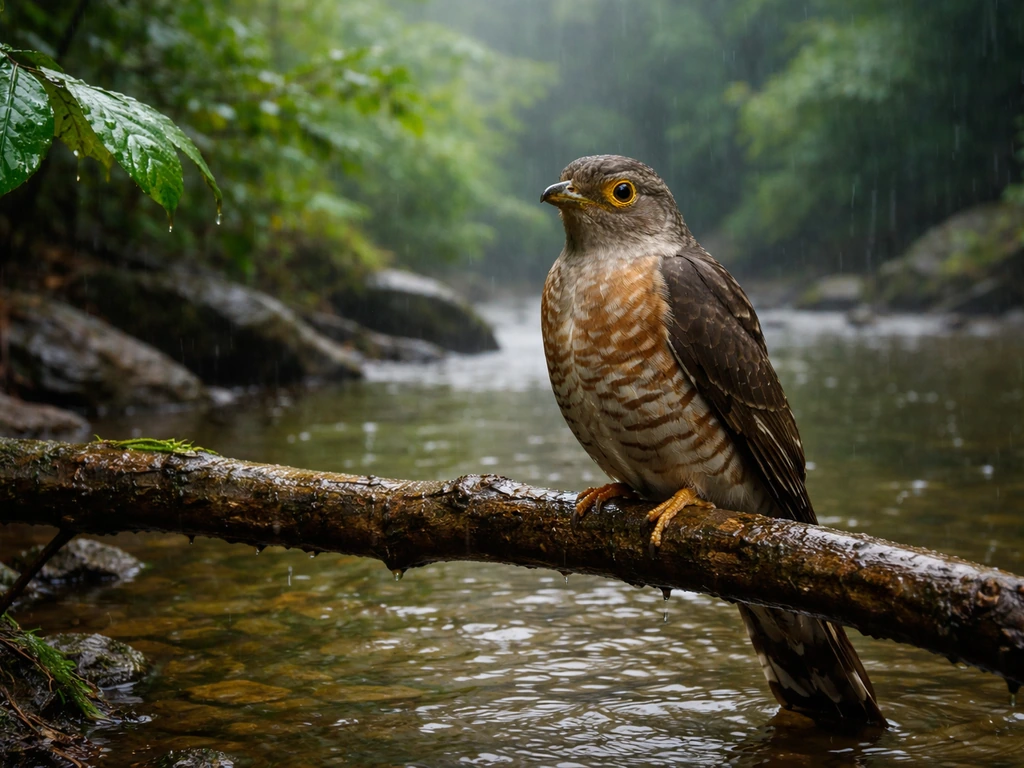
In Gujarati, 'papiha' (પપિહા) means the Chatak bird, a cuckoo-family species celebrated across Indian languages for its monsoon call and its legendary thirst for rainwater. The Gujarati lexicon defines it directly as a bird that eats insects (કીડા ખાનારૂં એક પક્ષી) and equates it with 'ચાતક' (Chatak), noting that it sings beautifully from mango trees in spring and through the monsoon season. So if you've come across 'papiha' in a Gujarati song, poem, or proverb, it almost always points to the Chatak bird and carries a rich load of symbolic meaning around rain, longing, and seasonal yearning.
Papiha Bird Meaning in Gujarati: Name, Species, Symbolism

Rajesh Sharma
29 Apr 2026
What 'Papiha' Actually Means in Gujarati
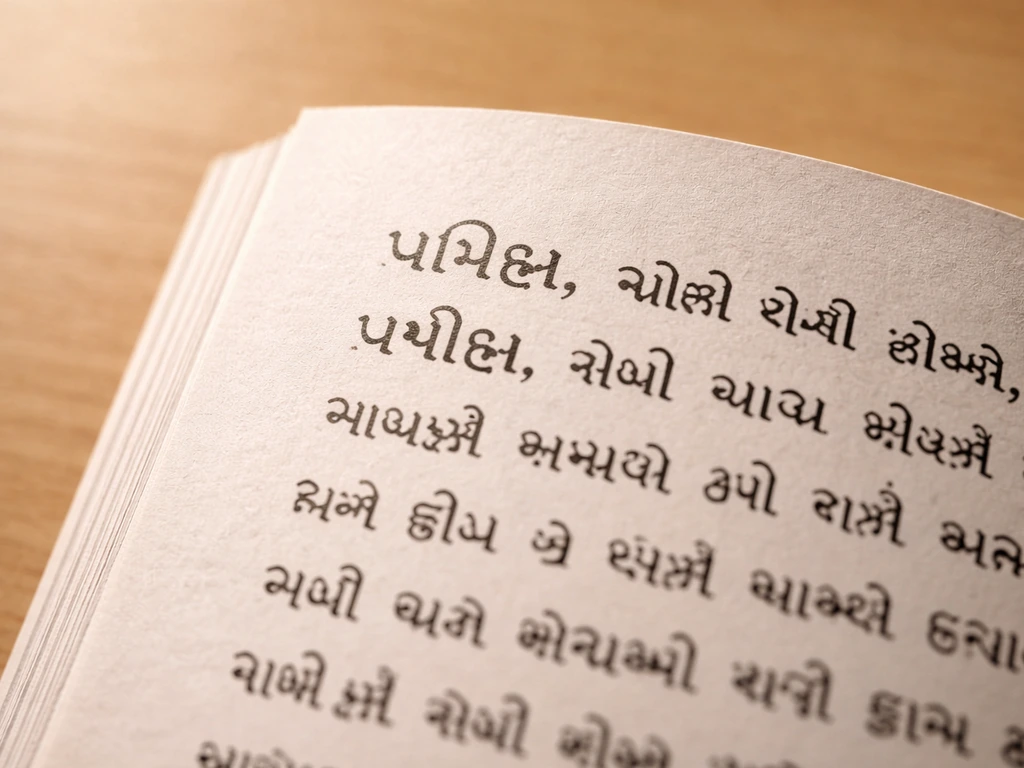
The Gujarati word is written as પપિહા (papiha) and sometimes as પપીહા (papīhā), both pointing to the same bird. Gujaratilexicon, the most comprehensive Gujarati reference dictionary, gives a straightforward Gujarati-to-Gujarati definition: it is an insect-eating bird that calls from mango trees during spring (વસંત) and the monsoon (ચોમાસું), and it is explicitly equated with the word ચાતક (Chatak). That single equation between 'papiha' and 'Chatak' is the key to understanding every cultural and poetic reference where you'll see the term. The Chatak identity is not just a dictionary note: it unlocks the entire symbolic world the word carries.
The spelling family is broad. You may encounter papīhā, pāpiha, papiya, pappīhā, or even papahiya depending on whether the source is Gujarati, Hindi, Urdu, or Sanskrit. Rekhta's dictionary documents multiple romanization forms (papīhā, pappīhā) for the Urdu entry alone. A Hindi ShabdSagar entry records 'पपहिया' as a folk register form of 'पपीहा.' A school Hindi vocabulary list directly maps पपीहा to चातक पक्षी. All of these forms are the same bird-name family, so do not let the diacritics confuse you.
Which Real Bird Is the Papiha?
This is where things get genuinely interesting, because 'papiha' sits at the intersection of several cuckoo-family birds in Indian usage. The most stable identification in classical and folk tradition is the Chatak, which ornithologist Salim Ali's foundational reference 'blank" rel="noopener noreferrer">The Book of Indian Birds' (1964) lists under Hindi names including 'Papiya' and 'Chatak.' Wisdomlib's entry for Papīhā describes it as a typical species of cuckoo and gives the scientific name Cuculus melanoleucus, which corresponds to the Jacobin Cuckoo (also called the pied cuckoo), a migratory bird that famously arrives in the Indian subcontinent with the southwest monsoon. That arrival timing is the biological basis for the entire mythology of rain-longing attached to the bird.
A second bird that sometimes draws the 'papiha' or 'papeeha' label is the hawk-cuckoo (Hierococcyx sparverioides), known in English as the 'brainfever bird' for its insistent, rising call often rendered as 'pee kahan' (where are you?). The Gujarati Vishwakosh entry on 'બપૈયો' (bapaiyyo) connects this brainfever bird to the same folk-naming tradition, showing how multiple cuckoo species can carry overlapping folk names. In casual Gujarati or Hindi speech, the papiha, the Chatak, and the brainfever bird sometimes get used interchangeably. For precise identification you need to look at the context.
| Folk Name | Language/Script | Most Likely Species | Key Feature |
|---|---|---|---|
| પપિહા / Papiha | Gujarati | Jacobin Cuckoo (Chatak) | Monsoon arrival, mango-tree singing |
| ચાતક / Chatak | Gujarati / Sanskrit | Jacobin Cuckoo (Cuculus melanoleucus) | Drinks only rainwater in legend |
| બપૈયો / Bapaiyyo | Gujarati | Common Hawk-Cuckoo | Brainfever bird, 'pee kahan' call |
| पपीहा / Papīhā | Hindi | Jacobin Cuckoo / Chatak | Swati nakshatra rain motif |
| کوئل / Koel | Urdu / Hindi | Asian Koel (Eudynamys scolopaceus) | Pre-monsoon call, often confused with papiha |
How Gujarati Uses the Word in Everyday Speech, Proverbs, and Poetry
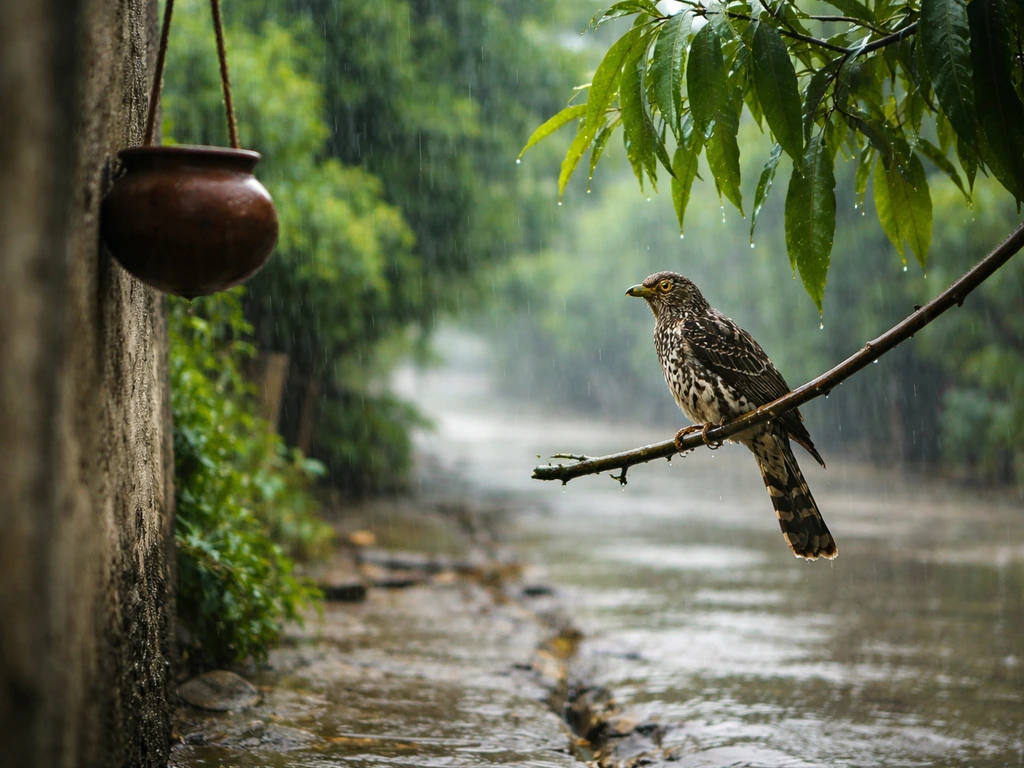
In Gujarati everyday speech, 'papiha' is not a word you use to describe a random bird you spotted. In Marathi, this same bird-name is understood through the quail bird meaning in marathi idea tied to the papiha/Chatak symbolism. It is a culturally loaded term that signals the monsoon season and a particular kind of emotional atmosphere. When someone says 'પપીહો બોલ્યો' (the papiha called), the implicit meaning is that rain is near, or that the season of longing and beauty has arrived. Two concrete examples from Gujarati folk song lyrics make this vivid.
The monsoon song 'Vadaldi Varsi Re' places 'पापी पंछी' and 'પપીહા' directly alongside 'કોયલ' (koel) in a sequence of rain-season bird calls, signalling that the papiha's voice is part of the sonic landscape of the monsoon. Similarly, the popular Gujarati song 'Room Zoom' uses 'બોલે પપીહા' (the papiha sings) as a monsoon-mood image.
In classical Gujarati poetry, the bird most often appears under its Sanskrit-derived name ચાતક (Chatak), which is the same bird. Gujaratilexicon hosts gazal and poetic content built around the Chatak motif, and because Gujarati lexicons explicitly map ચાતક to પપિહા, you can treat them as interchangeable in literary contexts. The emotional register is always the same: waiting, yearning, the pain of unfulfilled desire, and the joy of the monsoon's eventual arrival.
Symbolism and Cultural Meaning of the Papiha in Indian Tradition
Across Hindi, Sanskrit, Gujarati, and Urdu traditions, the papiha carries one of the most consistent symbolic identities of any Indian bird. The core motifs are monsoon, thirst, and longing. A Sanskrit research paper on the Chatak (papiha) explicitly states the belief that this bird drinks only rainwater and refuses all other water, waiting solely for the rain to fall directly into its open beak.
If you are also searching for the meaning of a related “quail bird” term in Nepali, look for the correct Nepali word and usage in context quail bird meaning in nepali. This makes it the supreme emblem of pure longing: it will not compromise, it will not settle for less, it waits only for the one thing it truly desires.
- Monsoon arrival: the bird's migratory call marks the beginning of the rainy season, linking it to renewal and fertility
- Unconditional longing: it drinks only rainwater, symbolizing a love or devotion that accepts no substitute
- Swati Nakshatra: folk belief holds that the papiha specifically yearns for a drop of rain falling during the Swati lunar mansion, which is considered the most auspicious rain; a pearl forms inside an oyster when this drop falls into the sea
- Lover's separation (viraha): in Braj poetry, Urdu ghazals, and Gujarati kavitas, the papiha is the archetypal separated lover calling out in the night
- Spring and mango trees: the bird's association with the mango grove in spring connects it to beauty, romance, and the arrival of good fortune
Wisdomlib's entry for Papīhā frames the bird as emblematic of Indian love-songs precisely because of this lovelorn, waiting quality. It appears in classical Sanskrit poetry, in Bhakti literature as a metaphor for the soul's longing for the divine, and in popular folk songs as the voice of romantic yearning. The papiha is not a sad symbol in the mournful Western sense: its cry is beautiful, and the longing it represents is considered a mark of devotion and purity of feeling.
The Papiha in Mythology and Folk Belief

The most vivid folk belief surrounding the papiha is the Swati nakshatra story. In Indian astrology, Swati is one of the 27 lunar mansions, and the rain that falls when the moon is in Swati is considered extraordinarily pure and auspicious. Folk tradition holds that the papiha/Chatak opens its beak to the sky during this moment and waits to catch a single drop of Swati rain. A Poshampa.org essay on classical poetry describes this directly: 'चातक (पपीहा)' waits specifically for Swati-nakshatra water and will accept nothing else. A Hindi poem titled 'Bund aur Papīhā' (The Drop and the Papiha) by StoryMirror brings together exactly these images: Swati, the papiha's thirst, and the falling drop, making them a complete literary unit.
In seasonal mythology, the papiha is the herald of the monsoon in the same way the cuckoo (koel) heralds spring. Poets and singers would structure the calendar of moods around these bird-voices: the koel's call in spring meant desire awakening, and the papiha's call as the monsoon clouds built meant anticipation and longing reaching its peak. In Gujarati folk songs about rain (varsha geet), the papiha appears alongside the koel and the peacock as part of a trio of monsoon birds, each with its own emotional register. Because of this seasonal role, hearing the papiha's call is also considered an auspicious sign that rains will arrive, making it practically significant in agricultural communities as well as poetically significant in urban literary culture.
How to Confirm the Exact Bird You Mean
If you are reading a Gujarati text and want to be sure which actual bird 'papiha' refers to, the most reliable approach is to check the context for the three key signals: monsoon season, mango trees, and a beautiful melodic call. If all three are present, the reference is almost certainly to the Jacobin Cuckoo (Clamator jacobinus, also known in older literature as Cuculus melanoleucus), the bird equated with the Chatak in classical sources. In Hindi, this same bird is commonly discussed through the quill bird meaning in hindi idea linked to Chatak and the monsoon symbolism. This is a black-and-white crested cuckoo that migrates to India with the monsoon front and is heard from April through September.
- Check the Gujarati lexicon definition: Gujaratilexicon explicitly maps 'પપિહા' to 'ચાતક' (Chatak), so if your source is Gujarati, that is the primary identity
- Look up the scientific name: Clamator jacobinus (Jacobin Cuckoo) or Cuculus melanoleucus (from older classifications) is the standard ornithological match for the Chatak/papiha identity in Indian bird literature
- Cross-check with Salim Ali's 'The Book of Indian Birds': this is still the gold standard for matching Hindi/Gujarati folk names to species; it lists Papiya and Chatak as Hindi names for the rain-heralding cuckoo
- If the call is described as 'pee kahan' or 'brain fever': the bird is more likely the Common Hawk-Cuckoo (Hierococcyx varius), which in Gujarati is closer to 'બપૈયો' (bapaiyyo) than to 'papiha,' even though people sometimes use the names loosely
- For a Swati-nakshatra or classical poetry context: the reference is always the Jacobin Cuckoo/Chatak regardless of local dialect variation
Common Confusions and Similar Bird Terms in Gujarati
The biggest source of confusion is the overlap between 'papiha,' 'koel,' and 'bapaiyyo' in casual Gujarati usage. All three are cuckoo-family birds, all three are associated with seasonality and pleasant calls, and all three appear in folk songs about rain and romance. The koel (Asian Koel, Eudynamys scolopaceus) sings before and during the monsoon, arrives with pre-monsoon warmth, and is called 'કોયલ' (koyal) in Gujarati, so it is fairly distinct in name. However, in song lyrics you will sometimes see koyal and papiha listed side by side as near-synonyms for 'the bird that sings in the rain,' which blurs their identities.
The 'bapaiyyo' (બપૈયો) confusion is subtler. The Gujarati Vishwakosh entry on bapaiyyo connects it to the brainfever bird (Common Hawk-Cuckoo), yet the emotional and seasonal associations of bapaiyyo and papiha overlap heavily in folk speech. Some Gujarati speakers use 'papiha' and 'bapaiyyo' almost interchangeably when they mean 'that monsoon cuckoo with the repeating call.' If precision matters, know that the classical definition in Gujaratilexicon reserves 'papiha' for the Chatak/Jacobin Cuckoo identity, while 'bapaiyyo' leans toward the hawk-cuckoo.
Spelling variants are another common stumbling block. The word appears as papiha, papīhā, papiya, pappīhā, पपीहा (Hindi Devanagari), پپیہا (Urdu), and પપિહા or પપીહા in Gujarati. These are all the same bird-name family. The difference in vowel length or diacritics between 'papiha' and 'papīhā' is a romanization convention, not a different word. Similarly, 'papiya' (as recorded by Salim Ali) is simply an older or dialectal pronunciation of the same term.
If you are exploring similar bird terminology in Gujarati, the kite bird in Gujarati and the crane bird in Gujarati follow a comparable pattern of having folk names rooted in behavior and symbolism rather than strict ornithological taxonomy, which can create the same kind of identification ambiguity. In the same way, you can look up the kite bird meaning in Gujarati to understand how Gujarati folk usage links bird names to behavior and symbolism. In Gujarati, the crane bird meaning is often interpreted through its behavior and seasonal symbolism, much like how papiha is understood in cultural terms the crane bird in Gujarati. For the papiha specifically, though, the Gujarati-to-Gujarati lexicon definition is unusually clear: it equals ચાતક, it sings in the monsoon from mango trees, and everything else in its cultural meaning flows directly from that identity.
FAQ
If I see “પપીહો બોલ્યો” in a Gujarati poem, which bird should I assume it means?
In Gujarati writing, “પપીહો બોલ્યો” or “પપિહા બોલે” usually points to the Chatak (ચાતક) identity, meaning the monsoon is near and the bird’s melodious call is part of the rain-season soundscape. If the line also mentions mango trees, spring, or monsoon clouds, it becomes even more likely.
Do different spellings like પપીહા and પપિહા mean different birds?
Yes, spelling can change without changing meaning. Variants like પપિહા, પપીહા, papīhā, or pappīhā are romanization or transcription styles, not different Gujarati words. Treat them as the same term, then use context to confirm whether it is the Chatak/Jacobin cuckoo or the related hawk-cuckoo folk label (bapaiyyo).
How can I tell in Gujarati text whether ‘papiha’ is the Chatak/Jacobin cuckoo or the brainfever hawk-cuckoo?
If a text uses “papiha” with explicit monsoon timing and the expectation of rainwater, it is almost always the Chatak/Jacobin cuckoo reading. If the text instead focuses on an insistent “pee kahan” style call or directly uses the related folk term “બપૈયો,” you may be looking at the hawk-cuckoo overlap. Context beats dictionary alone when folk synonyms are mixed.
Why do some lyrics list ‘koyal’ and ‘papiha’ together if they are both monsoon birds?
Don’t rely only on the generic idea “cuckoo-family bird.” “Koel” (કોયલ) and papiha both appear in rain-season songs, but koel is tied more to pre-monsoon warmth and a distinctive call tradition. When both appear in the same lyric, their roles are usually separated by season cue (koel as earlier, papiha as monsoon arriving) and emotional mood.
Is the idea that the bird drinks only rainwater something I should expect to see in real life?
In practical everyday Gujarati, the “pure longing” symbolism is more literary than scientific. The key cultural claim is that the Chatak is portrayed as waiting specifically for rain, but real sightings depend on species and behavior, so treat the rain-only detail as a poetic belief rather than a guaranteed field guide trait.
What’s the safest way to interpret ‘બપૈયો’ versus ‘પાપિહા’ in casual Gujarati?
“Bapaiyyo” (બપૈયો) is more likely to be the brainfever hawk-cuckoo in the folk-to-reference mapping, while “papiha” is the Chatak/Jacobin cuckoo in the clearest Gujarati dictionary equation. However, some speakers blur them in casual speech, so if the phrase is vague, look for call description, season timing, or explicit naming alongside “ચાતક” or “બપૈયો.”
If the text says ‘ચાતક’ instead of ‘પપિહા,’ does the meaning change?
If a Gujarati verse uses “ચાતક” instead of “પપિહા,” you should treat it as the same motif in classical usage, because Gujarati references commonly equate ચાતક to પપિહા. The emotional register in both is typically yearning and rain-anticipation, so you can translate meaning through symbolism even when the name differs.
How should I translate ‘papiha’ into English so I don’t lose the cultural meaning?
When translating to English, avoid oversimplifying to just “cuckoo.” A closer meaning often needs two layers: the bird identity (Chatak/Jacobin cuckoo motif) and the cultural symbolism (monsoon call, thirst, longing). In a translation, you can reflect this by choosing phrasing like “monsoon-calling rain-bird” rather than only “cuckoo.”
Next Articles
Bird Beak Meaning in Hindi: Chonch, Bill, Pronunciation
Bird beak in Hindi chonch or bill, pronunciation, examples, beak vs bill differences, and figurative Hindi use
Bird Pankh in English Meaning: Wings or Feathers?
Learn bird pankh in English meaning: pankh means feathers or wings, with context rules, examples, and regional equivalen
Bird Peck Meaning in Hindi: Translation, Examples
bird peck meaning in Hindi: pecking, pecks at, pecked action और वाक्य उदाहरण, साथ ही शब्द चयन व tense guide