
"Wise old bird" means a person who is experienced, shrewd, and not easily fooled, someone who has seen enough of life to know better. In Hindi, the most natural and context-accurate equivalent is "समझदार और अनुभवी व्यक्ति" (samajhdaar aur anubhavi vyakti), but depending on your context, you might reach for something more idiomatic like "चतुर बुजुर्ग" (chatur bujurg) for a clever elder, or "बुद्धिमान पथप्रदर्शक" (buddhimaan pathpradarshak) for a mentor-like wise guide. The exact phrase shifts based on whether you're translating a children's story, a proverb, or a compliment about someone's street wisdom.
Wise Old Bird Meaning in Hindi and Symbolism Explained

Rajesh Sharma
6 May 2026

What "wise old bird" actually means and how it's used

The phrase "wise old bird" is a colloquial English idiom. It describes a person, usually older, who is perceptive, experienced, and hard to deceive. The word "bird" here is not literal: it's a light, slightly affectionate way of referring to a person, the same way you might call someone an "old fox" or a "clever fellow." Collins Dictionary lists "old bird" as an established phrase, often used in the plural as in "wiser old birds" to mean seasoned people with good judgment.
The phrase has a well-known nursery rhyme connection too. The English poem "A Wise Old Owl" (first published in Punch on April 10, 1875) ends with the line "Now, wasn't he a wise old bird?" and its moral is about listening more and speaking less. So when someone calls another person a "wise old bird," they often mean someone who is observant, reflective, and judicious, not just old. The wisdom comes from experience and quiet shrewdness, not age alone.
In everyday speech, "wise old bird" can function as a genuine compliment ("She's a wise old bird, she saw that coming from miles away") or as a mildly ironic, affectionate label. It is almost never used as a serious insult. Understanding this tone is important before you translate it into Hindi, because the right phrase depends entirely on what register you're working in.
Hindi translation options: common phrases vs. the literal route
There is no single fixed Hindi idiom that maps exactly onto "wise old bird," so here you have to choose based on context. Below are the most useful options, from the most natural to the most literal.
| Hindi Phrase | Transliteration | Best Used When | Tone |
|---|---|---|---|
| समझदार और अनुभवी व्यक्ति | samajhdaar aur anubhavi vyakti | General contexts, everyday conversation | Neutral, clear |
| चतुर बुजुर्ग | chatur bujurg | Describing a clever, experienced elder | Warm, slightly informal |
| बुद्धिमान पथप्रदर्शक | buddhimaan pathpradarshak | Mentor archetype, story or literary context | Formal, respectful |
| घाघ इंसान | ghaagh insaan | Shrewd, worldly-wise person not easily fooled | Colloquial, punchy |
| ज्ञानी बुजुर्ग पक्षी | gyaani bujurg pakshi | Literal translation, children's stories, fables | Literal, storybook register |
| चतुर समझदार चिड़िया | chatur samajhdaar chidiya | Direct bird reference in a story or nursery rhyme | Literal, playful |
The most idiomatic everyday choice is "घाघ इंसान" (ghaagh insaan). "घाघ" is a Hindi word that captures exactly the flavour of "wise old bird": someone cunning, experienced, and not easily tricked. It has the same slightly affectionate-yet-shrewd edge that the English phrase carries. If you are writing a children's story or translating the nursery rhyme, then "ज्ञानी बुजुर्ग पक्षी" or "चतुर समझदार चिड़िया" works because you want the literal bird to stay in the picture.
What about using उल्लू (the owl)?
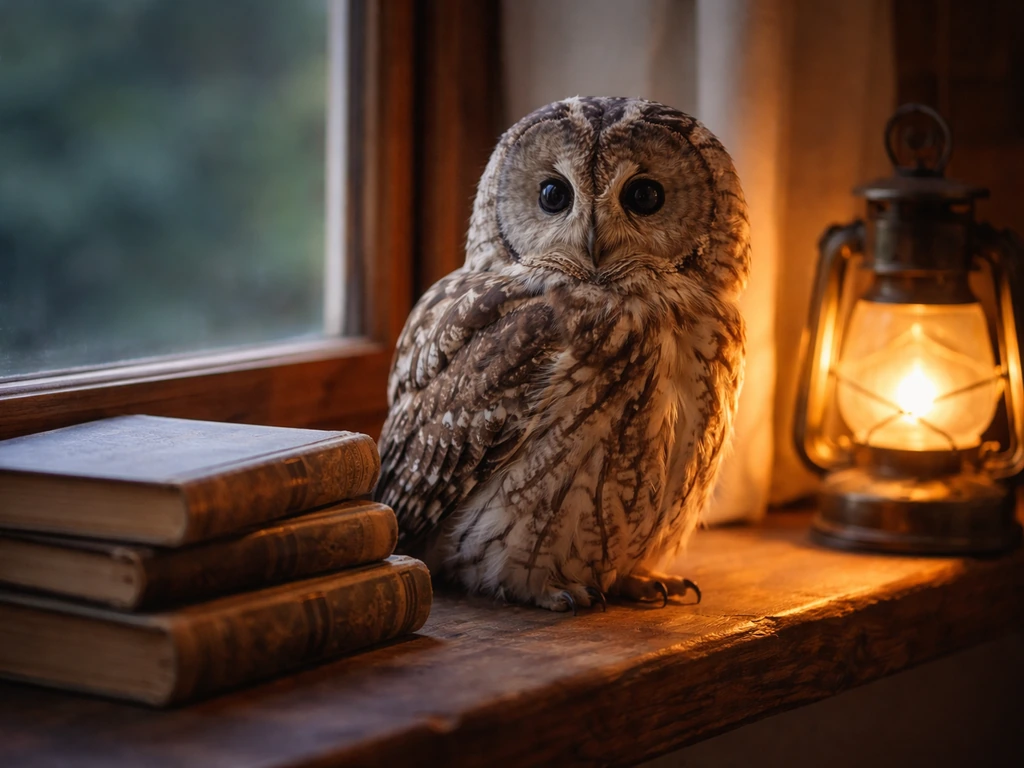
The owl (उल्लू, ullu) is the bird most associated with wisdom in English tradition, and in the nursery rhyme it is an owl that is the "wise old bird." However, in everyday Hindi idiom, उल्लू almost always carries a negative connotation. Calling someone an उल्लू means calling them a fool. blank" rel="noopener noreferrer">Idioms like "उल्लू बनाना" (to make a fool of someone) and "अपना उल्लू सीधा करना" (to serve one's own selfish purpose) dominate its idiomatic use. blank" rel="noopener noreferrer">Rekhta's idiom listings confirm this pattern. So unless you are specifically working in a Panchatantra-style fable or a children's story where the wise-owl trope is clearly set up, avoid translating "wise old bird" as उल्लू. It will likely be misread as an insult.
Cultural and symbolic meanings of the "old wise bird" in Indian tradition
The idea of a bird as a carrier of wisdom and counsel runs deep in Indian storytelling. The Panchatantra, one of the oldest collections of practical wisdom stories in the world, frequently uses birds as characters who advise, warn, and teach. The owl (उल्लू) and crow (कौआ) appear together in Panchatantra tales as rival counsel-givers, with the crow often representing clever street wisdom. The structure of these stories maps almost perfectly onto the English "wise old bird" idea: a bird with experience gives advice that, if followed, leads to survival or success.
The Jataka tales of Buddhist tradition take this further. The Kukkuta Jataka (stories no. 209, 383, and 448) features a wise bird that outsmarts a farmer through shrewdness and caution. In this context, "wise bird" functions as a full archetype: a shrewd agent who anticipates danger and acts with measured care. This is why in Hindi, when translating "wise old bird" in a fable or teaching context, phrases that emphasise "चतुर" (cunning-wise) and "सावधान" (cautious-alert) are often more accurate than simply "बुद्धिमान" (intellectual-wise).
The हंस (hans, swan or goose) holds a special place in Sanskrit and Hindi as a symbol of discernment and purity. As the vehicle (वाहन) of Saraswati, the goddess of knowledge, the हंस is associated with the ability to separate truth from illusion (the mythological ability to separate milk from water). In poetry and classical writing, calling something "हंस-बुद्धि" (hans-buddhi) evokes refined wisdom and discrimination. This makes हंस a more poetic and culturally loaded alternative when you want to convey the "wisdom" dimension of "wise old bird" in a literary or spiritual context, though it is too formal for casual conversation.
The "wise old man" archetype (the mentor figure who gives sound guidance) is also well established in Indian tradition through characters like sage Vishwamitra in the Ramayana or the Brahmin advisors of Panchatantra. Hindi readily maps "wise old bird" onto this archetype when it refers to a person rather than an actual bird, giving you phrases like "बुद्धिमान गुरु" (wise teacher-guide) or simply "अनुभव का भंडार" (a storehouse of experience).
Related bird idioms, proverbs, and archetypes in Indian languages
Bird idioms in Hindi and related Indian languages are rich and varied. Understanding a few of them helps you place "wise old bird" in its proper neighbourhood.
- "काबिल उल्लू" (kaabil ullu): In story contexts (not everyday speech), sometimes used humorously for a surprisingly capable or perceptive person, though the negative default meaning of उल्लू always lurks nearby.
- "घाघ" (ghaagh): Derived from the name of the legendary Hindi poet-sage Ghagh, who was famous for his folk proverbs and weather-wisdom sayings. Calling someone a घाघ is the closest Hindi everyday equivalent to "wise old bird."
- "चालाक कौआ" (chaalak kauwa): The clever crow is a recurring character in Indian fables, representing street-smart wisdom (as in Aesop's crow and pitcher story, which has Panchatantra parallels). This is more about cunning than elder wisdom.
- "हंस-बुद्धि" (hans-buddhi): Used in classical and poetic registers to mean refined discernment, the ability to tell good from bad or truth from falsehood.
- "सूझ-बूझ वाला बुज़ुर्ग" (soojh-boojh waala bujurg): Not a bird idiom at all, but the most natural everyday Hindi phrase for the human archetype behind "wise old bird," meaning an elder with practical insight and good judgment.
If you enjoy exploring bird-based idioms in Hindi, this space is surprisingly large. There are related discussions on how idioms like "a little bird told me" translate into Hindi and how rare-bird expressions carry cultural weight across Indian languages, all of which share this same blend of folklore, symbolism, and everyday speech. If you are specifically looking for the rare bird idiom meaning in Hindi, you will want to match the exact English wording to the closest natural Hindi expression. Once i saw a little bird meaning in hindi, you can use it as a quick comparison point for how bird imagery carries meaning across languages. If you are also wondering about “a little bird told me” idiom meaning in Hindi, the idea usually comes across as a polite way to say you heard it indirectly idioms like "a little bird told me". In Hindi, the phrase “i cried little bird” is often explained by its emotional context rather than a direct word-for-word equivalent i cried little bird meaning in hindi.
How to pick the right Hindi equivalent for your specific context
The single biggest mistake people make when translating "wise old bird" into Hindi is choosing one phrase without thinking about register. Here is a simple decision path to get it right.
- Are you translating a children's story or nursery rhyme where a literal bird character is wise? Use "ज्ञानी बुजुर्ग पक्षी" or "चतुर समझदार चिड़िया." Keep the bird in the translation because the story needs it.
- Are you calling a person experienced and hard to fool in everyday conversation? Use "घाघ इंसान" or "समझदार और अनुभवी व्यक्ति." These land naturally and carry no risk of misreading.
- Are you writing something literary, poetic, or culturally layered, where you want to evoke Indian symbolic tradition? Consider "हंस-बुद्धि" or "बुद्धिमान पथप्रदर्शक" for the elder-mentor tone.
- Are you translating a Panchatantra or Jataka-style fable? Use "चतुर बुजुर्ग पक्षी" and pair it with actions that show the bird is cautious and observant, since that is what these stories actually mean by "wise."
- Are you tempted to use उल्लू because you know it means owl and owls are the "wise old bird" in English? Stop. Unless the entire story context has already established the owl as a wise figure, default to one of the options above.
Example sentences and quick language tips
Seeing the translations in actual sentences makes their differences much clearer. Here are examples across the main contexts.
| English Sentence | Hindi Translation | Phrase Used |
|---|---|---|
| He's a wise old bird, you won't fool him easily. | वह एक घाघ इंसान है, उसे आसानी से मूर्ख नहीं बना सकते। | घाघ इंसान |
| The wise old bird sat at the top of the oak tree and watched. | वह ज्ञानी बुजुर्ग पक्षी बरगद के पेड़ की चोटी पर बैठकर देखता रहा। | ज्ञानी बुजुर्ग पक्षी |
| My grandfather was a wise old bird who always knew what to do. | मेरे दादाजी एक समझदार और अनुभवी व्यक्ति थे जो हमेशा जानते थे क्या करना है। | समझदार और अनुभवी व्यक्ति |
| The wise old bird in the Jataka tale outsmarted the farmer. | जातक कथा में चतुर बुजुर्ग पक्षी ने किसान को मात दे दी। | चतुर बुजुर्ग पक्षी |
| She has the discernment of a hans, a true wise old bird. | उसमें हंस जैसी बुद्धि है, सच्चा ज्ञान और विवेक। | हंस-बुद्धि |
A few quick tips to keep in mind: First, "घाघ" is your go-to for the colloquial, punchy version. It is already a proverb-maker's name in Hindi folk tradition, so it carries cultural weight without sounding bookish. Second, if you want to retain the bird imagery for stylistic reasons, "चिड़िया" (chidiya) is more universally neutral than "पक्षी" (pakshi) in casual speech, but both work in written Hindi. Third, the moral of the English nursery rhyme, which is about listening more and speaking less, translates beautifully into the Hindi proverb spirit of "कम बोलो, ज़्यादा सुनो" (kam bolo, zyaada suno), and pairing that sentiment with your translation gives it an authentically Indian resonance.
Finally, if you are working with children's content or educational material, it is worth knowing that the "wise old bird" idea has a direct parallel in how the Panchatantra presents its bird-counsel stories: the wisdom is always practical, always tested by experience, and always earns its authority through observing the world carefully. That is exactly what "wise old bird" means in English too, and that shared spirit is the bridge that makes these translations work.
FAQ
“Wise old bird” को हिंदी में compliment की तरह कैसे लिखें ताकि किसी को insult न लगे?
अगर आप तारीफ जैसा tone रखना चाहते हैं, तो “समझदार और अनुभवी व्यक्ति” या “अनुभवी समझदार” जैसे neutral विकल्प चुनें, और “घाघ” इस्तेमाल करें तो उसे affectionate context में ही रखें (जैसे “वो तो घाघ इंसान है, पहले ही समझ गया”). “उल्लू” से बचें, क्योंकि वह हिंदी में अक्सर गाली जैसे अर्थ में समझा जाता है।
क्या “wise old bird” उम्र पर ज्यादा जोर देता है, या character trait पर?
इडियम में उम्र से ज्यादा ध्यान perception और judgment पर होता है. इसलिए हिंदी में “बुजुर्ग” सिर्फ जरूरत पड़ने पर जोड़ें, वरना “अनुभवी,” “चतुर,” “सतर्क” जैसे गुण-आधारित शब्द अधिक natural बैठते हैं।
अगर वाक्य में “wiser old birds” लिखा हो, तो हिंदी में plural कैसे आएगा?
हिंदी में plural marker अक्सर “कुछ समझदार लोग” या “अनुभवी लोग” की तरह naturally आता है. “wiser old birds” का अर्थ “अधिक समझदार अनुभवी लोग” होता है, शब्दशः “बुजुर्ग पक्षी” कहना आम बोलचाल में awkward लग सकता है।
क्या “wise old bird” का use किसी situation में व्यंग्य (irony) के लिए भी होता है?
हाँ, कुछ संदर्भों में यह mildly ironic affectionate label बन सकता है, पर serious insult के लिए आमतौर पर नहीं. हिंदी में ironical tone देने के लिए आप sentence framing बदल सकते हैं (जैसे “हाँ, आप तो बहुत घाघ/समझदार हैं”), और “कब समझते हो” जैसी implied line add कर सकते हैं।
क्या “wise old bird” को “बुद्धिमान” के साथ हमेशा translate किया जा सकता है?
नहीं. “बुद्धिमान” ज्यादा intellectual या ज्ञान-प्रधान लगता है. “wise old bird” में street wisdom और deception से बचने वाली shrewdness भी है, इसलिए “सावधान,” “चतुर,” “समझदार” या “अनुभव से भरा” जैसे गुण जोड़ना बेहतर रहता है।
अगर मैं बच्चों की कहानी में bird imagery बनाए रखना चाहता हूं, तो कौन सा शब्द ज्यादा सही रहेगा?
बच्चों की narration में “चिड़िया” अक्सर ज्यादा हल्का और relatable होता है, जबकि “पक्षी” थोड़ा formal हो सकता है. अगर आपके text में owl trope स्पष्ट है, तभी “उल्लू” चुनें, वरना audience इसे गलत अर्थ में ले सकती है।
“owl” (उल्लू) के negative connotation से कैसे बचूं, फिर भी “wise owl” idea रखना हो?
ऐसे मामले में आप “बुद्धिमान उल्लू” नहीं, बल्कि bird-character को neutral संदर्भ में introduce कर सकते हैं, जैसे “एक समझदार पक्षी-रूप उल्लू” और फिर कहानी में उसे सच में mentor की तरह दिखाएं. यदि यह casual conversation है, तो “हंस” या “समझदार पक्षी” जैसी culturally loaded लेकिन neutral imagery ज्यादा सुरक्षित विकल्प है।
अगर संदर्भ Panchatantra-style फेबल है, तो “wise old bird” के लिए हिंदी में सबसे accurate approach क्या है?
फेबल में “कहानी के भीतर” काम करने वाली बुद्धिमत्ता चाहिए, इसलिए “चतुर और सावधान” या “अनुभव से सतर्क” टाइप phrases चुनें. साथ ही सलाह का effect दिखाएं, क्योंकि वही archetype match करता है (सिर्फ ज्ञान नहीं, सही निर्णय).
क्या मैं “hans-buddhi” (हंस-बुद्धि) का casual conversation में इस्तेमाल कर सकता हूं?
आम तौर पर यह ज्यादा poetic और formal श्रेणी का है, इसलिए daily talk में यह भारी या unusual लग सकता है. इसे किसी लेखन, कविता, या spiritual-literary संदर्भ में रखें, casual compliment में नहीं।
“Wise old bird” का हिंदी में proverb-mood कैसे बनाया जा सकता है?
आप nursery rhyme moral को proverb spirit में जोड़ सकते हैं, जैसे “कम बोलो, ज़्यादा सुनो” वाली भावना के साथ, और अपने वाक्य में “अनुभव से” या “देखकर” जैसी grounding line डालें. इससे proverb-mood बनेगा और translation केवल literal नहीं लगेगा।
Next Articles
Bird Beak Meaning in Hindi: Chonch, Bill, Pronunciation
Bird beak in Hindi chonch or bill, pronunciation, examples, beak vs bill differences, and figurative Hindi use
Bird Pankh in English Meaning: Wings or Feathers?
Learn bird pankh in English meaning: pankh means feathers or wings, with context rules, examples, and regional equivalen
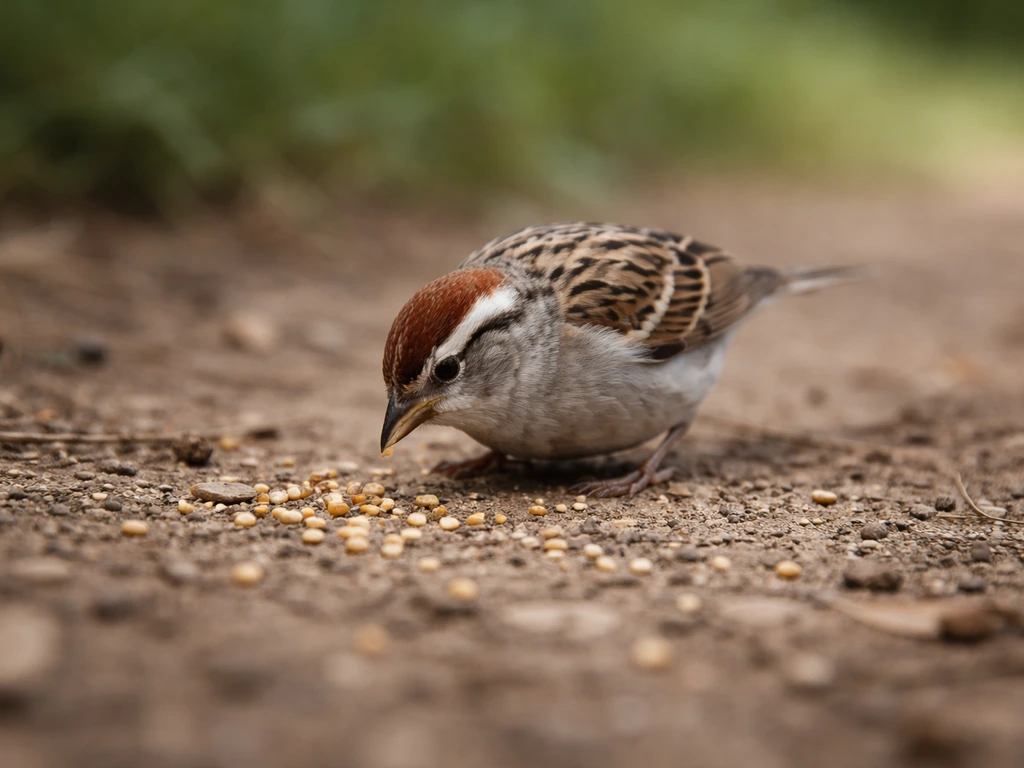
Bird Peck Meaning in Hindi: Translation, Examples
bird peck meaning in Hindi: pecking, pecks at, pecked action और वाक्य उदाहरण, साथ ही शब्द चयन व tense guide