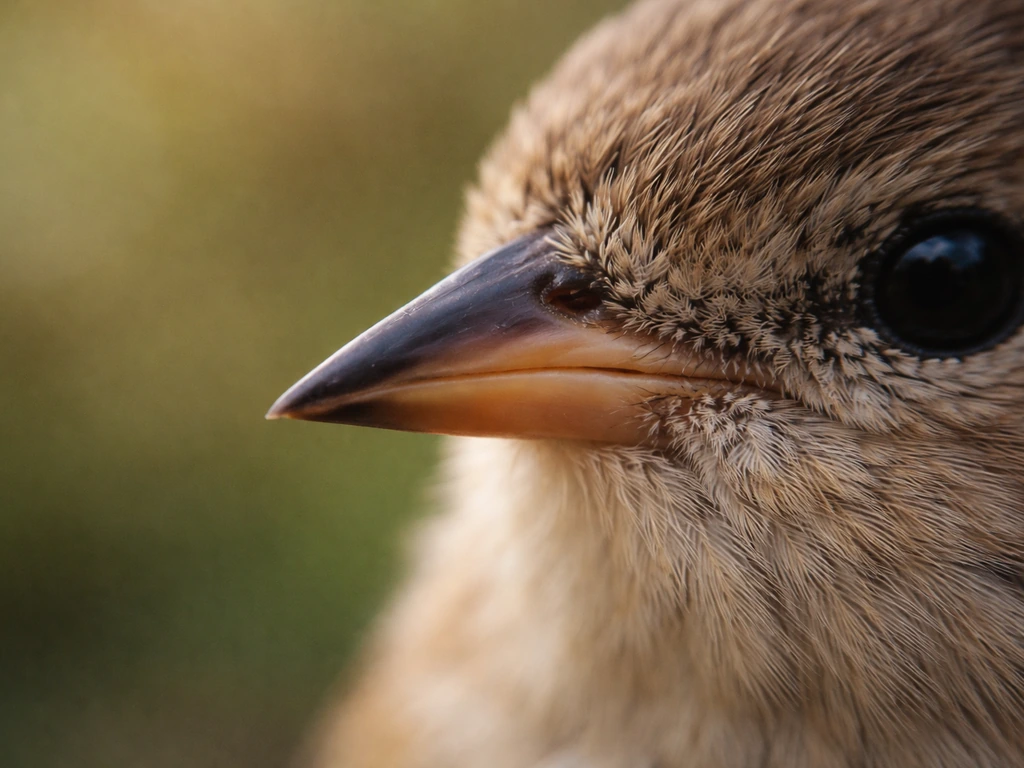
The direct Hindi translation of "bird" is पक्षी (pakshī). That is the word you will find in dictionaries, textbooks, and formal Hindi writing. But if you are trying to understand how real people actually say "bird" in everyday Hindi conversation, you need to know at least four or five words, because Hindi speakers switch between them depending on context, register, and even the region they come from.
Bird Hindi Meaning: शब्दार्थ, पर्यायवाची और उदाहरण

Rajesh Sharma
7 Apr 2026

The direct Hindi translation and how people actually use it

पक्षी (pakshī) is the standard, dictionary-correct word for bird. It is gender-neutral in formal usage and works in both singular and plural contexts. You will hear it in news broadcasts, school textbooks, and formal speech. In everyday spoken Hindi, though, most people reach for चिड़िया (chidiyā) instead, especially when talking about small, common birds like sparrows or pigeons. चिड़िया is a feminine noun (संज्ञा स्त्रीलिंग) and carries a warmer, more familiar tone, the kind you use when pointing at a bird on a wire or telling a child to look at the bird on the windowsill.
Then there is परिंदा (parindā), which comes from the Persian-rooted Hindustani vocabulary. Its etymology traces back to the verb parīdan, meaning "to fly," so at its root परिंदा literally means "the one that flies." This word is heavily used in Urdu-inflected Hindi, in poetry, ghazals, and films. When a song says "परिंदे वापस आएंगे" (the birds will return), it carries an emotional, poetic weight that पक्षी simply does not.
पंछी (pañchī) and पखेरू (pakherū) are two more words you will encounter. पंछी is the softer, colloquial form of पक्षी and is extremely common in folk songs and children's literature across the Hindi belt. पखेरू is more regional and literary, used in poetry and older prose. If someone calls a bird a पखेरू, they are drawing on a rich, almost nostalgic register of Hindi.
Breaking down the words: पक्षी vs परिंदा vs चिड़िया
Understanding why Hindi has so many words for "bird" actually tells you a lot about the language itself. Hindi draws from Sanskrit, Persian, and regional dialects, and each layer left its own word for bird.
| Hindi Word | Pronunciation | Origin | Register / Typical Use |
|---|---|---|---|
| पक्षी | pakshī | Sanskrit (पक्ष = wing/side) | Formal, textbook, news, standard Hindi |
| चिड़िया | chidiyā | Hindi/Prakrit | Everyday speech, small birds, informal contexts |
| परिंदा | parindā | Persian/Urdu (parīdan = to fly) | Poetic, Urdu-inflected Hindi, films, songs |
| पंछी | pañchī | Colloquial form of पक्षी | Folk songs, children's literature, casual speech |
| पखेरू | pakherū | Old Hindi/Braj | Literary, regional, nostalgic poetry |
| विहग / खग | vihag / khag | Sanskrit | Classical Sanskrit literature, hymns |
The Sanskrit root of पक्षी is पक्ष (paksha), meaning wing or side. So पक्षी literally means "the winged one" or "one who has wings." The Rekhta Dictionary connects पक्षी to the semantic field of पंख (wings) and flying creatures, which is exactly what its Sanskrit etymology predicts. The Rekhta Dictionary is used to connect word meanings and etymological or semantic fields, including linking पक्षी with related wings and flying creature meanings The Rekhta Dictionary connects पक्षी. चिड़िया, on the other hand, has no grand etymology to speak of. It is simply the word Hindi settled on for the everyday, small bird you see every day, and that familiarity is its strength.
A quick note on synonyms used in Hindi grammar exercises: HindiVyakran lists the paryayvachi (पर्यायवाची, synonyms) of पक्षी as पंछी, विहग, खग, पखेरू, परिंदा, चिड़िया, and शकुंत, among others. If you are studying Hindi formally, memorizing a few of these will make you sound much more fluent and help you understand poetry and classical texts.
Related Hindi vocabulary for birds you will actually use

Once you know the word for bird, the next step is building vocabulary around it. Here are the most practical bird-related terms in Hindi:
- शिकारी पक्षी (shikārī pakshī) — bird of prey / raptor ("शिकारी" means hunter)
- प्रवासी पक्षी (pravāsī pakshī) — migratory bird
- जलपक्षी (jal-pakshī) — water bird / waterfowl
- घोंसला (ghonslā) — nest
- चोंच (conc) — beak / bill
- पंख (pankh) — wing / feather
- चहचहाना (cahcahānā) — to chirp or twitter (the sound birds make)
- उड़ना (udnā) — to fly
- पिंजरा (pinjrā) — cage
- बच्चा (baccā) — chick / young bird (also used for any young animal)
The sound a bird makes is described in Hindi as चहचहाहट (cahcahāhat) or चहचहाना, and if you want to understand how that sound is named and used in language, it connects closely to the concept of bird chirp meaning in Hindi, which dives deeper into the vocabulary around bird calls and their cultural resonance.
For birds of prey specifically, the term शिकारी पक्षी is standard, but you will also hear बाज़ (bāz) for falcon/hawk and गिद्ध (giddh) for vulture used independently as nouns rather than compound descriptions.
Birds in Indian culture: what they symbolize in Hindi-speaking traditions
In Indian tradition, birds are never just animals. They carry omens, messages, and divine associations that have been woven into daily life for centuries. Vastu Shastra, the ancient Indian system of spatial harmony, has a lot to say about which birds are auspicious (शुभ) and which are inauspicious (अशुभ) when they appear near a home. For example, a peacock (मोर) visiting your garden is considered a blessing, while an owl (उल्लू) perching on your roof at night has long been associated with ill fortune in folk belief, even though the owl is also the vehicle (वाहन) of Goddess Lakshmi, which complicates the picture considerably. The Smithsonian (Asia) collections explainer on peacock symbolism discusses the peacock as a cultural motif, helping frame why it carries such meaning in traditions peacock (मोर) visiting your garden is considered a blessing.
The crow (कौआ, kauā) holds a particularly layered place in Hindi-speaking culture. During Pitru Paksha, the fortnight of ancestral rites, crows are believed to carry the souls of ancestors, and feeding a crow is considered an act of reverence. The pigeon (कबूतर, kabutār) is generally seen as peaceful and associated with love and loyalty. And then there is the cuckoo (कोयल, koyal), whose song in spring is one of the most celebrated sounds in Hindi poetry and folk music, symbolizing longing, love, and the arrival of better times.
Bird-related omens extend even to specific encounters. The idea that a bird leaving its droppings on you might carry a spiritual meaning is actually taken seriously in folk tradition. If you have come across references to bird poop on right shoulder meaning in Hindi, you already know this is not just superstition for most people but a genuine cultural interpretive framework with regional variations.
Legendary and mythological birds in Indian tradition

No discussion of bird meanings in Hindi would be complete without the mythological birds that shaped how Indians have always thought about these creatures. These are not just fairy tales. They are embedded in the names, idioms, and cultural DNA of the language.
गरुड़ (Garuḍ) is perhaps the most important mythological bird in Hindu tradition. He is the divine eagle who serves as the vehicle (वाहन) of Lord Vishnu (भगवान विष्णु). Garuda represents speed, power, and devotion. His name appears in Sanskrit texts, temple architecture, and even in modern Indian contexts, from the national emblem's inspiration to airline names. When someone in Hindi says a person is "गरुड़ की तरह उड़ना" (flying like Garuda), the phrase invokes both literal speed and a kind of sacred purposefulness.
मयूर (mayūr), the peacock, is India's national bird and deeply tied to Lord Krishna and Lord Kartikeya (Murugan). Krishna's iconic peacock feather crown makes the मोर/मयूर a universal symbol of beauty, grace, and divine play (लीला). SBS Hindi has written about how the peacock's symbolic resonance stretches from the Panchatantra's animal fables all the way through to modern cultural representation, making it one of the most linguistically and visually referenced birds in Hindi cultural output.
उल्लू (ullū), the owl, serves as Goddess Lakshmi's vehicle, making it simultaneously a symbol of wealth and wisdom and, in folk usage, a mild insult (calling someone an उल्लू means calling them a fool). This double meaning is a perfect example of how the same bird word carries entirely different weights depending on context, exactly the kind of nuance that makes Hindi bird vocabulary so rich.
हंस (hans), the swan or sacred goose, is the vehicle of Goddess Saraswati and represents knowledge, purity, and discernment. In Sanskrit philosophy, the हंस is admired for its legendary ability to separate milk from water, a metaphor for wisdom that distinguishes truth from illusion. The हंस appears constantly in classical Hindi and Sanskrit poetry as a symbol of the enlightened soul.
Beyond these, there are legendary birds like the जटायु (Jatayu), the great vulture from the Ramayana who tried to rescue Sita and whose story is one of the most moving examples of sacrifice in Indian mythology. The चातक (chātak), a bird from Sanskrit poetry that supposedly drinks only rainwater, became a metaphor for single-minded longing and devotion in Hindi and Urdu verse.
Bird words in Hindi idioms and common expressions
Hindi has absorbed bird vocabulary into dozens of idioms and everyday expressions that go well beyond simply naming the creature. Some of the most useful ones:
- "उड़ती चिड़िया के पर गिनना" — to count the feathers of a flying bird; means to be extremely perceptive or sharp-eyed
- "एक पंथ दो काज" — one path, two tasks; the Hindi equivalent of "killing two birds with one stone"
- "चिड़िया उड़ गई" — the bird has flown; means a person or opportunity has escaped
- "परिंदा भी पर नहीं मार सकता" — even a bird cannot flap its wings here; means extreme security or restriction
- "उल्लू बनाना" — to make someone an owl; means to fool or trick someone
- "कोयल की कूक" — the cuckoo's call; used as a metaphor for a sweet, melodious voice
The phrase "bird's eye view" also has a direct Hindi counterpart, and understanding it reveals how spatial and perceptual metaphors translate across languages. The concept of bird eye view meaning in Hindi is used in both literal geographic contexts (an aerial overview) and figuratively, to mean a broad, sweeping understanding of a topic from a distance.
How to use these words correctly in Hindi sentences
Here are practical example sentences to show you how these words work in real Hindi:
- वह एक सुंदर पक्षी है। (Vah ek sundar pakshī hai.) — It is a beautiful bird. [Formal, standard usage]
- देखो, वो चिड़िया कितनी प्यारी है! (Dekho, vo chidiyā kitnī pyārī hai!) — Look, how lovely that bird is! [Informal, everyday speech]
- परिंदे आज़ाद होते हैं। (Parinde āzād hote hain.) — Birds are free. [Poetic, Urdu-flavored Hindi]
- उस पंछी ने घोंसला बना लिया। (Us pañchī ne ghonslā banā liyā.) — That bird has built a nest. [Colloquial, folk register]
- गरुड़ भगवान विष्णु का वाहन है। (Garuḍ Bhagwān Vishṇu kā vāhan hai.) — Garuda is the vehicle of Lord Vishnu. [Mythological/cultural context]
- शिकारी पक्षी ऊंचाई से शिकार देखते हैं। (Shikārī pakshī ūncāī se shikār dekhte hain.) — Birds of prey spot their prey from great heights. [Descriptive, informational]
Notice how the choice of word (पक्षी vs चिड़िया vs परिंदा vs पंछी) changes the tone of the sentence entirely, even though they all technically mean "bird." This is the core skill to develop when working with Hindi bird vocabulary.
Tips for learning bird terminology beyond this single word
If you want to go deeper with Hindi bird vocabulary and actually retain it, here are the most practical approaches I have found to work:
- Learn birds by category first: start with common birds you see every day (sparrow = गौरैया, pigeon = कबूतर, crow = कौआ, parrot = तोता), then move to birds you encounter in poetry and mythology.
- Pay attention to register: ask yourself whether the context is formal, poetic, or conversational, and match your word choice to it. Use पक्षी in writing, चिड़िया in conversation, and परिंदा in anything emotionally expressive.
- Read Hindi poetry and song lyrics: the bird vocabulary in Hindi poetry is incredibly rich, and reading a few ghazals or folk songs will expose you to पखेरू, विहग, खग, and चातक in natural, memorable contexts.
- Use Hindi children's books and folk tales: these are where पंछी and चिड़िया do most of their work, and the repetition in these texts builds vocabulary fast.
- Study idioms in clusters: once you know the base bird words, collect the idioms that use them. Idioms like "उल्लू बनाना" or "चिड़िया उड़ गई" will come up constantly in Hindi media.
- Explore related cultural concepts: bird symbolism is deeply tied to mythology and folk belief in ways that reinforce vocabulary. If you understand why गरुड़ matters to a Hindi speaker, you will never forget that word.
It is also worth understanding that Hindi bird vocabulary is not an isolated topic. Some terms have taken on lives of their own as idioms or metaphors in daily speech. For example, the phrase "bird brain" carries a specific meaning about intelligence (or the lack of it), and exploring the bird brain meaning in Hindi will show you how that English idiom maps onto Hindi expressions about cleverness and foolishness.
Finally, if you have come across the term "bird box" in English contexts and wondered how it relates to Hindi usage, the bird box explained in Hindi covers both its literal meaning (a nesting enclosure for wild birds) and its cultural crossover into Hindi-language discussion, which is a useful companion to the broader vocabulary you are building here.
The bottom line: "bird" in Hindi is primarily पक्षी, but real fluency means knowing चिड़िया for daily conversation, परिंदा for expressive or poetic contexts, and पंछी for folk registers. Add the mythological and cultural layer, and you have not just translated a word but stepped into one of the richest symbolic traditions in any language.
FAQ
Which word should I use in a formal email or school assignment for “bird”?
Use पक्षी (pakshī) when you want a neutral, dictionary like word, and चिड़िया (chidiyā) when you are speaking casually or about small everyday birds. If you are describing birds in general for a report, avoid चिड़िया because it can sound overly personal or childish in formal writing.
Does the Hindi word for “bird” change for singular vs plural?
Yes, you can use पक्षी as well as चिड़िया in both singular and plural meanings, because Hindi often relies on context rather than changing the noun form the way English sometimes does. Still, if you are writing clearly for beginners, add a number word like एक पक्षी, दो पक्षी, or बहुत सारी चिड़िया.
Can I use चिड़िया for any bird, or are there cases where it sounds wrong?
In everyday speech, many speakers treat चिड़िया as “a bird people see around them,” but it can still cover pigeons, sparrows, and similar birds. For larger birds like eagles, hawks, or owls, people more naturally switch to other specific words (बाज़, गिद्ध, उल्लू) or to पक्षी with an adjective.
How do I choose between पक्षी and परिंदा when speaking or writing poetically?
If you want to say “birds” in a poetic or emotional way, परिंदा is the safest choice among the listed options. पक्षी sounds descriptive and general, while परिंदा is more likely to be understood as a lyrical or expressive reference, especially in songs and film dialogue.
Does चिड़िया being feminine affect grammar when I form sentences?
Avoid using the feminine form చिड़िया in grammar exercises unless the sentence structure you use matches feminine agreement in Hindi (for example, use appropriate verb forms and adjectives). In most practical sentences it is fine, but in careful writing, gender affecting words can change.
What is the most natural way to say “a bird chirping” in Hindi?
When you are describing a bird’s sound, use the noun चहचहाहट (the sound) or the verb pattern चहचहाना (to chirp) in natural sentences. If you only translate “chirping bird” word for word, you might end up with awkward Hindi, so better describe the action: चिड़िया चहचहाती है.
Are पक्षी, चिड़िया, परिंदा, पंछी, and पखेरू completely interchangeable?
A common mistake is treating all “bird” synonyms as interchangeable. पंछी is more folk and colloquial, पखेरू is more regional and older literary, and each can shift tone. Choose the register based on your audience, like children’s story (पंछी) versus older narration (पखेरू).
If I mention bird droppings meaning, should I treat it as the same everywhere in India?
If someone says you “caught bird poop,” do not assume a single fixed interpretation in every region. Folk meanings vary by side of the body and local belief, so treat it as culturally sensitive, and if you are writing, avoid presenting one omen as universal truth.
Can I use Garuda, Hans, or Mayur as the generic “bird” word in Hindi?
Yes, mythology terms behave like specific proper nouns. For example, गरुड़, हंस, मयूर, and उल्लू are often used as symbols or names, so you generally do not mix them freely with the generic bird words in the same tone.
How should I say “bird of prey” or “hawk” in natural Hindi?
For “bird of prey,” शिकारी पक्षी is standard, and using specific noun names like बाज़ and गिद्ध makes your Hindi more precise. If you use only पक्षी, listeners may think you mean birds generally, so add context like “of prey” or choose the specific bird name.
Next Article
Bird Beak Meaning in Hindi: Chonch, Bill, Pronunciation
Bird beak in Hindi chonch or bill, pronunciation, examples, beak vs bill differences, and figurative Hindi use