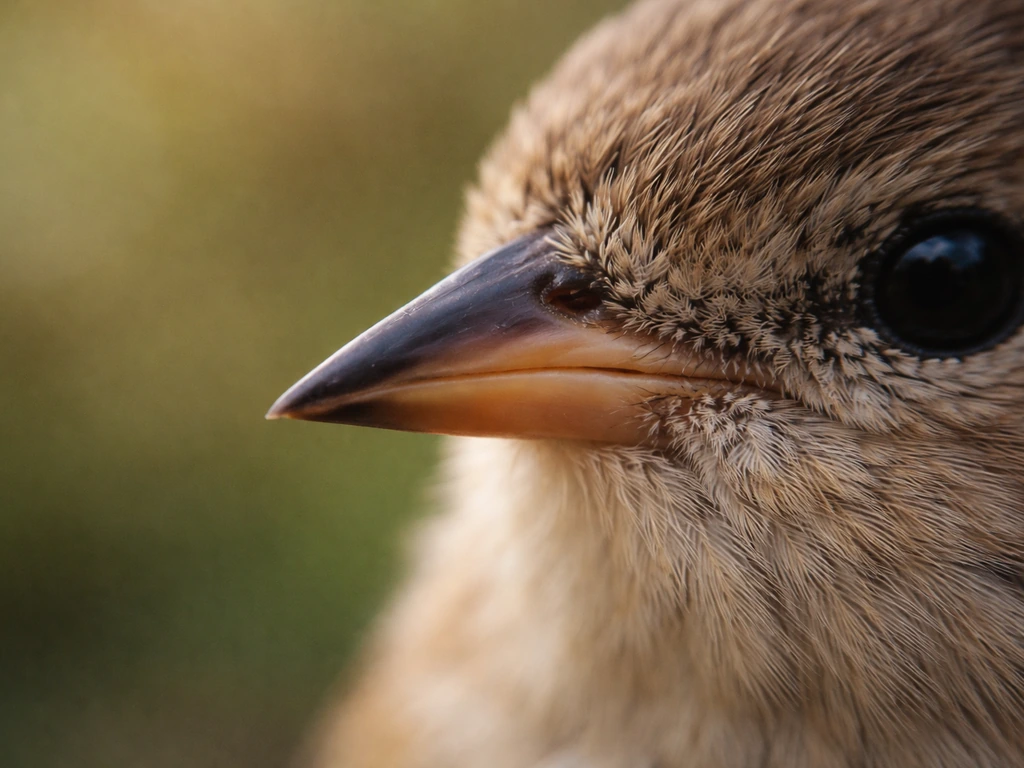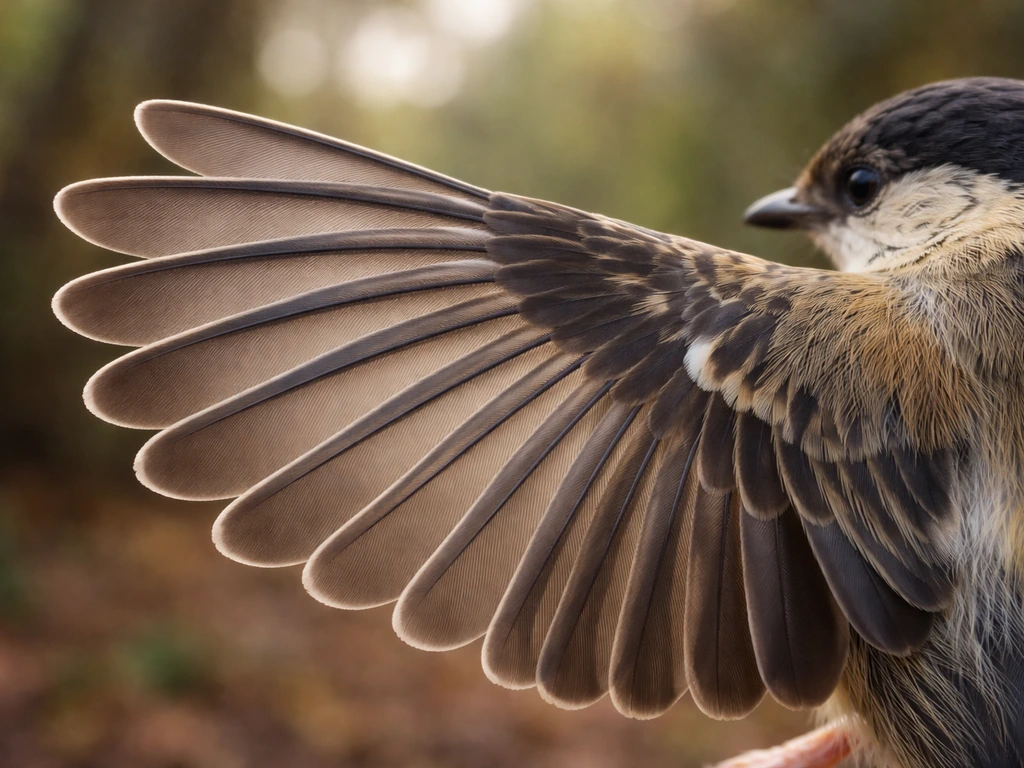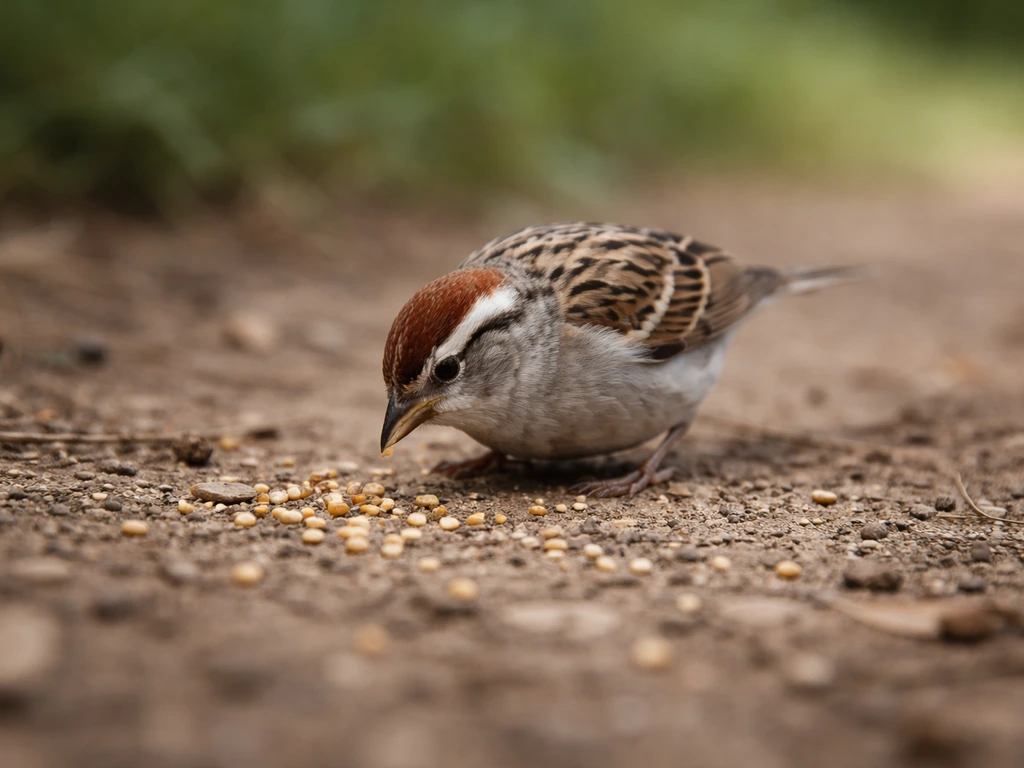
"Dicky bird" (also spelled "dickie bird" or "dickey bird") translates into Hindi most directly as "छोटा पक्षी" (chhota pakshi), meaning simply "a small bird." That is the core answer. Merriam-Webster defines it plainly as "a small bird," first recorded in use back in 1781, and standard Hindi translation tools like ShabdKhoj render it as "पक्षी" or "छोटा पक्षी" for exactly this reason. But if you landed here because you saw this phrase in a specific rhyme, story, or conversation and wanted to know which bird it actually refers to, the honest answer is: it depends heavily on context. Let me walk you through how to figure that out.
Dicky Bird Meaning in Hindi: Dickie Bird Explained

Rajesh Sharma
13 Apr 2026
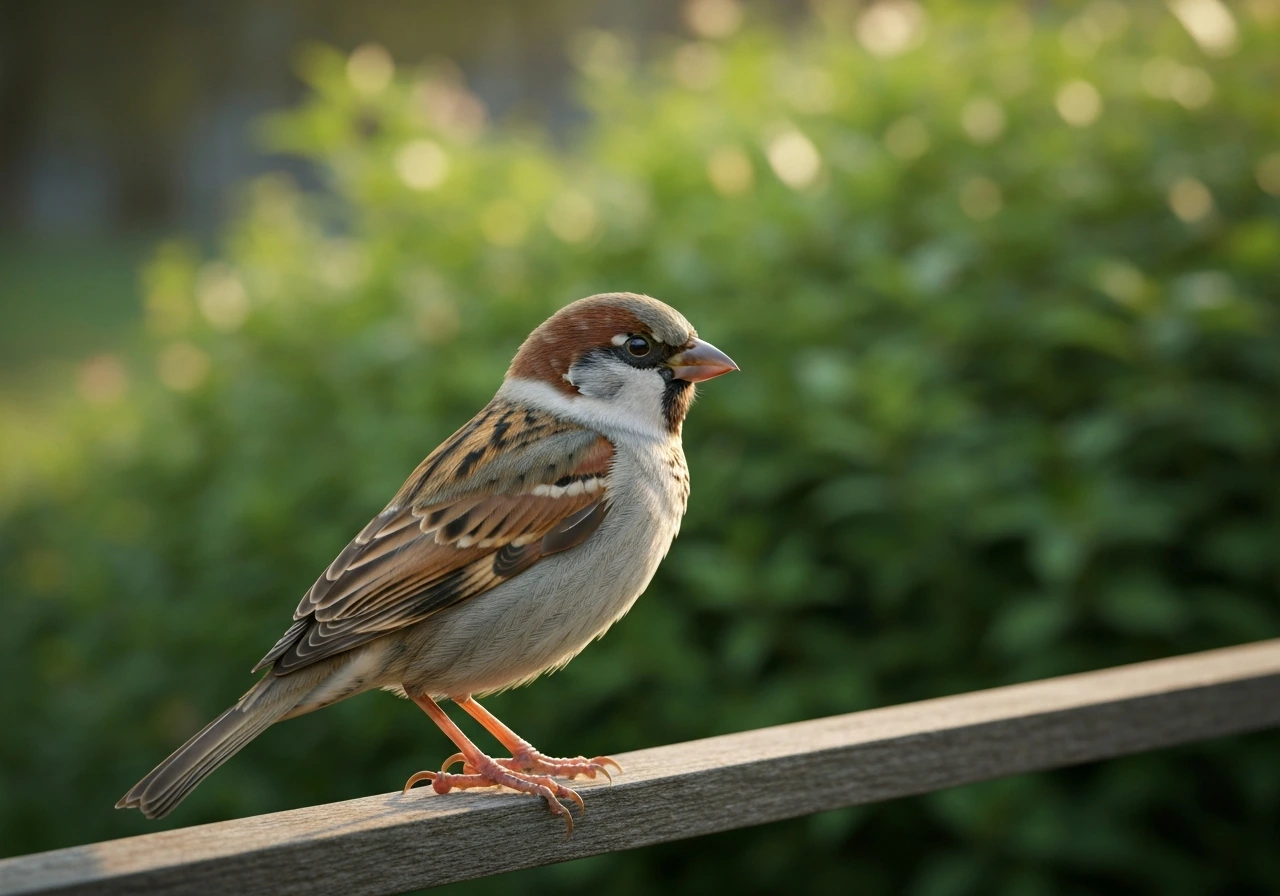
What "dicky bird" and "dickie bird" mean in Hindi
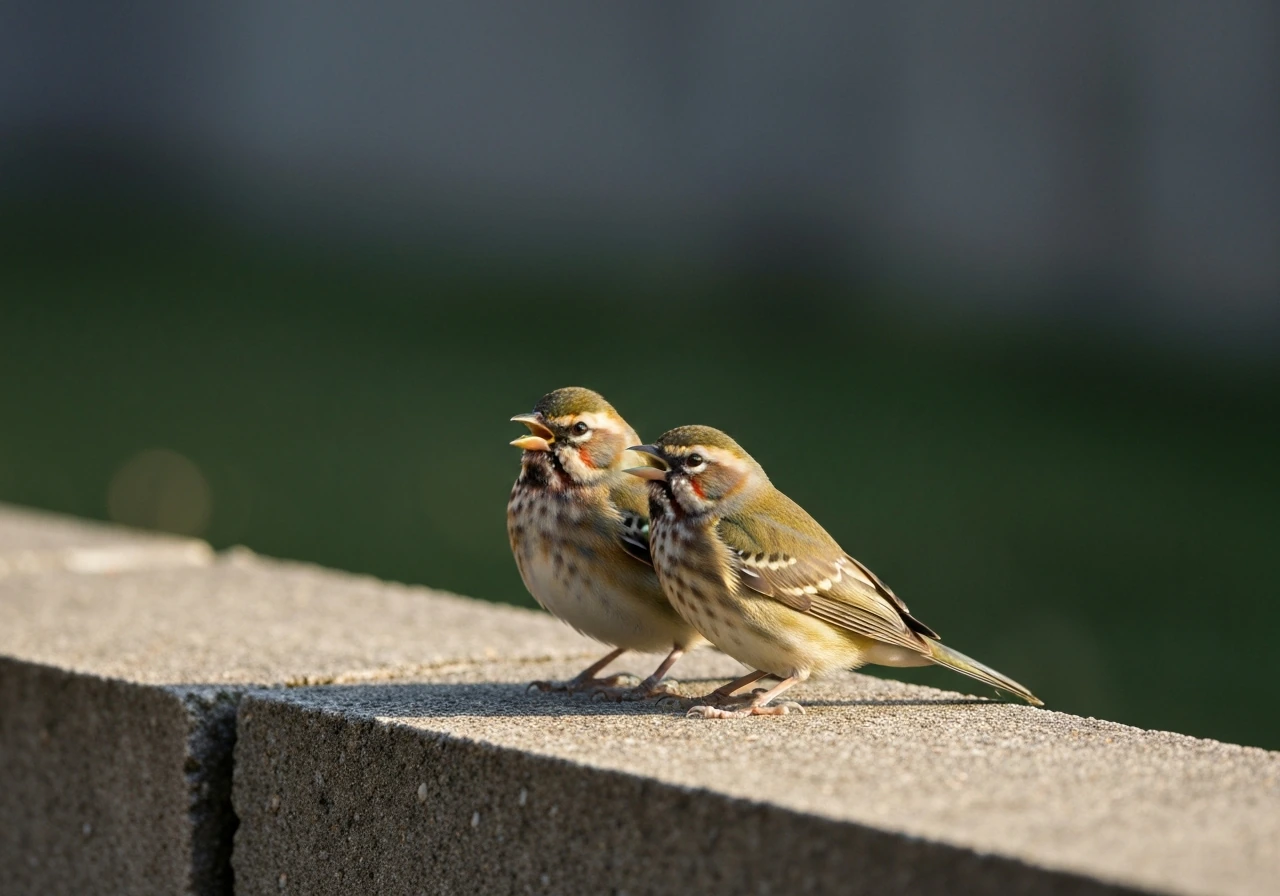
The phrase does not map to a single species name in Hindi. At its most fundamental level, "dicky bird" is a child-directed, affectionate English term for any small bird, the kind you'd use when talking to a toddler or singing a nursery rhyme. In Hindi, the closest natural equivalents would be "चिड़िया" (chidiya, a common word for a small bird, especially a sparrow-like one), "पक्षी" (pakshi, the more formal or literary word for bird), or simply "छोटा पक्षी" (chhota pakshi). If someone asks you to translate "dicky bird" into Hindi in a general context, "चिड़िया" is the most natural and warm-sounding equivalent because it carries the same informal, endearing tone that "dicky bird" does in English.
There is also an idiomatic English usage worth flagging: the phrase "not a dicky bird" is a British slang expression meaning "not a single word" or complete silence (as documented in the Cambridge Dictionary). Cambridge English Dictionary defines “not a dicky bird” as a British expression meaning “not a single word” or complete silence not a single word" or complete silence.
If someone used "dicky bird" in that kind of sentence, the Hindi rendering shifts entirely. In that context, it would translate closer to "एक शब्द भी नहीं" (ek shabd bhi nahin) or "कुछ नहीं" (kuch nahin). So the phrase can mean two very different things depending on whether you're reading it as a noun (a small bird) or as part of an idiom (not a word).
Why the spelling keeps changing, and what that tells you
The spelling variation between "dicky bird," "dickie bird," and "dickey bird" is not a sign of different meanings. Merriam-Webster itself lists these as variants of the same word. Collins dictionary also treats [“dicky bird” as a children’s or affectionate term for a small bird](https://www. collinsdictionary.
com/dictionary/english/dickybird), and notes spelling variants such as “dickie bird” and “dickey bird. ”. The inconsistency comes from the word "dickey" (or "dicky"), which is itself an old familiar form of the name Richard, a term of endearment in English folk tradition. Because the word entered common use through oral nursery-rhyme tradition rather than formal writing, no single spelling ever got standardized.
You'll find "dickie" in children's books, "dickey" in American dictionaries, and "dicky" in older British sources, all pointing to the same thing: a small, friendly little bird.
There is one wrinkle, though. Some regional British dialect dictionaries, including the Concise Ulster Dictionary, note that "dicky-bird" could refer specifically to a canary ("usually the canary"), which was a popular caged pet bird in British households. The blank" rel="noopener noreferrer">English Dialect Dictionary also connects "dicky-bird" to canary in certain regional usages. If your source is from an older British or Irish context, the intended bird might actually be a canary. In Hindi, a canary is called "कनेरी" (kaneri) or sometimes "पीला पक्षी" (peela pakshi, yellow bird), though canaries are not native to India and don't carry the same cultural weight as they do in European tradition.
How to figure out which bird is actually meant
The most reliable way to identify the intended bird is to look at where you encountered the phrase. Here are the most common scenarios and what they tell you:
- Nursery rhyme or children's song: If it's from "Two Little Dickie Birds sitting on a wall, one named Peter, one named Paul," the birds are completely generic. The rhyme (traced back to around 1765 in Mother Goose's Melody, originally with characters named Jack and Gill) uses "dickie birds" as placeholders, not a specific species. Hindi versions of this rhyme typically use "दो छोटी चिड़ियाँ" (do chhoti chidiyaan, two little sparrows/birds).
- British dialect text or older literature: Here, the intended bird is likely a canary (कनेरी). Check surrounding descriptive words, especially colour references like "yellow" or mentions of a cage.
- Casual conversation or children's speech: The speaker simply means any small, cute bird. "चिड़िया" is your best Hindi equivalent here.
- An English idiom like "not a dicky bird": This is not about a bird at all. It means not a single word was said. In Hindi: "एक शब्द नहीं" or "कुछ भी नहीं बोला।"
Related bird terms in Hindi and nearby Indian languages worth checking
Since "dicky bird" is a generic small-bird term, you'll want to know the Hindi and regional language vocabulary for the birds most likely to be its real-world equivalent. The most commonly intended species when someone says "a little bird" in Indian contexts include the house sparrow, the common myna, and occasionally the sunbird or wagtail. Here is a quick reference across languages:
| Bird | Hindi | Sanskrit | Marathi | Punjabi | Gujarati |
|---|---|---|---|---|---|
| House Sparrow (small, familiar) | गौरैया / चिड़िया (gauraiya / chidiya) | चटक (chatak) | चिमणी (chimni) | ਚਿੜੀ (chidi) | ચકલી (chakli) |
| Canary (if dialect usage) | कनेरी (kaneri) | N/A (non-native) | कनेरी (kaneri) | ਕਨੇਰੀ (kaneri) | કેનેરી (keneri) |
| Generic small bird | छोटा पक्षी / चिड़िया | खग (khaga) | पक्षी / चिमणी | ਪੰਛੀ (panchhi) | પક્ષી (pakshi) |
| Common Myna (often referenced) | मैना (maina) | सारिका (sarika) | मैना (maina) | ਮੈਨਾ (maina) | મેના (mena) |
If you are specifically researching how small birds get named and nicknamed across South Asian languages, it helps to know that the house sparrow (गौरैया) is probably the closest cultural analog to "dicky bird" in an Indian context. It is small, ubiquitous, beloved, and features in folk songs across Hindi, Marathi, and Punjabi traditions. For example, the paddy bird meaning in Hindi is another example of an English bird-name that requires contextual unpacking, since it refers to the cattle egret but is not a phrase most Hindi speakers would generate naturally.
Cultural and literary symbolism of the likely birds in Indian tradition
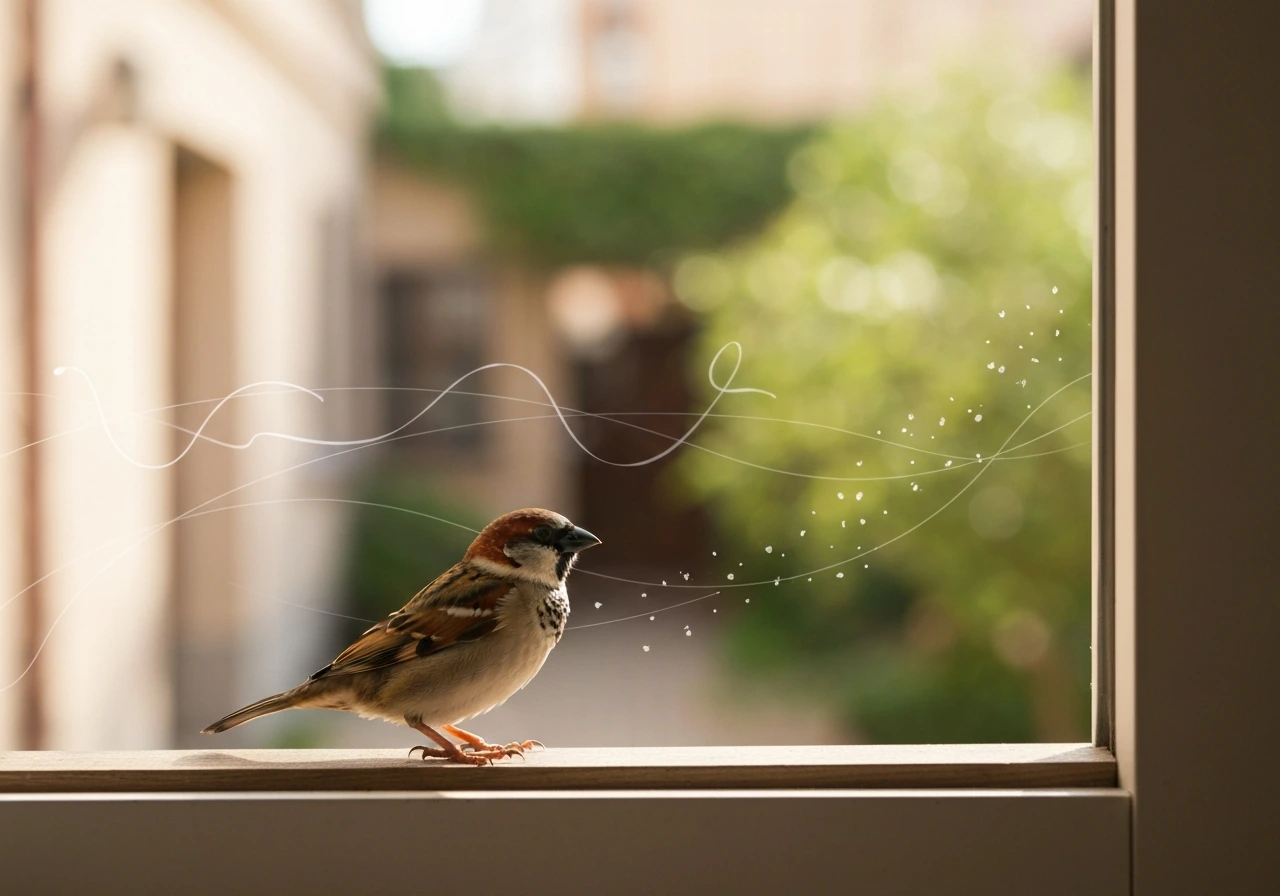
The house sparrow (चिड़िया / गौरैया)
In Hindi folk culture, "चिड़िया" is one of the most emotionally loaded words in the language. It appears in lullabies, proverbs, and folk tales as a symbol of innocence, freedom, and the simple joys of domestic life. The phrase "उड़ जाएगी चिड़िया" (the sparrow will fly away) is used metaphorically to describe fleeting happiness or a child growing up and leaving home. In Sanskrit poetic tradition, small birds ("खग" or "विहग") often represent the soul (jivatma) traveling between worlds.
The imagery of two small birds perched together, which is precisely what the "Two Little Dickie Birds" rhyme evokes, actually echoes a famous metaphor in the Mundaka Upanishad: two birds sitting on the same tree, one eating fruit and one simply watching, representing the individual soul and the universal consciousness.
The canary in Indian cultural context
The canary has no deep root in Indian mythology because it is not a native bird of the subcontinent. However, the idea of a small, yellow, caged singing bird does resonate with Indian poetic traditions around the "पिंजरे की चिड़िया" (pinjre ki chidiya), the bird in a cage. This is a powerful metaphor in Hindi poetry and Sufi literature, representing the soul trapped in the body, yearning for liberation. Kabir used this imagery extensively. So while the canary itself is culturally foreign, the symbolic space it occupies in British dialect usage (a beautiful, delicate, caged pet) maps onto a well-established poetic archetype in Indian literature.
Small birds in Punjabi and Gujarati tradition
In Punjabi folk songs (especially the "boliyaan" tradition), small birds like the sparrow (ਚਿੜੀ, chidi) are frequently invoked as messengers carrying news between separated lovers or between a daughter and her maternal home. The bird carries emotional memory across distance. In Gujarati folk culture, the ચકલી (chakli, house sparrow) appears in children's songs and proverbs, often representing humility and resourcefulness. It is worth noting that when Indian parents today teach their children the "Two Little Dickie Birds" rhyme in English, many naturally substitute "दो चिड़ियाँ" or "do panchhi" in Hindi and Punjabi versions, which confirms that "chidiya" or "panchhi" is the intuitive Hindi-language equivalent of "dicky bird."
It's also interesting to compare how playful or culturally loaded bird-phrase translations can get. Just as understanding flipping the bird meaning in Hindi requires untangling an idiom from its literal bird reference, "dicky bird" demands the same kind of contextual reading, though its tone is far gentler and more affectionate.
How to confirm the exact meaning quickly
Here is a practical checklist you can run through right now to lock down what "dicky bird" means in your specific situation:
- Identify your source: Is it a nursery rhyme, a British dialect text, a casual sentence, or a slang phrase? This single question resolves most ambiguity.
- Check for the idiom structure: If the phrase appears as "not a dicky bird" or "without a dicky bird," it means silence or no words spoken. Do not translate it as a bird.
- Look for colour or habitat clues: If the surrounding text mentions yellow, cage, or singing, the intended bird is probably a canary (कनेरी). If it is just "sitting on a wall" or flying around, it is a generic small bird (चिड़िया).
- Use "चिड़िया" as your default Hindi translation: It is warm, child-friendly, and culturally appropriate. For more formal writing, "छोटा पक्षी" works well.
- Cross-check with regional language: If your audience is Punjabi, ਚਿੜੀ (chidi) is the equivalent. For Gujarati, ચકલી (chakli). For Marathi, चिमणी (chimni). These give your translation a natural regional feel.
- Verify the nursery-rhyme context: If you are translating "Two Little Dickie Birds" for a child, "दो छोटी चिड़ियाँ" is standard and widely used in Hindi-medium schools.
If you want to go deeper into how bird names get adapted and sometimes misread across languages, the tailor bird meaning in Hindi is a good companion read. The tailorbird (दर्जी चिड़िया) is another case where an English descriptive name requires understanding both the bird's behaviour and its Hindi cultural identity to translate correctly.
A note on transliteration and search confusion
One reason people search for "dicky bird meaning in Hindi" is that they have encountered this phrase in an English-medium Indian textbook or in a Hindi-to-English nursery rhyme workbook, and the Hindi glossary did not explain it fully. Another common cause is that someone heard the phrase in a British film or show and assumed it referred to a specific Indian bird. Neither assumption is quite right. The phrase is English in origin, informal in register, and generic in species.
It does not have an equivalent Hindi compound that maps to it the way, say, "बुलबुल" maps to "nightingale. " Your best strategy is always to treat it as "a small, sweet little bird" and choose the Hindi word that fits your audience and tone. For children: "चिड़िया. " For poetry or literature: "पक्षी" or "खग.
" For a canary in a dialect context: "कनेरी. "
For anyone exploring how cartoon or pop-culture bird references translate into Indian languages, the angry bird meaning in Punjabi article is worth a look, since it addresses a similar problem of mapping an English bird-phrase (one with no ornithological precision) into a regional Indian language with its own cultural flavour.
FAQ
In a Hindi-to-English glossary, what Hindi word should I use for “dicky bird” in a rhyme?
If the line is just “dicky bird” used like a noun in a nursery rhyme, translate it as “चिड़िया” for a child-friendly tone, or “छोटा पक्षी” if you want to stay closer to the literal phrasing. Use “पक्षी” when the sentence sounds more formal or poetic.
Does “dicky bird” always mean the same species, or can it mean a canary in some places?
Yes, “dicky bird” can refer to any small bird in casual affectionate English. But if your source is a British/Irish dialect context, you should check if the speaker specifically says “usually the canary,” then use “कनेरी” (or “पीला पक्षी” in a descriptive sense) in Hindi.
Why is it wrong to pick one specific bird name every time I see “dicky bird”?
Don’t translate it into a single fixed bird name like “bulbul” or “maina” unless the surrounding text mentions traits that match that bird (for example, a specific call, color, cage, or pet context). Without those clues, the safest Hindi is the generic “चिड़िया” or “छोटा पक्षी.”
How do I translate “not a dicky bird” into Hindi?
If the phrase appears inside “not a dicky bird,” treat it as an idiom for complete silence or “not even a single word.” Hindi choices include “एक शब्द भी नहीं” or “कुछ नहीं,” and translating it as “छोटा पक्षी” would be a category error (noun vs idiom).
Do “dicky bird,” “dickie bird,” and “dickey bird” mean different things?
Spelling variants like “dickie” and “dickey” usually do not change meaning. The decision aid is context: if it’s in a children’s poem or baby talk, it’s the small-bird sense; if it’s part of a slang sentence about words or silence, it’s the idiom sense.
Which translation sounds most natural in modern Hindi, especially for children?
If you are translating for kids, choose “चिड़िया” and keep the sentence simple, because “चिड़िया” is emotionally natural in Hindi for small birds. For storytelling or literature, “खग” or “पक्षी” can fit better stylistically, even when the species remains unspecified.
What if the sentence mentions a cage or a pet bird, does that change the Hindi meaning?
If the original text mentions “caged” or an explicitly pet-like setting, it increases the chance the intended meaning is the canary in a dialect usage. In Hindi, you can reflect that with “कनेरी” and, if needed, add a clarifier like “पिंजरे वाली” (caged) to match the scene.